Daily Sabah logo

Politics
Diplomacy Legislation War On Terror EU Affairs Elections News Analysis
TÜRKİYE
Istanbul Education Investigations Minorities Expat Corner Diaspora
World
Mid-East Europe Americas Asia Pacific Africa Syrian Crisis Islamophobia
Business
Automotive Economy Energy Finance Tourism Tech Defense Transportation News Analysis
Lifestyle
Health Environment Travel Food Fashion Science Religion History Feature Expat Corner
Arts
Cinema Music Events Portrait Reviews Performing Arts
Sports
Football Basketball Motorsports Tennis
Opinion
Columns Op-Ed Reader's Corner Editorial
PHOTO GALLERY
JOBS ABOUT US RSS PRIVACY CONTACT US
© Turkuvaz Haberleşme ve Yayıncılık 2025

Daily Sabah - Latest & Breaking News from Turkey | Istanbul

  • Politics
    • Diplomacy
    • Legislation
    • War On Terror
    • EU Affairs
    • Elections
    • News Analysis
  • TÜRKİYE
    • Istanbul
    • Education
    • Investigations
    • Minorities
    • Expat Corner
    • Diaspora
  • World
    • Mid-East
    • Europe
    • Americas
    • Asia Pacific
    • Africa
    • Syrian Crisis
    • Islamophobia
  • Business
    • Automotive
    • Economy
    • Energy
    • Finance
    • Tourism
    • Tech
    • Defense
    • Transportation
    • News Analysis
  • Lifestyle
    • Health
    • Environment
    • Travel
    • Food
    • Fashion
    • Science
    • Religion
    • History
    • Feature
    • Expat Corner
  • Arts
    • Cinema
    • Music
    • Events
    • Portrait
    • Reviews
    • Performing Arts
  • Sports
    • Football
    • Basketball
    • Motorsports
    • Tennis
  • Gallery
  • Opinion
    • Columns
    • Op-Ed
    • Reader's Corner
    • Editorial
  • TV

DHKP-C: In search of a comeback

by Daily Sabah

ISTANBUL Mar 31, 2015 - 12:00 am GMT+3
No Image
by Daily Sabah Mar 31, 2015 12:00 am
The Revolutionary People's Liberation Party-Front (DHKP-C) is an offshoot of a Marxist-Leninist movement that was established in the 1970s. The DHKP-C was founded in the 1990s after it splintered from a larger group of far-left organizations responsible for a string of attacks that include the assassination of two politicians in 1980 and several intelligence officials.

It kept a relatively low profile for many years. Additionally, its attacks were relatively minor compared to the PKK, another terrorist organization active in Turkey; however, the DHKP-C stepped up its attacks over the past two years. In 2013, a DHKP-C militant carried out a suicide bombing at the U.S. Embassy compound in the capital, killing a Turkish security guard.


The DHKP-C also claimed responsibility for non-lethal rocket attacks targeting the Justice and Development Party (AK Party) headquarters, the Turkish National Police headquarters and a Justice Ministry building in Ankara in 2013. The group, designated as a terrorist organization by Turkey, the U.S. and the EU, advocates a far-left ideology. Moreover, its members do not have a homogenous ethnic background like the PKK, which mainly draws support from Kurds. The DHKP-C's power significantly declined since the death of Dursun Karataş, one of its founding leaders, in 2008.

Still, experts say that the group seeks to stage a comeback by launching "sensational" attacks. As with every terrorist organization, conspiracy theories are abound concerning the DHKP-C with allegations that the group was used as a "tool" by intelligence services, both local and foreign, in the past, to conduct attacks to serve their interests.

The organization claimed responsibility for two attacks this year. A foiled attempt to attack security guards outside an Ottoman-era palace in Istanbul was followed by a militant shooting at police officers at Istanbul's Taksim Square in January. No one was injured in the attacks. Last week's attack on the offices of a magazine, which killed one writer and wounded three others, was also blamed on an affiliate of the organization – though it did not claim responsibility through Halkın Sesi (The Voice of the People), a Twitter account where the group's members generally announce their attacks.

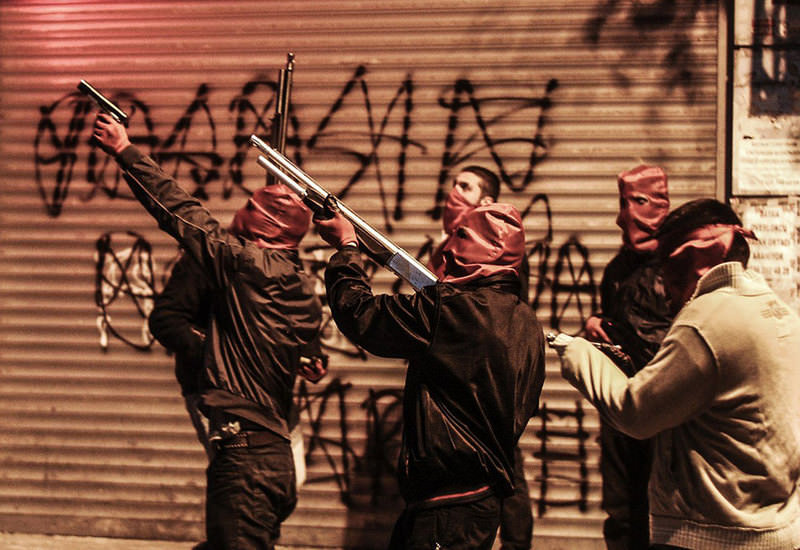
Apart from outright terror attacks, the organization also looks to make a name for itself by exploiting protests such as the Gezi Park incidents of 2013. It was common to see shotgun and pistol-wielding members of the DHKP-C roaming the streets, especially in working-class neighborhoods where it recruits supporters, during the protests and subsequent rallies last year under the pretext of commemorating rioters who died during protests.

  • shortlink copied
  • Last Update: Mar 31, 2015 6:04 pm
    KEYWORDS
    türkiye
    The Daily Sabah Newsletter
    Keep up to date with what’s happening in Turkey, it’s region and the world.
    You can unsubscribe at any time. By signing up you are agreeing to our Terms of Use and Privacy Policy. This site is protected by reCAPTCHA and the Google Privacy Policy and Terms of Service apply.

    No Image
    Hope for Rafah: Gazans keep Eid al-Fitr alive amid Israeli attacks
    PHOTOGALLERY
    • POLITICS
    • Diplomacy
    • Legislation
    • War On Terror
    • EU Affairs
    • News Analysis
    • TÜRKİYE
    • Istanbul
    • Education
    • Investigations
    • Minorities
    • Diaspora
    • World
    • Mid-East
    • Europe
    • Americas
    • Asia Pacific
    • Africa
    • Syrian Crisis
    • İslamophobia
    • Business
    • Automotive
    • Economy
    • Energy
    • Finance
    • Tourism
    • Tech
    • Defense
    • Transportation
    • News Analysis
    • Lifestyle
    • Health
    • Environment
    • Travel
    • Food
    • Fashion
    • Science
    • Religion
    • History
    • Feature
    • Expat Corner
    • Arts
    • Cinema
    • Music
    • Events
    • Portrait
    • Performing Arts
    • Reviews
    • Sports
    • Football
    • Basketball
    • Motorsports
    • Tennis
    • Opinion
    • Columns
    • Op-Ed
    • Reader's Corner
    • Editorial
    • Photo gallery
    • DS TV
    • Jobs
    • privacy
    • about us
    • contact us
    • RSS
    © Turkuvaz Haberleşme ve Yayıncılık 2021