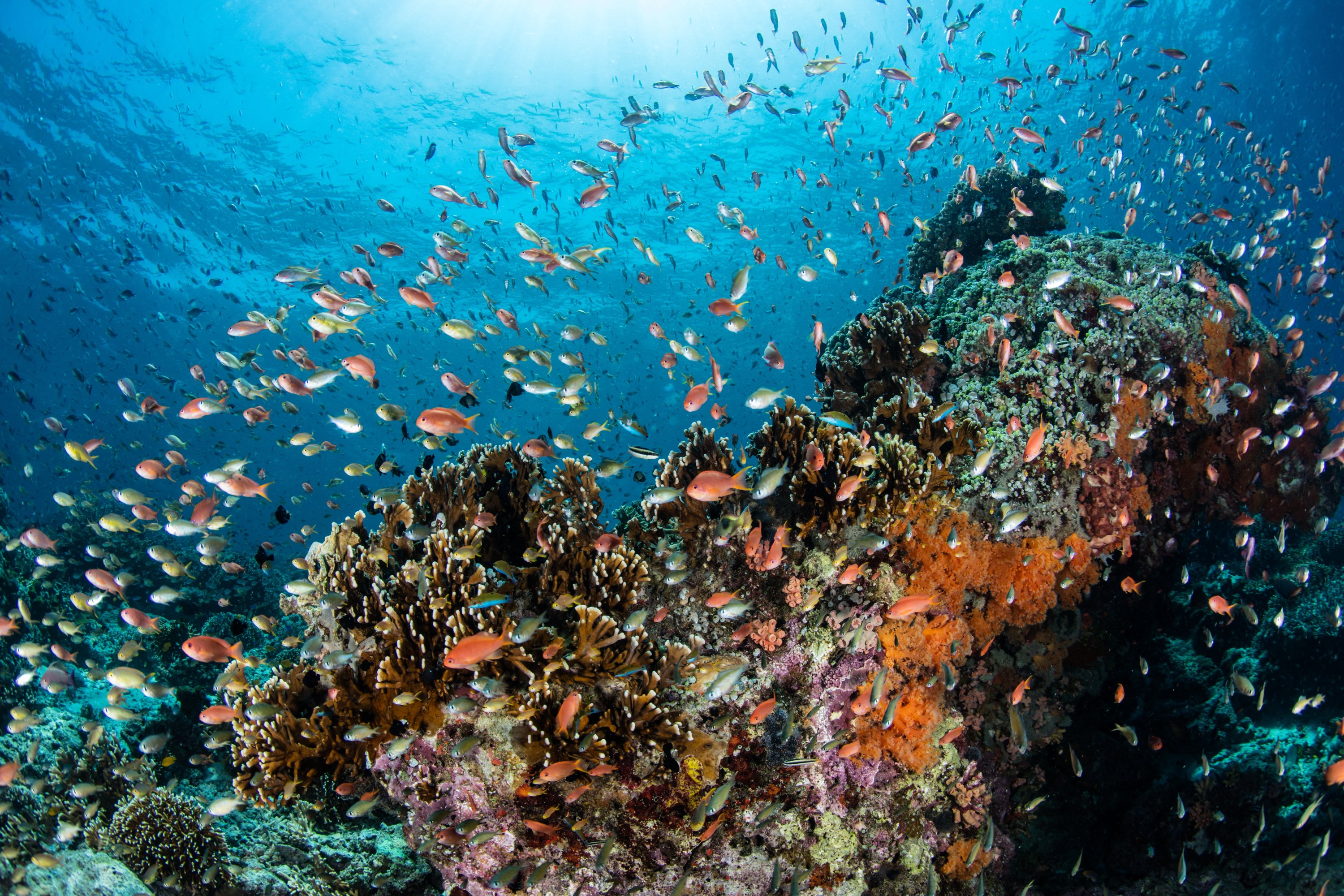
The far-reaching consequences of climate change are now taking a toll on natural ecosystems and living species, ringing alarm bells for both biodiversity and human life. A recent report by WWF-Türkiye (World Wildlife Fund) highlighted the grave danger faced by Mediterranean fish species, where a staggering 60% of fish species are on the brink of extinction, with many teetering on the edge of oblivion.
Özge Balkız, the Nature Conservation Center Biological Diversity Conservation Program coordinator, attributed this dire situation to the looming threat of climate change, which poses a significant risk to species' abilities to adapt to their changing environments. Even a mere 1 degree Celsius (1.8 degree Fahrenheit) increase in global temperatures can have severe consequences, impacting the genetics, behavior and survival abilities of various living beings. The escalating consequences of human activities, rising sea levels, soaring air temperatures and food shortages have left many species with no choice but to migrate in search of suitable habitats.
A staggering 28% of species worldwide, encompassing approximately 42,108 out of 150,388 species evaluated by the International Union for the Conservation of Nature (IUCN), are facing the ominous specter of extinction. The ecological shifts induced by rising air temperatures are affecting migration routes for chinook salmon and altering the breeding times of tree swallows. Moreover, high temperatures during the spawning process are leading to an unbalanced sex distribution in the offspring of green sea turtles, a species that is already under grave threat of extinction. Studies have revealed that a staggering 99% of newly hatched green sea turtles are now female due to these rising temperatures.
Balkız warned that losing biodiversity is estimated to be between 50% to 75%, with certain regions of Türkiye experiencing significant declines as well. She emphasizes that many species of butterfly in Türkiye, with limited mobility and adaptation capacity, are disproportionately impacted compared to more generalist species.
Highlighting the repercussions of biodiversity loss, Balkız stressed that the consequences extend beyond plants and animals to directly affect human life. Natural ecosystems and the myriad creatures they support play a vital role in the battle against climate change and impact human well-being. Hence, addressing biodiversity loss is intrinsically linked to safeguarding human welfare.
In the quest to combat climate change, the Intergovernmental Panel on Climate Change (IPCC) employs various measures to assess the extent of biodiversity loss due to temperature changes. Balkız asserted that species have developed diverse defense mechanisms to cope with the increasing air temperatures, leading to variations in the distribution of mobile species.
The urgency to act is clear, as climate change could lead not only to population declines but also the complete disappearance of certain species. Those living in deteriorating habitats with limited access to food face the gravest threats. Balkız pointed out that species with high adaptability and mobility possess a more significant advantage in surviving these environmental challenges.
Balkız also underscored the crucial role of the Paris Agreement's goals to limit temperature increases to 1.5 degrees. Transitioning to greener energy sources and making substantial investments in sustainability are paramount. Simultaneously, expanding terrestrial and marine protected areas to 30% under the International Convention on Biological Diversity, of which Türkiye is a member, is vital for species protection.
Balkız advocated for reducing human activities that endanger biodiversity, adopting eco-friendly agricultural practices, making sustainable energy investments, transforming consumption habits and establishing conservation areas for species. With concerted efforts, we can still strive to preserve our planet's rich biodiversity and ensure a sustainable future for all living beings.