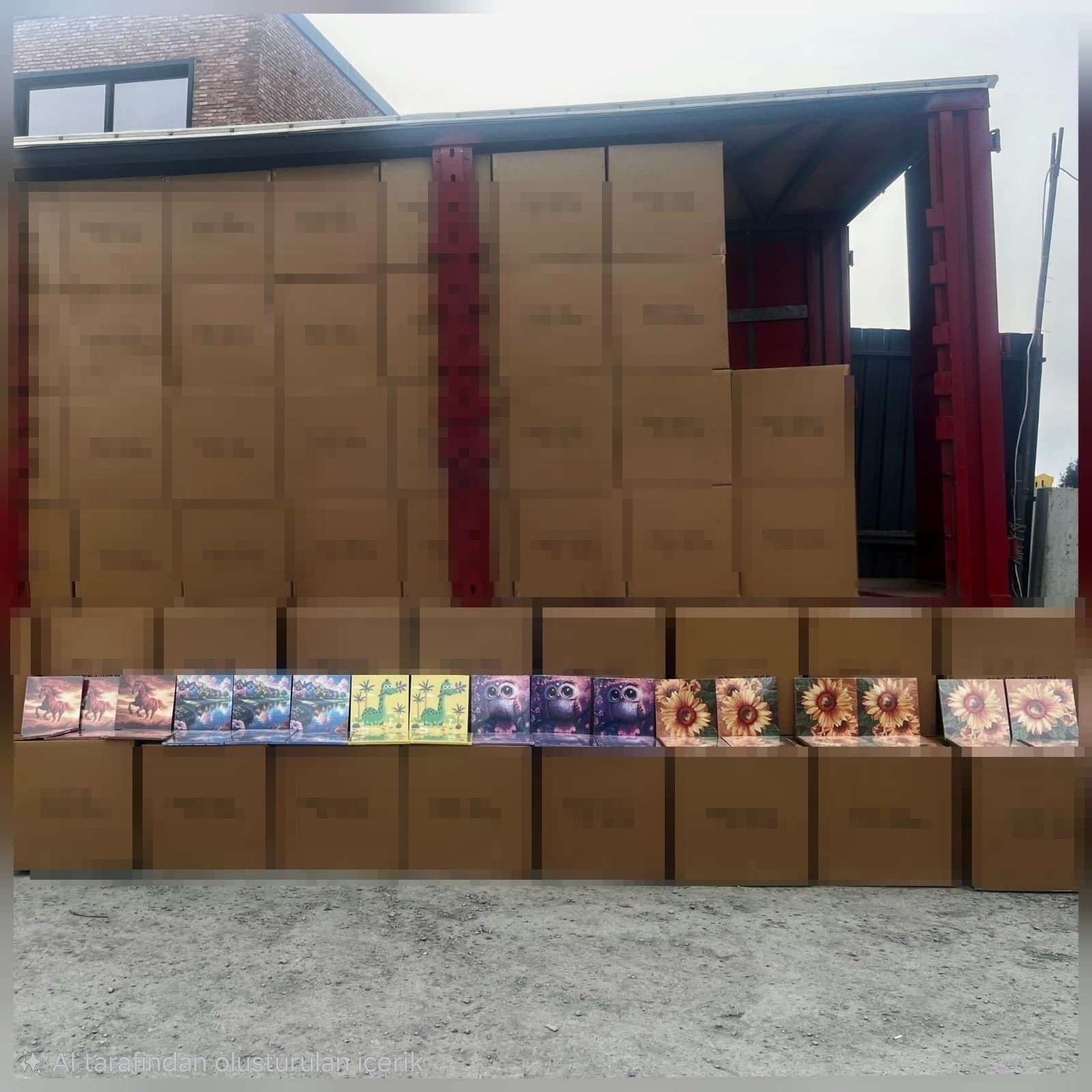
Turkish authorities have issued detention warrants for 28 suspects as part of a large-scale smuggling investigation spanning multiple provinces, prosecutors said Wednesday.
According to a statement from the Istanbul Chief Public Prosecutor's Office, the suspects are accused of operating an organized smuggling network that allegedly brought various goods into Türkiye without fully paying customs duties and inspection taxes.
Investigators said the group imported products using containers, cargo ships and foreign-flagged yachts, allegedly bypassing customs regulations through fraudulent methods.
Among the allegations is the manipulation of Customs Tariff Statistics Position (GTIP) codes to evade TAREKS inspections, which are designed to screen imported goods for compliance with health and safety standards. Prosecutors said cosmetics and toys were imported under altered classifications to avoid controls targeting prohibited chemicals that may pose health risks.
Authorities also alleged that electronic cigarettes, tobacco products and cigars were smuggled into the country through hidden compartments known as "zulas."
As part of the investigation, police carried out simultaneous operations in Istanbul, Ankara, Antalya on the country's Mediterranean coast and Mardin in southeastern Türkiye. Searches conducted at addresses and warehouses linked to the suspects resulted in the seizure of large quantities of smuggled goods and illegal tobacco products.
Prosecutors said one suspect, identified by the initials H.C., allegedly changed the classification of more than 57,000 imported products to reduce customs obligations. The products were reportedly declared as wooden frames rather than their actual category, allowing them to enter the country under different tariff conditions.
The investigation also uncovered allegations related to workplace safety violations at a factory linked to H.C. According to prosecutors, a foreign national worker died while working a night shift at the facility. Authorities claim evidence was concealed and the death was presented as a heart attack.
The prosecutor's office further alleged that the factory employed irregular migrants and provided accommodation and facilities for them to remain in Türkiye. Several irregular migrants were reportedly identified during searches of the premises.