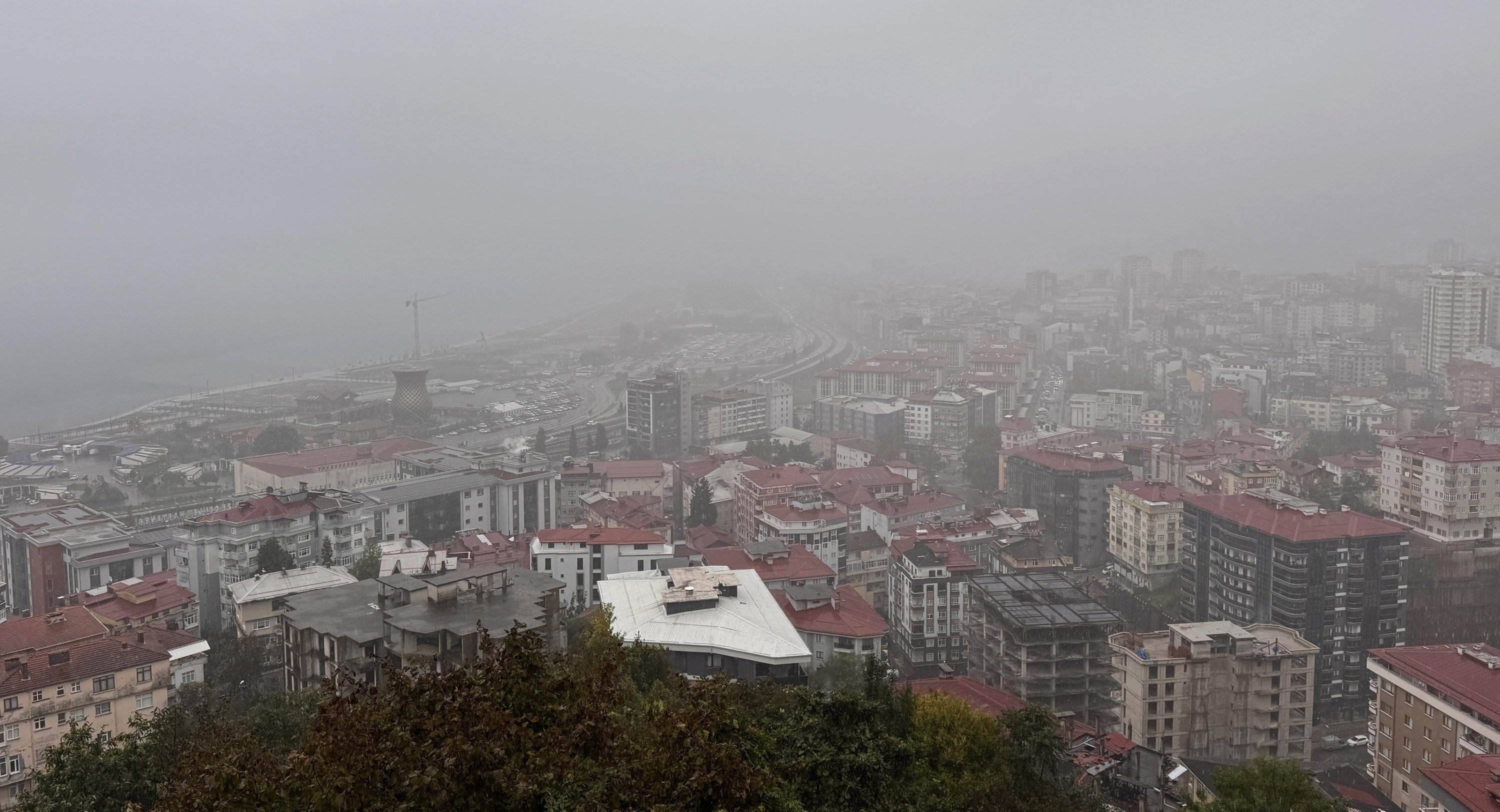
Rize, in northeastern Türkiye, is the country’s rainiest province and experienced the heaviest rainfall recorded since 1977, with 355 kilograms of rain per square meter (14 inches of rain) falling over 36 hours from Sept. 19-21, Governor Ihsan Selim Baydaş said.
“This was an extraordinary weather event,” Baydaş said. “Thankfully, there were no casualties, but we faced serious risks. Significant danger occurred in many areas, particularly in Fırtına Valley and Fındıklı.”
Meteorological warnings had been issued in advance, but the rainfall exceeded forecasts. “Sometimes, for example, warnings indicate 100-150 kilograms of rain, but moisture from the sea combined with wind can suddenly increase that amount,” Baydaş said. “This time, we faced rainfall even above what was predicted.”
Early warning systems on local rivers, including the Fırtına, Çağlayan, and Arılı rivers, reached their alarm thresholds, prompting emergency evacuation orders in high-risk areas. “All units were prepared for the disaster that night,” Baydaş said. “In Fırtına Valley, Fındıklı, Arılı and around the Çağlayan and Arılı rivers, evacuations were carried out and the results were effective. The rivers did not overflow.”
Preventive measures, including extensive cleaning operations in rivers and culverts, helped limit the impact. Baydaş said approximately 2.8 million cubic meters of debris were removed from Rize’s waterways in the past year. Across Türkiye, 18 million cubic meters were cleared, meaning Rize accounted for roughly one-sixth of the national total. “Because the rivers and culverts were clean, water and debris flowed into the sea, preventing urban flooding,” he said.
Silt-blocking diversion structures on the main and side branches of rivers also limited potential damage, Baydaş said.
Rize, which averages 2,500 kilograms of rainfall annually, roughly five times the national average, has a climate that requires residents to adapt to heavy rainfall, the governor said. “Just as we live in an earthquake zone, we must learn to live with this special climate. Without this rain, we couldn’t grow tea or maintain our green landscape,” he said.
Demolition of unsafe structures in Fırtına Valley continues. Baydaş said about 100 buildings have been removed, and officials are prepared to continue if residents do not voluntarily remove structures. “Meteorological data indicate that extreme rainfall events may occur more frequently due to climate change. We must take precautions to prevent similar disasters in the future,” he said.