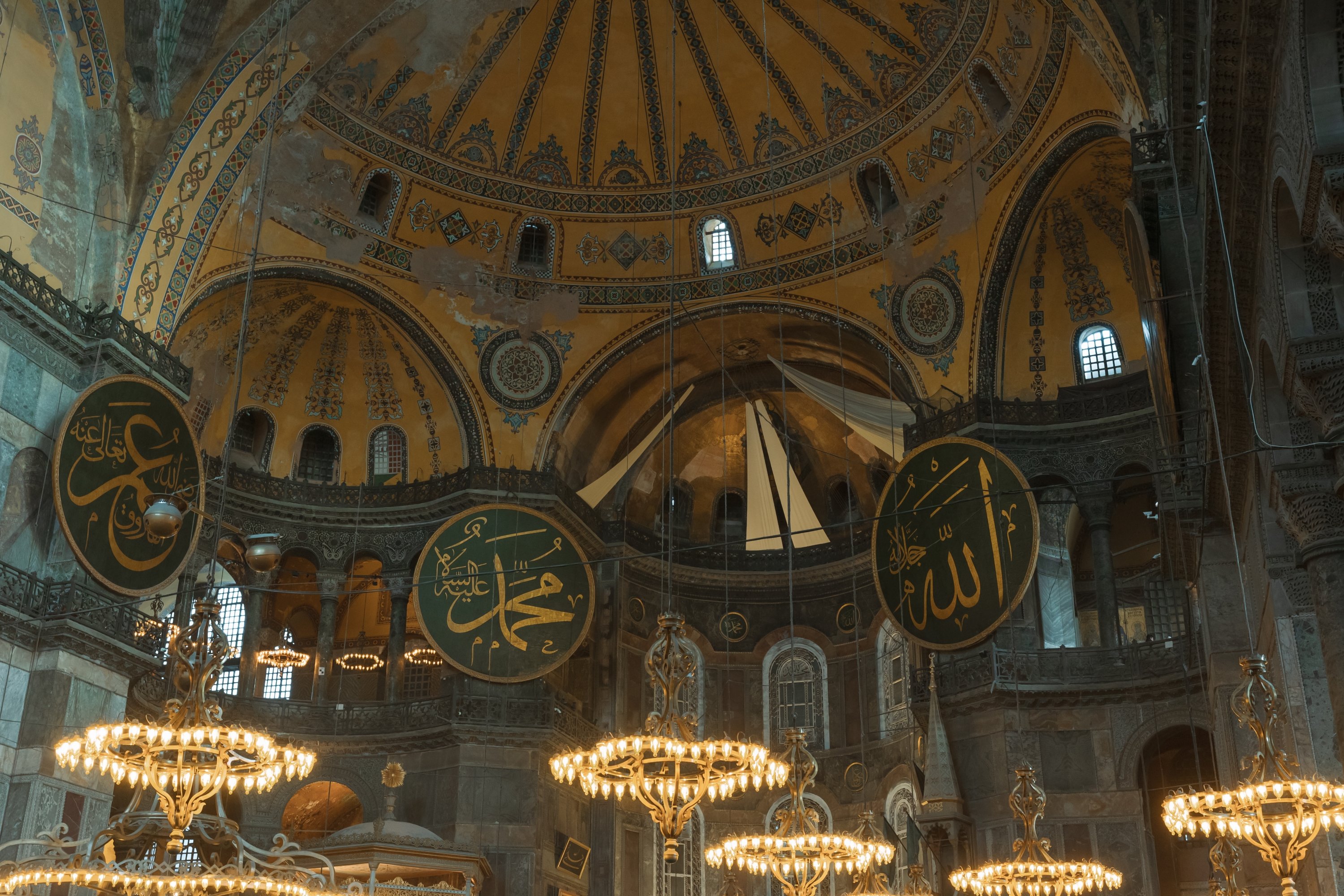
Muslims in Türkiye and around the world are preparing to observe Mawlid al-Nabi (Mevlid Kandili), which falls on Monday, Aug. 24, this year, marking the birth of Prophet Muhammad. The religious night will be observed from the evening of Aug. 24 to the morning of Aug. 25, with celebrations highlighting his teachings on compassion, justice, unity and good morality.
Observed on the 12th day of the Islamic month of Rabi al-Awwal, Mawlid al-Nabi has been commemorated in Muslim societies for centuries through religious ceremonies, sermons, recitations and works dedicated to the Prophet.
The term mawlid, meaning “place and time of birth,” is used in Islamic culture to refer to the birth of Prophet Muhammad as well as the ceremonies held and works written to commemorate the occasion.
The Prophet’s birthday was celebrated with official ceremonies during the Ottoman, Mamluk, Ayyubid and Fatimid periods, while Turkish and Arab literature produced numerous works expressing devotion and love for Prophet Muhammad.
One of the best-known works associated with Mawlid ceremonies is Suleyman Celebi’s "Vesiletü'n Necat" (The Means of Salvation), which is widely recited in Muslim communities, particularly in Türkiye.
The 1,501st anniversary of Prophet Muhammad’s birth is being observed this year under the theme “Our Prophet and Good Morality.”
Türkiye’s Presidency of Religious Affairs is also organizing numerous events in Türkiye and abroad as part of Mawlid al-Nabi Week, with programs focusing on the Prophet’s teachings and moral values.
Hüseyin Arı, an expert at the High Board of Religious Affairs, told Anadolu Agency (AA) on Sunday that the anniversary of Prophet Muhammad’s birth has been commemorated in Muslim societies for centuries with longing, gratitude and enthusiasm.
Arı said celebrations in Türkiye traditionally feature recitations of Suleyman Celebi’s Mawlid poem, while sermons and religious talks focus on the Prophet’s exemplary character and renew feelings of devotion and love toward him.
He said Mawlid al-Nabi and Mawlid al-Nabi Week should not be viewed solely as commemorations of a historical event, but also as opportunities to reflect on the principles of justice, compassion and morality associated with Prophet Muhammad.
“Mawlid al-Nabi and Mawlid al-Nabi Week are not merely the commemoration of a historical birthday, but also a reminder of the principles of justice, compassion and morality brought by Prophet Muhammad,” Arı said.
He said prophetic morality is particularly relevant in a world where the sense of justice has weakened, compassion is sometimes replaced by anger and violence, and selfishness and self-interest increasingly affect human relationships.
Arı also said Mawlid al-Nabi Week would provide an opportunity to remember the Prophet’s emphasis on unity and brotherhood among Muslims.
Referring to people suffering from conflict and oppression around the world, he said Muslims could help address such suffering by standing together around the Prophet’s teachings and moral values.
Arı said the theme “Our Prophet and Good Morality” carries particular significance given the challenges facing society today.
He stressed that good morality extends beyond individual conduct and encompasses family life, relations with neighbors, professional life, social solidarity and interactions with all people.
The Presidency of Religious Affairs is organizing commemorative programs, religious events and radio and television broadcasts to highlight the Prophet’s values, including compassion, justice, generosity, grace and humility.
Arı said these activities aim to strengthen awareness of the connection between faith, worship and morality.
“Embracing the good morality of the Prophet and reestablishing the inseparable bond between faith, worship and morality is an unavoidable responsibility for Muslims,” he said.
He added that following the example of the Prophet Muhammad’s character can provide guidance for addressing the spiritual challenges faced by people in the modern world.