Türkiye has called on member countries of the Developing Eight (D-8) Organization for Economic Cooperation to strengthen international cooperation on zero waste and the circular economy, with a focus on sharing expertise, scaling up sustainable practices and establishing long-term partnerships.
Speaking at a special event on Tuesday on zero waste and the circular economy held on the sidelines of the United Nations Climate Change Conference (COP31) in Antalya, southern Türkiye, Samed Ağırbaş, president of the Zero Waste Foundation and COP31 High-Level Climate Champion, said the movement had evolved from a national initiative into a global call for collective environmental action.
Ağırbaş urged D-8 member countries to work together to translate the zero-waste vision into tangible and measurable outcomes, highlighting the need to reduce waste, use resources more efficiently and build stronger communities.
"We want to turn this call into concrete and measurable results at COP31," Ağırbaş said, thanking Environment, Urbanization and Climate Change Minister and COP31 President Murat Kurum, as well as the D-8 Secretariat, for bringing participants together.
Under the leadership of Emine Erdoğan, the founder of the Zero Waste Project, Türkiye has developed an initiative that has gained international recognition. The Zero Waste Foundation is seeking to expand this vision through international partnerships and practical programmes aimed at promoting resource efficiency and strengthening circular economy practices.
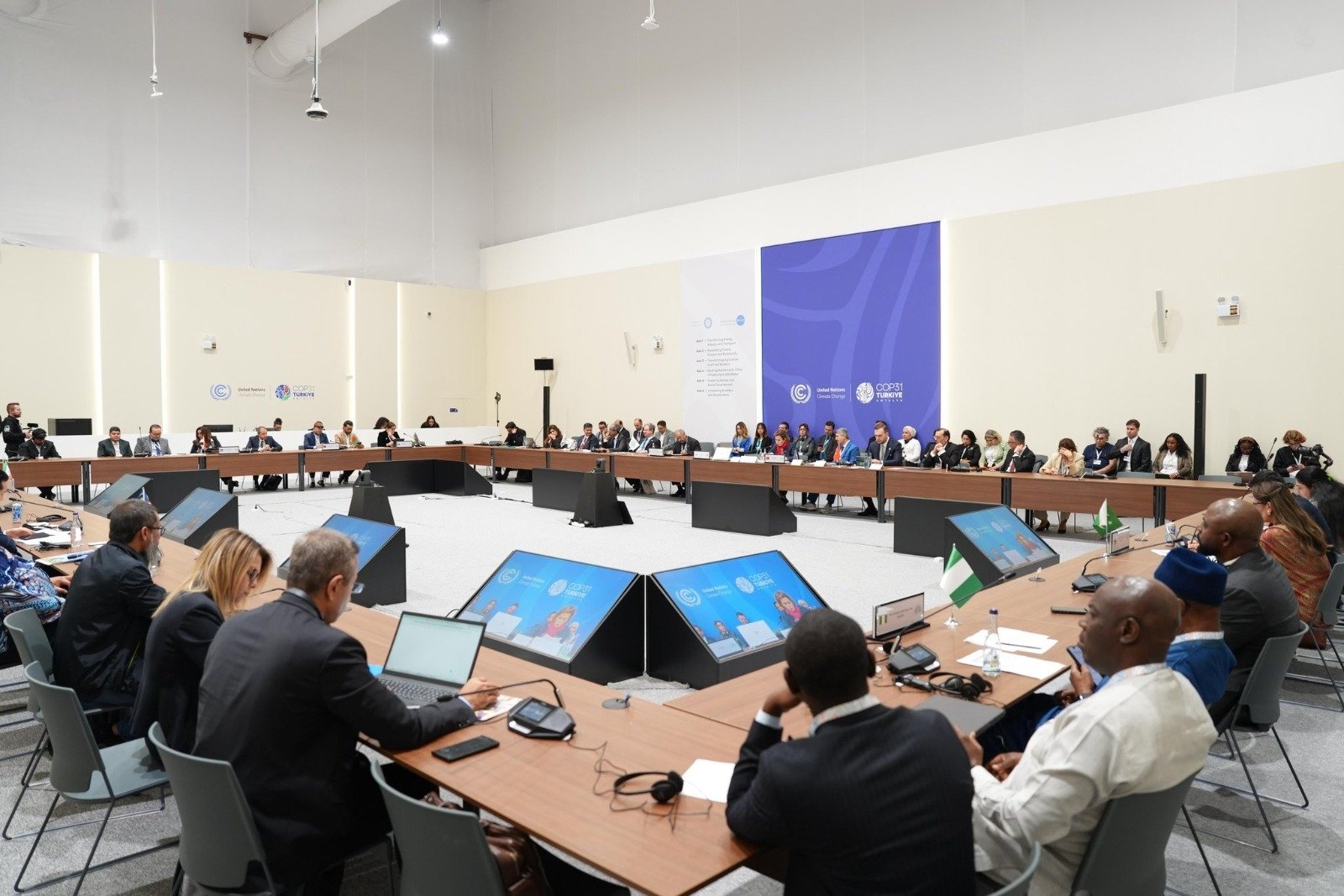
The special event took place within the framework of the D-8 High-Level Ministerial Session on Climate Action, bringing together representatives of member countries to discuss global initiatives, national policies and examples of good practices in zero waste and the circular economy.
Kurum delivered the opening and welcome address, while D-8 Secretary-General Ambassador Sohail Mahmood also addressed participants.
The programme included a presentation on Türkiye's global zero-waste and circular economy initiatives, followed by exchanges in which D-8 representatives were expected to share their countries' experiences, ongoing projects and successful practices.
The discussions emphasized opportunities to strengthen cross-border cooperation, expand zero-waste approaches and promote more sustainable production and consumption models.
Ağırbaş highlighted the role of international initiatives in embedding the zero-waste vision into everyday life, pointing to the Istanbul Zero Waste Action Platform, Zero Waste Regions and the One Billion Challenge as channels for advancing the movement.
He invited all D-8 member countries to join these efforts, exchange knowledge and establish lasting partnerships that can support the wider adoption of sustainable practices.
The meeting underscored the importance of coordinated action as countries seek to make more efficient use of resources, reduce waste generation and strengthen circular economy approaches across their economies.
The Zero Waste Foundation said the gathering was significant in demonstrating a shared commitment among D-8 countries to improve international knowledge-sharing and reinforce long-term cooperation on zero waste and the circular economy.