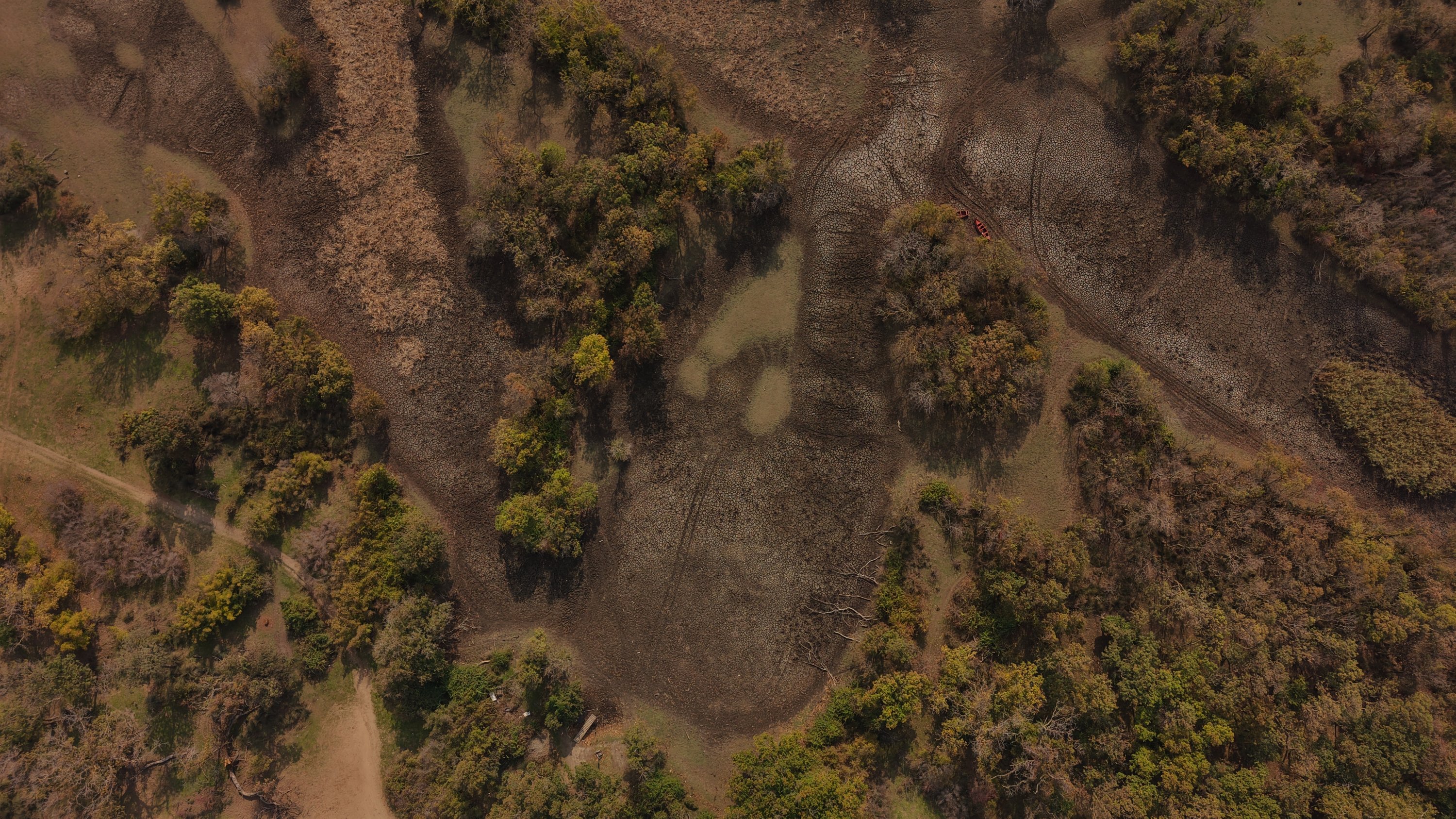
The Karacabey floodplain forest, Türkiye’s third-largest of its kind, located in the Karacabey district of northwestern Bursa province, has dried up due to severe drought, threatening one of the country’s most significant ecosystems.
The area, which is under the protection of the General Directorate of Nature Conservation and National Parks (DKMP), affiliated with the Ministry of Agriculture and Forestry, has been hit hard by prolonged heat and water scarcity following the depletion of nearby dams and lakes.
Following the drying up of the Nilüfer and Doğancı dams, which supply Bursa’s drinking water, and Gölbaşı Pond and Çınarlı Lake, which are vital for agricultural irrigation, the Karacabey Floodplain Forest has now met the same fate.
Once a thriving wetland, the forest is home to more than 270 bird species, as well as numerous plants, microorganisms and wildlife. Its drying poses a serious threat to the delicate ecological balance that sustains the region.
Formed by the convergence of numerous rivers in the southern Marmara region, the Susurluk River flows into the Marmara Sea, creating a unique landscape where multiple habitats coexist. Known for its high level of biodiversity, the floodplain forest stands out as one of Türkiye’s rarest natural formations, comparable to a few ecosystems even in Europe.
Among Türkiye’s four floodplain forests, Karacabey ranks as the third-largest of its kind in the country. It was naturally formed when sand carried by rivers accumulated at the coastline, creating a natural barrier that blocked river mouths and led to the buildup of water inland.
The floodplain forest supports a rich variety of plant species, including ash and alder trees, wild hyacinths, water violets and water lilies, as well as animals such as wild horses, buffalo and cows. It also provides essential nesting and feeding grounds for birds like flamingos, black storks and herons. The ecosystem’s survival, however, relies heavily on a continuous and abundant water supply.
This year’s hottest summer in 65 years has severely affected the habitat, leaving it dry and lifeless. Associate professor Efsun Dindar from the Department of Environmental Engineering at Bursa Uludağ University (BUÜ) said the disappearance of water in the forest represents a major loss for the ecosystem.
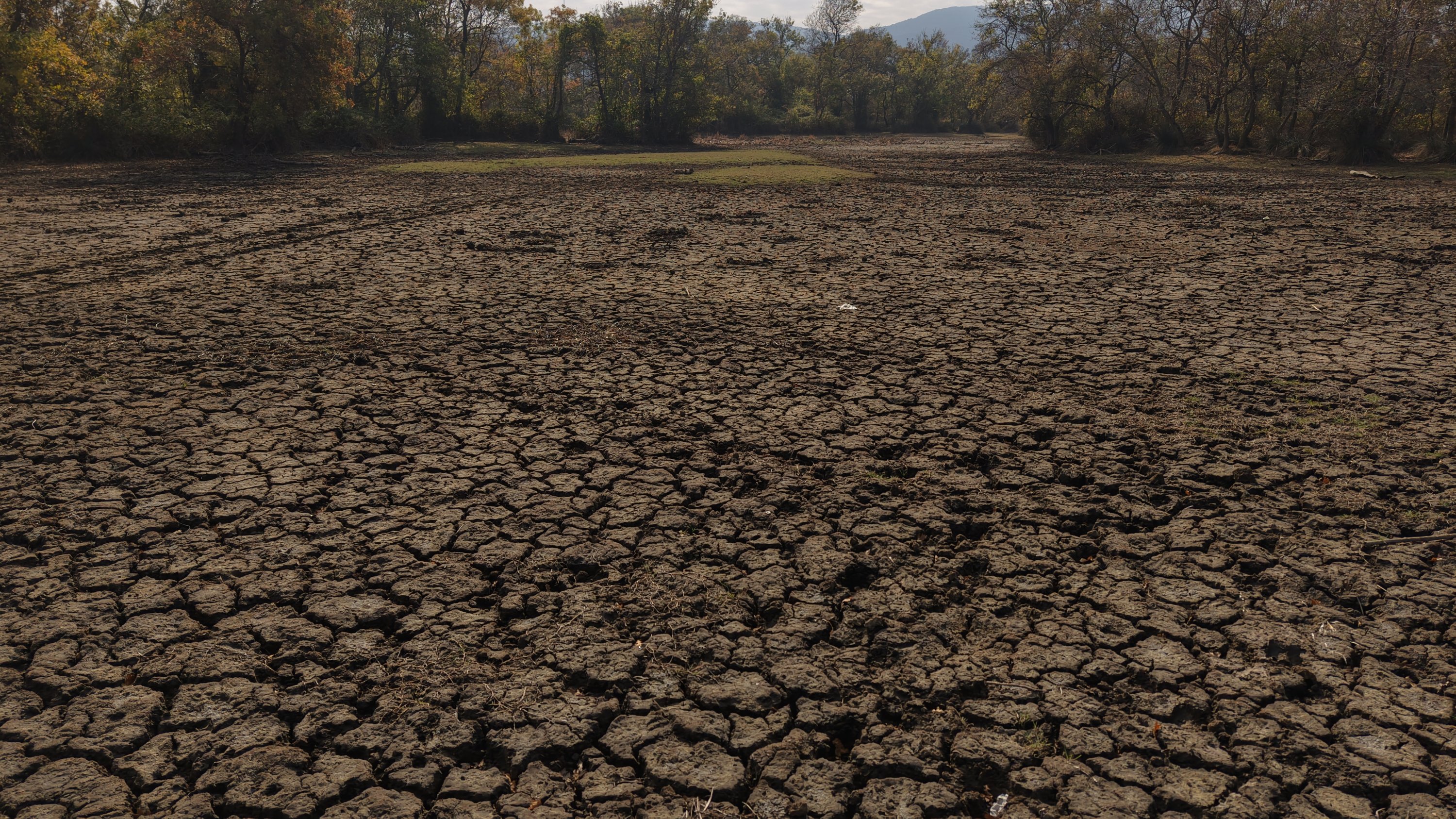
“The Karacabey Floodplain Forest is an extremely important wetland that supports over 270 bird species,” Dindar said. “It plays a critical role for birds, both as a migration and nesting area. With the waters receding completely, we are now witnessing the loss of a highly valuable habitat.”
She explained that under normal conditions, the soil in floodplain forests is covered with water in early spring, which gradually recedes in summer.
“But this time, the absence of water is absolute,” she said. “That’s a severe problem for the habitat and biodiversity. When the soil dries up, microorganisms, insects and other species that depend on aquatic environments cannot survive. Without water, the process of organic matter mineralization also stops, which means the ecological cycle breaks down. This is a major loss for the entire ecosystem.”
Dindar warned that unsustainable irrigation practices used in agriculture have further accelerated the forest’s decline.
“Like many other wetlands, this area faces immense pressure,” she said. “Improper land use, agricultural expansion and the effects of the climate crisis have all combined to push this unique ecosystem toward drought and destruction.”
She noted that many species in the area are entirely dependent on water, meaning they cannot survive when it disappears.
“Once the water is gone, the ecosystem that belongs here simply stops functioning,” she explained. “For birds, this means losing a crucial nesting and migration site. The lack of rainfall and reduced flow in the Susurluk Basin due to climate change are also intensifying the threat.”
Dindar added that the floodplain forest is not only ecologically valuable but also an important tourism destination, attracting nature lovers, birdwatchers and photographers, especially during the spring.
“It’s a rare and precious ecosystem,” she said. “But unfortunately, what we are witnessing today shows that it is under serious risk.”
Despite the grim situation, Dindar stressed that it is still possible to restore and protect the Karacabey forest, but urgent measures are required.
“First, we need timely and sufficient rainfall,” she said. “Without rain, the Susurluk Basin cannot feed the forest, which deepens the problem. At the same time, we must protect the surrounding agricultural lands and wetlands from pollution and excessive agricultural pressure.”
She emphasized the need for better water management policies, more sustainable agricultural irrigation methods, and stronger conservation measures to safeguard the remaining wetlands across Türkiye.