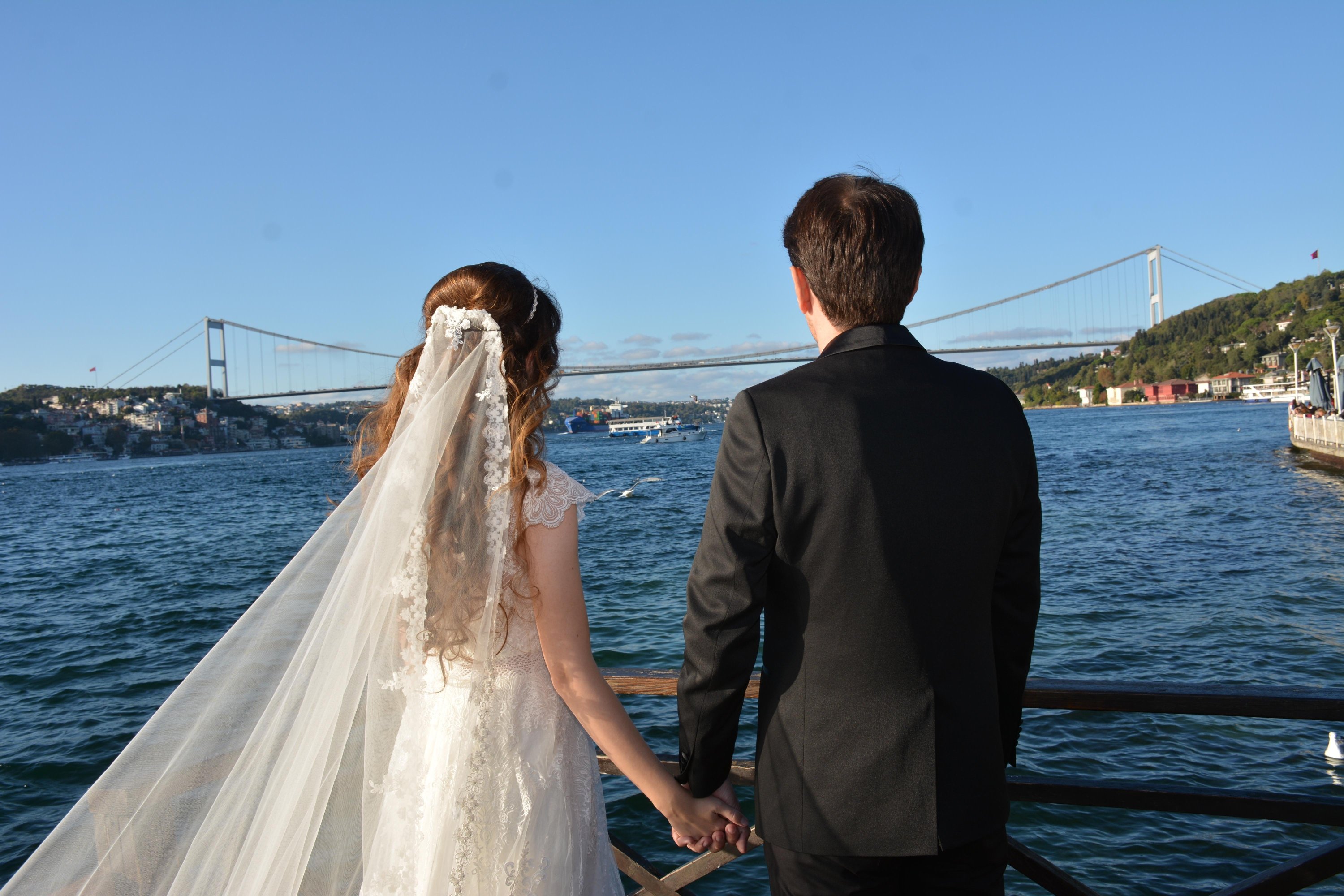
Bridal hair and groom grooming continue to hold a central place in wedding traditions across Türkiye, reflecting a blend of cultural heritage, evolving aesthetics and professionalized services as couples prepare for one of the most significant milestones of their lives.
For couples entering marriage, looking their cleanest and most refined on the wedding day remains a top priority. Bridal hair is widely seen as completing the spirit of the wedding dress, while the groom’s shave is regarded as a demonstration of maturity.
Beyond their visual function, bridal hair and groom grooming reflect broader social values and the cultural characteristics of the region in which the wedding takes place. Both elements are considered essential stages within the broader framework of marriage traditions, reinforcing continuity between past and present practices.
Historically, bridal hair styling was carried out by experienced women within neighborhoods. Today, with the professionalization of the beauty sector, hairstylists and makeup artists have taken on a leading role in shaping the bride’s appearance.
Bridal hair and makeup now serve not only aesthetic purposes but also signal prestige and personal identity. In parallel, the groom’s shave continues to symbolize entry into manhood and the acceptance of new responsibilities.
Shaped by a long trajectory of historical and cultural development from the Ottoman period to the present, bridal hairstyles are carefully designed to align with the wedding dress and facial features, often supported by a wide range of accessories.
Groom grooming, meanwhile, focuses on achieving harmony between hair, beard and overall appearance in coordination with the groom’s attire and facial structure.
While individual preferences can influence final decisions, both processes are ultimately guided by the shared objective of ensuring that couples look their best on what is widely considered one of the most important days of their lives.
Eda Yıldız Karadağ, head of the Bayrampaşa Chamber of Barbers and Hairdressers, said the sector continues to sustain wedding traditions while adapting to evolving consumer preferences.
She said hairdressers and barbers are part of couples’ most meaningful moments, adding that weddings are remembered not only for the ceremony but also for the preparations.
“Couples remember both the wedding and the time spent in salons and barber shops,” she said.
Karadağ noted that styles have shifted in recent years toward fresher, softer and more minimal looks, reflecting changing demand.
She emphasized that bridal hair and groom grooming require greater precision than routine services, as professionals must manage both technical execution and clients’ emotions.
Factors such as accessories, makeup tone, skin color and venue influence styling decisions, she said.
Karadağ added that pricing differences are driven by craftsmanship and brand reliability, with clients often paying for consistency and trust in the final result.
Hairdresser Ayten Velioğlu, with 17 years of experience, said bridal preparation requires advance planning, recommending bookings at least two months ahead due to high demand.
She noted that bridal hair and makeup typically take around three hours and are shaped through consultation, considering factors such as the wedding venue, dress, veil and accessories.
“Brides usually come with a general idea, but what matters most is whether the style suits their face and skin tone,” she said.
She added that accessories can influence pricing, as some brides bring their own while others select from options available at salons, which may involve additional costs. Pricing structures generally include hair, makeup and eyelashes, but can vary depending on brand recognition, service quality and the professional standing of the salon.
For many brides, the preparation process carries lasting emotional significance. Edanur Taşkın, preparing for a pre-wedding photoshoot ahead of her May wedding, described the experience as the realization of a long-anticipated moment.
She said she had been planning her wedding since her engagement the previous year and had booked her appointment two months in advance. Her hair and makeup took about one and a half hours to complete.
Taşkın said she had reviewed many hairstyle options but ultimately chose to rely on her stylist’s expertise to determine what suited her best.
“Not every style works for every face or hair type. I trusted my stylist, and I am very happy with the result,” she said.
She emphasized the long-term importance of wedding preparations, noting that photos taken on the day will serve as lasting memories for both the couple and their families.
“These are moments we will look back on years later and remember as special,” she said.
On the groom’s side, barbers describe the grooming process as a long-standing cultural practice with both symbolic and practical dimensions.
Kadircan Cin, who has been involved in the profession since childhood and has operated his own business for around eight years, said groom grooming continues to hold an important place in society.
He noted that the tradition dates back to the Ottoman era and has evolved over time with the integration of modern techniques and services.
Cin also referred to long-standing customs associated with groom grooming in barber shops, describing them as part of the cultural experience surrounding weddings.
“Some traditions are symbolic, such as joking that the razor may not cut or the shop may not open. These are part of the cultural narrative,” he said.
Today, groom grooming has expanded into a comprehensive service that includes hair styling, beard design, skincare, eyebrow shaping and additional personal care treatments such as manicure and pedicure.
Cin said the process is typically carried out by appointment, with reservations recommended at least two months before the wedding. The full grooming process generally takes around 3 hours.
He emphasized that groom grooming is not based on a single model but follows a structured process that may include trial sessions. Final decisions are made based on the groom’s facial features, posture, character and overall appearance.
Addressing pricing concerns, Cin said differences reflect professionalism and the effort required rather than arbitrary costs.
“Our goal is to ensure the groom experiences this day with minimal risk. The time and attention given define the value,” he said.
He added that the aim is to deliver a result that the groom will remember positively.
Customer Hüseyin Kaan Demir said he was satisfied with the service, noting his hairstyle was decided jointly with his barber and met his expectations.