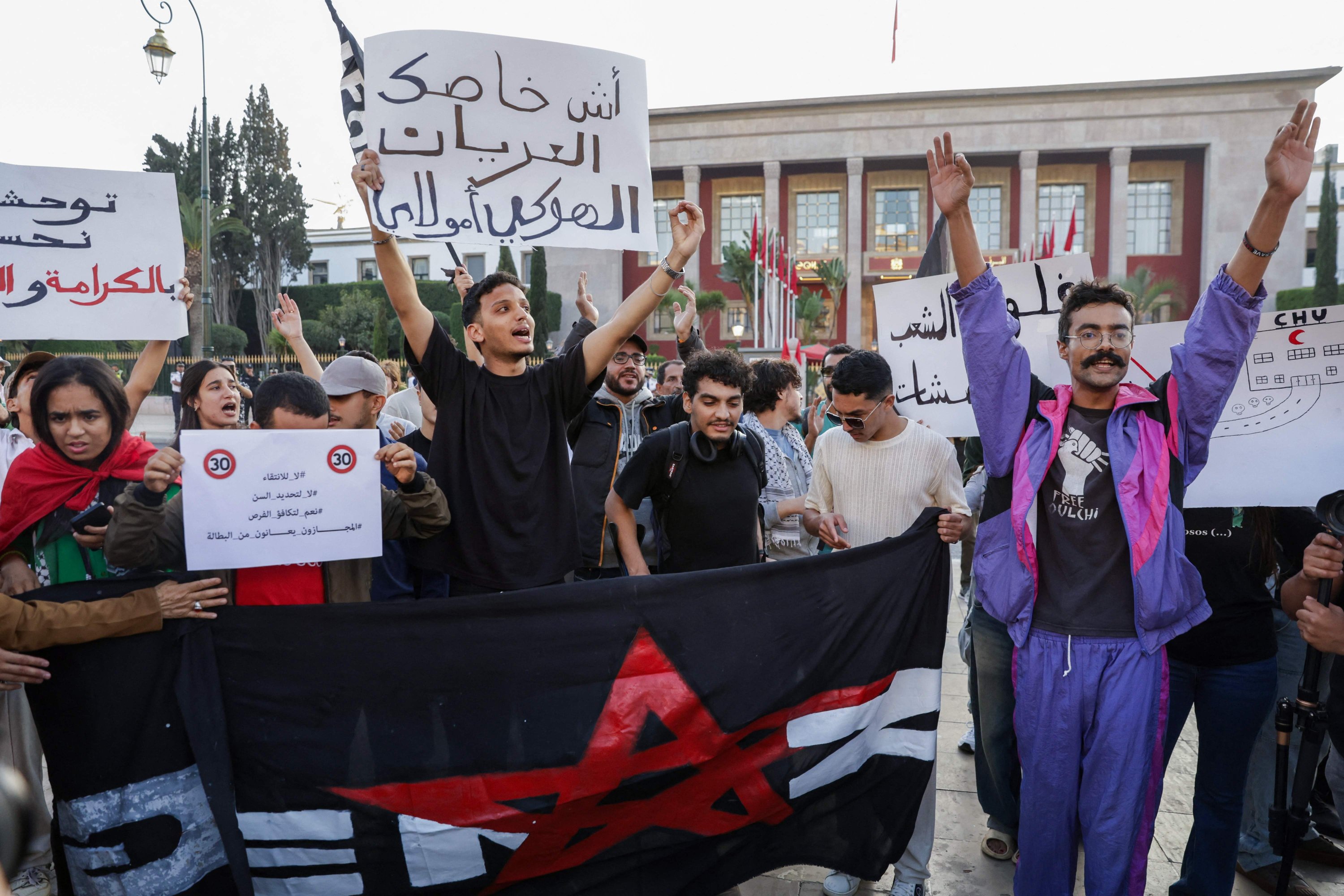
Morocco announced that it will allocate a budget of 140 billion dirhams, approximately $14 billion, to the education and health sectors in the coming year. This initiative will also include the creation of more than 27,000 positions aimed at strengthening the workforce in these two vital sectors.
The decision was made public in a statement from the Royal Cabinet on Sunday following a ministerial meeting chaired by King Mohammed VI in Rabat, devoted to reviewing the general guidelines of the draft Finance Bill for 2026.
According to the statement, “The focus in 2026 will be on reinforcing budgetary efforts dedicated to the health and education sectors, bringing the total allocation to 140 billion dirhams, along with the creation of over 27,000 jobs in these two fields.”
Regarding the health sector, the text notes that “priority will be given to improving the supply of health care infrastructure through the opening of the university hospital centers of Agadir and Laayoune, as well as the completion of construction and equipment works for the Ibn Sina University Hospital in Rabat.”
The statement further adds that construction works on the university hospital centers of Beni Mellal, Guelmim and Errachidia will continue, alongside the launch of a major program to rehabilitate and modernize 90 hospitals.
It further stated: “Emphasis will be placed on accelerating the implementation of the road map for educational reform, through the generalization of preschool education, the strengthening of pedagogical support mechanisms and the improvement of education quality.”
The communique also stresses that “special attention will be given, in this context, to the most vulnerable areas, particularly mountainous regions and oases, as well as to the sustainable development of the national coastlines and the expansion of the national program for the development of emerging rural centers.”
These initiatives come amid demonstrations organized by the Gen Z 212 movement, which has been calling for a comprehensive reform of the education and health systems, along with stronger measures to combat corruption and poor governance.