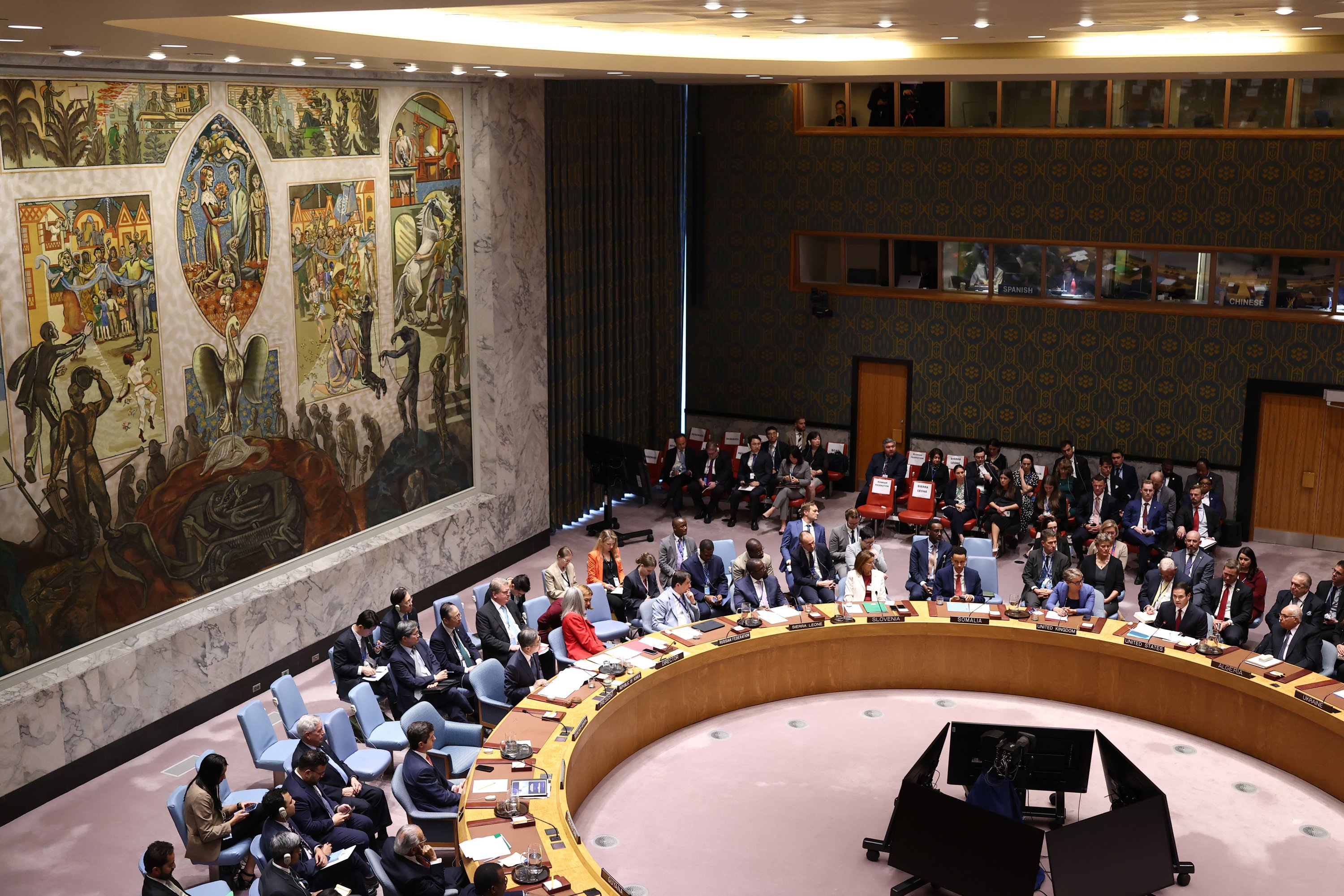
The U.N. Security Council on Friday approved a resolution endorsing Morocco’s sovereignty over the disputed Western Sahara, marking the strongest international backing yet for Rabat’s autonomy plan and aligning with the Trump administration’s long-standing position.
The U.S.-sponsored resolution, which passed with 11 votes in favor and three abstentions from Russia, China, and Pakistan, offers a major diplomatic win for Morocco and a shift in tone from previous U.N. actions. Algeria, the main supporter of the pro-independence Polisario Front, did not participate in the vote.
“The United States welcomes today’s historic vote, which seizes upon this unique moment and builds on the momentum for a long, long overdue peace in Western Sahara,” U.S. Ambassador to the U.N. Mike Waltz said following the decision.
The resolution refers to Morocco’s autonomy plan as the “basis for negotiation” and omits any mention of a long-discussed referendum on self-determination that could include independence — a move strongly opposed by Algeria, Russia, and China. It states that “genuine autonomy under Moroccan sovereignty could constitute a most feasible solution.”
In a rare televised address after the vote, King Mohammed VI hailed the decision as a “historic step” and pledged to expand on Morocco’s autonomy proposal while calling for dialogue with Algerian President Abdelmadjid Tebboune.
Polisario’s U.N. envoy Sidi Mohamed Omar thanked allies who abstained, stressing that “today’s resolution does not imply recognition of Morocco’s sovereignty over Western Sahara.” Algeria’s U.N. ambassador, Amar Bendjama, said the text showed “some improvement” but still had “a number of shortcomings.”
Western Sahara, a phosphate-rich desert roughly the size of Colorado, was a Spanish colony until 1975. Morocco and the Polisario Front have disputed control ever since, with Morocco now governing most of the region and Polisario operating from refugee camps in southwestern Algeria.
The vote also renewed the U.N. peacekeeping mission in Western Sahara for another year — a mission initially established in 1991 to oversee a ceasefire and organize a referendum on self-determination that never materialized.
The decision follows renewed U.S. engagement in the region. Earlier this month, U.S. special envoy Steve Witkoff said on CBS’ 60 Minutes that peace between Morocco and Algeria could be reached within 60 days, while senior adviser Massad Boulos reaffirmed American support for Morocco’s plan in an interview with Sky News Arabia.
Demonstrations broke out this week in Sahrawi refugee camps in Algeria, where protesters condemned the U.N. decision and vowed to continue their struggle for independence.
Morocco, which controls nearly all of Western Sahara except a narrow “free zone” east of a defensive sand wall, has invested heavily in the area with infrastructure projects, including a deepwater port and a 1,055-kilometer highway. Polisario withdrew from the 1991 ceasefire in 2020, accusing Morocco of violating the terms, and intermittent clashes have continued since.
The Trump administration’s broader policy shift – emphasizing regional stability and strategic alliances over nation-building or human rights promotion – has shaped Washington’s U.N. approach. U.S. officials have signaled plans to reassess funding for peacekeeping operations and U.N. agencies, arguing for a more selective, results-based engagement aligned with national interests.