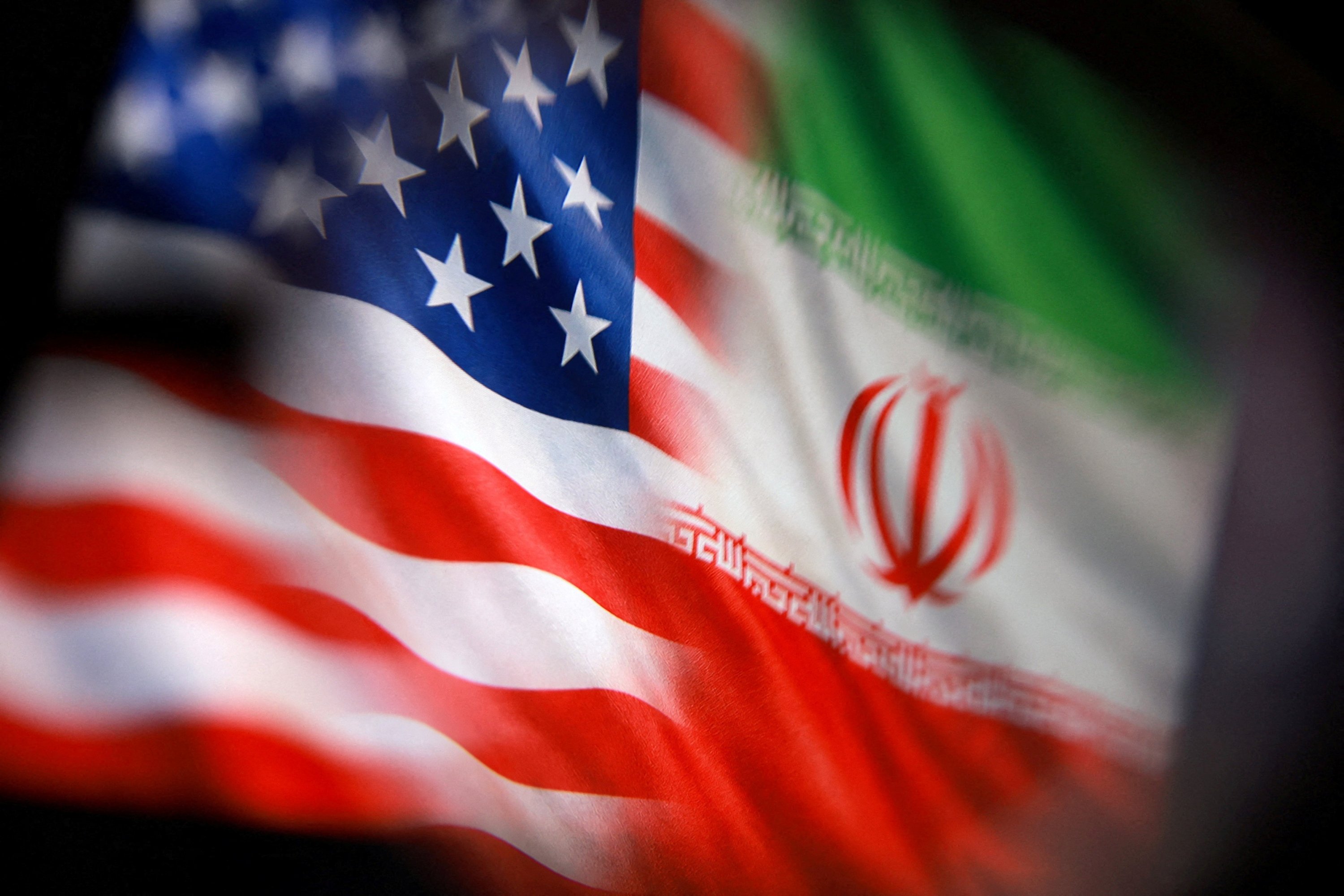
U.S. and Iranian negotiators on Thursday agreed on a broad but still unfinalized framework to extend their fragile cease-fire by 60 days and reopen the Strait of Hormuz to commercial shipping, a potential breakthrough that remains stalled at the highest political levels in Washington and Tehran and is already being tested by renewed military exchanges.
The emerging understanding, described by multiple sources familiar with the talks, is designed to prevent a return to full-scale conflict while locking both sides into a structured negotiating period focused on the war’s most sensitive issues, including Iran’s nuclear program, sanctions relief and maritime security guarantees.
If approved by President Donald Trump and Iran’s leadership, it would mark the most substantial de-escalation effort since fighting began on Feb. 28.
At its center is the reopening of the Strait of Hormuz, a narrow passage that under normal conditions carries roughly a fifth of global oil and liquefied natural gas flows.
The draft framework would restore freedom of navigation, prohibit any Iranian attempt to impose transit tolls, and require the removal of mines laid in the waterway within 30 days.
It also calls for the establishment of monitoring arrangements to ensure uninterrupted passage of commercial shipping.
In return, the United States would begin easing parts of its naval blockade on Iranian ports and gradually relax sanctions on Iranian oil exports, a shift that could quickly ripple through global energy markets.
Traders have already reacted to the possibility of restored flows, with oil prices softening on expectations that supply disruptions could ease if the agreement survives political approval.
Yet even as the contours of a deal take shape, officials caution that nothing is locked in. Iranian state media has said no final text exists, while U.S. Vice President JD Vance described the process as fluid and dependent on unresolved technical and political questions.
“We’re going back and forth on a couple of issues on the nuclear stuff, the highly enriched stockpile, and also the question of enrichment,” Vance said, noting that approval from President Trump remains uncertain and that negotiators are still adjusting language.
The nuclear dimension remains the most difficult and politically charged element of the talks. Iran continues to insist its program is peaceful, but Western officials are focused on its accumulation of highly enriched uranium, which has reached levels close to weapons-grade thresholds. One of the key unresolved questions is what happens to Iran’s existing stockpile, with options under discussion reportedly ranging from international custody to transfer through third countries such as China or Russia, though no agreement has been reached.
Complicating matters further is the sequencing of sanctions relief versus nuclear compliance. U.S. officials are pressing for verifiable limits and strict monitoring before any broad easing of economic pressure, while Iran is demanding upfront relief and guarantees that restrictions will not be reinstated once concessions are made.
On the ground, the cease-fire remains under strain. U.S. Central Command said American forces recently intercepted Iranian drones and struck a ground control station in Bandar Abbas that was preparing additional launches. Kuwait reported shooting down incoming missiles and drones and accused Iranian-linked forces of carrying out the attacks, calling them a serious escalation that threatens regional stability.
Iranian officials said they retaliated by targeting a U.S. base in the Gulf region, framing the response as proportional and defensive. The exchange marked one of the most serious flare-ups since the cease-fire began in April and reinforced how quickly localized incidents can escalate into wider confrontation.
A U.S. official said the strikes carried out by American forces were defensive and intended to maintain the cease-fire rather than expand the war. Still, the pattern of rapid retaliation has exposed how fragile the truce remains and how limited the trust is between both sides.
Beyond the immediate U.S.-Iran track, the conflict continues to spill into surrounding theaters. Iran has linked any broader settlement to an end to Israeli military operations targeting Hezbollah in Lebanon, where Israeli airstrikes have continued in southern regions and parts of Beirut. The widening scope of the conflict has made it harder for negotiators to isolate a single diplomatic track.
Regional diplomacy is also moving in parallel. Pakistan has positioned itself as a potential intermediary, with senior officials expected to meet U.S. counterparts in Washington, although the influence of those efforts remains unclear and largely supportive rather than decisive.
Even as negotiations continue, both sides are maintaining pressure. The United States has imposed additional sanctions targeting Iran’s oil export networks, while Iran has continued limited maritime disruptions and maintained a reduced but ongoing presence in the Strait of Hormuz, where commercial traffic remains well below prewar levels.