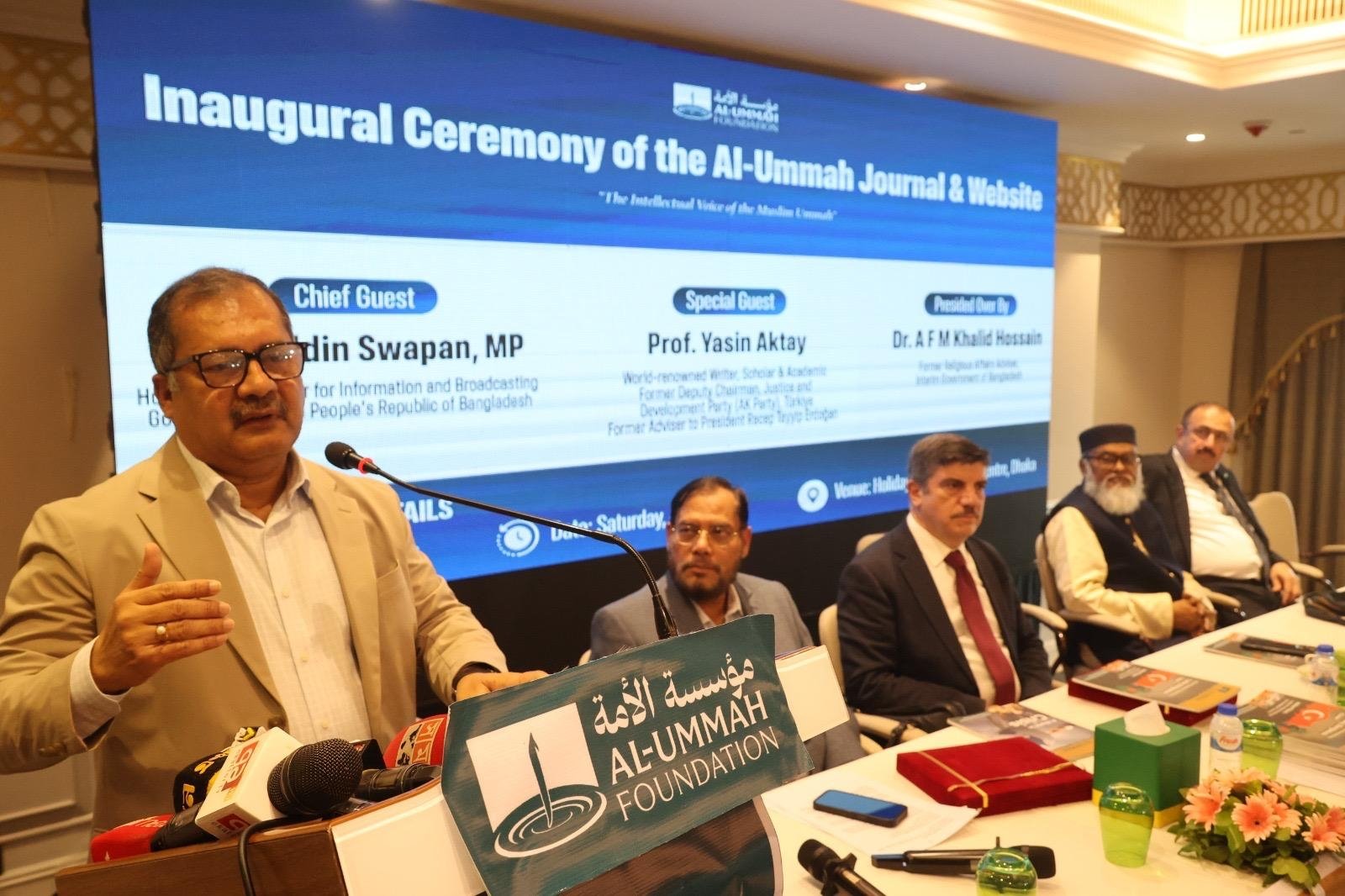
Al-Ummah, a new multilingual journal and digital platform aimed at promoting research-driven policy discussions and strengthening intellectual cooperation across the Muslim world, was launched last week in Bangladesh, with organizers positioning it as a global forum to counter misinformation and foster evidence-based dialogue.
The Al-Ummah Foundation unveiled the platform at a ceremony in Dhaka, saying it will publish content in Bengali, English, Arabic and Turkish while bringing together researchers, academics, policymakers, journalists and young scholars to address geopolitical, economic, technological and cultural issues.
Bangladesh Information and Broadcasting Minister Zahir Uddin Swapan, who was the chief guest at the event, said the rapid expansion of digital communication has created opportunities but also fueled misinformation and social polarization.
"In the current digital era, while the free flow of information has created new possibilities, it has also increased the risks of confusion, misinformation and social division," Swapan said.
"The need for credible intellectual initiatives built on the foundation of knowledge, morality and responsible engagement is greater than ever," he added.
He said the platform could help strengthen knowledge-based dialogue between Bangladesh and the international community while promoting coexistence despite differing views.
Among the keynote speakers was Yasin Aktay, a Turkish academic and former adviser to Turkish President Recep Tayyip Erdoğan, who said the Muslim world must better connect its intellectual heritage with contemporary policymaking.
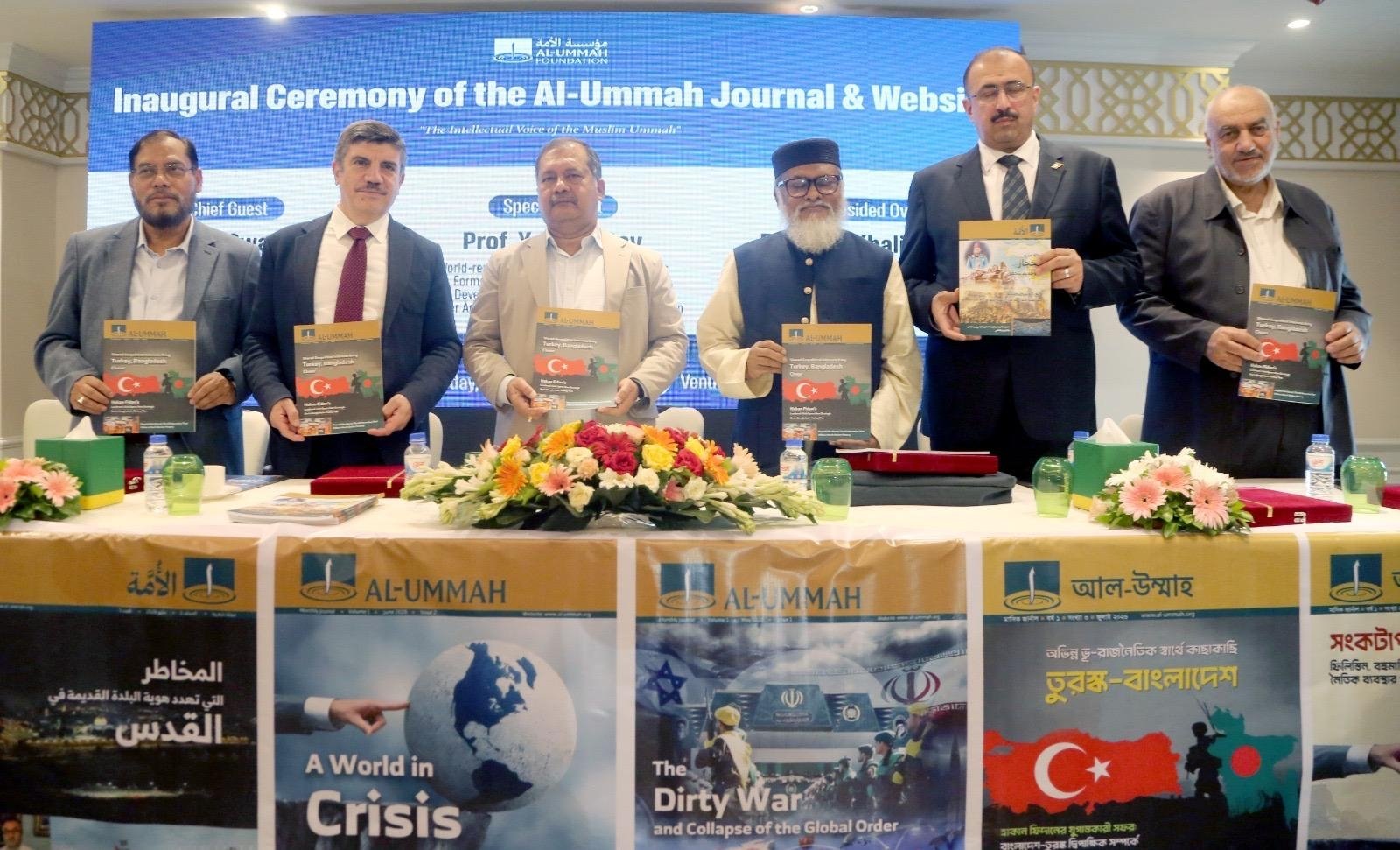
"One of the biggest challenges for Muslim society today is to create an effective bridge between knowledge, research and practical policymaking," Aktay said.
He added that initiatives such as Al-Ummah could help build "a conscious, united and intellectually enriched Muslim society" through research, intercultural dialogue and cooperation.
A F M Khalid Hossain, Bangladesh's former religious affairs adviser, said growing political, economic and technological challenges, including advances in artificial intelligence, require "knowledge-based leadership and responsible research."
Mohammed Zakir Hossain, chairman of the Al-Ummah Foundation and the platform's editor-in-chief, said the initiative seeks to strengthen the Muslim world's intellectual voice through research rather than ideology.
"We do not claim to change the world overnight," he said. "We believe that permanent and positive change begins through knowledge, constructive dialogue and responsible journalism."
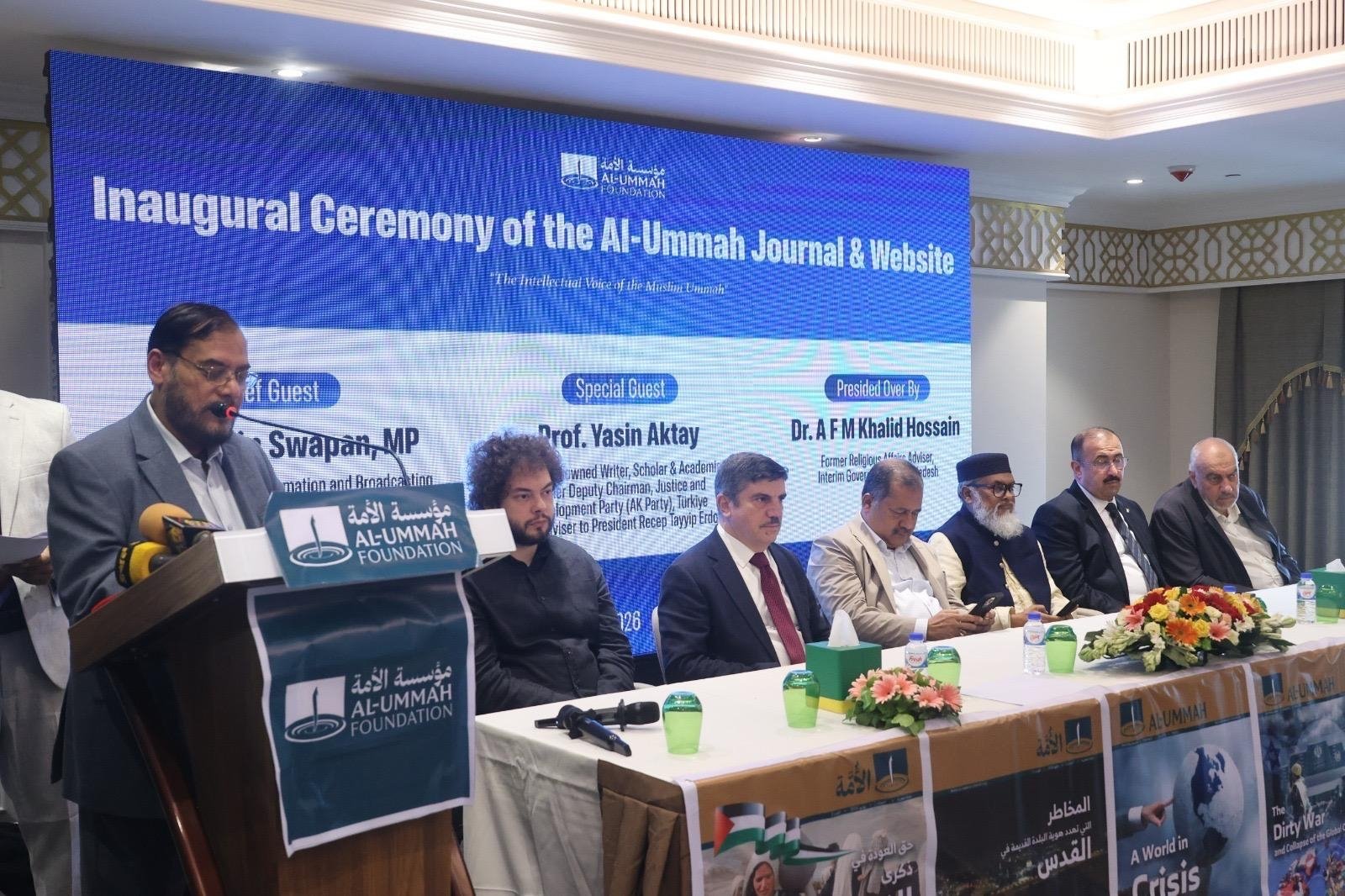
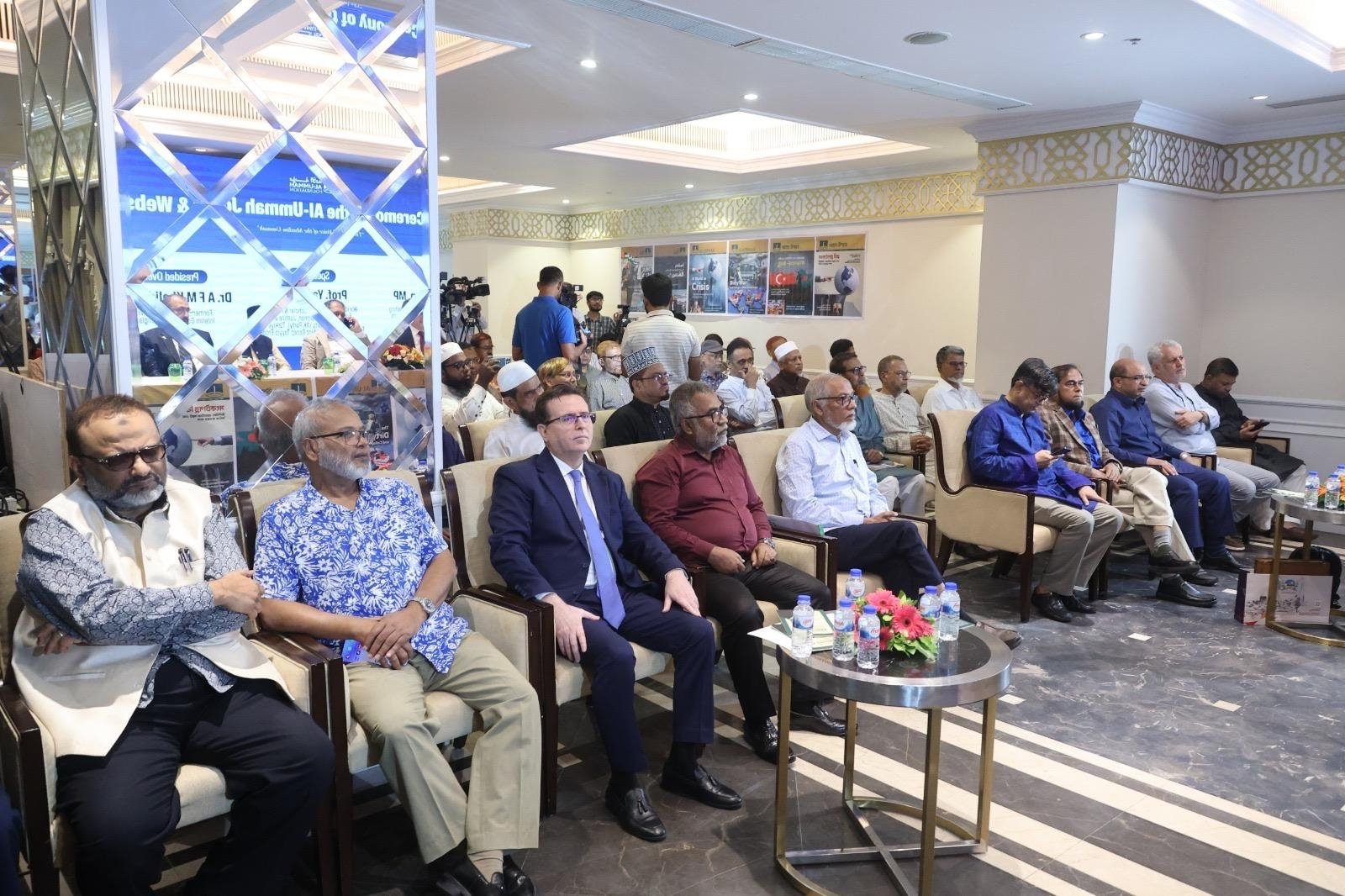
The launch brought together academics, policy experts and media professionals from several countries. Discussions focused on the Muslim world's intellectual leadership, information credibility in the age of generative AI, education reform, Islamic finance, technology-driven knowledge production and strategic cooperation among member states of the Organization of Islamic Cooperation (OIC).
Speakers said stronger collaboration in research, responsible media and technology will be essential to promoting sustainable development, peace and intellectual leadership.
Organizers said the platform will publish research papers, policy analyses, opinion articles and special reports on international affairs, with plans to expand into additional languages to broaden global knowledge exchange.
They added that the long-term goal is to establish Al-Ummah as an international hub for evidence-based discussion, helping shift discourse on the Muslim world from emotional debate toward rigorous research and informed policymaking.