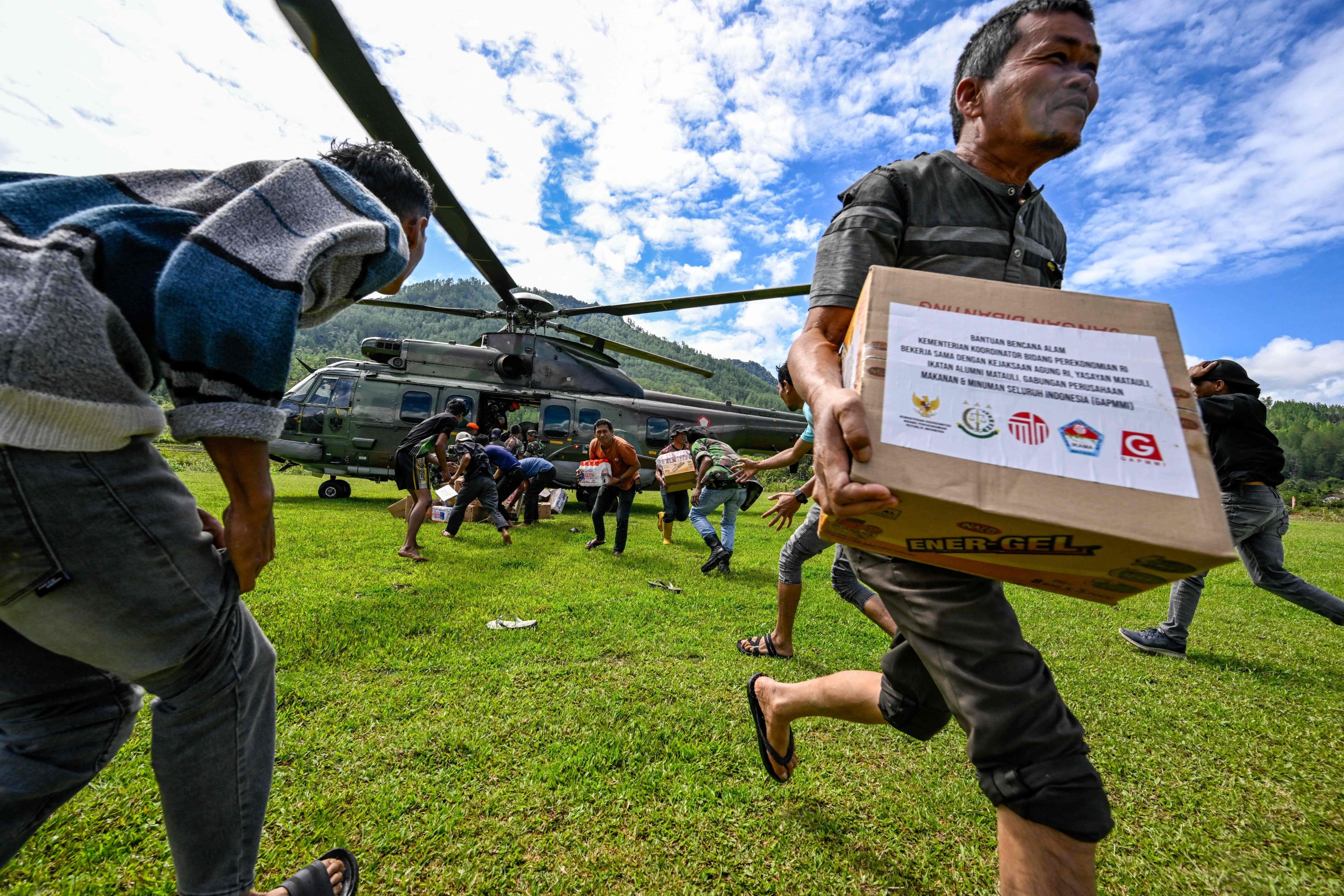
Flood-ravaged regions of Indonesia are grappling with severe food and medical shortages after days of relentless storms that have killed hundreds, authorities said, as rescue teams deployed elephants on Monday to help clear massive piles of debris.
Tropical storms and monsoon rains have hammered Southeast and South Asia throughout the month, unleashing landslides and flash floods from the rainforests of western Sumatra to the highland estates of Sri Lanka.
“Everything is lacking, especially medical personnel. We are short on doctors,” Aceh Gov. Muzakir Manaf told reporters late Sunday.
Indonesia’s national disaster agency said 961 people have died across Aceh, North Sumatra and West Sumatra, with 293 still missing. More than 1 million residents have been forced from their homes.
Sri Lanka’s military, meanwhile, deployed thousands of additional troops to aid recovery efforts after a devastating cyclone caused widespread destruction and killed 635 people.
In Pidie Jaya, a district in Indonesia’s Aceh province badly affected by the floods, four elephants from a nearby training center lifted large pieces of rubble with their trunks and helped move stranded vehicles.
“We brought four elephants to clear the debris from the houses of the communities that were swept away by the flood,” Hadi Sofyan, head of a local conservation agency, told AFP.
“Our target is to clean the debris near the residents’ houses so they can access their homes,” he said, adding that the elephants would be used for the rest of the week.
The downpours and subsequent landslides across western Indonesia have injured at least 5,000 people and devastated infrastructure, including schools and hospitals.
In the city of Banda Aceh, long lines formed for drinking water and fuel, and prices of basic commodities such as eggs were soaring, an AFP correspondent said.
Rebuilding the affected regions could cost up to 51.82 trillion rupiah ($3.1 billion), the BNPB said late Sunday.
In Sri Lanka, more than 2 million people – nearly 10% of the population – have been affected by Cyclone Ditwah, the worst storm to hit the island this century.
Sri Lanka is expecting further heavy monsoon rains this week, topping 5 centimeters in many places, the Disaster Management Centre said. It issued warnings of additional landslides.
Army chief Lasantha Rodrigo said 38,500 security personnel have been deployed to bolster recovery and cleanup operations in flood-hit and landslide-affected areas, nearly doubling the initial deployment.
“Since the disaster, security forces have been able to rescue 31,116 people who were in distress,” Rodrigo said in a statement.
President Anura Kumara Dissanayake announced a recovery package offering 10 million rupees ($33,000) for victims to purchase land in safer areas and rebuild.
The government will also provide livelihood support and cash assistance to replace basic household items and buy food.
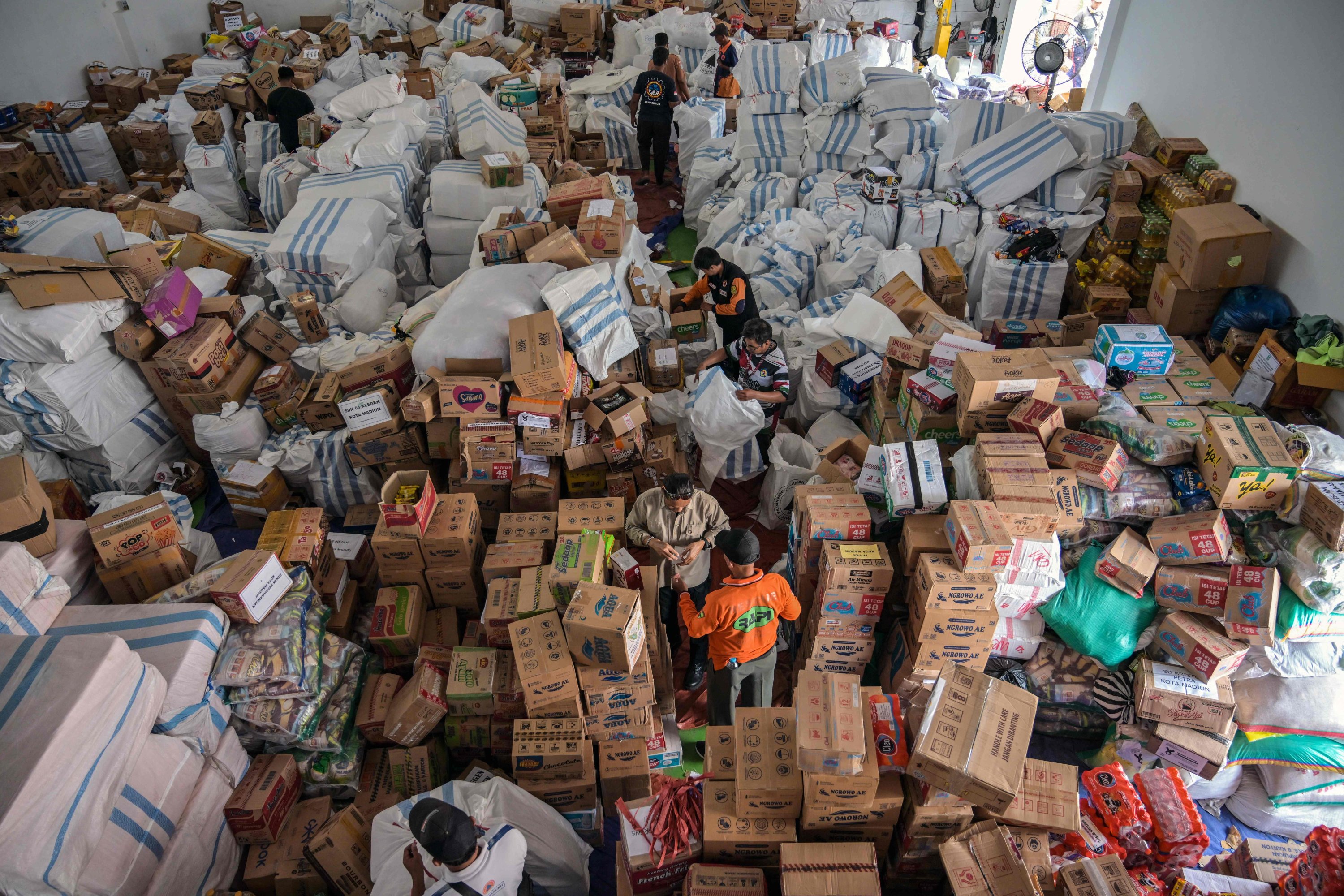
It is unclear how much the relief package will cost the government, which is still emerging from a 2022 economic meltdown when it ran out of foreign exchange reserves to finance even essential imports.
Dissanayake has said the government cannot fund reconstruction alone and has appealed for foreign assistance, including from the International Monetary Fund.
Seasonal monsoon rains are a staple of life in South and Southeast Asia, flooding rice fields and nourishing crops. But climate change is making the pattern more erratic, unpredictable and deadly across the regions.