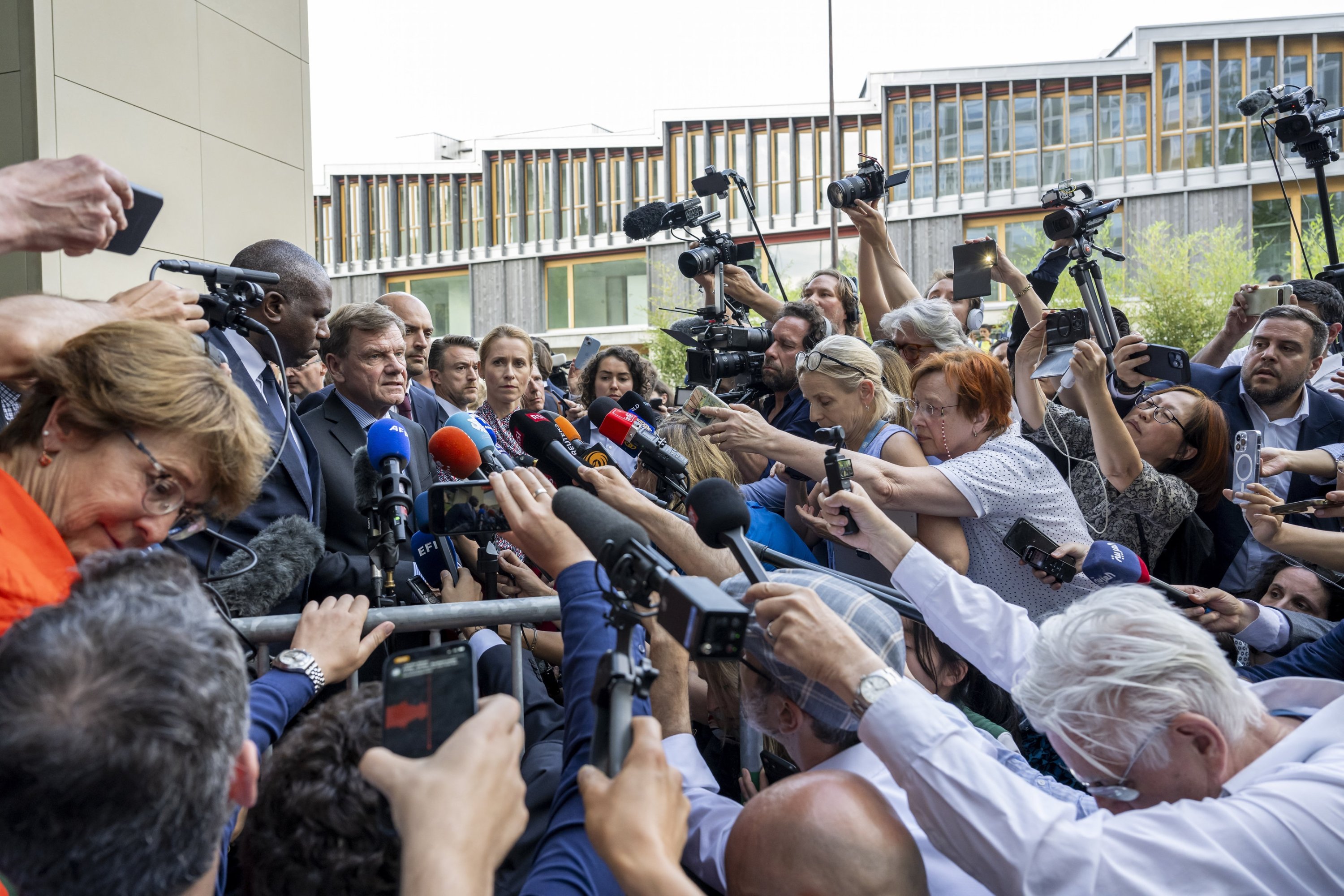
Top European diplomats on Friday pushed for sustained diplomatic engagement with Iran, warning that the ongoing military escalation risks spiraling into a broader regional conflict.
Following high-level talks in Geneva, foreign ministers from the U.K., France, Germany and EU foreign policy chief Kaja Kallas met with Iranian Foreign Minister Abbas Araghchi in a renewed attempt to de-escalate tensions and revive negotiations over Tehran's nuclear program.
The meeting came after Israel launched strikes on Iran’s nuclear and military facilities on June 13, triggering retaliatory attacks from Tehran. The tit-for-tat strikes have fueled fears of a wider war.
"Regional escalation benefits no one," said Kallas. "We agreed to keep all discussions open, not only on the nuclear file but on broader concerns."
U.K. Foreign Secretary David Lammy urged Iran to remain engaged in diplomacy. "This is a perilous moment. We urge Iran to continue its talks with the United States," he said.
French Foreign Minister Jean-Noel Barrot said the Geneva initiative was closely coordinated with the U.S., Israel and regional actors. "We believe diplomacy remains the path forward and expect Iran to show readiness for meaningful dialogue," he noted.
German Foreign Minister Johann Wadephul described the talks as serious and constructive. "The Iranian side appeared fundamentally willing to continue discussions," he said, adding that U.S. participation is crucial.
Wadephul reiterated Berlin's concerns over Iran’s nuclear ambitions. "Safeguarding Israel’s security remains a top priority for Germany," he said.
U.S. President Donald Trump, who withdrew from the 2015 nuclear deal in 2018, said Thursday he would decide within two weeks whether Washington will support Israeli strikes on Iran. Tehran insists its nuclear program is for peaceful purposes.