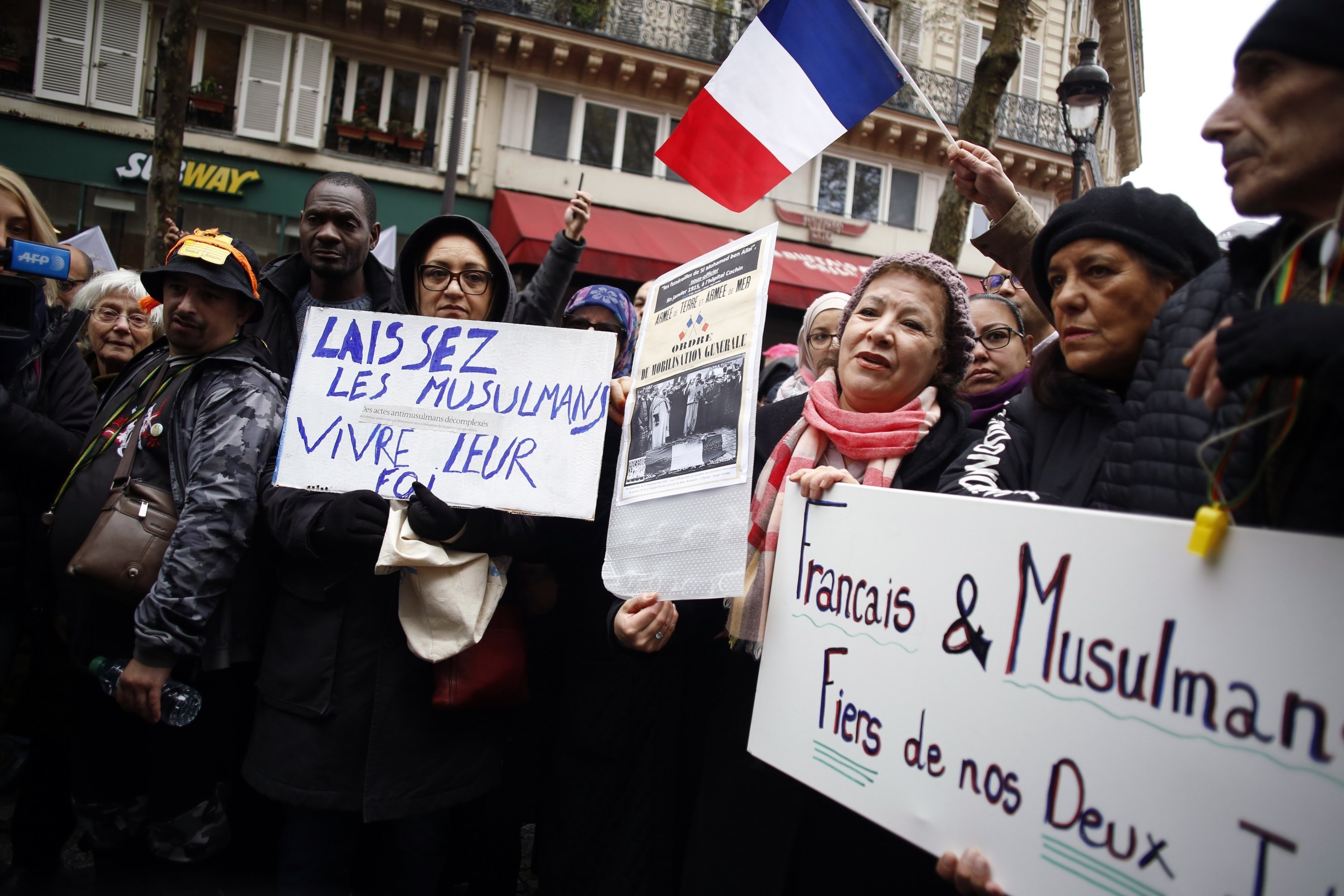
A lack of political recognition is undermining efforts to combat Islamophobia in Europe, with the issue driven by political elites rather than society at large, a panel at the U.N. Human Rights Council heard.
Speaking at a panel organized by COJEP International, a French-based civil society organization, Professor Enes Bayraklı described the issue as a political problem driven by elites rather than society at large.
He said many European leaders avoid using the term Islamophobia, opting instead for phrases like anti-Muslim hate, which he argued fails to capture the scale of the issue.
"What we are facing is anti-Muslim racism," he said, stressing that proper acknowledgment is essential for meaningful solutions.
While noting some progress, including the U.N.’s designation of March 15 as the International Day to Combat Islamophobia, Bayraklı said European initiatives remain insufficient.
He pointed to the appointment of coordinators at the EU and Council of Europe level, but said their impact has been limited.
He also highlighted a lack of systematic data collection, noting that only 12% of Muslims report Islamophobic incidents to authorities, according to a 2016 study, often due to a lack of awareness of reporting mechanisms or fear of further victimization.
Without political recognition, he warned, there can be no effective policy response or national action plans.