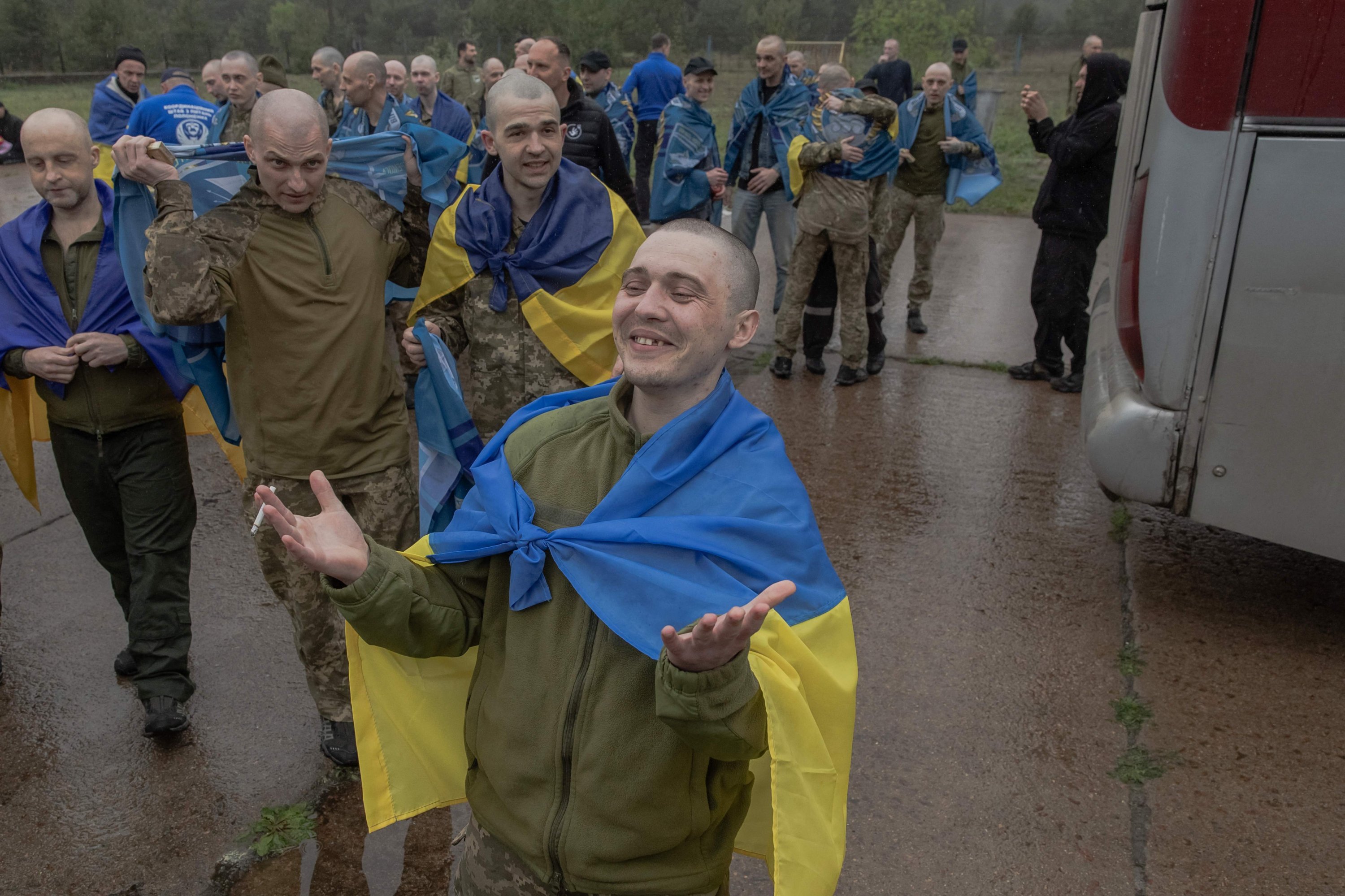
Russia and Ukraine conducted a prisoner swap of 205 servicemen each on Friday, even as the war escalated with renewed mass drone and missile strikes across Ukraine, underscoring the narrow channels of cooperation that persist alongside intensifying battlefield violence.
The Russian defence ministry said 205 Russian servicemen were returned from Ukrainian-controlled territory, while an equal number of Ukrainian prisoners of war were handed over in exchange.
Moscow said the returning troops were taken to Belarus for medical checks and psychological support, adding that the United Arab Emirates played a humanitarian role in facilitating the transfer.
The exchange follows statements last week by U.S. President Donald Trump, who announced plans for a broader 1,000-prisoner swap as part of a U.S.-brokered cease-fire initiative linked to Russia’s May 9 commemorations.
While that proposal raised hopes of limited de-escalation, implementation has remained partial and inconsistent.
The prisoner release came against a backdrop of competing claims over a temporary truce that both Kyiv and Moscow accused the other of violating.
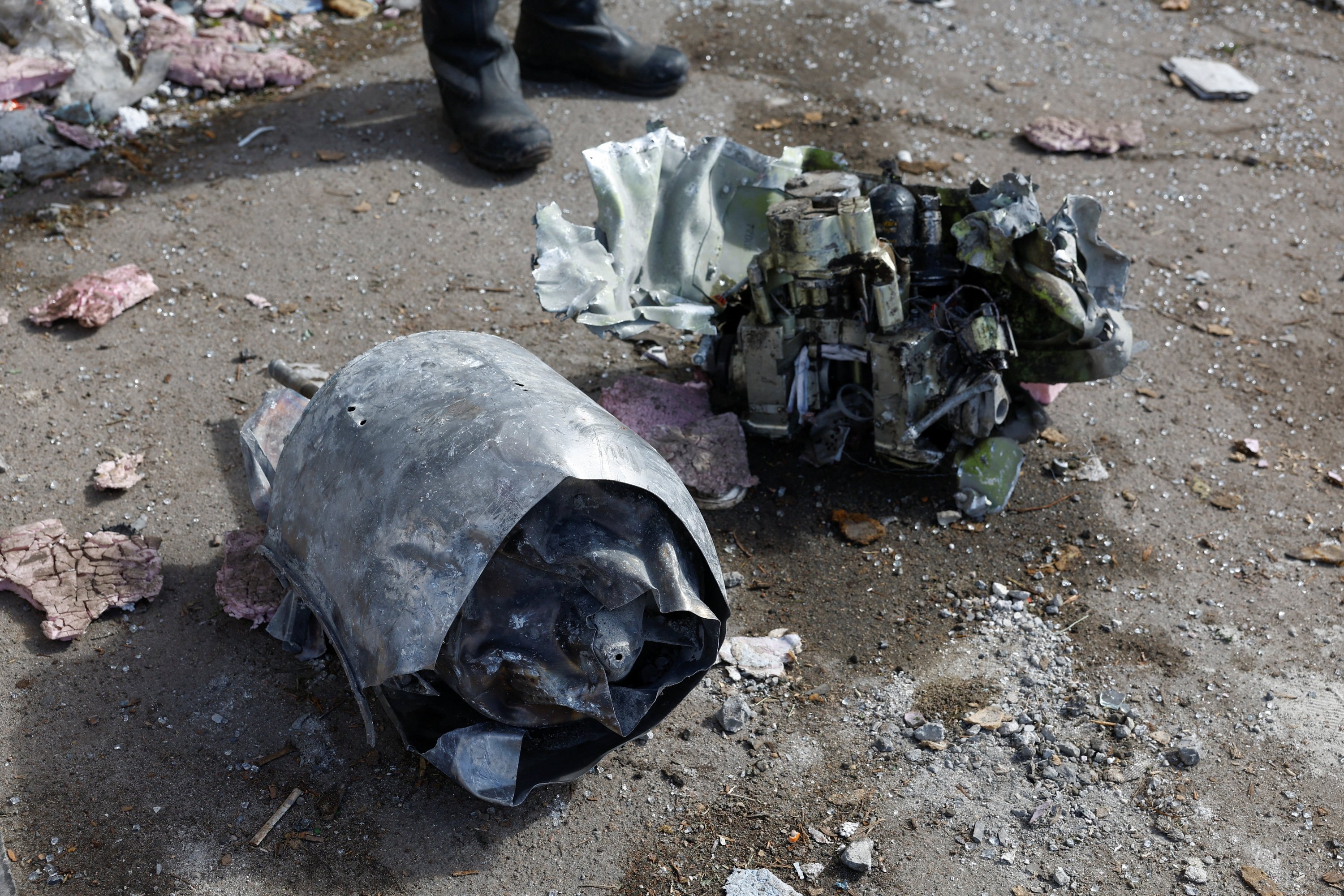
Ukraine reported continued attacks on civilian infrastructure after the cease-fire window expired, while officials said earlier strikes had already killed at least 24 people in Kyiv on Thursday.
The exchange of detainees remains one of the few functioning areas of engagement between the two sides since Russia’s full-scale invasion of Ukraine in February 2022.
Broader diplomatic efforts, including U.S.-led initiatives, have yet to produce sustained reductions in hostilities.
Ukrainian President Volodymyr Zelenskyy said Russia had launched more than 1,567 drones since Wednesday, part of what Kyiv described as one of the most intense aerial bombardment waves in recent months.
He said Kyiv was the primary target of overnight strikes involving drones and missiles that hit residential districts and critical infrastructure.
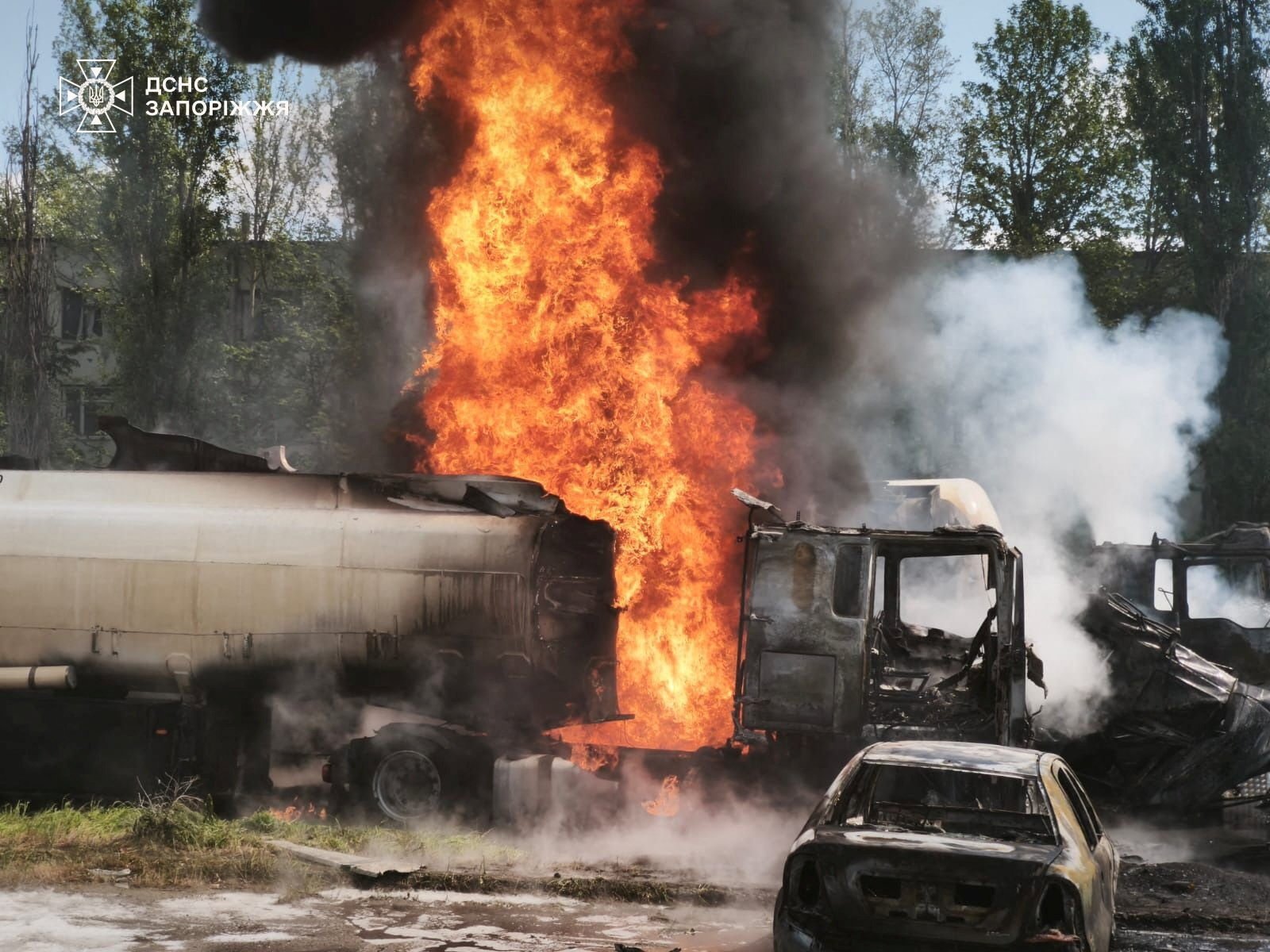
Ukraine’s State Emergency Services reported at least 21 deaths in the capital, including children, while Mayor Vitali Klitschko declared a day of mourning.
Rescue teams continued working through destroyed apartment blocks, with emergency crews searching debris for survivors well into Friday.
Across Ukraine, officials said more than 1,500 rescue workers were deployed, with damage reported at 180 sites including over 50 residential buildings.
Power outages spread across 11 regions, while transport networks and port infrastructure in Odesa were also hit, further straining wartime logistics.
In Kharkiv, regional authorities reported 28 injuries, including children, after strikes on civilian areas.
In Kherson, a UN humanitarian vehicle was struck during operations, Ukrainian officials said, highlighting the risks facing aid missions in active conflict zones.
There was no immediate comment from Moscow on the latest wave of strikes.
Russian President Vladimir Putin has previously said the war was “coming to an end,” a claim Ukrainian officials reject as continued large-scale attacks persist.
Ukraine’s foreign minister Andrii Sybiha said the timing of the assaults, amid global diplomatic activity, showed Moscow had no intention of easing its military campaign.
He urged stronger international pressure, arguing that key global powers still held leverage to push for an end to the war.