Explosions rattled Kabul before sunrise Sunday as tensions along the Afghan-Pakistani border spiraled into one of the region’s heaviest confrontations in years.
The Taliban government said air defense strikes were launched against Pakistani aircraft over the capital, following renewed cross-border attacks and weeks of escalating hostilities.
Afghanistan’s Defense Ministry confirmed the strikes, saying Pakistani jets targeted Kabul, including the area north of Bagram Air Base.
Residents described the blasts as intense, shaking buildings and sending plumes of smoke into the sky. "It was terrifying," one unnamed resident told Agence France-Presse (AFP), recalling the dawn raid that left central Kabul on edge.
Taliban spokesperson Zabihullah Mujahid assured residents there were no casualties from the counterstrikes.
The flare-up began Thursday when Afghan forces launched an offensive along the border, prompting Pakistani retaliatory strikes from both land and air.
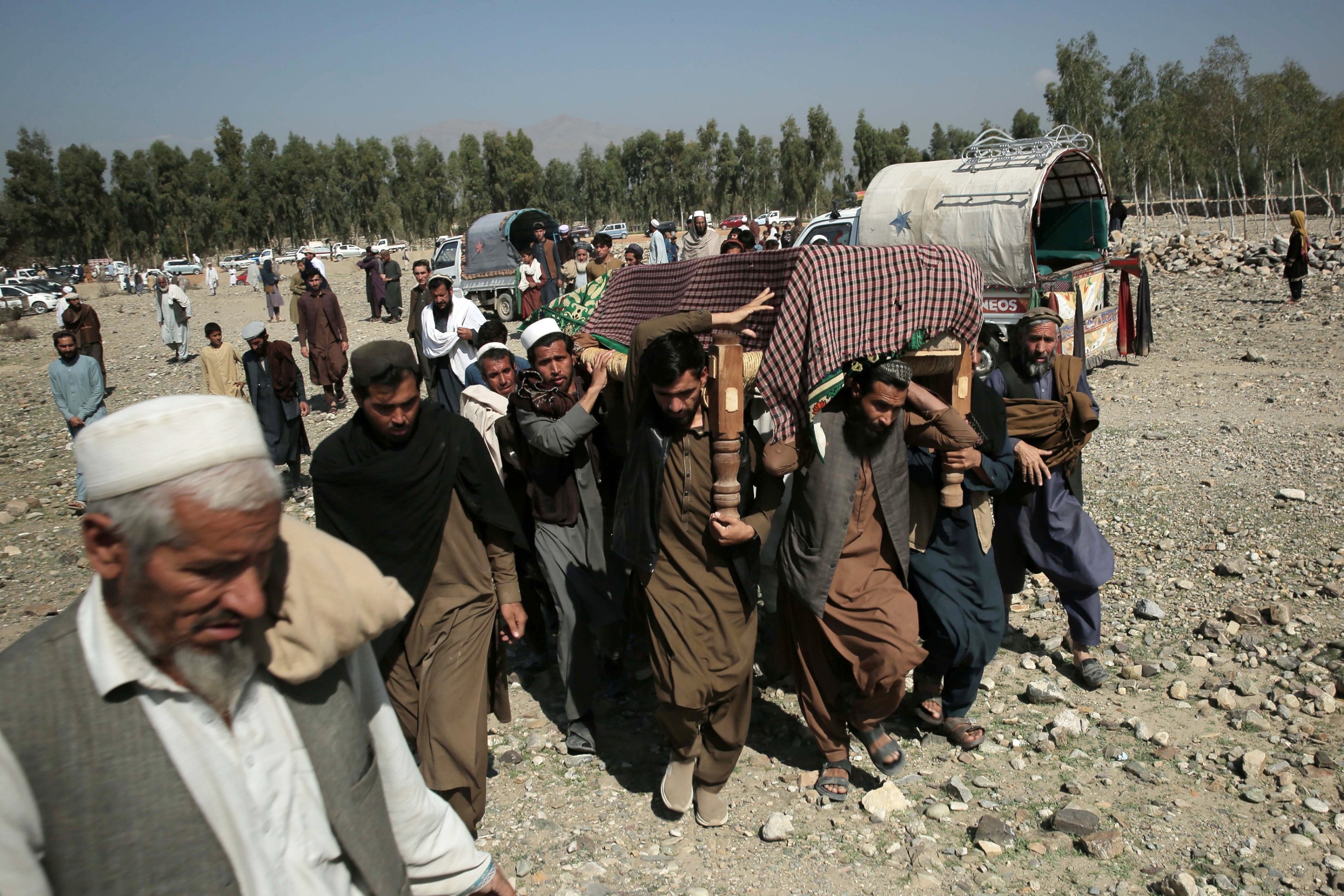
Afghan officials reported three civilian deaths from drone attacks and shelling overnight.
In Kunar province, an 18-year-old man was killed near a mosque while protecting his home, leaving grieving family members among the growing number of civilian victims.
Residents in border provinces Khost and Nangarhar reported sporadic clashes throughout Sunday afternoon.
AFP journalists in Khost described drones overhead, while in Jalalabad, a jet was sighted flying low toward the frontier.
Central Kabul saw increased security checks on cars and heightened troop presence as the Taliban attempted to contain panic among civilians.
Pakistan acknowledged strikes earlier in the week targeting Kabul and Kandahar, but has not commented on Sunday’s operations.
Afghanistan said retaliatory strikes hit multiple bases in Pakistan, including in Rawalpindi, claiming "significant damage," though Islamabad has yet to confirm casualties.
Both sides have released conflicting casualty figures: Pakistan’s information minister reported 415 Afghan soldiers killed, while Afghan officials said over 80 Pakistani soldiers died and 27 posts were captured. Independent verification is difficult.
The renewed clashes mark the most serious escalation since October, when fighting killed more than 70 people on both sides.
Analysts noted Sunday’s airstrikes represented a shift in Pakistan’s strategy, targeting Afghan government facilities directly for the first time rather than solely pursuing militants.
The conflict is rooted in accusations of cross-border militant activity.
Pakistan says Afghanistan harbors fighters from Tehreek-e-Taliban Pakistan (TTP), responsible for a wave of attacks inside Pakistan since 2021. Afghanistan denies the claim, asserting its territory is not used for operations against neighboring countries.
Pakistani authorities called their offensive “Ghazab Lil Haq,” or “Wrath for the Truth,” highlighting the operation’s intensity and official framing.
Displaced residents are calling for international intervention. In Khost, dozens who fled homes near the frontier demanded pressure on Pakistan to halt the violence.
Diplomatic efforts have been ongoing, with Saudi Arabia, Qatar, Russia, China, the European Union, and the United Nations urging restraint and offering mediation. Meanwhile, the U.S. has expressed support for Pakistan’s right to defend itself.
The escalation comes amid regional instability. Afghanistan’s border with Iran coincides with ongoing U.S.-Israeli strikes on Iranian targets, adding layers of complexity to security concerns.
The Taliban’s Interior Minister, Sirajuddin Haqqani, warned the conflict would be “very costly,” emphasizing that only front-line forces are currently engaged.
Pakistan’s Defense Minister Khawaja Muhammad Asif called the clashes "open war," signaling no immediate end in sight.