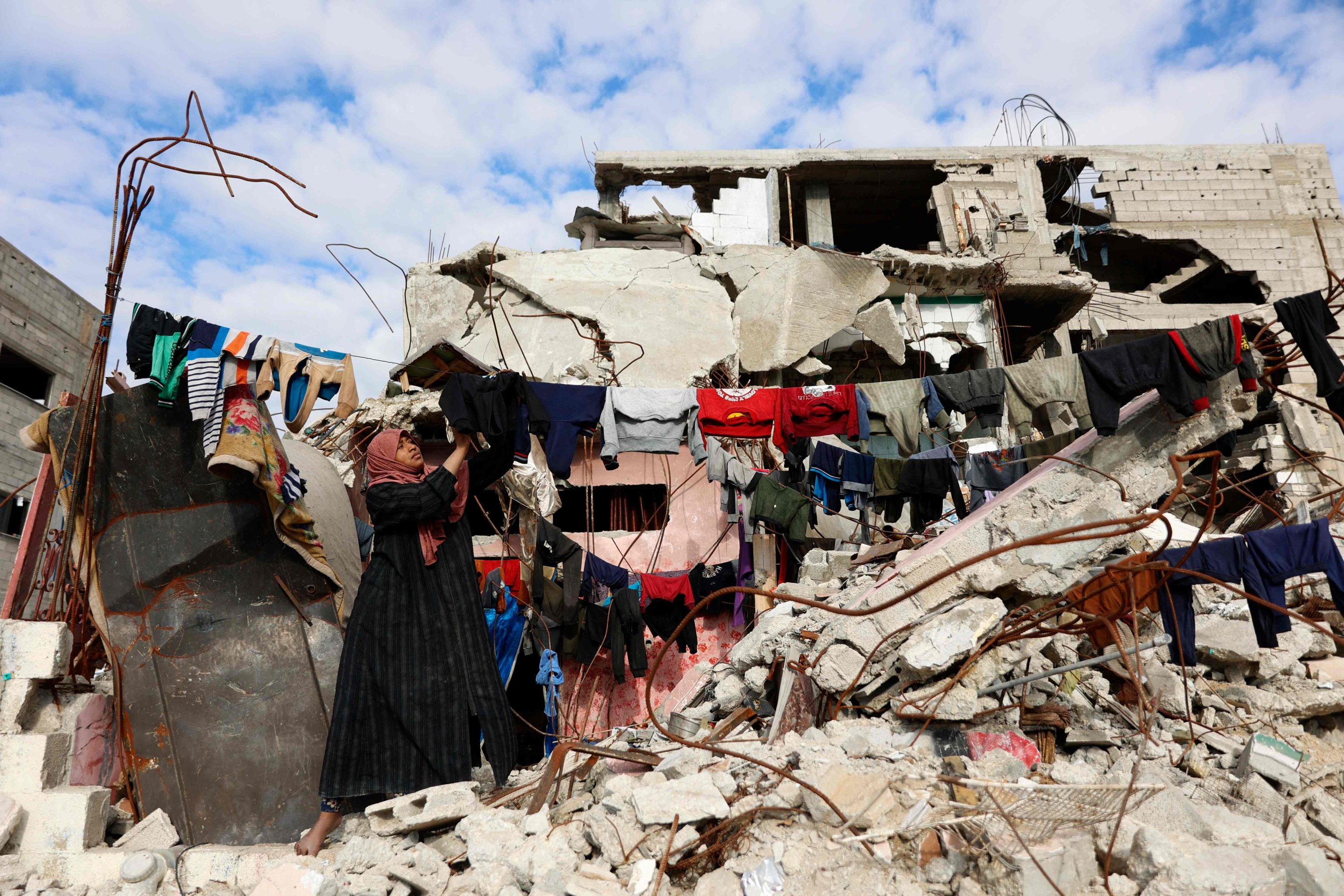
Palestinian families and clans in the Gaza Strip on Sunday publicly endorsed the newly formed National Committee for the Administration of Gaza, pledging grassroots support for its humanitarian mission as an ambitious U.S.-led international framework begins reshaping Gaza’s post-war future.
The backing came during a large solidarity gathering at Al-Aqsa Martyrs Hospital in Deir al-Balah, where representatives of families, tribes and clans framed the committee as a rare chance to stabilize daily life after more than two years of devastation.
Alaa al-Din Al-Aklouk, head of the Families’ Gathering, described the committee’s formation as a “pivotal national milestone” born out of intense regional and international engagement.
He said its task is enormous, citing shattered infrastructure, mass displacement, entrenched poverty and widespread hunger following Israel’s war on Gaza.
Al-Aklouk urged immediate humanitarian action, including debris removal, emergency relief and the launch of a serious recovery and reconstruction process to restore dignity and hope to Gaza’s residents.
He said families and clans were prepared to provide “all possible forms of assistance” and serve as a form of popular oversight to ensure transparency and effectiveness.
Al-Aklouk warned that political rivalries could derail the effort, calling for a broad political umbrella to protect the committee’s work.
He stressed the body should be treated as a temporary framework and renewed calls for rebuilding Palestinian legitimacy through comprehensive elections.
Hosni Al-Maghni, head of the Palestinian Clans Committees, echoed that message, calling support for the administration committee a “final opportunity that must not be squandered.”
He described clans as a “safety valve” that can ease social tensions while helping rebuild communities left without shelter.
Earlier Sunday, Ali Shaath, a Gaza-born engineer appointed to lead the committee, signed its mandate in the body’s first formal step, outlining its principles and responsibilities.
The local initiative is unfolding alongside a sweeping U.S.-driven international plan overseen by President Donald Trump’s newly announced “Board of Peace,” a body of world leaders tasked with guiding Gaza through the cease-fire’s second phase and potentially broader global conflicts.
At least six additional countries said Sunday they had received invitations to join the board, including Hungary, India, Jordan, Greece, Cyprus and Pakistan.
Canada, Türkiye, Egypt, Paraguay, Argentina and Albania had already confirmed invitations. Permanent membership reportedly requires a $1 billion contribution, with funds earmarked for Gaza’s reconstruction.
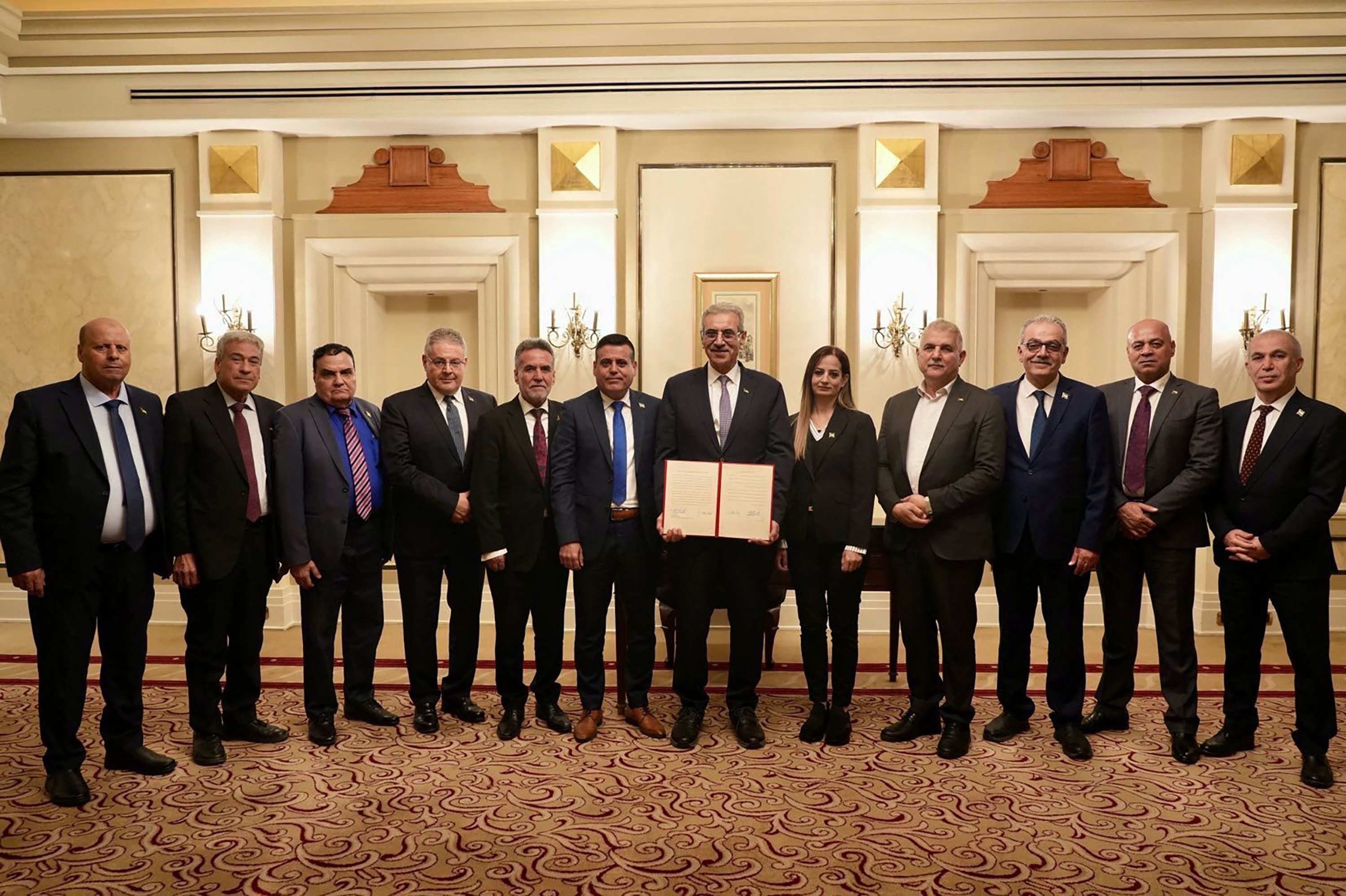
Hungarian Prime Minister Viktor Orban has accepted the invitation, while others said decisions were pending. The U.S. is expected to announce the full membership list in the coming days, possibly during the World Economic Forum in Davos.
The board will oversee the next steps in Gaza as the cease-fire that took effect on Oct. 10 enters a fragile second phase.
That phase includes the Palestinian administration committee, deployment of an international security force, Hamas’ disarmament and large-scale reconstruction.
Trump described the initiative in invitation letters as a “bold new approach to resolving global conflict,” language that has raised questions about whether the board could emerge as a rival to the U.N. Security Council, which has been paralyzed by vetoes and weakened by funding cuts.
While the Security Council endorsed the U.S. cease-fire framework, Israel voiced rare public criticism over the formation of an executive committee, saying it was not coordinated with Israeli policy.
The executive committee includes U.S. Secretary of State Marco Rubio, Trump envoy Steve Witkoff, Jared Kushner, former British Prime Minister Tony Blair, World Bank President Ajay Banga and senior security officials, alongside representatives from Qatar, Egypt and Türkiye.
Ankara’s role is seen as particularly sensitive yet crucial, given its strained ties with Israel, positioning it as a potential mediator in efforts to persuade the group to relinquish power.
A multinational stabilization force will be commanded by U.S. Gen. Jeffers, while Bulgarian diplomat Nickolay Mladenov will serve as the board’s on-the-ground high representative in Gaza.
Israeli billionaire Yakir Gabay’s inclusion gives Israel an informal voice, while international financial and humanitarian expertise is expected to shape reconstruction.
For Gaza’s families, the new administration committee represents a rare convergence of local legitimacy and international backing, and a narrow window to translate cease-fire promises into tangible relief.