A senior U.N. official warned Wednesday that women and newborns in Gaza are facing starvation, soaring deaths and a total collapse of maternal health care, describing the situation as “like a dystopian film.”
"In Gaza, I was not fully prepared for what I saw – one cannot be. The sheer extent of the devastation looked like the set of a dystopian film," said UNFPA Deputy Executive Director Andrew Saberton at a news conference on the situation with women and girls in Gaza and the occupied West Bank.
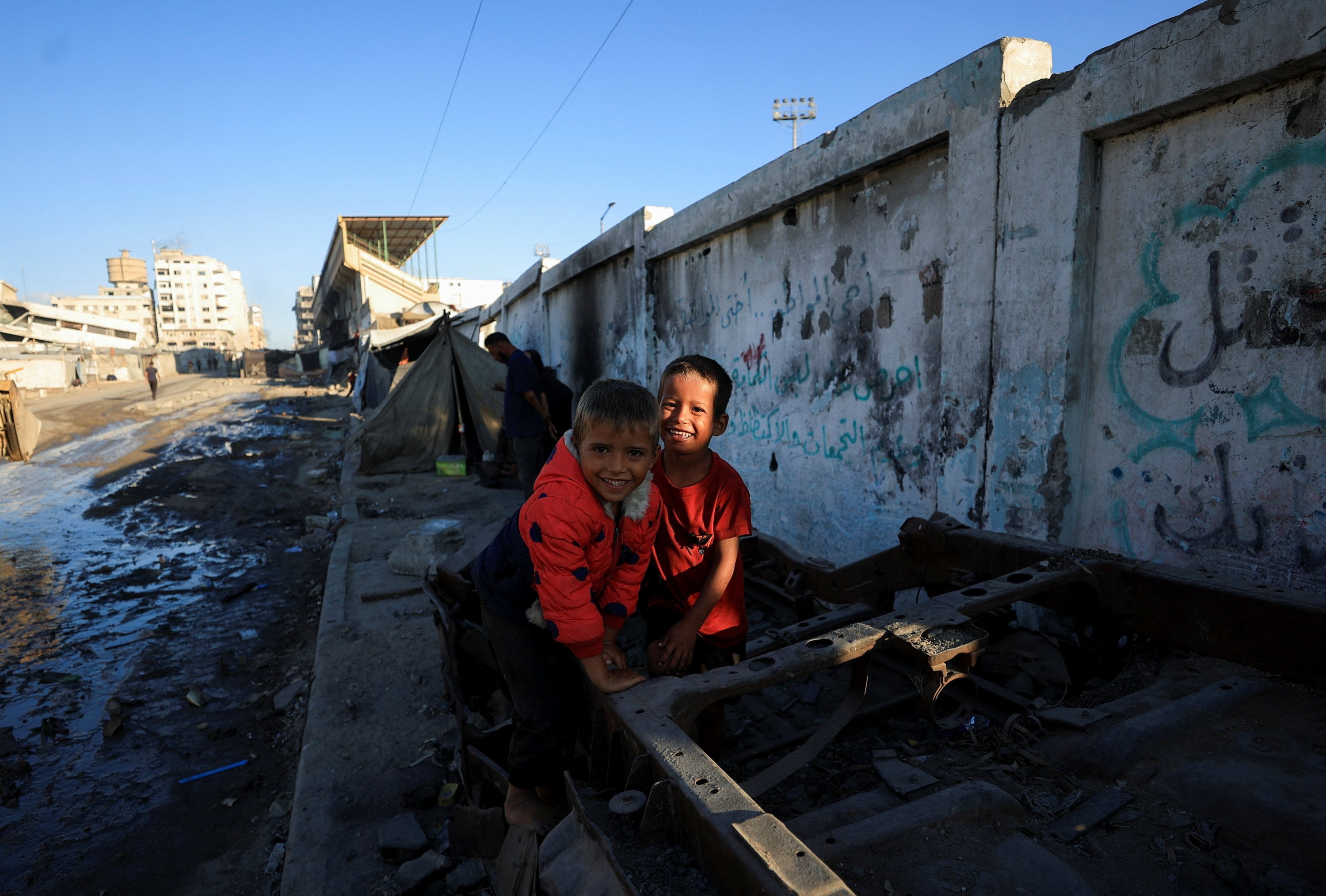
"There is no other way to put it: Gaza has been flattened. Mile upon mile of rubble and dust, with few buildings left intact. I cannot unsee what I have seen," he added.
He also reported that displaced families in Gaza are sheltering "in half-destroyed buildings, or ragtag tents by the side of the road."
Warning that the hunger crisis in Gaza is deadly for mothers and infants, Saberton said, "One in four people is starving. That includes 11,500 pregnant women for whom starvation is particularly catastrophic."
"Premature and low-birth weight babies now make up around 70% of newborns, and one in three pregnancies is high risk," he added.
With "94% of hospitals in Gaza damaged or destroyed," he said maternal deaths are rising because "the drugs that could save mothers are no longer available."
"The cease-fire brought us a glimmer of hope, but just days later, renewed attacks are plunging families back into terror," he said, urging a permanent cease-fire to "start on the very long road to recovery."
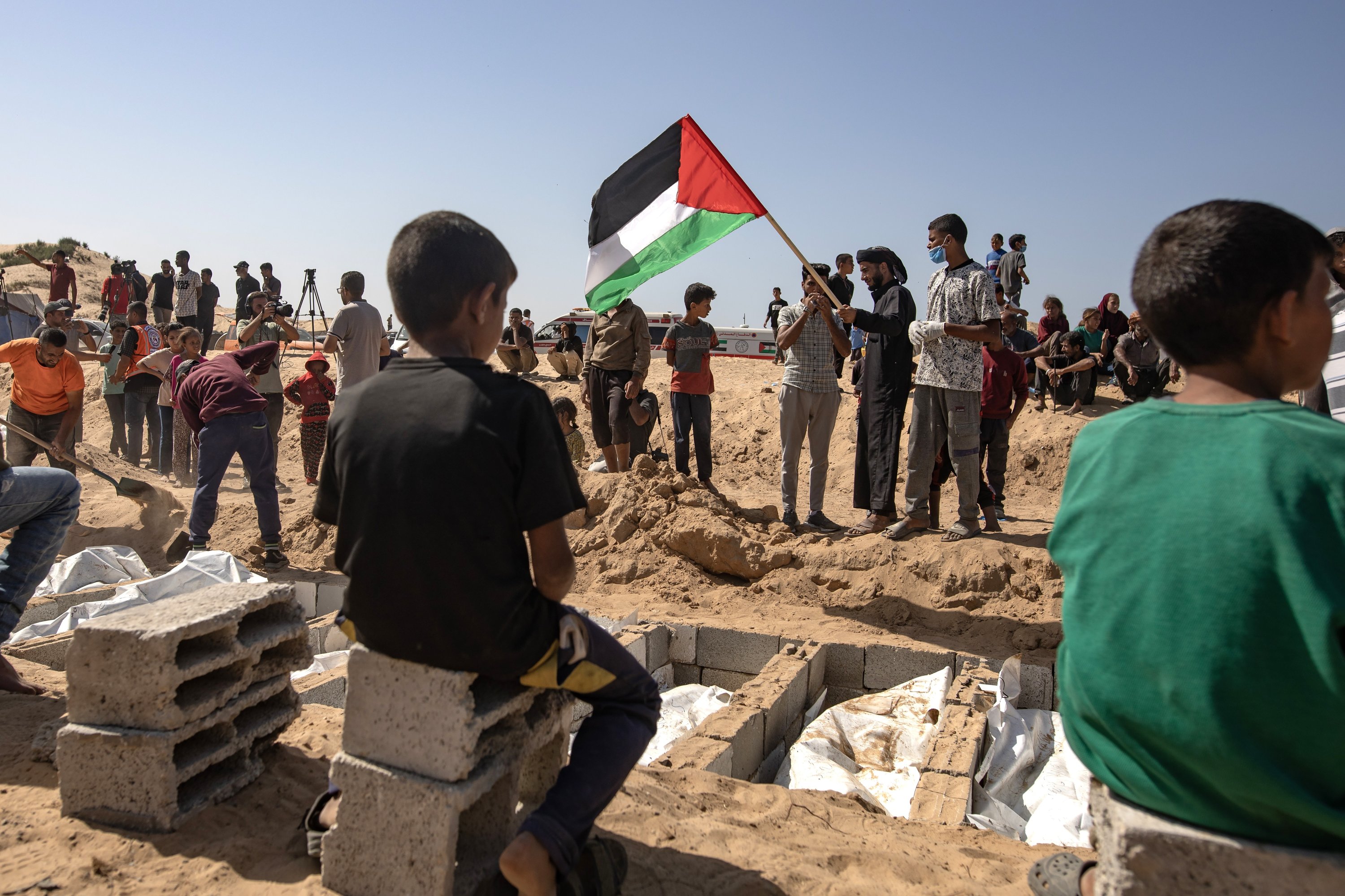
Saberton also stressed that the aid entering the enclave amid the cease-fire is "nowhere near enough," and noted that the agency "has much more assistance at border crossings ready to enter."
"But we need all crossings to be opened, impediments to be removed, and full, safe and sustained humanitarian access to bring aid to all women and girls in Gaza, in both the south and north," he added.
"Many women in Gaza have lost everything," he explained, stressing that women are unable to "access the most basic personal hygiene supplies when they are menstruating."
Emphasizing the need to restore "Gaza's health care and protection services for women and girls" as part of the recovery phase, he pointed to the importance of focusing on "psychological scars."
"This is particularly important for Gaza's youth, 70% of whom are suffering from depression and anxiety," he said, and warned about generational trauma.
"Over 50% of the youth, and approximately 40% of the adults, are anticipated to be suffering from post-traumatic stress. This (recovery) is going to take generations," he said.
On the occupied West Bank, Saberton said movement restrictions are disrupting access to health care for "an estimated 73,000 pregnant women."
"Life in the West Bank is ringed by barriers and checkpoints, which dominate every aspect of life-restricting movements, plans and aspirations for women and youth," he explained.
"The world can no longer afford to turn away. Not from Gaza. Not from the West Bank," he said. "True peace must guarantee safety, support and agency for every woman and girl to heal and to live their lives in dignity."
Noting that UNFPA staff are also victims of Israel's war on Gaza, Saberton said: "Every single UNFPA staff member in the Gaza office has experienced the death or multiple deaths of relatives, and almost all have had their or their families' homes destroyed. And yet they have turned up every day for two years, no escape, no time off."