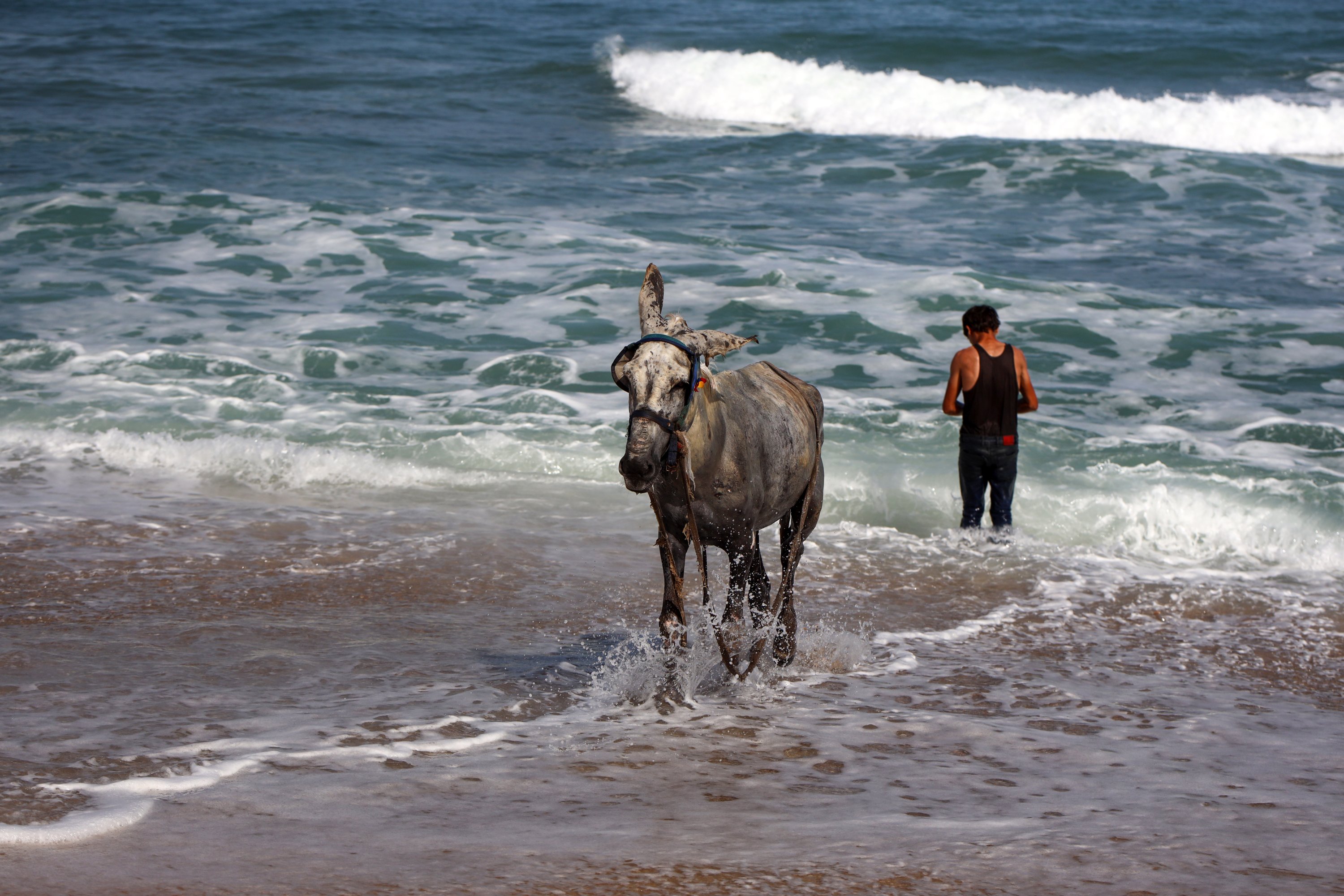
Germany faced widespread outrage after a newspaper report revealed that four donkeys were evacuated from Gaza to Germany for medical care, even as the federal government declined to admit wounded Palestinian children in urgent need of treatment.
According to Allgemeine Zeitung, four donkeys were transported to a zoo in Oppenheim under an Israeli initiative called Project Donkey Flights. The animals, described as victims of "hunger, misery, and abuse," are now receiving care and rehabilitation at the zoo. The Israeli organization behind the initiative claims to have rescued around 50 donkeys from Gaza amid ongoing conflict, seeking to spare them from deteriorating conditions in the region.
The story immediately drew backlash for highlighting the suffering and recovery of the animals while omitting the dire situation of Gaza’s human population. For over two years, Palestinians in Gaza have endured war, blockade, widespread malnutrition and a collapse of medical infrastructure. Critics also condemned the coverage for focusing on animal rescue while thousands of civilians remain trapped without adequate food, water, or healthcare.
The report also reignited anger over a September decision in which Germany’s federal government refused to accept 20 injured Palestinian children for urgently needed medical treatment, citing logistical complexity and administrative obstacles.
By contrast, the donkeys’ evacuation and admission to Germany reportedly faced little resistance. The rapid transfer process further fueled accusations of hypocrisy and a glaring humanitarian double standard in Germany’s response to Israel's genocidal war in Gaza.
Reaction on social media was swift and intense. Human rights advocates and members of the public described the story as “an insult to human values” and “evidence of skewed political and media priorities."
The public outcry prompted Allgemeine Zeitung to close its comments section after receiving hundreds of messages questioning how animal welfare could be prioritized over the lives of children.