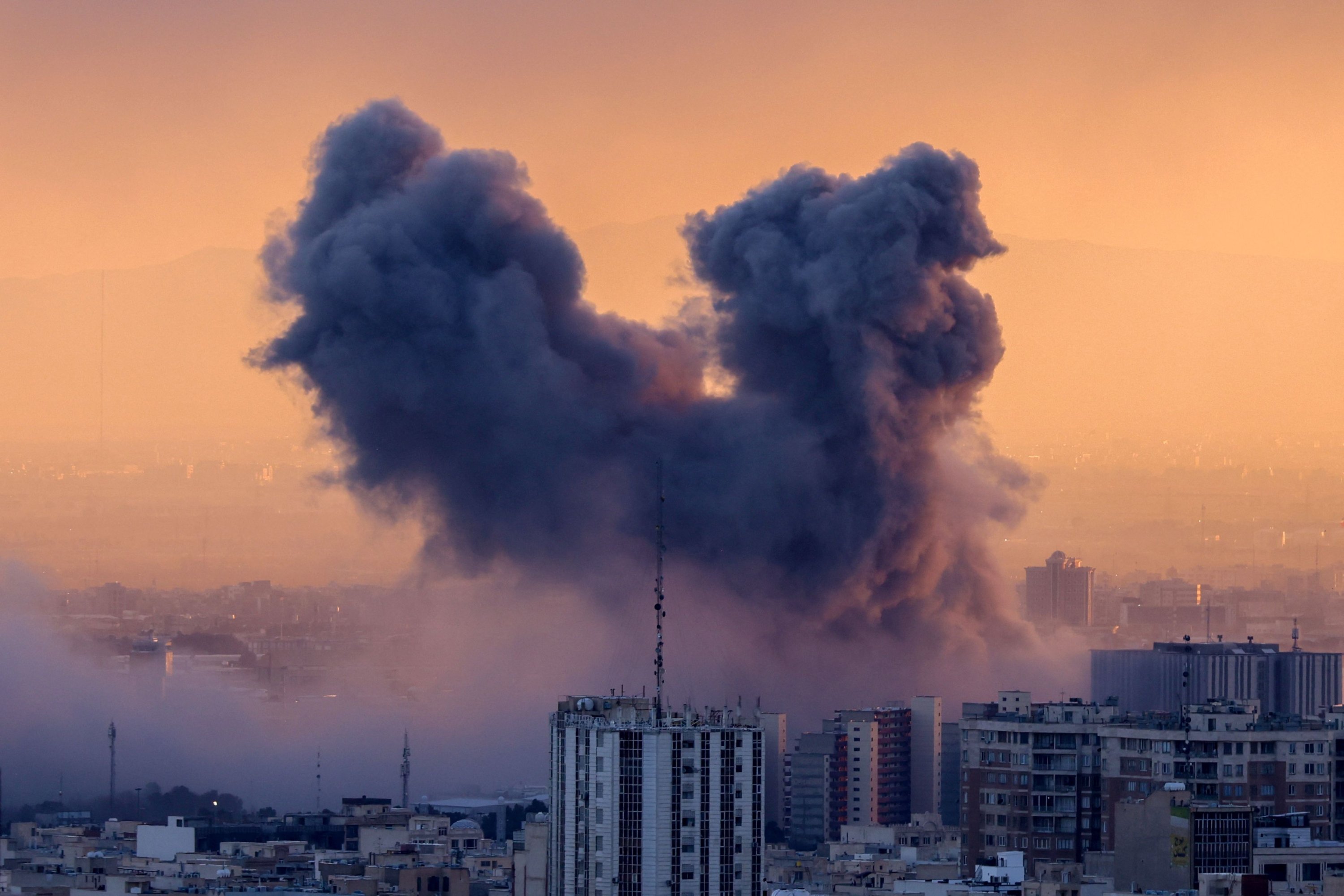
Israel announced on Thursday that its joint military campaign with the United States against Iran was entering a "next phase," while Tehran signaled a defiant stance against negotiations.
U.S. and Israel launched airstrikes on Iran starting Feb. 28, killing over 900 people, including Iran's Supreme Leader Ali Khamenei and more than 165 elementary schoolgirls, according to Iranian authorities.
The war has since extended its geographical scope, risking drawing more countries into the conflict.
Tehran has retaliated with drone and missile attacks targeting Israel and U.S.-linked sites in Gulf countries, disrupting energy routes.
Despite the pressure, Iranian Foreign Minister Abbas Araghchi told NBC News on Thursday that Tehran is not seeking a cease-fire or diplomatic talks with Washington.
"We don't see any reason why we should negotiate with the U.S.," Araghchi said, stressing that the U.S. had previously attacked Iran during past negotiations.
“We negotiated with them twice and every time they attacked us in the middle of negotiations," he said. "We are not asking for a cease-fire."
Araghchi added that Iran had no plans to close the Strait of Hormuz for now.
The war has left the critical shipping passageway all-but shut, with countries around the world cut off from a fifth of global oil and liquefied natural gas supplies.
"We have no intention to close it right now but as the war continues we will consider every scenario," Araghchi said.
Regarding the possibility of a ground invasion, Araghchi said Iran is prepared for a direct confrontation, stressing such a move would be a "disaster" for its enemies.
"We are waiting for them," Araghchi said. "We are confident that we can confront them and that would be a big disaster for them."
Israel’s military chief, Lieutenant General Eyal Zamir, said in a televised statement on Thursday that the new stage would focus on further dismantling Iran’s military capabilities
"We are now moving to the next phase of the operation. In this phase, we will further dismantle the regime and its military capabilities,” Zamir said.
“We have additional surprises ahead which I do not intend to disclose.”