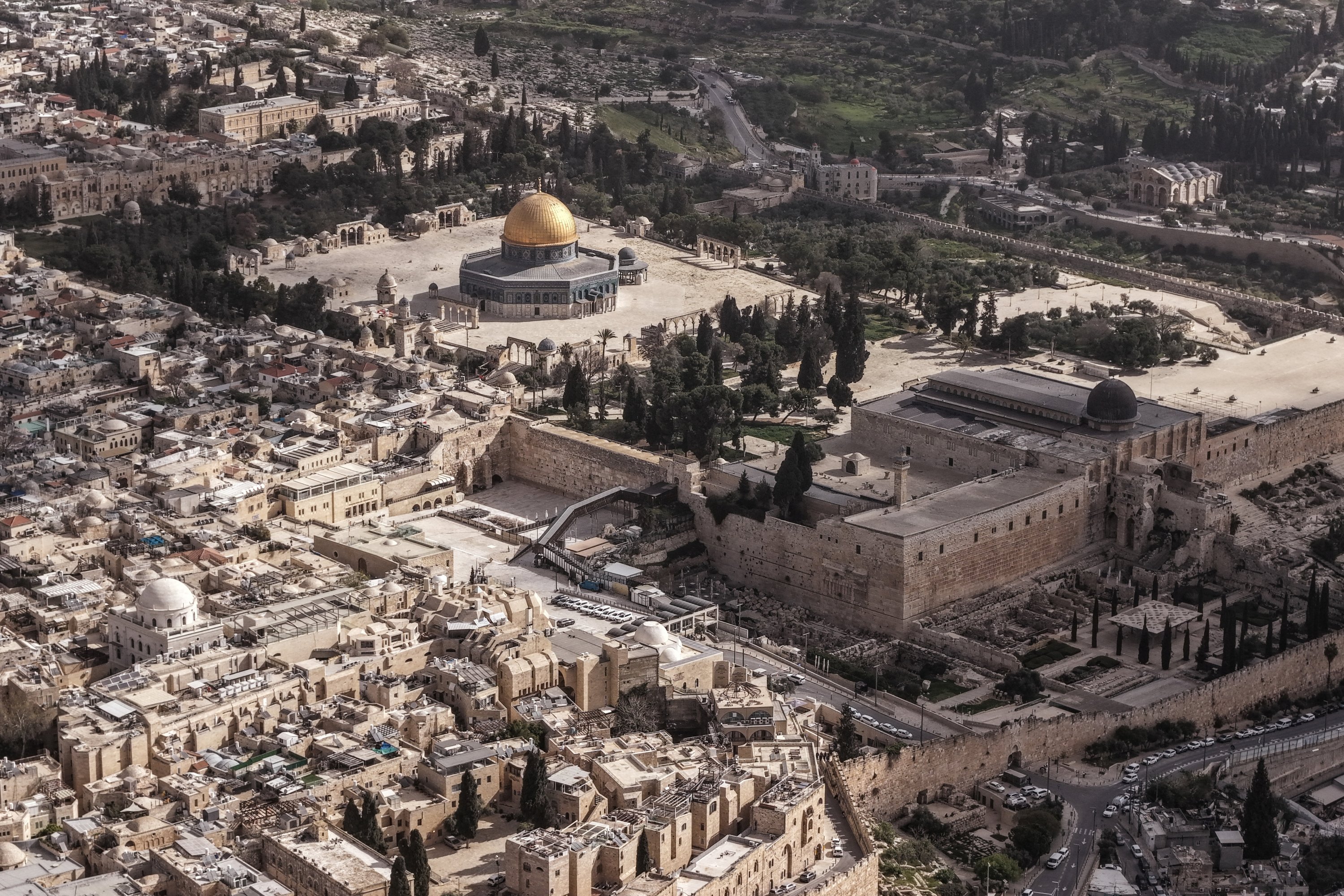
Last month, for the first time in more than half a century, the historic alleyways of Jerusalem’s Old City fell into a forced silence during what is traditionally its most vibrant religious season. As the war between Israel and Iran entered its second month, the Israeli government implemented a sweeping 40-day ban on Muslim worship at the Al-Aqsa Mosque and severely restricted Christian access to the Church of the Holy Sepulchre during Palm Sunday and Easter.
While Israeli authorities cited security concerns and the threat of Iranian missile barrages as the primary justification for these measures, international observers and religious leaders described the closures as a "manifestly unreasonable" violation of the historic status quo and a systematic erosion of religious freedom.
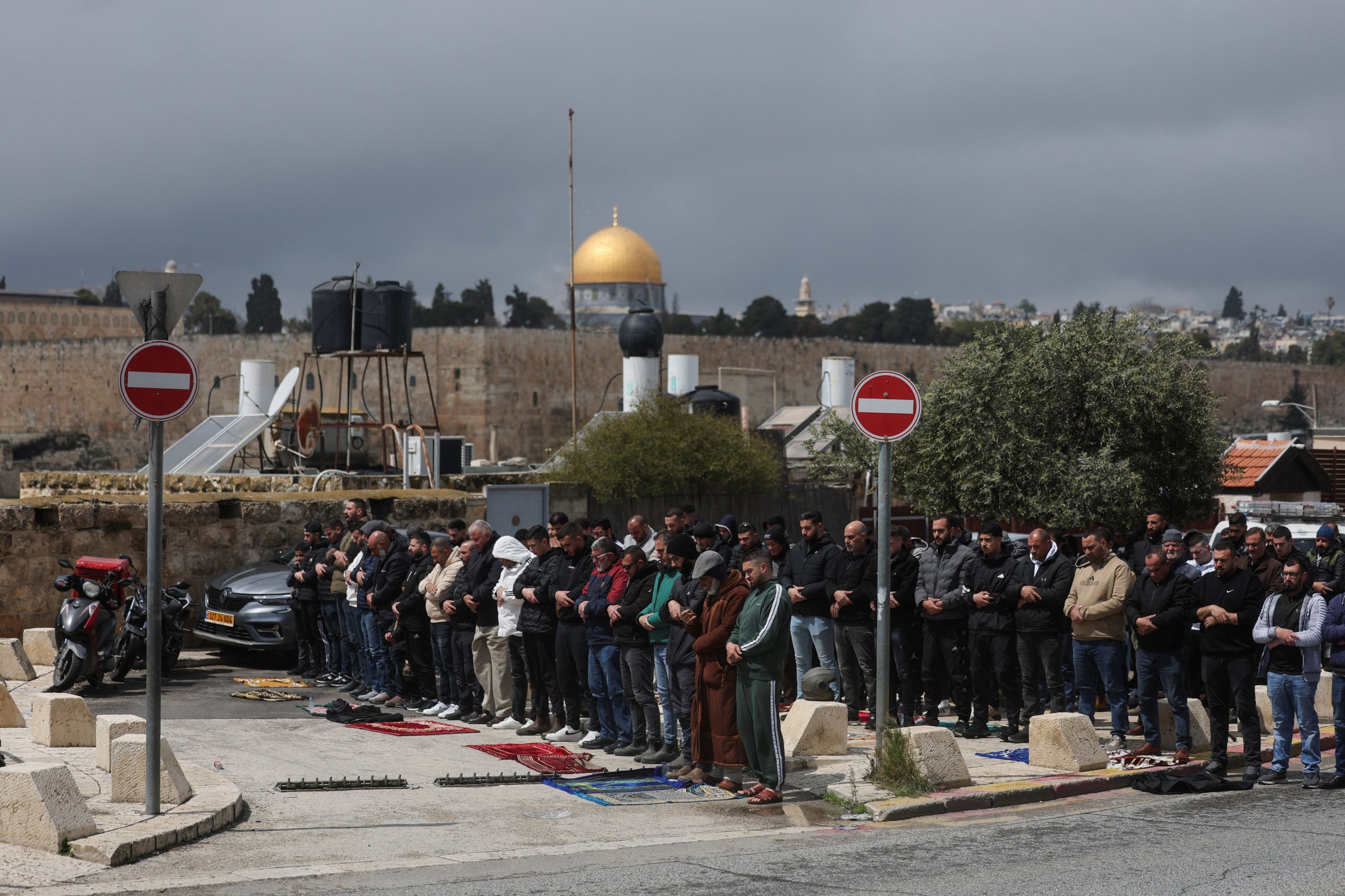
The restrictions began following the outbreak of hostilities on Feb. 28, 2026. Since that date, the IDF’s Home Front Command enforced a nationwide ban on public gatherings of more than 50 people. In the Old City, however, the enforcement was absolute. For the first time since the 1967 annexation of East Jerusalem, the Al-Aqsa Mosque – the third-holiest site in Islam – was closed to worshippers during the final 10 days of Ramadan and for the festival of Eid al-Fitr. On the day of Eid, hundreds of Muslims who attempted to reach the compound were repelled by police with kicks and tear gas, forced to pray on the pavement near the Bab al-Sahira, also known as Herod’s Gate.
Parallel restrictions targeted Jerusalem’s Christian community. On Palm Sunday, March 29, Israeli police blocked the Latin Patriarch of Jerusalem, Cardinal Pierbattista Pizzaballa, from entering the Church of the Holy Sepulchre to celebrate Mass. The Latin Patriarchate noted that this marked the first time in centuries that church leaders were prevented from observing the holiday at the site where Christians believe Jesus was crucified and resurrected. By Easter Sunday on April 5, the church remained largely shuttered, with the holiday described by clergy as a "real emptiness" held behind closed doors.
These measures represent a significant breach of the "status quo," an internationally recognized set of rules dating back to an 1757 Ottoman decree that governs access and responsibilities at Jerusalem's holy sites. Under the Status Quo and the 1994 peace treaty with Jordan, the Al-Aqsa compound is administered by the Jordan-appointed Waqf, which holds exclusive authority over Muslim worship and internal affairs.
The Jordanian government slammed the recent closures as a "crime against religious freedom" and a "flagrant violation" of international humanitarian law. So did key Muslim-majority countries and the European Union.
"The decision by Israeli police to bar Jerusalem's Latin Patriarch from entering the Church of the Holy Sepulchre on Palm Sunday constitutes a violation of religious freedom and long-standing protections governing holy sites," EU foreign policy chief Kaja Kallas wrote on X.
Reports, meanwhile, suggested that while the war is used as a pretext, the restrictions are implemented inconsistently. During the same period that Muslims were completely barred from Al-Aqsa, police allowed "limited prayer" at the Western Wall for groups of 50, and dozens of influential figures were permitted to participate in the Priestly Blessing for Passover.
Furthermore, while the mosque was closed to Muslims, hundreds of Jewish activists were permitted to enter the compound under police protection, an act which the Palestinian Foreign Ministry described as a "systematic escalation" intended to impose a temporal division of the holy site.
The Israeli government's actions appear to stand in direct opposition to the foundational principles of religious tolerance recognized in both Jewish tradition and Israeli common law. Historically, the Israeli Supreme Court has held that freedom of conscience and worship are "fundamental principles" upon which the state is based, rooted in the 1948 Declaration of Establishment.
Furthermore, some rabbinical interpretations of biblical passages, such as Leviticus 25:23, emphasize that "the land must not be sold permanently, because the land is mine and you reside in my land as foreigners and strangers." This concept has historically been invoked to suggest that the Land of Israel is held in trust, necessitating a degree of shared respect and coexistence. However, the current far-right administration has increasingly prioritized "Jewish national rights" and "maximalist territorial claims" over these traditional values of tolerance and the civil rights of non-Jewish people.
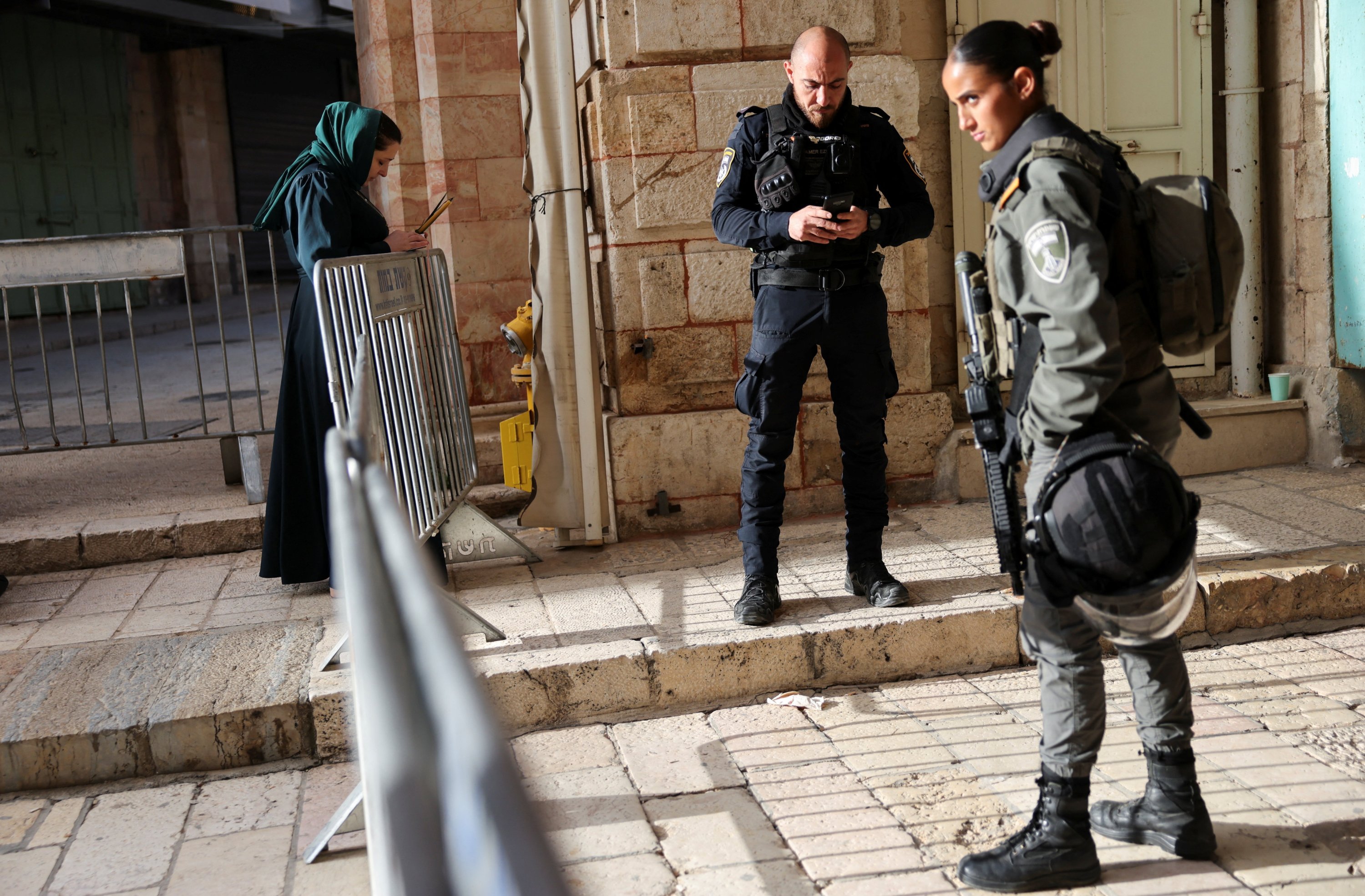
Critics argue that the far-right, ultraconservative coalition, led by Prime Minister Benjamin Netanyahu, used the Iran war to aggressively rewrite the rules of the city. By citing the lack of bomb shelters and the narrow alleys of the Old City as safety risks, the police effectively turned the area into a "closed zone" while malls and markets in West Jerusalem remained bustling.
This "divide-and-conquer" strategy was further evidenced by the government's support for "Temple movements" that openly seek to destroy Muslim shrines at the compound and build a Third Temple. Since the war began, these groups have seen their influence grow, with ministers and Knesset members speaking openly about abrogating the status quo entirely to assert "full Israeli sovereignty."
One dejected resident of the Old City had feared that the temporary "emergency measures" would become permanent realities. "Never in my lifetime did I imagine a day when we would be forbidden from taking those steps," said Huda al-Imam, a Palestinian Christian from Jerusalem. "To have the Holy Sepulchre closed is to have the heart of our cultural and spiritual life stopped."