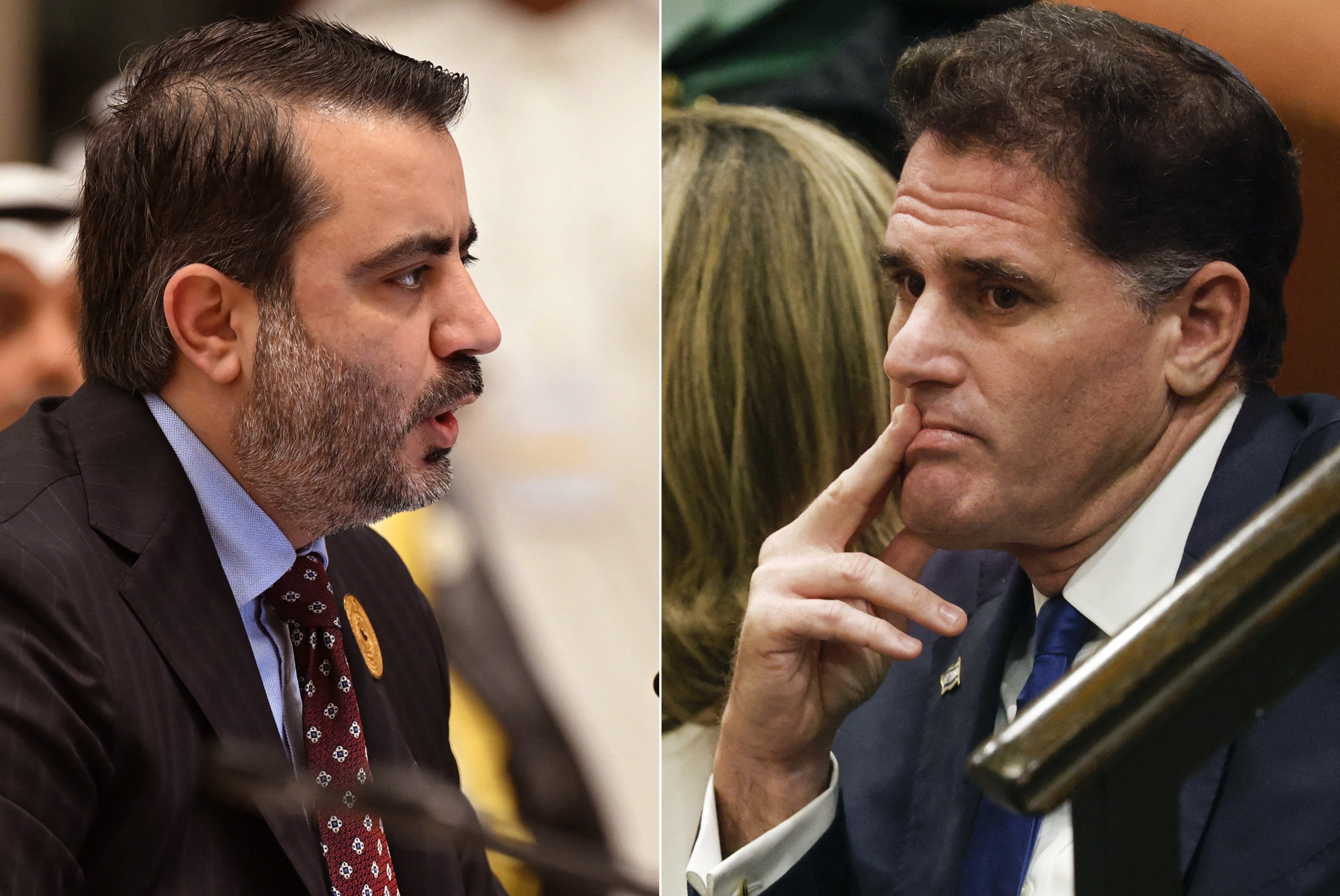
A Syrian official said Tuesday that Damascus cannot move forward on so-called strategic files in talks with Israel without a clear and binding timeline for Israeli troops to withdraw from Syrian territory seized after the fall of Bashar Assad in December 2024, as U.S.-brokered negotiations in Paris led to the launch of a joint de-escalation mechanism.
Speaking to Reuters on condition of anonymity, the Syrian official said the latest round of talks, held Monday and Tuesday under U.S. mediation, concluded with a U.S. initiative to suspend all Israeli military activities against Syria. Israel’s Defense Ministry did not immediately respond to a request for comment.
Following the meetings, Syria’s new government and Israel announced the establishment of a joint group under U.S. supervision to share intelligence and seek military de-escalation on the ground. A joint statement issued by the U.S. State Department said the two sides were committed to “achieving lasting security and stability arrangements for both countries.”
“Both sides have decided to establish a joint fusion mechanism – a dedicated communication cell – to facilitate immediate and ongoing coordination on intelligence sharing, military de-escalation, diplomatic engagement and commercial opportunities under the supervision of the United States,” the statement said, adding that the mechanism aims to prevent misunderstandings and address disputes swiftly.
The Paris talks marked the first direct engagement in several months between Syria and Israel, which do not have diplomatic relations. They come amid repeated Israeli airstrikes on Syrian territory following the collapse of the Assad regime, actions that have drawn unease in Washington over added pressure on Syria’s fragile postwar administration.
Since Assad’s fall, Israel has moved troops into a United Nations-patrolled buffer zone separating Israeli and Syrian forces on the Golan Heights, territory Israel captured in the 1967 war. Damascus has opposed Israel’s insistence on maintaining a demilitarized zone in southern Syria, although the issue was not addressed in the joint statement.
Syria’s new president, Ahmed al-Sharaa, has sought to avoid direct confrontation with Israel while firmly rejecting continued Israeli military presence on Syrian soil. U.S. President Donald Trump has backed al-Sharaa’s government as part of broader efforts to stabilize Syria after more than a decade of civil war.
Meanwhile, Israeli Prime Minister Benjamin Netanyahu’s office said in a statement that the talks included discussions on economic cooperation and “regional stability and security,” adding that dialogue would continue to protect the Druze minority in Syria.
Syrian officials, however, have stressed that any progress toward normalization or cooperation depends on an end to Israeli military operations and a full withdrawal from occupied areas, in line with international law and Syria’s sovereignty.