Daily Sabah logo

Politics
Diplomacy Legislation War On Terror EU Affairs Elections News Analysis
TÜRKİYE
Istanbul Education Investigations Minorities Expat Corner Diaspora
World
Mid-East Europe Americas Asia Pacific Africa Syrian Crisis Islamophobia
Business
Automotive Economy Energy Finance Tourism Tech Defense Transportation News Analysis
Lifestyle
Health Environment Travel Food Fashion Science Religion History Feature Expat Corner
Arts
Cinema Music Events Portrait Reviews Performing Arts
Sports
Football Basketball Motorsports Tennis
Opinion
Columns Op-Ed Reader's Corner Editorial
PHOTO GALLERY
JOBS ABOUT US RSS PRIVACY CONTACT US
© Turkuvaz Haberleşme ve Yayıncılık 2025

Daily Sabah - Latest & Breaking News from Turkey | Istanbul

  • Politics
    • Diplomacy
    • Legislation
    • War On Terror
    • EU Affairs
    • Elections
    • News Analysis
  • TÜRKİYE
    • Istanbul
    • Education
    • Investigations
    • Minorities
    • Expat Corner
    • Diaspora
  • World
    • Mid-East
    • Europe
    • Americas
    • Asia Pacific
    • Africa
    • Syrian Crisis
    • Islamophobia
  • Business
    • Automotive
    • Economy
    • Energy
    • Finance
    • Tourism
    • Tech
    • Defense
    • Transportation
    • News Analysis
  • Lifestyle
    • Health
    • Environment
    • Travel
    • Food
    • Fashion
    • Science
    • Religion
    • History
    • Feature
    • Expat Corner
  • Arts
    • Cinema
    • Music
    • Events
    • Portrait
    • Reviews
    • Performing Arts
  • Sports
    • Football
    • Basketball
    • Motorsports
    • Tennis
  • Gallery
  • Opinion
    • Columns
    • Op-Ed
    • Reader's Corner
    • Editorial
  • TV
  • Opinion
  • Columns
  • Op-Ed
  • Reader's Corner
  • Editorial

The changing dynamics of global inflation

by Kerem Alkin

Apr 24, 2024 - 12:05 am GMT+3
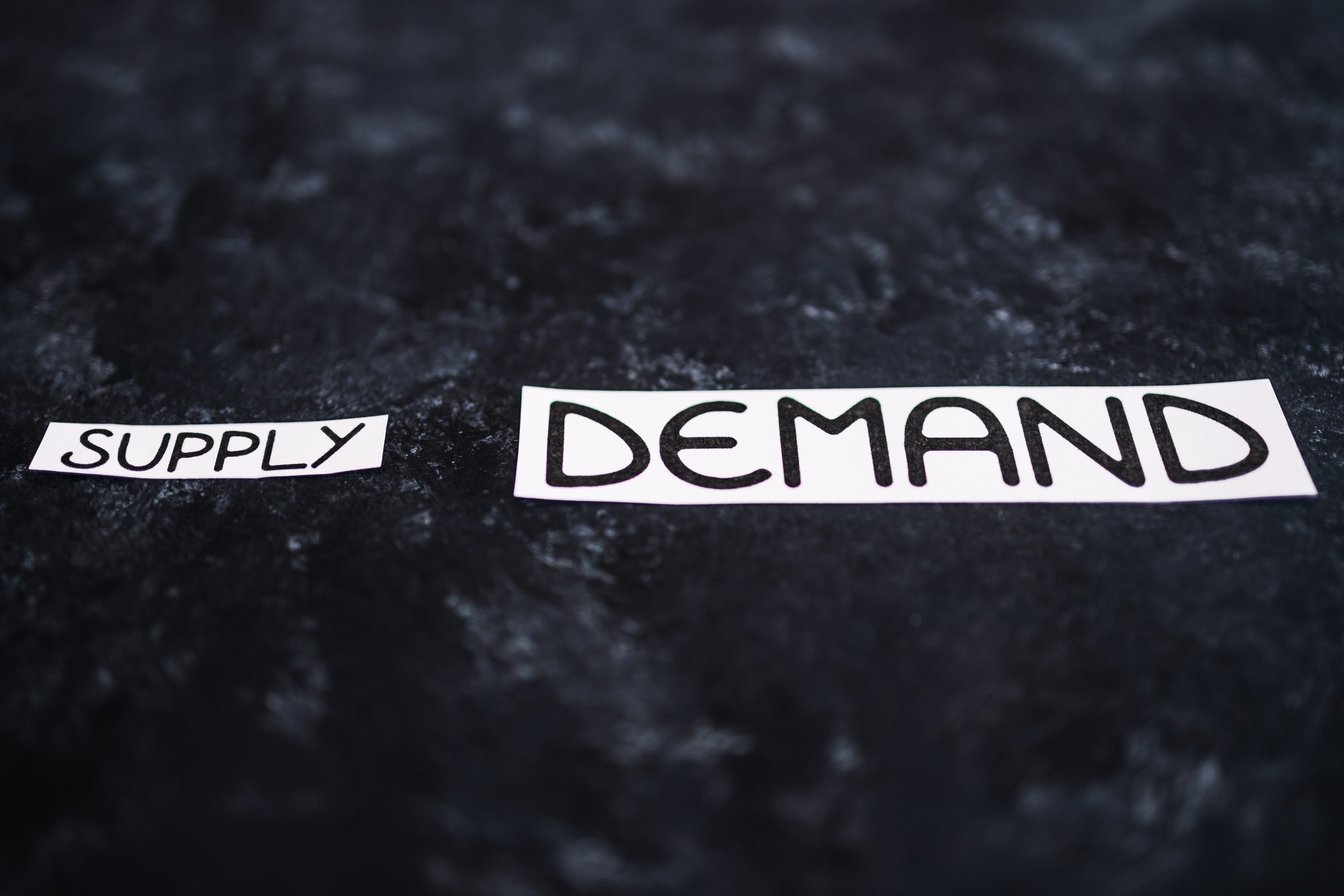
"Recent analyses by leading international economic institutions highlight that, in the 50 years from 1970 to 2020, the influence of demand shocks now outweighs supply shocks in the fluctuation of global inflation." (Shutterstock Photo)
by Kerem Alkin Apr 24, 2024 12:05 am

During the post-COVID-19 period, a surge in global inflation led to unprecedented fluctuations, with savings-oriented behaviors less prevalent than in previous decades

After the initial shock of the COVID-19 pandemic subsided and global demand began to rebound, global supply chain issues, influenced by the ongoing aftershocks of the pandemic, sparked a rapid acceleration in global inflation, which had remained largely subdued for decades. Supply disruptions, exacerbated by prolonged quarantine and restriction measures in China and Asia to combat the coronavirus pandemic, further fueled global inflation, compounded by the surge in demand resulting from accumulated savings during the initial 18 months of the pandemic. This dynamic, coupled with shifts in intergenerational savings and spending behaviors, has elevated the range of fluctuations in global inflation to unprecedented levels.

Over the past decade, maintaining price stability has become increasingly challenging, particularly in developing economies, as shifts in living standards and restructuring of saving-consumption habits have occurred. From developed nations to emerging markets, there is a noticeable deepening of inflationary pressures, which were previously suppressed by expenditures tied to specific standards, now unfolding with added psychological and sociological dimensions. Despite widespread complaints globally about inflation and the rising cost of living, there seems to be a lack of proactive measures to send a strong message to the real sector. Unlike the economic landscape of the 1970s, '80s and, to some extent, the '90s, where turning to savings and adjusting expenditures according to one's means conveyed a clear signal, such behavior is not as prevalent in today's world.

Hence, despite the real sector experiencing deterioration in expected inflation and expected exchange rate level, its pricing behavior worldwide appears sporadic. However, Generation Y and Z's distinct lifestyles and cultural ethos do not translate into a market-shaking attitude as observed in previous generations. The escalating impact of global inflation, exacerbating income distribution disparities, further disrupts market mechanisms and worsens pricing habits, particularly affecting a minority segment whose national income share is rapidly expanding. Recent analyses by leading international economic institutions highlight that, in the 50 years from 1970 to 2020, the influence of demand shocks now outweighs supply shocks in the fluctuation of global inflation.

Energy prices drive global inflation surge

Recent studies also confirm that fluctuations in energy prices significantly impact societies regarding the effects of global inflation, surpassing other types of inputs. Thus, the primary and ripple effects on global energy supply security resulting from the ongoing Russia-Ukraine war and escalating energy prices have propelled global inflation to its highest levels in the past 30-40 years, even in the most developed economies. Consequently, addressing the evolving dynamics of global inflation without reverting to the savings habits of the 1970s and '80s appears challenging. The most effective approach to mitigating global demand shocks involves reinvigorating savings-oriented consumption habits.

In fact, the two-year savings-focused effort on energy consumption across Europe has brought under control the driving effect of fluctuation in global energy prices on inflation. Encouraging savings in developing economies remains a complex topic compared to developed economies. Managing costs and cost inflation in developing economies is still a more complicated and priority issue than in developed economies. Central banks also continue to investigate the changing anatomy of global inflation and the effectiveness of monetary policy.


About the author
Kerem Alkin is an economist, professor at Istanbul Medipol University.
  • shortlink copied
  • KEYWORDS
    global inflation covid-19 pandemic global economy consumption demand shocks supply shocks
    The Daily Sabah Newsletter
    Keep up to date with what’s happening in Turkey, it’s region and the world.
    You can unsubscribe at any time. By signing up you are agreeing to our Terms of Use and Privacy Policy. This site is protected by reCAPTCHA and the Google Privacy Policy and Terms of Service apply.
    No Image
    Mars on Earth: Turkey's Lake Salda may hold clues to ancient life on planet
    PHOTOGALLERY
    • POLITICS
    • Diplomacy
    • Legislation
    • War On Terror
    • EU Affairs
    • News Analysis
    • TÜRKİYE
    • Istanbul
    • Education
    • Investigations
    • Minorities
    • Diaspora
    • World
    • Mid-East
    • Europe
    • Americas
    • Asia Pacific
    • Africa
    • Syrian Crisis
    • İslamophobia
    • Business
    • Automotive
    • Economy
    • Energy
    • Finance
    • Tourism
    • Tech
    • Defense
    • Transportation
    • News Analysis
    • Lifestyle
    • Health
    • Environment
    • Travel
    • Food
    • Fashion
    • Science
    • Religion
    • History
    • Feature
    • Expat Corner
    • Arts
    • Cinema
    • Music
    • Events
    • Portrait
    • Performing Arts
    • Reviews
    • Sports
    • Football
    • Basketball
    • Motorsports
    • Tennis
    • Opinion
    • Columns
    • Op-Ed
    • Reader's Corner
    • Editorial
    • Photo gallery
    • DS TV
    • Jobs
    • privacy
    • about us
    • contact us
    • RSS
    © Turkuvaz Haberleşme ve Yayıncılık 2021