Daily Sabah logo

Politics
Diplomacy Legislation War On Terror EU Affairs Elections News Analysis
TÜRKİYE
Istanbul Education Investigations Minorities Expat Corner Diaspora
World
Mid-East Europe Americas Asia Pacific Africa Syrian Crisis Islamophobia
Business
Automotive Economy Energy Finance Tourism Tech Defense Transportation News Analysis
Lifestyle
Health Environment Travel Food Fashion Science Religion History Feature Expat Corner
Arts
Cinema Music Events Portrait Reviews Performing Arts
Sports
Football Basketball Motorsports Tennis
Opinion
Columns Op-Ed Reader's Corner Editorial
PHOTO GALLERY
JOBS ABOUT US RSS PRIVACY CONTACT US
© Turkuvaz Haberleşme ve Yayıncılık 2025

Daily Sabah - Latest & Breaking News from Turkey | Istanbul

  • Politics
    • Diplomacy
    • Legislation
    • War On Terror
    • EU Affairs
    • Elections
    • News Analysis
  • TÜRKİYE
    • Istanbul
    • Education
    • Investigations
    • Minorities
    • Expat Corner
    • Diaspora
  • World
    • Mid-East
    • Europe
    • Americas
    • Asia Pacific
    • Africa
    • Syrian Crisis
    • Islamophobia
  • Business
    • Automotive
    • Economy
    • Energy
    • Finance
    • Tourism
    • Tech
    • Defense
    • Transportation
    • News Analysis
  • Lifestyle
    • Health
    • Environment
    • Travel
    • Food
    • Fashion
    • Science
    • Religion
    • History
    • Feature
    • Expat Corner
  • Arts
    • Cinema
    • Music
    • Events
    • Portrait
    • Reviews
    • Performing Arts
  • Sports
    • Football
    • Basketball
    • Motorsports
    • Tennis
  • Gallery
  • Opinion
    • Columns
    • Op-Ed
    • Reader's Corner
    • Editorial
  • TV

More birth defects in US seen due to mosquito-born Zika virus

by

CHICAGO Jan 25, 2018 - 12:00 am GMT+3
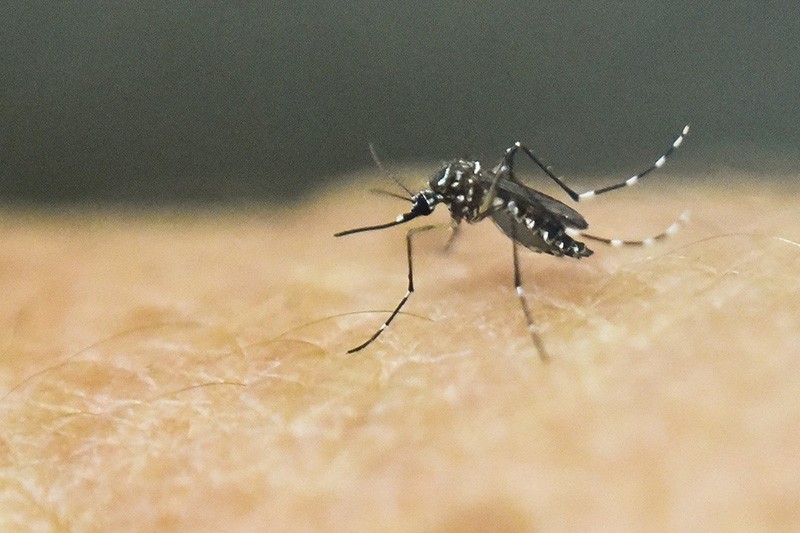
An Aedes Aegypti mosquito is photographed on human skin in a lab of the International Training and Medical Research Training Center (CIDEIM) on January 25, 2016, in Cali, Colombia. (AFP Photo)
by Jan 25, 2018 12:00 am

The mosquito-born Zika virus may be responsible for an increase in birth defects in U.S. states and territories even in women who had no lab evidence of Zika exposure during pregnancy, U.S. health officials said on Thursday.

Areas in which the mosquito-borne virus has been circulating, including Puerto Rico, southern Florida and part of south Texas, saw a 21 percent rise in birth defects strongly linked with Zika in the last half of 2016 compared with the first half of that year, the U.S. Centers for Disease Control and Prevention said in its weekly report on death and disease.

Researchers said it was not clear if the increase was due to local transmission of Zika alone or if there were other contributing factors.

The Zika outbreak was first detected in Brazil in 2015 and spread through the Americas. It has been linked to thousands of suspected cases of microcephaly, a rare birth defect marked by unusually small head size, eye abnormalities and nerve damage resulting in joint problems and deafness.

For the report, the CDC examined existing birth defect reporting systems in 14 U.S. states and Puerto Rico to look for birth defects possibly associated with Zika.

They divided these areas into three groups: places with local Zika transmission, places with higher levels of travel-associated Zika, and places with lower rates of travel-related Zika.

Overall, they found three cases of birth defects potentially related to Zika per 1,000 live births out of 1 million births in 2016, about the same as the prior reporting period in 2013-2014.

When they looked specifically in areas with local Zika transmission and looked only at birth defects most strongly linked with Zika, they saw an increase.

"We saw this significant 21 percent increase in the birth defects most strongly linked to Zika in parts of the U.S. that had local transmission of Zika," Peggy Honein, an epidemiologist and chief of the CDC's Birth Defects Branch, said in a telephone interview. "The only area where we saw this increase was in the jurisdictions that had local transmission."

CDC researchers anticipate another increase in possible Zika-related birth defects when 2017 data are analyzed because many pregnant women exposed to Zika in late 2016 gave birth in 2017.


About the author
Research Associate at Center for Islam and Global Affairs (CIGA) at Istanbul Sabahattin Zaim University
  • shortlink copied
  • Last Update: Jan 25, 2018 11:05 pm
    KEYWORDS
    world
    The Daily Sabah Newsletter
    Keep up to date with what’s happening in Turkey, it’s region and the world.
    You can unsubscribe at any time. By signing up you are agreeing to our Terms of Use and Privacy Policy. This site is protected by reCAPTCHA and the Google Privacy Policy and Terms of Service apply.
    No Image
    Prominent figures diagnosed with COVID-19
    PHOTOGALLERY
    • POLITICS
    • Diplomacy
    • Legislation
    • War On Terror
    • EU Affairs
    • News Analysis
    • TÜRKİYE
    • Istanbul
    • Education
    • Investigations
    • Minorities
    • Diaspora
    • World
    • Mid-East
    • Europe
    • Americas
    • Asia Pacific
    • Africa
    • Syrian Crisis
    • İslamophobia
    • Business
    • Automotive
    • Economy
    • Energy
    • Finance
    • Tourism
    • Tech
    • Defense
    • Transportation
    • News Analysis
    • Lifestyle
    • Health
    • Environment
    • Travel
    • Food
    • Fashion
    • Science
    • Religion
    • History
    • Feature
    • Expat Corner
    • Arts
    • Cinema
    • Music
    • Events
    • Portrait
    • Performing Arts
    • Reviews
    • Sports
    • Football
    • Basketball
    • Motorsports
    • Tennis
    • Opinion
    • Columns
    • Op-Ed
    • Reader's Corner
    • Editorial
    • Photo gallery
    • DS TV
    • Jobs
    • privacy
    • about us
    • contact us
    • RSS
    © Turkuvaz Haberleşme ve Yayıncılık 2021