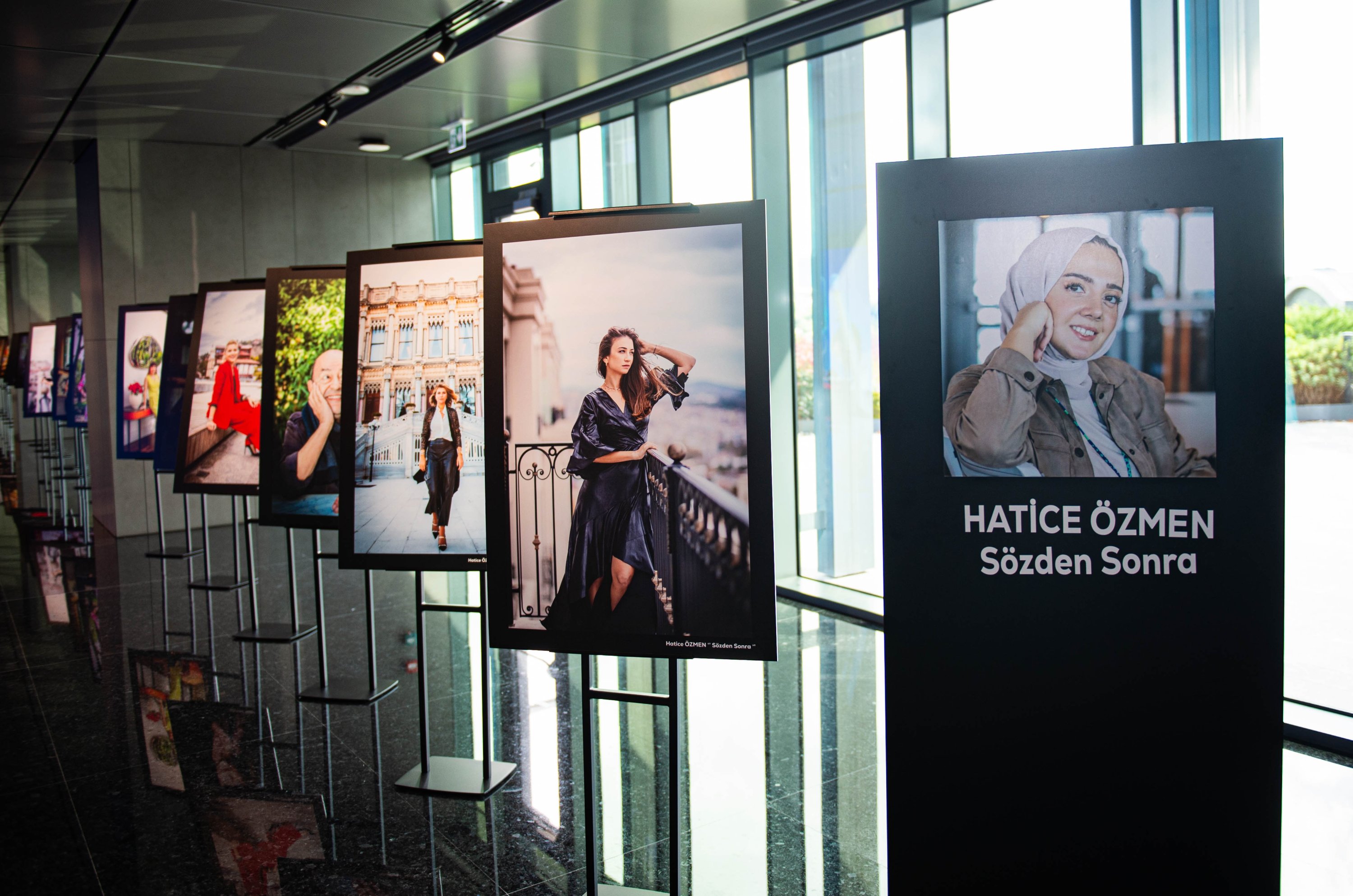
Over the past nine years, photojournalist Hatice Özmen has photographed portraits of people for Turkuvaz Media’s Sabah newspaper. Some of those pictured are no longer alive, while others remain part of our lives. Yet each portrait seems to hold a story waiting to be told.
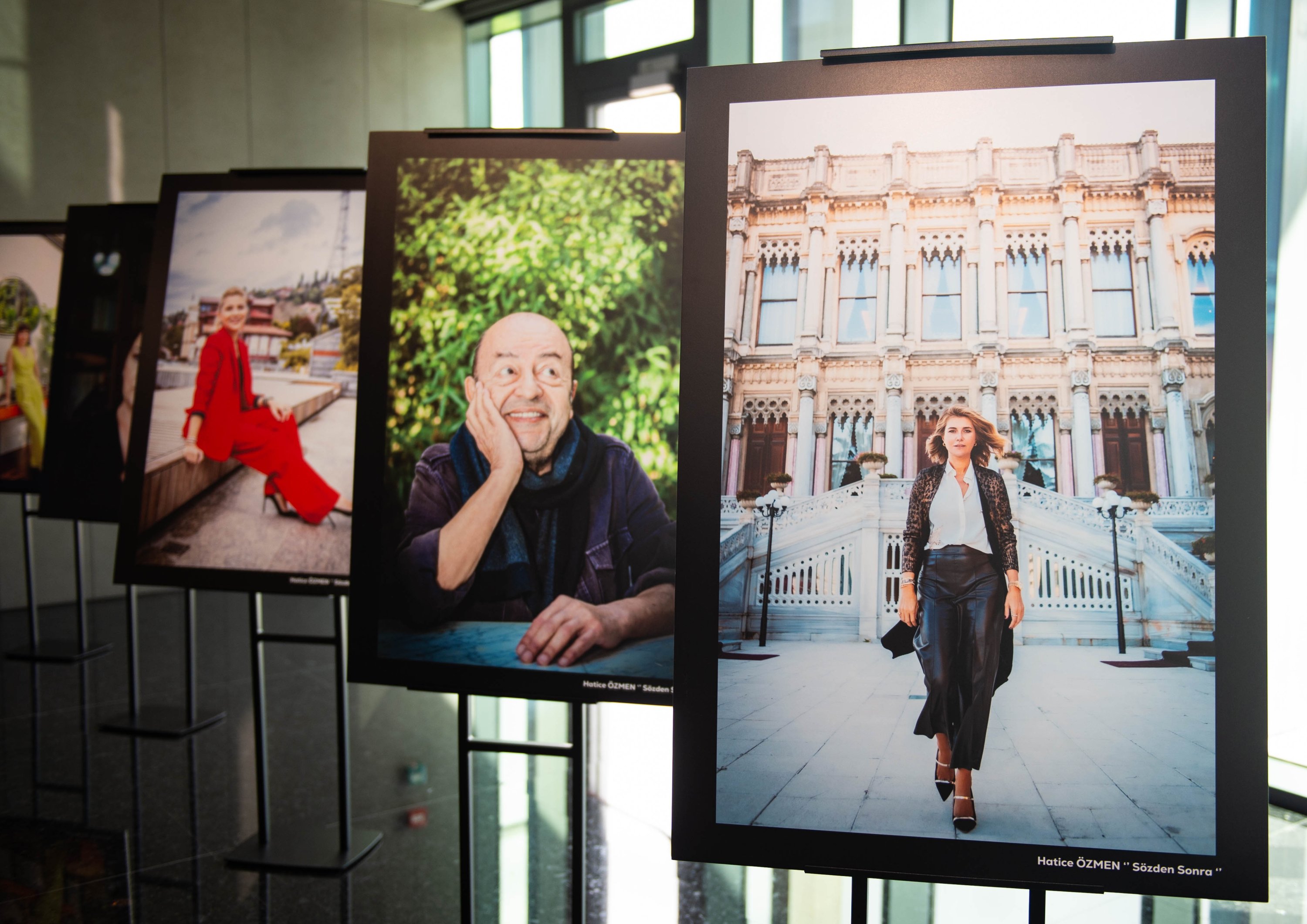
This is where Özmen’s exhibition, titled “After the Words,” takes its starting point: the look that remains when words come to an end.
Because photographs speak, too. Those who know how to look can hear them.
We spoke with Özmen about the story behind “After the Words,” her nine years as a photojournalist and the people whose portraits have become part of the workplace where she has spent much of her career.
Born in Türkiye's Ardahan in 1996, Özmen spent her childhood in Istanbul’s Sancaktepe district before studying photography and camerawork at Süleyman Demirel University.
Her decision to become a photographer was not made overnight. While in high school, she took graduation photographs for her friends and realized how much she enjoyed it. That experience influenced her university choice, and it was during her studies that she began to understand the power of photography as a language of journalism.
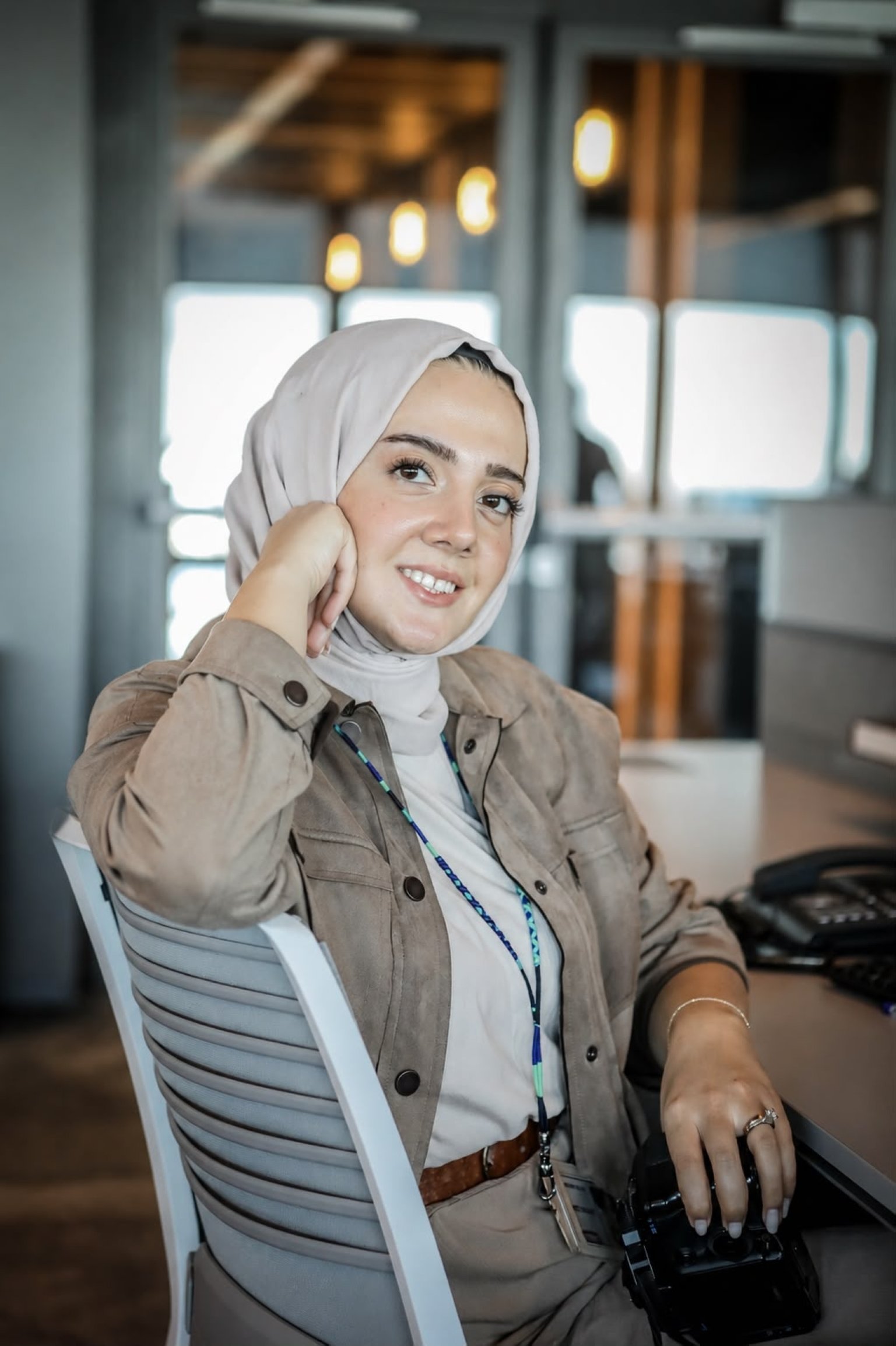
“Sometimes, a single expression on a person’s face can say something that pages of writing cannot,” Özmen said.
That was what drew her most strongly to photography, she explained: the ability to see not only what people say but also what they leave unsaid.
Over time, photography became more than a profession for Özmen. It became a way of getting to know people and witnessing their stories.
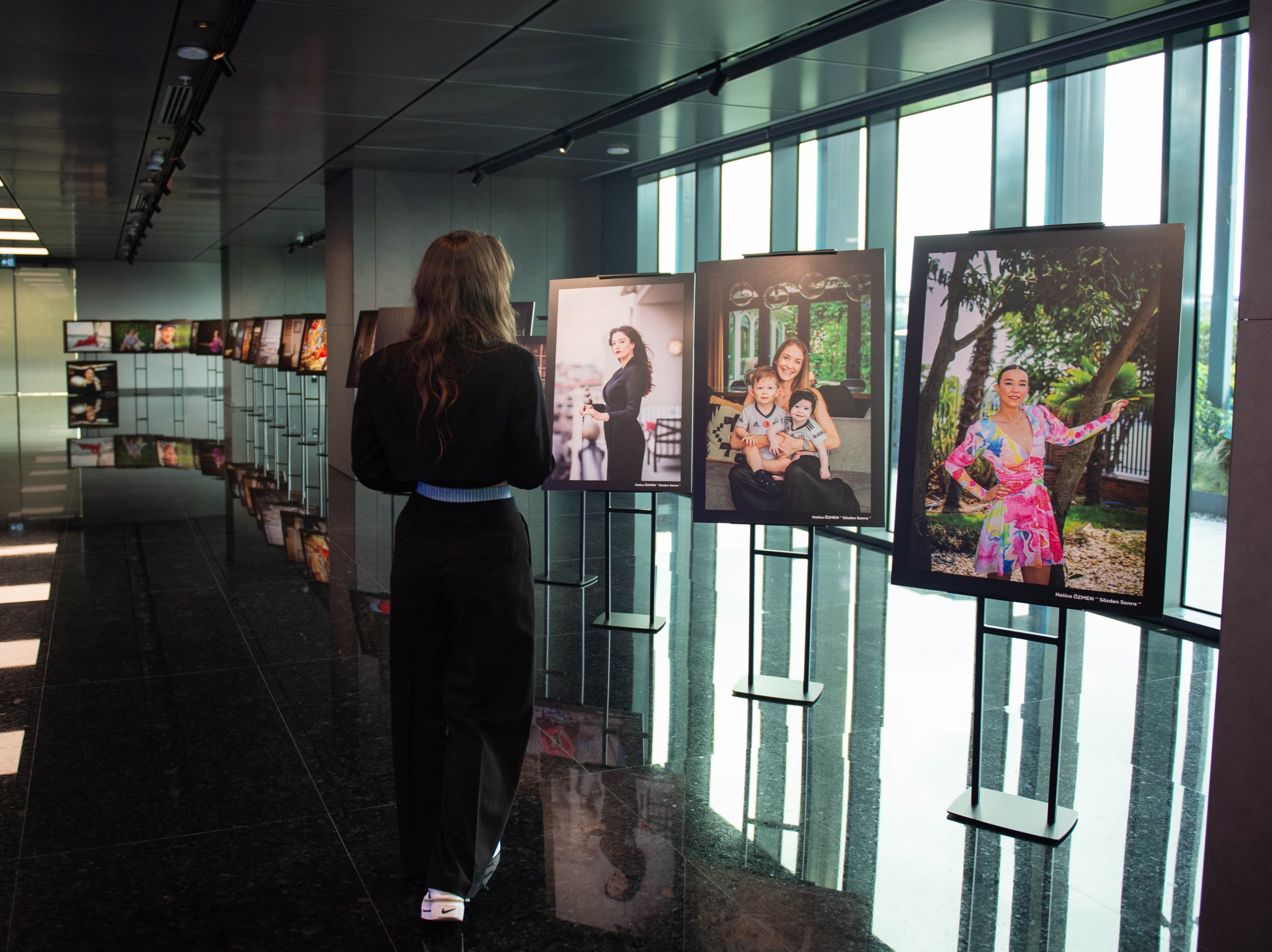
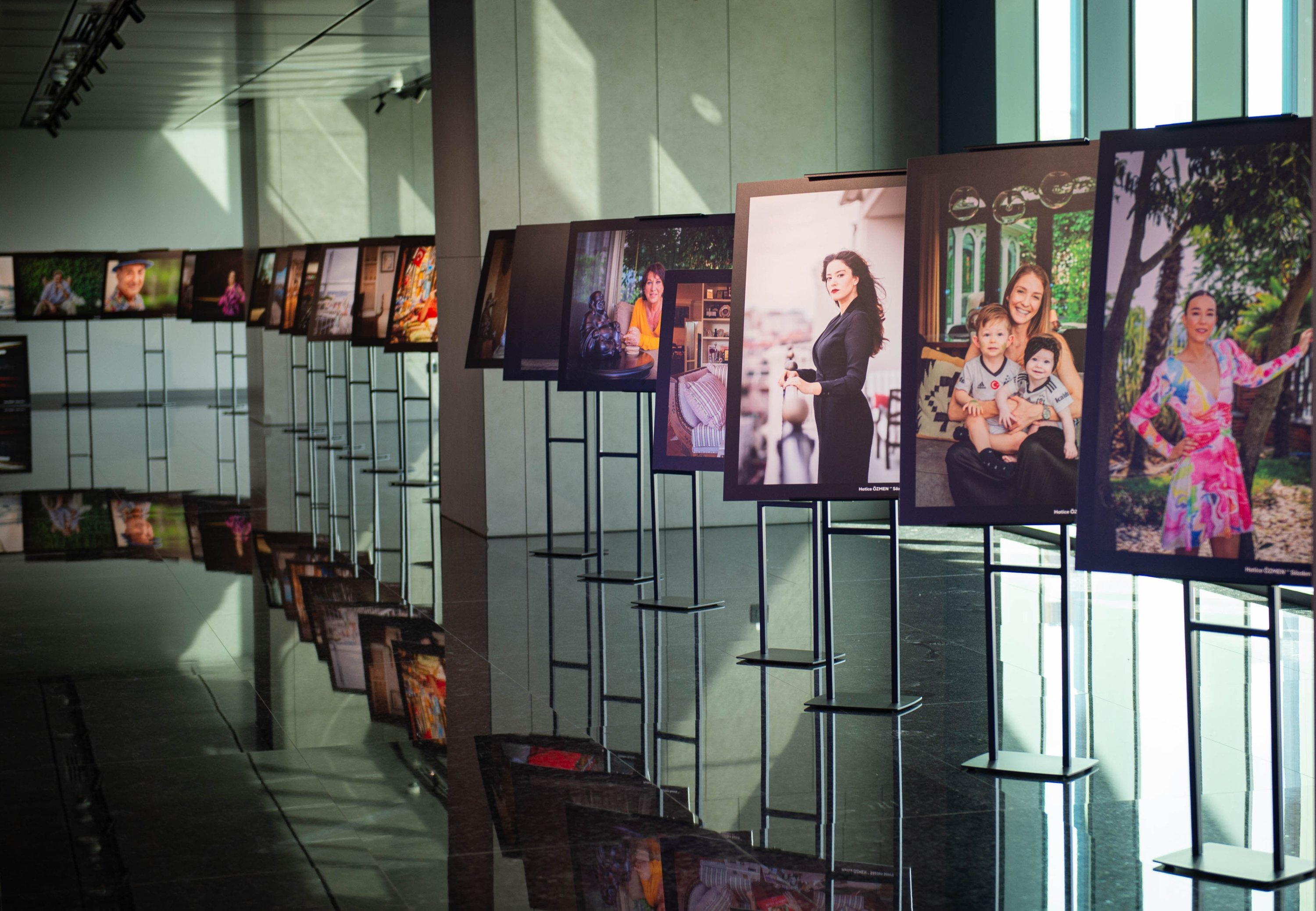
During her years at Sabah, she has met countless people and witnessed a wide range of stories and significant moments. When Turkuvaz Media’s Corporate Communications Department proposed holding an exhibition in the building, Özmen looked back through her photographs and realized that they represented more than news images or archival material.
“Behind each one, there was a person, a period and an emotion,” she said.
She wanted to bring the photographs together not simply as individual frames but as traces left behind by the people she had photographed.
Selecting 25 photographs from thousands, perhaps tens of thousands, of images was not easy.
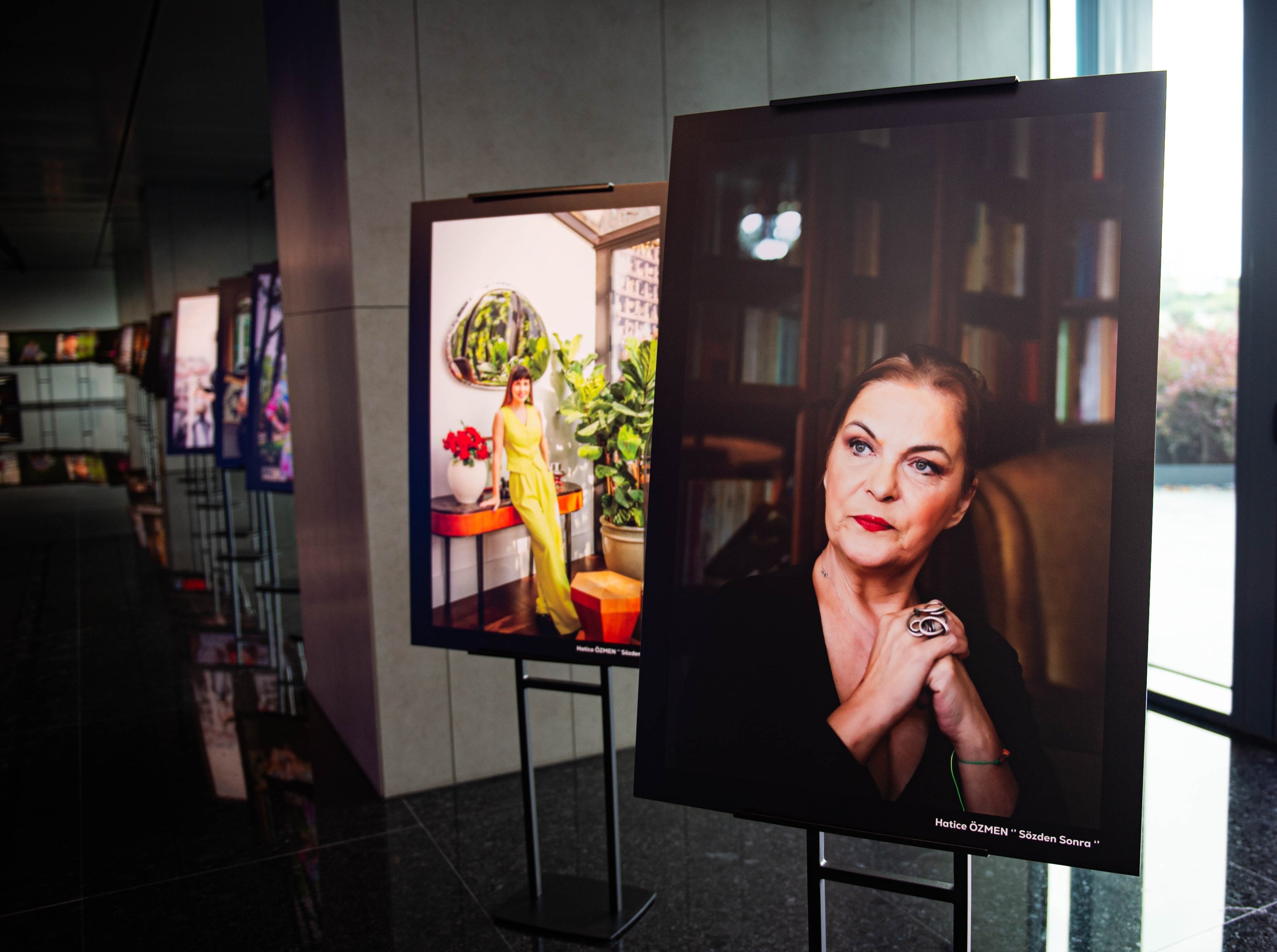
“I really don't know how many photographs I have taken so far,” Özmen said. “There are probably thousands, perhaps tens of thousands of frames.”
With digital photography, accumulating images has become easier, but for her, the number of photographs taken is less important than the emotion they leave behind.
Choosing the 25 images proved difficult because each photograph carries its own story. When Özmen looks at her photographs, she said, she remembers the moment before she thinks about the technical qualities of the image.
“The hardest part was answering the question, ‘Should I tell this story or the other one?’” she said.
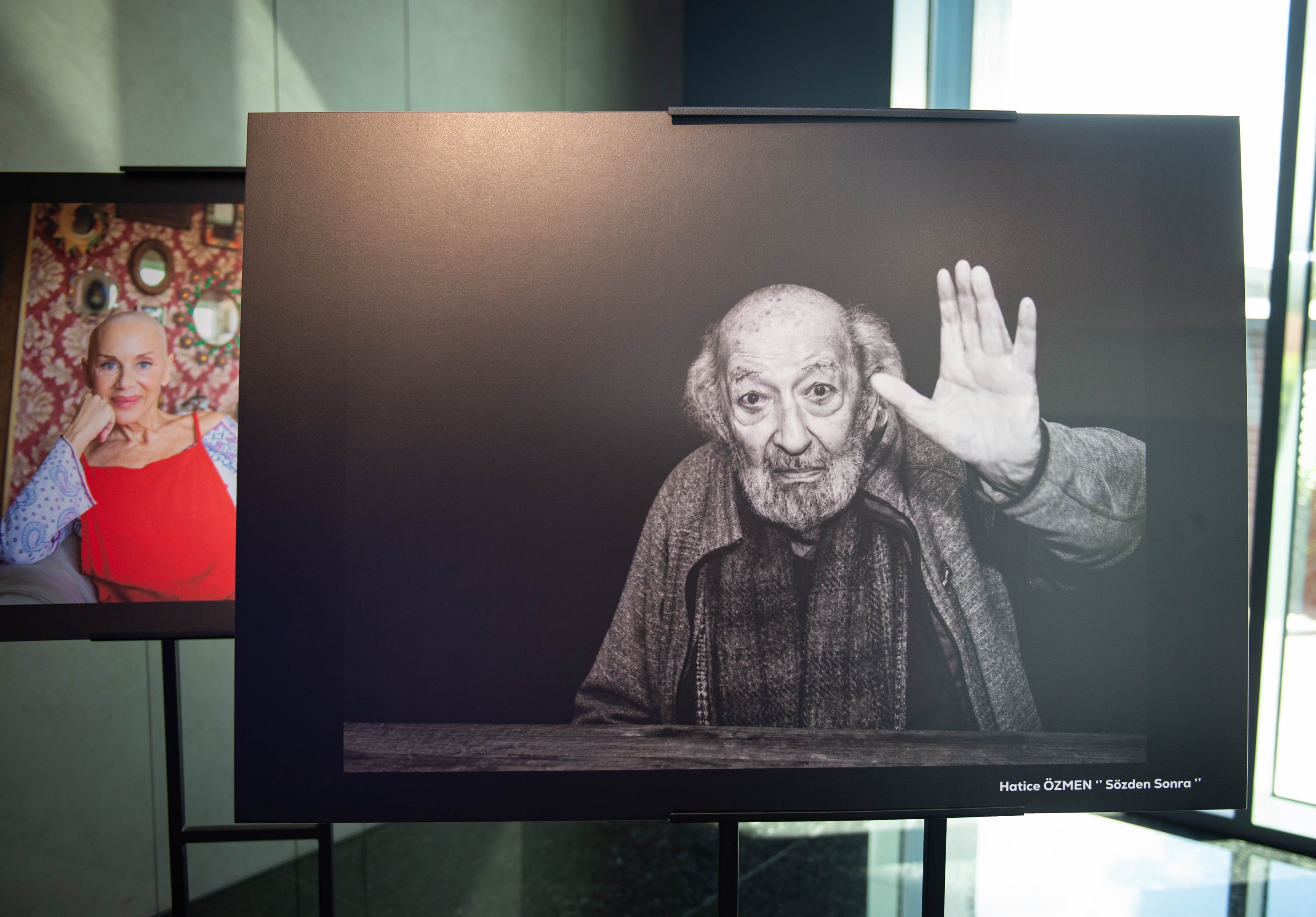
Among the people she has photographed is legendary Turkish photographer Ara Güler, whose final years Özmen had the opportunity to document.
She remembers that day as particularly difficult and significant.
“Standing in front of me was not only a very important photographer, but also someone who had a very important place in my professional life,” she said.
A photographer normally has to communicate with the person in front of the camera, put them at ease and capture a natural moment. But that day felt different.
“When I picked up my camera, I tried to do my job, but at the same time I felt that this moment would never happen again,” Özmen said. “I think that feeling was reflected in the photographs.”
For her, the value of those images comes not simply from having photographed Ara Güler, but from having witnessed a very special moment during the final period of his life.
Another notable figure Özmen has photographed is businessperson Bülent Eczacıbaşı, who is also interested in photography. Their shared interest created a different kind of connection between photographer and subject.
“I remember that there was a mutual curiosity about photography,” Özmen said.
She believes communication between a photographer and a subject can sometimes be different when the person in front of the camera understands photography themselves.
“For me, the most beautiful part was that photography brings people together around a common point,” she said. “Sometimes you don't need to talk for a long time. You can communicate through a look or even through a single frame.”
Two of the people featured in the exhibition, Ara Güler and actor Billur Kalkavan, are no longer alive. Yet their portraits continue to greet employees as they enter the building each day.
For Özmen, this reflects one of photography’s greatest strengths: its ability to preserve a moment after a person is gone.
“When a person dies, they are no longer physically with us, but photography stops time,” she said.
Passing their portraits, she sometimes finds herself returning to the moments when she took the photographs – remembering a look, an expression or the atmosphere of that day.
“Having a photograph hanging on a wall is not only about remembering the past; it feels like bringing that person together with the present,” Özmen said.
The portraits can bring sadness, she added, but also give her another opportunity to remember the people behind them.
Over the course of her career, Özmen has photographed countless people. The moments that have made her happiest are often surprisingly simple: seeing the person she photographed genuinely like the resulting image.
“When I photograph people, I don't only want them to look good. I want them to see themselves,” she said.
The most difficult moments, meanwhile, have involved people whose farewells were approaching or who later died.
As with Ara Güler, Özmen said, the meaning of some photographs becomes clearer with time.
“Sometimes a frame that seems ordinary at the time becomes a very valuable memory for you years later,” she said.
That sense of time is also at the heart of “After the Words.”
For Özmen, the title refers to the nature of photography itself. People can choose their words, explain themselves and sometimes even hide behind what they say. But a look, a hand gesture or a moment of silence in front of a camera can reveal something else.
“I tried to capture not so much what people said, but the emotion that remained after their words,” she said. “Perhaps that is exactly what the title of the exhibition describes: After a person falls silent, the photograph begins to speak.”
Asked whom she would most like to photograph, Özmen does not point to a particular celebrity or public figure.
“I would like to photograph anyone whose life and world I am curious about, anyone who can tell me a new story,” she said.
For her, how famous a person is matters less than the story they carry. She also thinks about the many important figures from the past whom she never had the chance to photograph.
“Photography is also about being aware of the moments you have missed,” she said.
While the exhibition focuses on the people in front of her camera, Özmen also emphasizes the importance of the photographer behind it.
She believes a photographer’s eye matters more than the camera itself. Good equipment can make the job easier, but what ultimately defines a photograph is the photographer’s ability to recognize the right moment.
She chooses her camera and equipment according to the conditions of each assignment. For portraits in particular, natural light, the right angle and communication with the subject are often more important to her than technical specifications.
She uses Canon cameras and a range of lenses, particularly portrait lenses.
There have also been photographs she has had to delete.
“In photography, sometimes one of the hardest decisions is not pressing the shutter but deleting a photograph you have taken,” Özmen said.
Some images may be technically imperfect but carry a powerful emotion, while others may be technically flawless yet fail to make the viewer feel anything.
“Before deleting a photograph, I ask myself, ‘Does this frame tell me something?’” she said. “If the answer is no, I can let it go, no matter how beautiful it looks.”