Daily Sabah logo

Politics
Diplomacy Legislation War On Terror EU Affairs Elections News Analysis
TÜRKİYE
Istanbul Education Investigations Minorities Expat Corner Diaspora
World
Mid-East Europe Americas Asia Pacific Africa Syrian Crisis Islamophobia
Business
Automotive Economy Energy Finance Tourism Tech Defense Transportation News Analysis
Lifestyle
Health Environment Travel Food Fashion Science Religion History Feature Expat Corner
Arts
Cinema Music Events Portrait Reviews Performing Arts
Sports
Football Basketball Motorsports Tennis
Opinion
Columns Op-Ed Reader's Corner Editorial
PHOTO GALLERY
JOBS ABOUT US RSS PRIVACY CONTACT US
© Turkuvaz Haberleşme ve Yayıncılık 2025

Daily Sabah - Latest & Breaking News from Turkey | Istanbul

  • Politics
    • Diplomacy
    • Legislation
    • War On Terror
    • EU Affairs
    • Elections
    • News Analysis
  • TÜRKİYE
    • Istanbul
    • Education
    • Investigations
    • Minorities
    • Expat Corner
    • Diaspora
  • World
    • Mid-East
    • Europe
    • Americas
    • Asia Pacific
    • Africa
    • Syrian Crisis
    • Islamophobia
  • Business
    • Automotive
    • Economy
    • Energy
    • Finance
    • Tourism
    • Tech
    • Defense
    • Transportation
    • News Analysis
  • Lifestyle
    • Health
    • Environment
    • Travel
    • Food
    • Fashion
    • Science
    • Religion
    • History
    • Feature
    • Expat Corner
  • Arts
    • Cinema
    • Music
    • Events
    • Portrait
    • Reviews
    • Performing Arts
  • Sports
    • Football
    • Basketball
    • Motorsports
    • Tennis
  • Gallery
  • Opinion
    • Columns
    • Op-Ed
    • Reader's Corner
    • Editorial
  • TV
  • Arts
  • Cinema
  • Music
  • Events
  • Portrait
  • Reviews
  • Performing Arts

Ancient bodies found in Mexico unfurl shared Catholic, pre-Hispanic cultures

by Reuters

MEXICO CITY Feb 22, 2023 - 9:36 am GMT+3
Edited By Buse Keskin
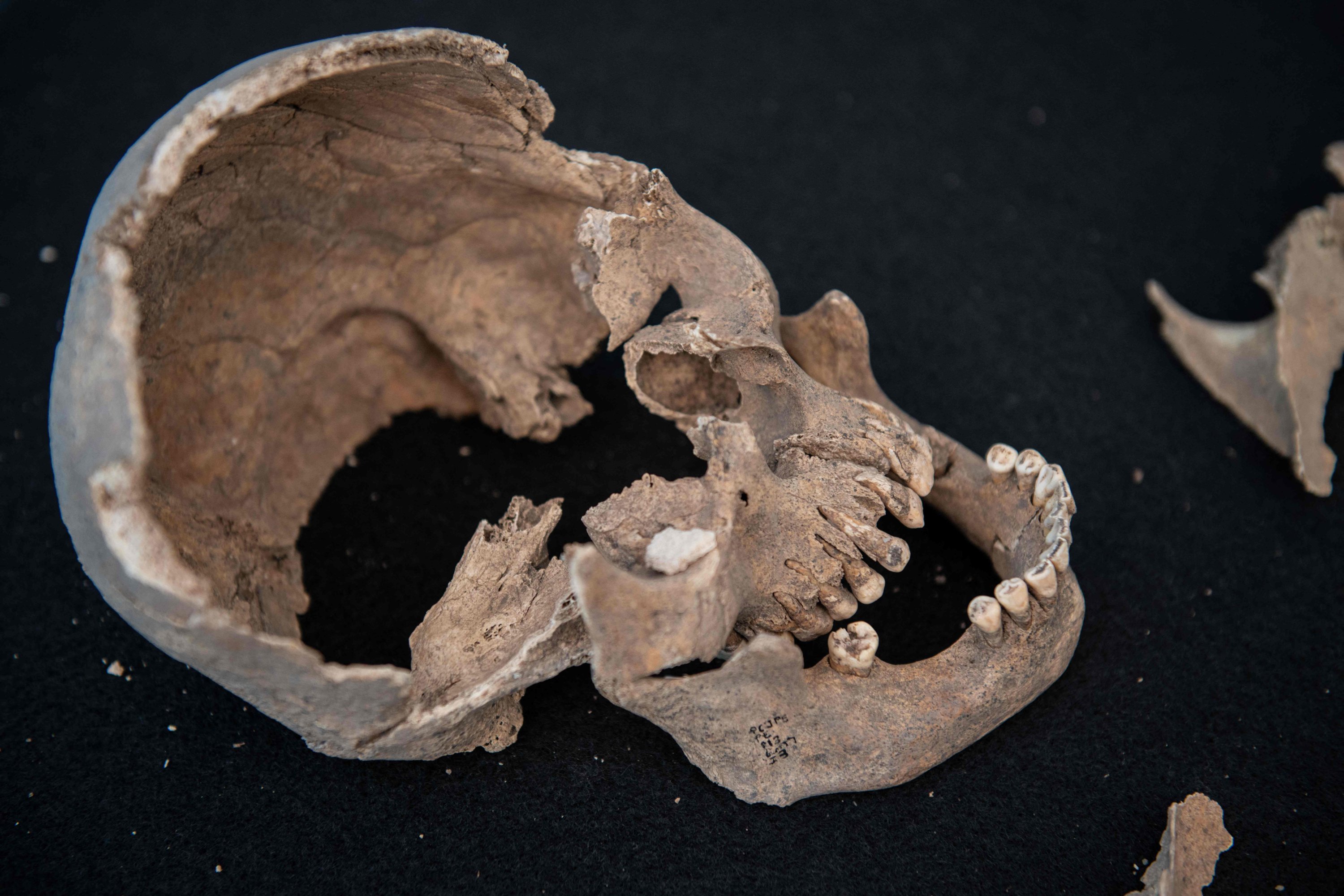
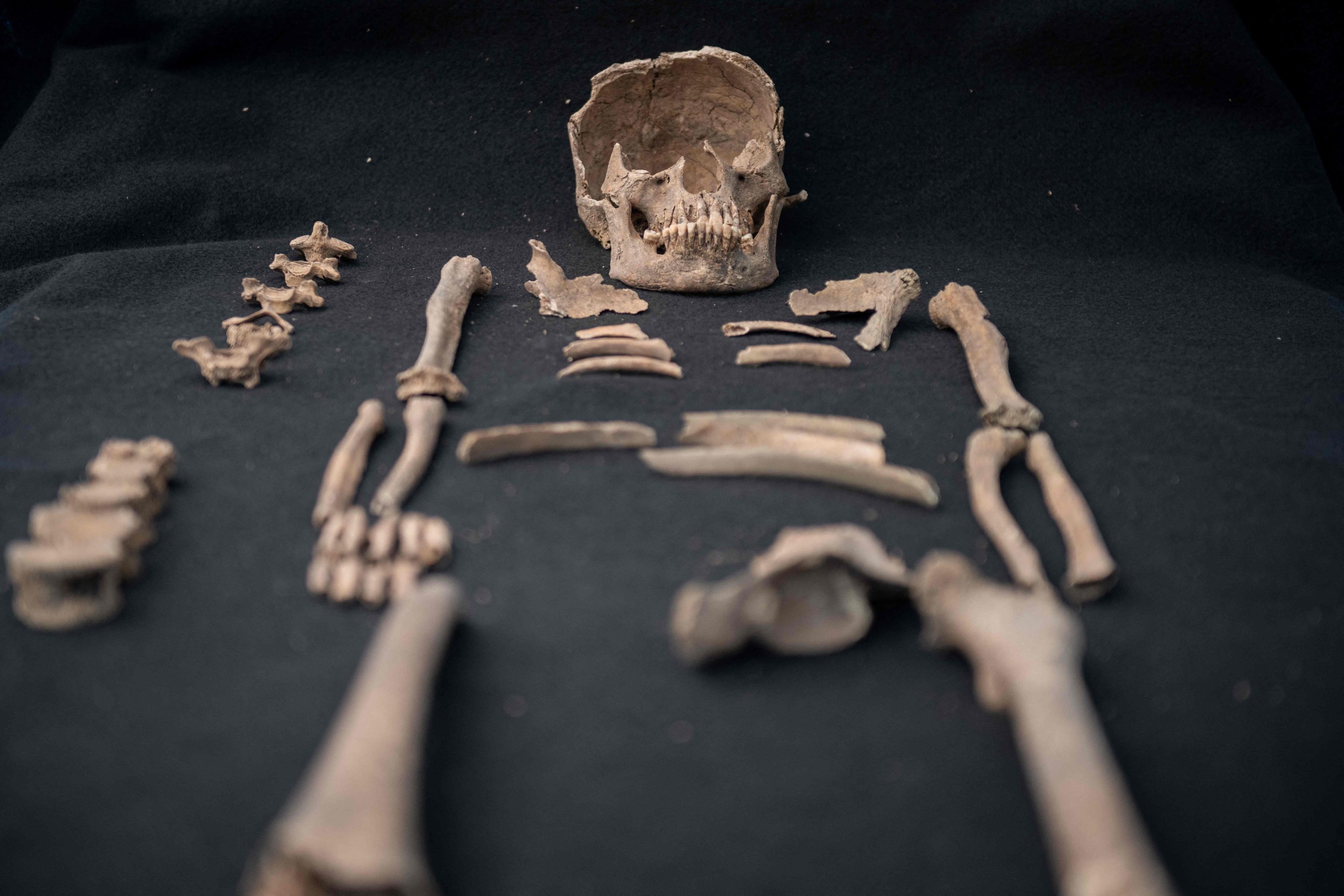
The remains of a woman found at an ancient cemetery discovered during the construction of a new project in Chapultepec Park in Mexico City, Mexico, Feb. 21, 2023. (AFP Photo)
by Reuters Feb 22, 2023 9:36 am
Edited By Buse Keskin

The unearthing of 28 human remains in Mexico, dating back at least four hundred years, suggests a blending of pre-Hispanic and Catholic cultures that were introduced by Spanish colonizers.

The discovery took place during the construction of a scenic pavilion in Mexico City's Chapultepec park in February, when researchers stumbled across a cemetery from the early viceregal period of 1521 to 1620 A.D.

Maria de Lourdes Lopez Camacho, head of archeological salvage and the National History Museum, said what is most striking is that, although the bodies originate from distinct populations, they were buried in the same period.

"Two burial systems have been found to coexist – the Christian burial and the burial in dorsal decubitus: The fetal position, on the side, with pre-Hispanic ceramic or obsidian, precisely from this Mexica or Tepaneca period," Lopez Camacho said, referring to the early viceregal period.

She added that it is possible the individuals had died from the same cause.
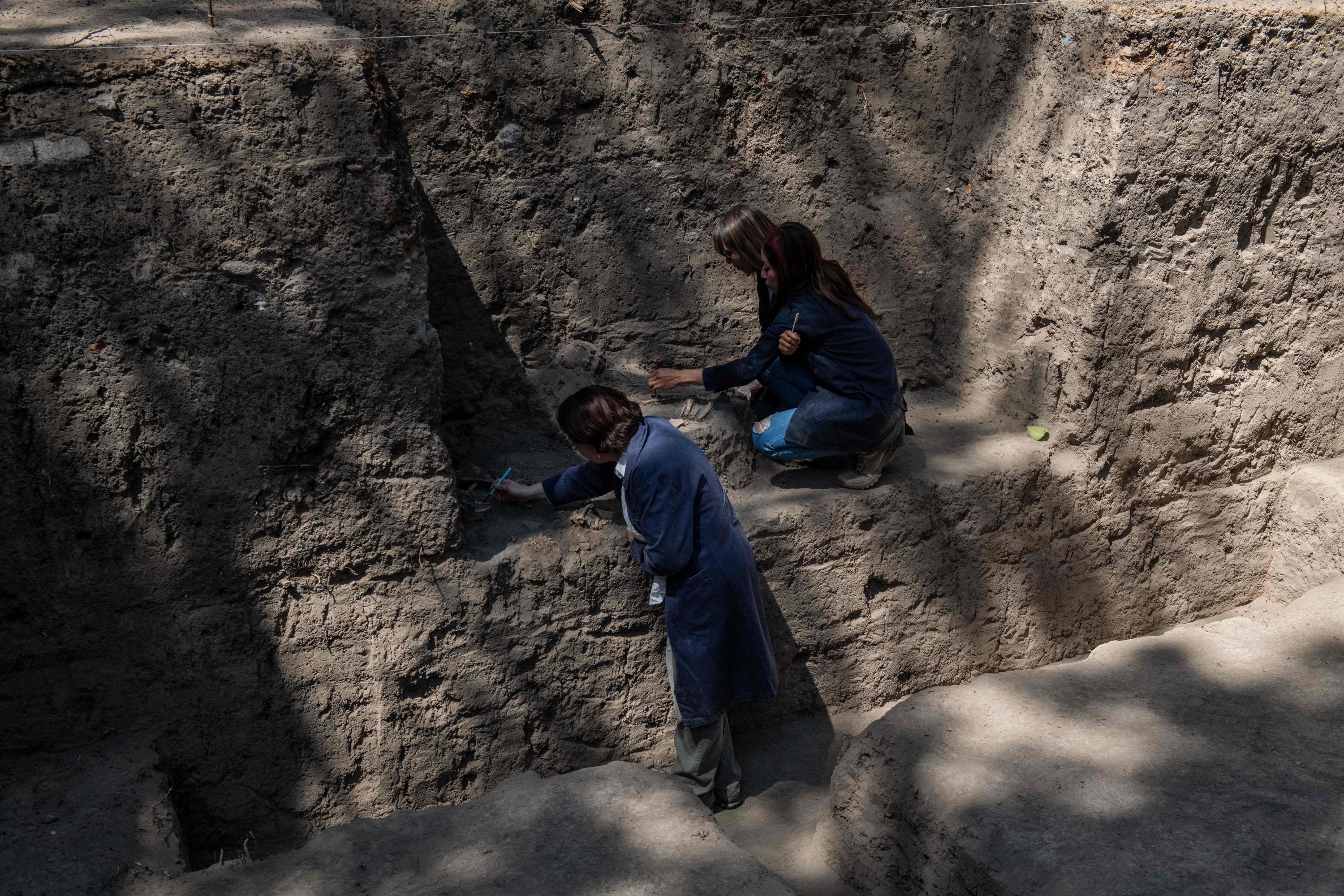
Experts at an ancient cemetery discovered during the construction of a new project in Chapultepec Park in Mexico City, Mexico, Feb. 21, 2023. (AFP Photo)
The remains of a woman found at an ancient cemetery discovered during the construction of a new project in Chapultepec Park in Mexico City, Mexico, Feb. 21, 2023. (AFP Photo)

"(The fact that) we have three levels of graves and there are a few centimeters that differentiate one level from another... tells us that there could have been one death or many deaths in a short period of time, which could suggest an epidemic," she said.

The burials also suggest that a nearby pre-Hispanic population could have been used as a labor force for the nearby mills, the first industries the Spanish set up, the archeologist added.

Studies conducted by Mexico's Directorate of Archaeological Salvage (DSA) indicate the bodies belong to two different groups and that they had suffered from infections and diseases related to nutritional deficiency. More studies are scheduled.

Mexico's National Institute of Anthropology and History (INAH) led the study.

  • shortlink copied
  • Last Update: Feb 22, 2023 11:18 am
    KEYWORDS
    artifacts mexico city pre-hispanic era colonialism
    The Daily Sabah Newsletter
    Keep up to date with what’s happening in Turkey, it’s region and the world.
    You can unsubscribe at any time. By signing up you are agreeing to our Terms of Use and Privacy Policy. This site is protected by reCAPTCHA and the Google Privacy Policy and Terms of Service apply.
    No Image
    Similar scenes from two global headlines
    PHOTOGALLERY
    • POLITICS
    • Diplomacy
    • Legislation
    • War On Terror
    • EU Affairs
    • News Analysis
    • TÜRKİYE
    • Istanbul
    • Education
    • Investigations
    • Minorities
    • Diaspora
    • World
    • Mid-East
    • Europe
    • Americas
    • Asia Pacific
    • Africa
    • Syrian Crisis
    • İslamophobia
    • Business
    • Automotive
    • Economy
    • Energy
    • Finance
    • Tourism
    • Tech
    • Defense
    • Transportation
    • News Analysis
    • Lifestyle
    • Health
    • Environment
    • Travel
    • Food
    • Fashion
    • Science
    • Religion
    • History
    • Feature
    • Expat Corner
    • Arts
    • Cinema
    • Music
    • Events
    • Portrait
    • Performing Arts
    • Reviews
    • Sports
    • Football
    • Basketball
    • Motorsports
    • Tennis
    • Opinion
    • Columns
    • Op-Ed
    • Reader's Corner
    • Editorial
    • Photo gallery
    • DS TV
    • Jobs
    • privacy
    • about us
    • contact us
    • RSS
    © Turkuvaz Haberleşme ve Yayıncılık 2021