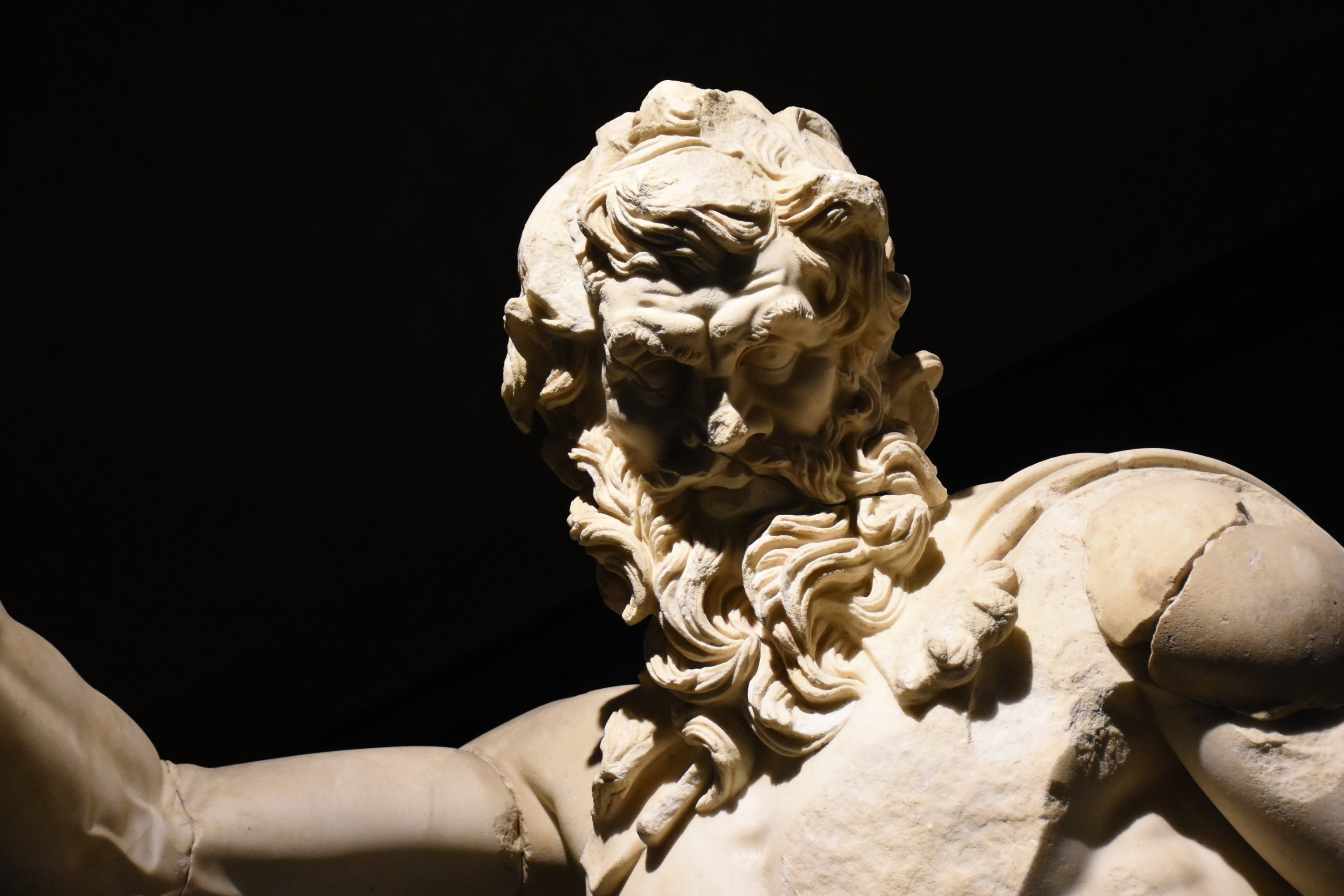
Antalya, a city that has hosted numerous civilizations throughout history, saw remarkable archaeological discoveries in 2024. Among the uncovered items, 886 artifacts have been officially added to the museum inventories.
Renowned not only for its natural beauty and high-quality facilities, Antalya is also one of the leading destinations for cultural tourism, thanks to its rich historical heritage. The region’s cultural treasures continue to be unearthed through extensive archaeological work that highlights its historical significance.
With the support of Türkiye’s Ministry of Culture and Tourism, archaeological excavations have been coordinated by both local and international scientific teams in cooperation with museum authorities. These efforts focus on uncovering and safeguarding the region’s cultural legacy.
Provincial Culture and Tourism Director Candemir Zoroğlu spoke to Anadolu Agency (AA) about the successful year in terms of archaeological work in 2024. According to Zoroğlu, substantial progress has been made under the “Future Heritage Project,” which involves intensive excavation and conservation activities at several ancient sites, including Side, Syedra, Sillyon, Olympos and Phaselis.
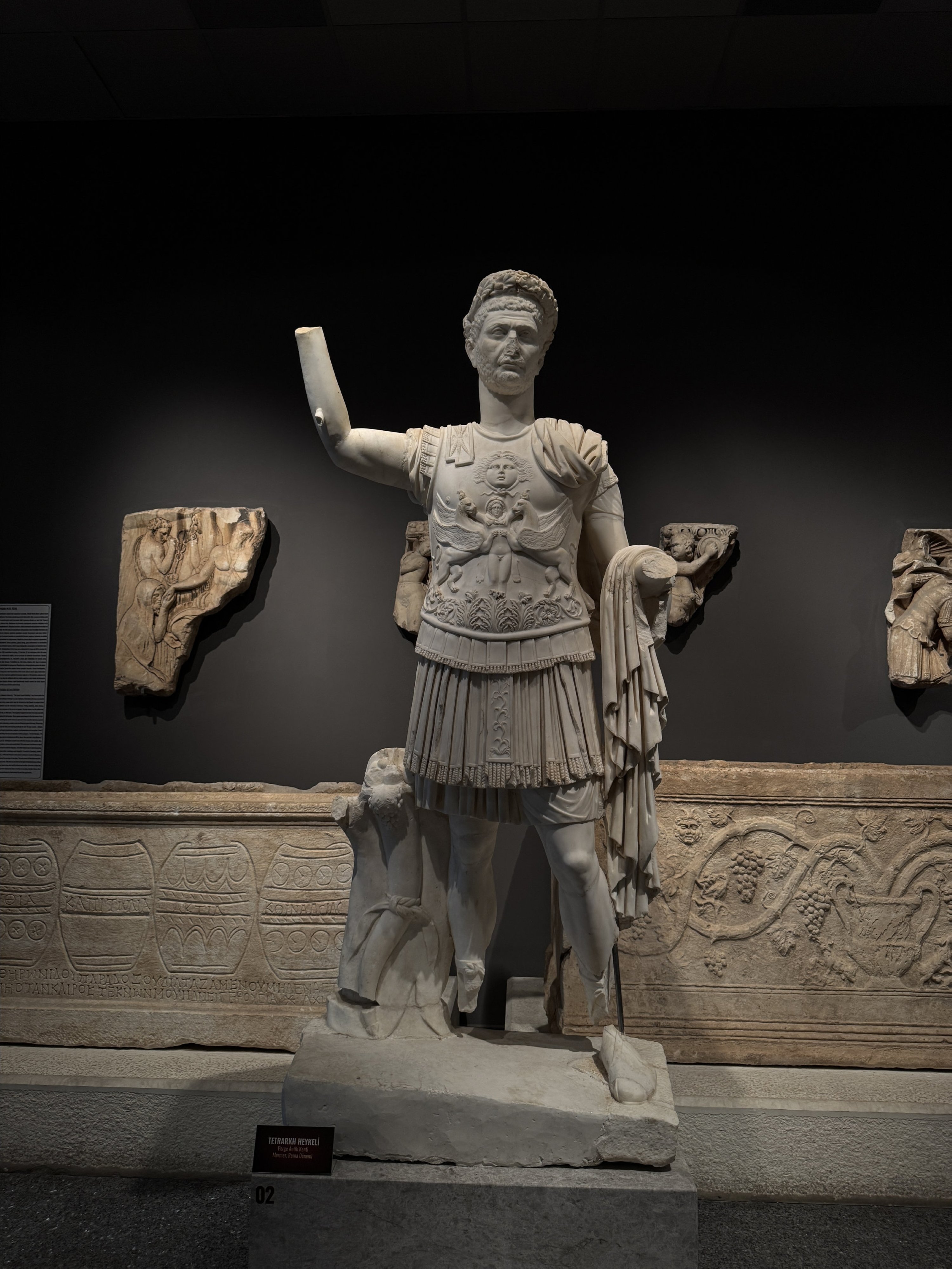
In 2024, archaeological work was conducted at 28 different sites across the city, with three of these being underwater excavations. Zoroğlu emphasized that these efforts received unprecedented support from the ministry while also highlighting the collaborative work with the Turkish Tourism Promotion and Development Agency and the local government in promoting these sites.
Zoroğlu noted that Antalya aims to become the capital of sustainable cultural tourism. For this, the ministry allocated a budget of TL 500 million ($14.03 million) specifically for archaeological excavations in the region. He described this as a “layered record” of achievements, reflecting the significance of these efforts.
Throughout 2024, 886 significant artifacts were discovered, with 527 of these being transferred to the Side Museum and the remaining pieces being housed in the Antalya Archaeology Museum, Alanya Museum and Demre Museum. Zoroğlu emphasized the exceptional quality of some of these finds.
One particularly notable discovery occurred at Myra-Andriake, where decorative glass panels crafted using the "millefiori" (thousand-flower) technique were unearthed. These pieces are rare examples of cultural artifacts, not just in Türkiye but globally.
At Phaselis, an ancient city on the Mediterranean coast, archaeologists uncovered an important find along Harbor Street. Zoroğlu described this discovery as “truly surprising” and noted that it could reshape the historical understanding of the Mediterranean region. Among the findings was an altar dedicated to Apollo, along with small votive statues.
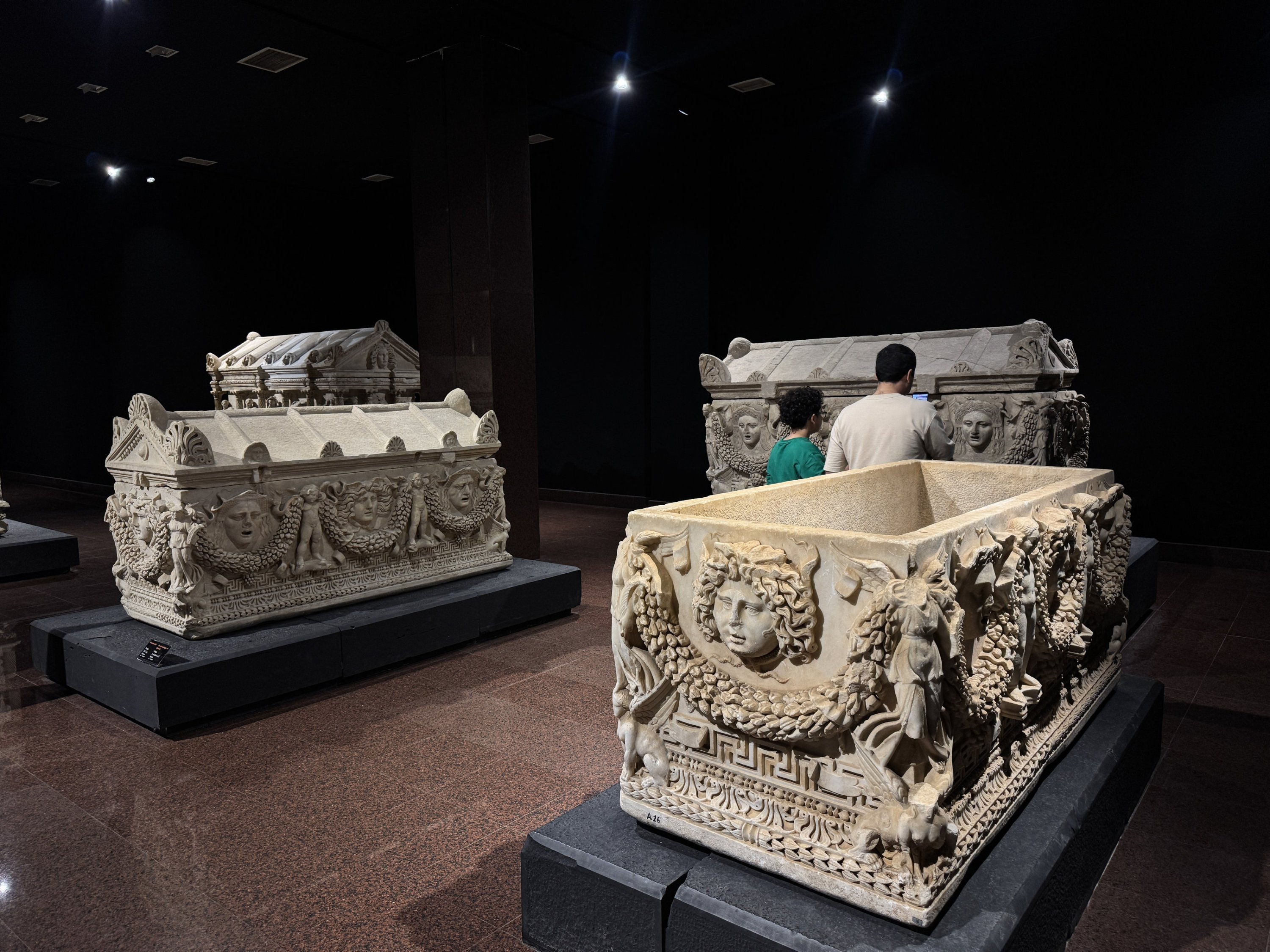
In Side, significant excavation, restoration and environmental development projects have also taken place. Zoroğlu mentioned that the Side Museum had been reopened with new displays that beautifully showcase the region's cultural richness. Additionally, in Alanya’s Syedra, a precious mosaic was uncovered, along with nearly complete olive oil workshops, whose restoration efforts are ongoing.
Zoroğlu further elaborated on a valuable sarcophagus found inside the Church of St. Nicholas while also highlighting important findings such as mosaics depicting the mythological muse Calliope in Side and the 2,000-year-old statues of Zeus and Aphrodite from Aspendos.
Zoroğlu emphasized that Antalya's cultural heritage is vast and continues to attract global attention. As 2025 unfolds, archaeological work in the region will remain a priority, contributing not only to the preservation of its ancient sites but also to its status as a top cultural tourism destination.
Antalya's ongoing commitment to unearthing and preserving historical treasures ensures its role as a bridge between the past and future, enriching both local and global understandings of history and culture.