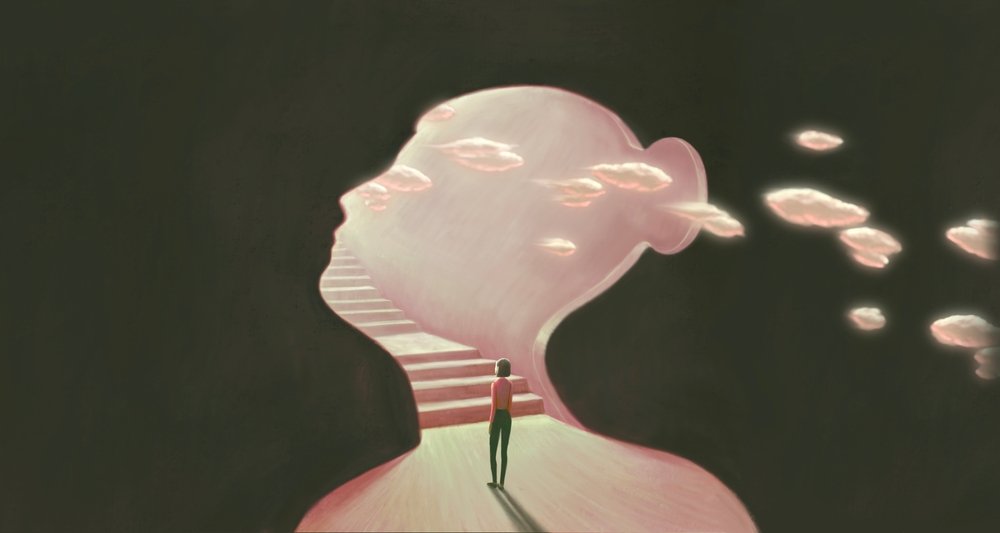
We inhabit an age of ceaseless declarations, statements and visual noise, yet the most transformative artistic gestures often arrive without a single word. Silence, when aestheticized, carries a moral and political intensity that no manifesto can replicate. The still image, the suspended gesture, the unspoken symbol, they endure because they whisper when the world screams.
To speak of art as power is to recognize that beauty and defiance are not opposites, but twins. The political power of aesthetics does not lie in propaganda, nor in direct protest, but in its capacity to disturb without aggression, to wound consciousness gently, to cultivate empathy where ideology has calcified perception. When art refuses to conform to the rhythms of violence and noise, it performs its most radical act: it slows us down.
Walter Benjamin once described the “aestheticization of politics” as a fascist project, a manipulation of beauty to seduce the masses. Yet, what he left open is the inverse: the politicization of aesthetics when form itself becomes a vehicle for moral awakening. In that sense, the artwork’s beauty is not decorative but subversive. It reclaims sensibility from spectacle, it restores perception from numbness.
The lineage of silent resistance runs deep through the history of art. Francisco Goya’s "The Third of May 1808" (1814) stands as one of the earliest visual indictments of political violence. The painting screams without sound: the faceless soldiers, the anonymous execution, the single illuminated victim with outstretched arms. Goya does not argue; he witnesses. His silence is not absence; it is ethical restraint, the refusal to aestheticize suffering while still forcing us to see it.
More than a century later, Pablo Picasso would echo that same refusal in "Guernica" (1937). In shades of black, white and ash-gray, he constructed a monumental dirge for the innocent. The fractured horse, the screaming mother, the extinguished lamp, each fragment a syllable of a language that needs no translation.
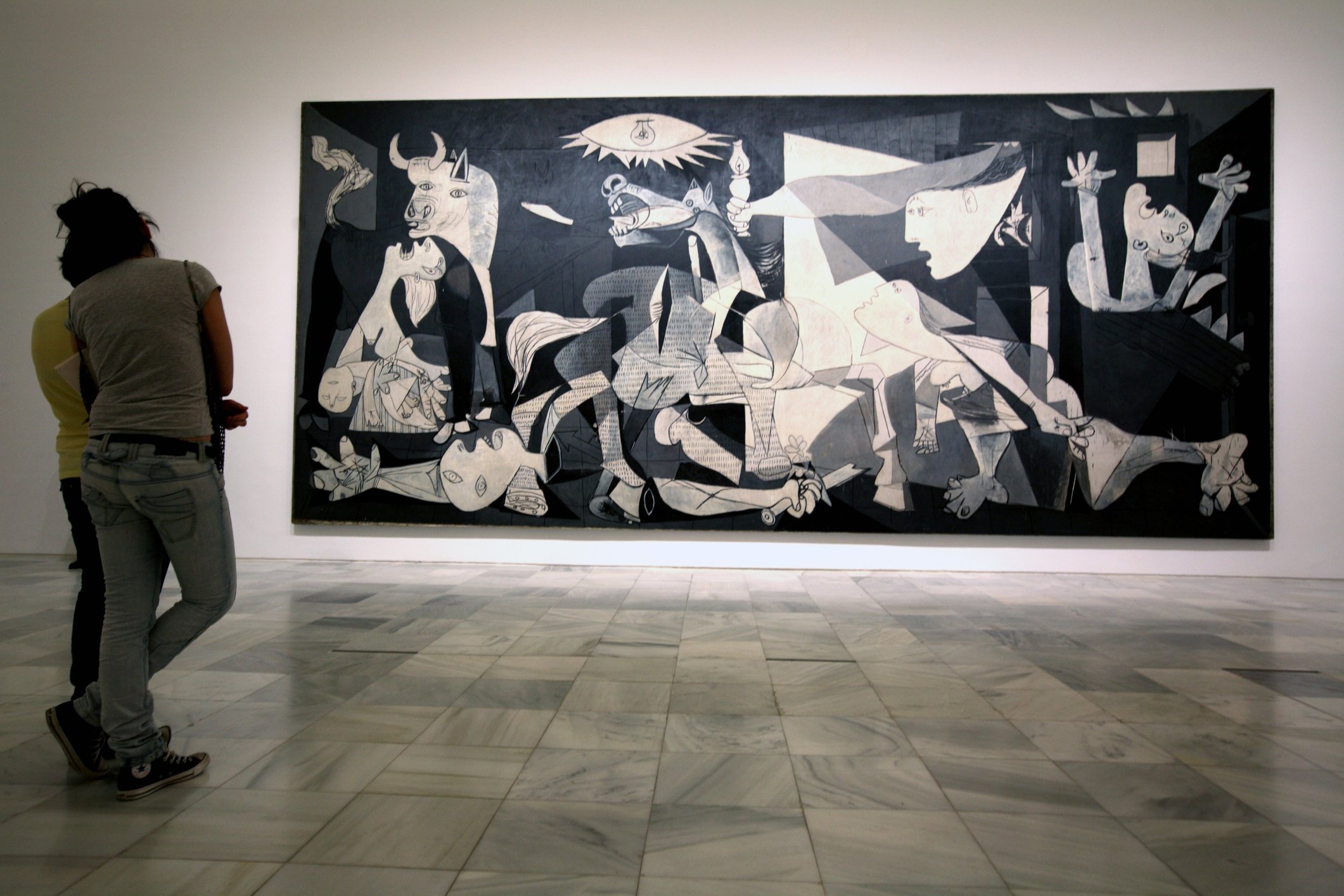
Guernica is not a political poster; it is a wound rendered visible. Its power derives precisely from its silence, its capacity to mourn rather than to mobilize. “Painting is not made to decorate apartments,” Picasso famously said. “It is an instrument of war.” But his war was not waged with slogans; it was fought through the discipline of form.
When Hannah Arendt wrote that “evil thrives on thoughtlessness,” she pointed to a truth that every artist understands instinctively: reflection is a moral act. In a time when images circulate at the speed of outrage, art that compels us to pause - to feel the slowness of looking - becomes revolutionary. The act of seeing itself becomes political. This is the core of Jacques Ranciere’s argument in "The Politics of Aesthetics" (2000): that art reshapes what he calls “the distribution of the sensible,” the map of what can be seen, said, or felt in a given society. To create a new aesthetic experience is to reconfigure perception – and thus, to open a new field of the political.
In that sense, the artist’s brush, camera, or gesture carries as much power as a vote or a protest. But its influence operates on another frequency, less immediate, more enduring. When Shirin Neshat photographs veiled women inscribed with Persian poetry, or when Mona Hatoum constructs fragile installations from hair, soap and barbed wire, their work does not shout ideology; it embodies contradiction. The feminine, the domestic, the fragile – all become vehicles of resistance, precisely because they refuse the masculine tropes of confrontation. Their art listens before it speaks.
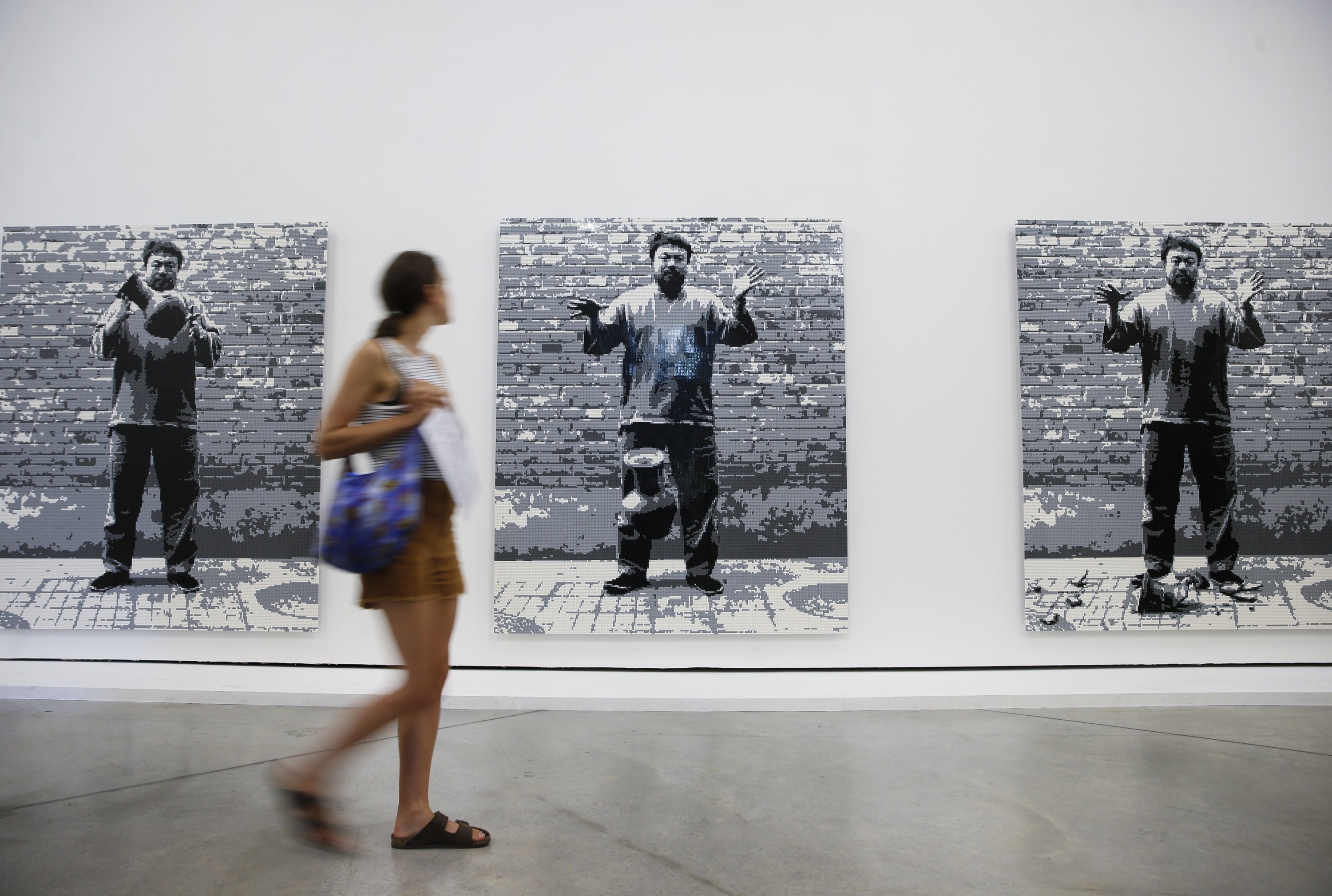
This quality - the paradoxical eloquence of silence - marks some of the most significant art of our time. Marina Abramovic, sitting immobile in "The Artist Is Present" (2010), transformed stillness into an emotional dialogue. Ai Weiwei, by simply dropping a Han dynasty urn or filling a hall with ceramic sunflower seeds, stages the tension between cultural continuity and political rupture. Their gestures, though minimal, reverberate with the fullness of dissent.
Yet the power of such art lies not merely in its symbolism, but in its ethics of attention. To attend to beauty, to linger with form, to practice contemplation – these are acts of resistance in a culture that monetizes distraction. The philosopher Theodor Adorno argued that true art “is the social antithesis of society.” It resists through form, not through content. Its autonomy – its refusal to become mere message, is its weapon. To remain art and not propaganda, is already to stand against power.
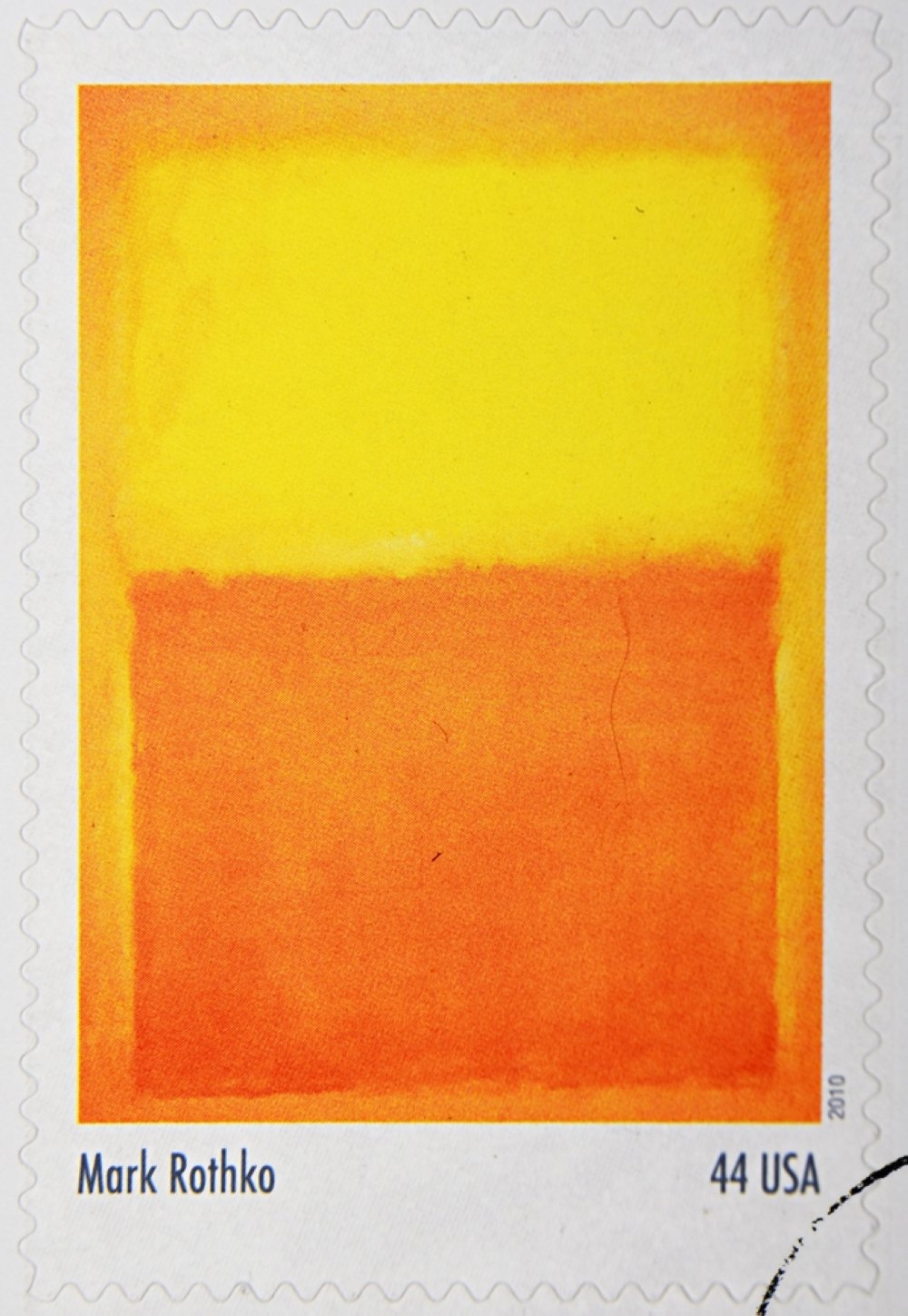
Still, beauty as a form of protest is not easily understood. We live in a world that equates volume with truth. The artist who whispers is often accused of indifference. But the history of art tells a different story: that silence can be incendiary. Think of Mark Rothko’s color fields vast, hovering, meditative emerging in the shadow of the Holocaust and the Cold War. They are not abstractions of despair, but sanctuaries of feeling. To stand before a Rothko is to enter a chapel of unspoken grief. The painting does not depict trauma; it absorbs it.
Similarly, when contemporary artists like Olafur Eliasson build ephemeral landscapes of light and fog, they remind us that ecology, too, is political. His installations do not moralize; they immerse. They make us feel the fragility of climate rather than preach it. As Susan Sontag wrote in "Regarding the Pain of Others," the danger of representation is desensitization – the more we see, the less we feel. True art reverses this: it makes us feel again, without spectacle.
The political power of aesthetics, therefore, is not in persuasion but in perception. Art does not dictate what to think; it teaches how to see. It expands the moral imagination, cultivating empathy without instruction. This is why totalitarian regimes fear it – because empathy destabilizes obedience. A painting that makes one person weep is more subversive than a thousand slogans.
In contemporary culture, where attention itself is a battlefield, beauty becomes an insurgent. Each time an artist refuses speed, refuses clarity, refuses noise – they reclaim space for the human spirit. The act of creating harmony amid dissonance is not naïve; it is a radical assertion that life can still be coherent. The aesthetic gesture, however small, insists that meaning is still possible.
John Berger wrote, “The function of art is to reveal what the world would be like if it were seen with love.” That love – quiet, unsentimental, persistent – is inherently political. It asserts value in what society discards. It is what allows art to endure beyond systems and slogans.
But perhaps the most profound resistance art offers is hope. Not optimism, which is naive, but hope as a discipline, as a deliberate act of imagination. To paint a blue sky after a century of wars, to sculpt a dove while bombs fall, to film laughter amid rubble, these are gestures of radical faith. They insist that the human capacity for beauty has not been annihilated. In that sense, the artist continues to create even when the world does not deserve art. And that is the highest form of challenge.
When I look at the trajectory of global art today from biennials to digital interventions, from community murals to data sculptures, I see a quiet revolution unfolding. Artists are reclaiming slowness, tactility and sincerity. They are rediscovering ritual in an algorithmic age. Whether through handwoven textiles in Palestine, land art in Iceland, or immersive light installations in Seoul, the gesture remains the same: to remember the human within the technological, the sacred within the mundane.
This return to silence is not nostalgia; it is necessity. In the saturation of images, meaning depends on restraint. To choose minimalism over maximalism, to trust in the still image over the viral one, is to practice aesthetic ethics. The artist’s silence today is not withdrawal, but resistance to noise.
Aesthetics, at its core, is the ethics of perception, the discipline of how we attend to the world. When artists insist on the right to beauty, they defend not luxury but humanity. Beauty, in its truest sense, is democratic: it belongs to all who can see. And to teach seeing – to reawaken the senses dulled by speed is a political project of the highest order.
In museums, in streets, in digital realms, art continues to perform its ancient duty: to make visible the invisible, to make audible the unheard, to make bearable the unbearable. The materials may change – pixels instead of pigment, code instead of clay – but the impulse remains the same. It is the same impulse that guided Goya’s trembling hand, Picasso’s fractured lines, Neshat’s whispered verses, Ai Weiwei’s defiant silence.
Every era produces its own sound of resistance. Ours may not be the shout of revolution, but the hum of endurance – the slow, steady insistence that meaning still matters. Art, in this sense, is not an escape from the political but its conscience.
To stand before a painting, to listen to a cello, to walk through an installation of light – these acts recalibrate the senses. They remind us that freedom begins not in speech, but in perception. The way we see the world determines the way we shape it.
In the end, the most radical artist is not the one who shouts the loudest, but the one who continues to create in silence who believes that beauty, even now, has not lost its urgency. Just as Rumi reminds us, “The louder you shout, the less you are heard.”
And sometimes, silence through artistic creation is the loudest form of protest because it is likely to be heard by billions.