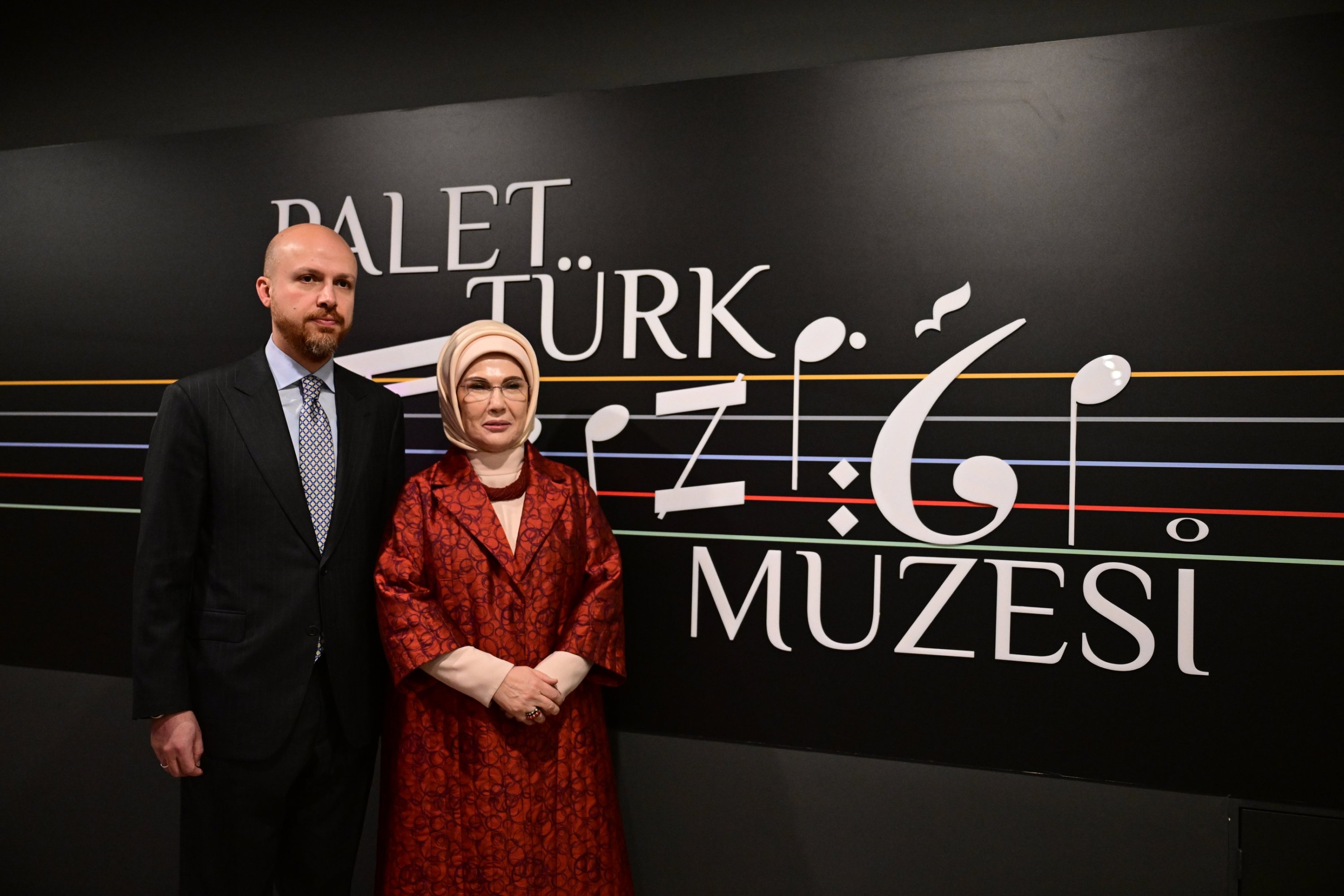
At Palet Turkish Music Primary School, Türkiye’s first educational institution built on a Turkish music-centered model, first lady Emine Erdoğan emphasized that music, while nourishing to the soul, can become harmful when stripped of its artistic and civilizational roots. During her visit to the school in Üsküdar, Erdoğan underlined the vital role of culture and the arts in strengthening national identity and building bridges between cultural heritage and younger generations, describing Palet as a model cultural investment with its architecture, curriculum, workshops and museum. Stressing that Turkish music represents a profound collective memory shaped by centuries of shared emotions and values, she noted that education grounded in tradition can cultivate both aesthetic sensibility and moral depth from an early age. Erdoğan expressed her belief that graduates of the school would serve as a revitalizing force for Turkish music, contributing to the preservation and renewal of Türkiye’s cultural legacy in an increasingly homogenized global landscape.
Imagine a child encountering a melody for the very first time.
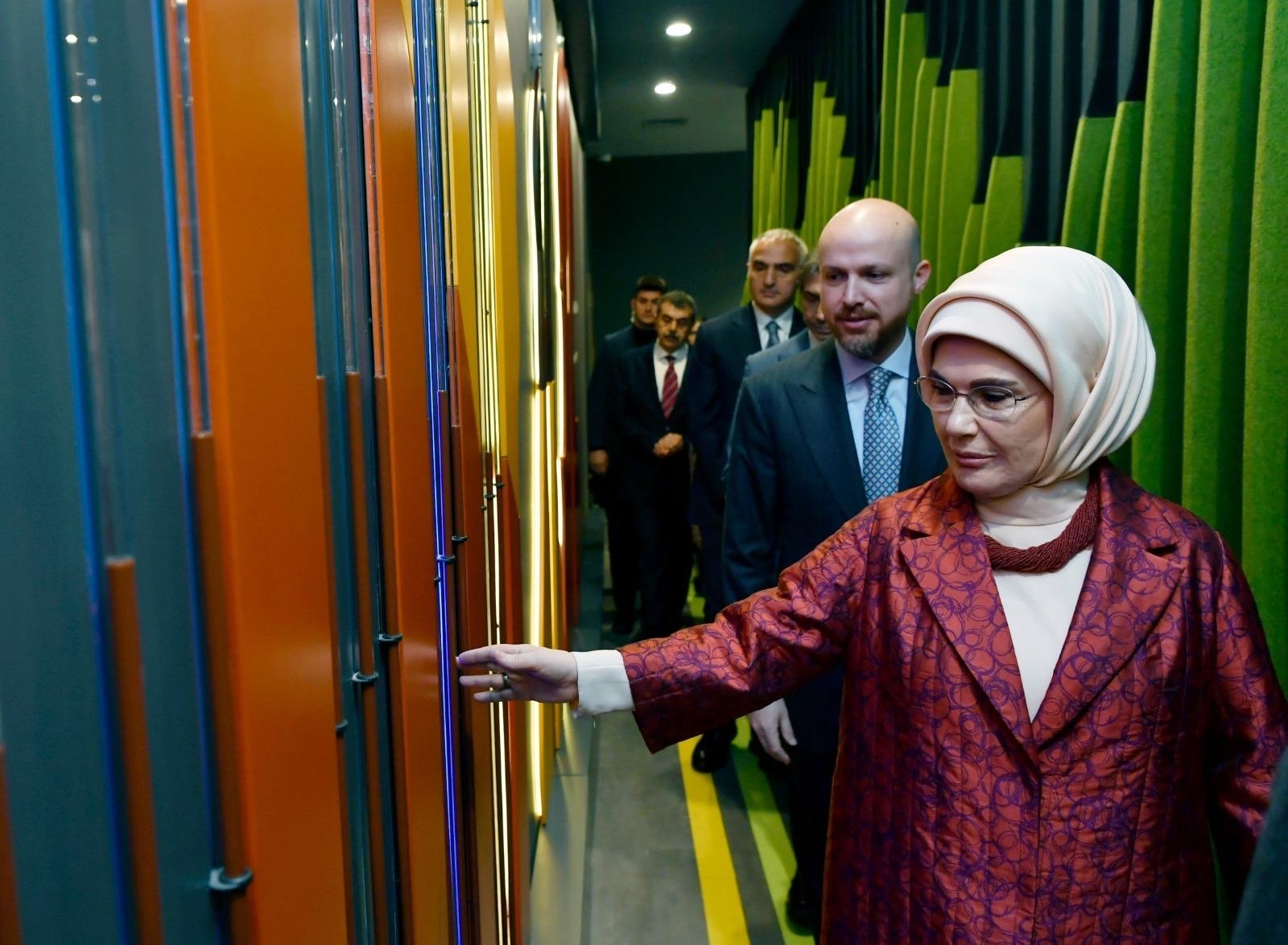
Before words fully take shape, the child finds themselves immersed in a makam not as a lesson to be memorized, but as a game to be discovered. Music is not imposed; it unfolds naturally, as curiosity does. There are schools that draw you into precisely this dreamlike space. I had the privilege of discovering one and I left deeply impressed. The event opened with remarks by Bilal Erdoğan, chairperson of the board of trustees of the YETEV Foundation, followed by a speech from first lady Erdoğan that underscored a shared conviction resonating throughout the hall: Turkish music is a deeply rooted cultural heritage that unites us through common values.
Every word spoken onstage reflected a sincere belief that artists capable of representing Türkiye on an international level must be nurtured from an early age, through an education grounded in authenticity and vision. Palet Turkish Music Primary School has embraced this philosophy as its guiding principle. The ambition is not limited to primary education; the school aims to grow alongside its students, expanding into middle and high school levels to ensure continuity in this journey.
Education here extends far beyond musical technique. In this philosophy, where tradition meets the future, music is inseparable from etiquette, refinement and dignity. The goal is not merely to raise skilled performers, but artists whose presence, posture and character speak as eloquently as their voices.
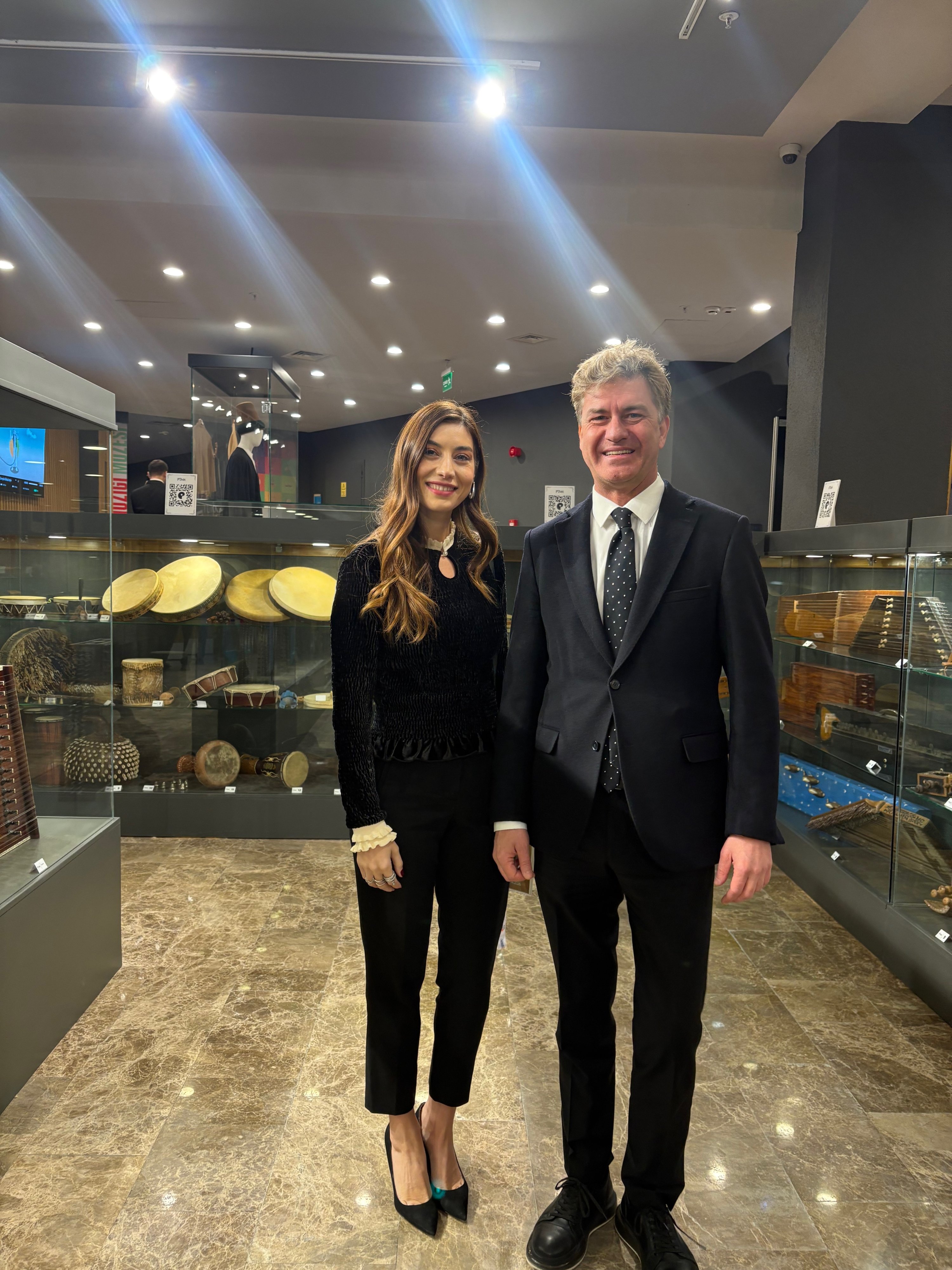
Palet Turkish Music Primary School has set out to bring together all gifted children under this vibrant and profound roof. Imagine a child finding their way to a music school and discovering themselves while walking between the notes. Beautiful things are happening in this country. And one cannot help but feel that this is no coincidence, but the result of a deliberate and conscious vision.
Certain passages from first lady Erdoğan’s address stood out to me. She spoke of how listening to our own music alongside universal works gives us a sense of returning home because home is where we feel understood, accepted and where we belong. Turkish music, she emphasized, is one of the fundamental elements that unite us through shared values.
Music, therefore, is not merely an art form; it is an invisible force that binds society together, dissolves differences within the chamber of emotions and plays a vital role in shaping national identity.
At a time when identity crises are deepening, consumer-driven social models are spreading, and cultural imperialism continues to occupy new minds each day, changing the world overnight may be impossible. But there are ways to prevent the world from reshaping us into something unrecognizable. Chief among them are qualified investments in culture and the arts.
Because when art lives, when it touches people, broadens their horizons, and refines their souls, the world itself becomes a more beautiful place.
Today, we all witness how certain globally popular music genres increasingly push, especially children and young people, toward violence. Across the world, young audiences are surrounded by music infused with explicit language, degrading ideas, sexual content and glorification of violence. Many young people searching for identity are forced to seek role models in this distorted landscape.
Research shows that young people listen to music for an average of two hours a day, and that 75% of music videos contain elements promoting inappropriate behavior, violence, alcohol, or smoking. Music is meant to nourish the soul. Yet, when stripped of its artistic and civilizational roots, it can at times become its poison.
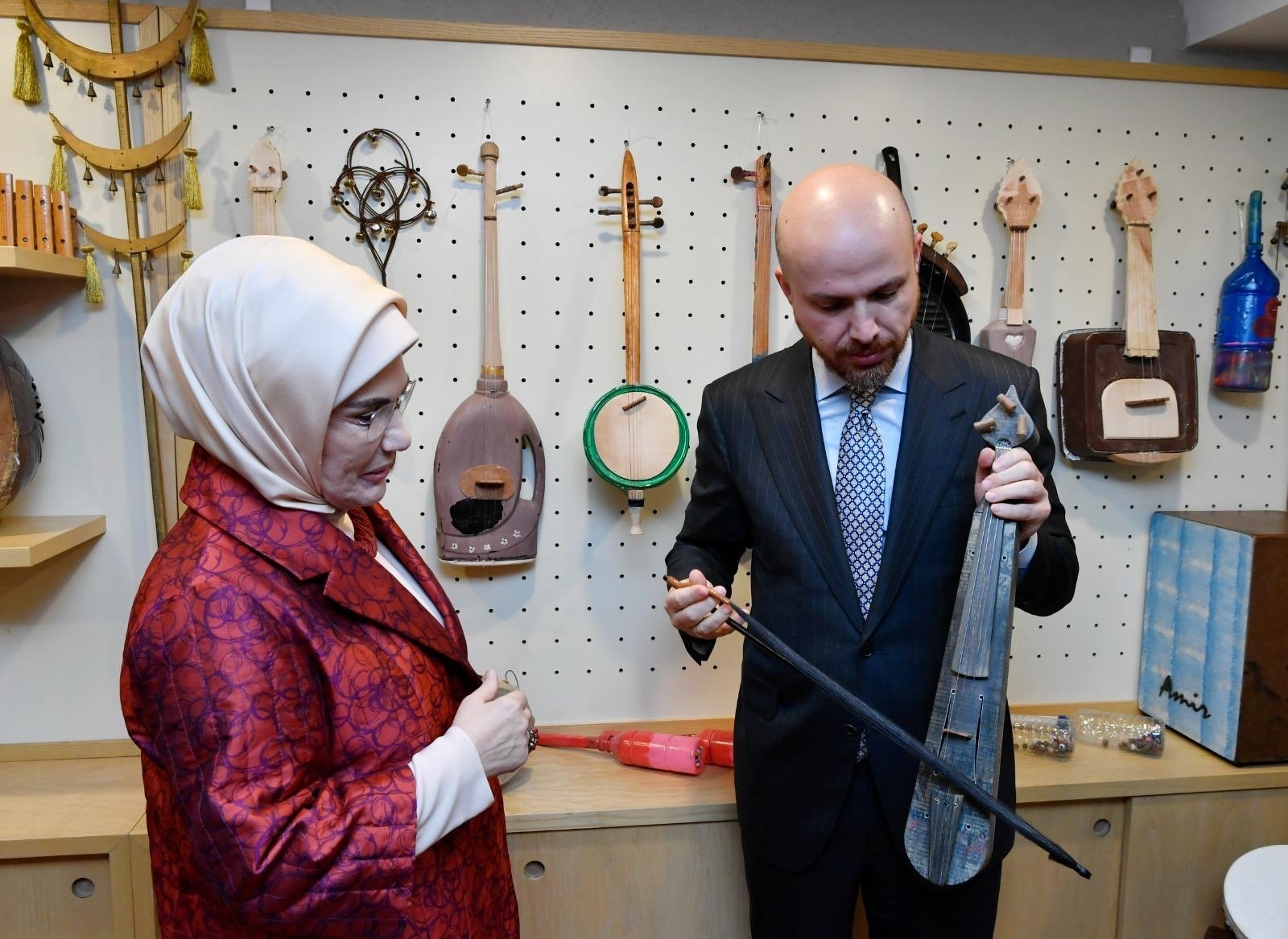
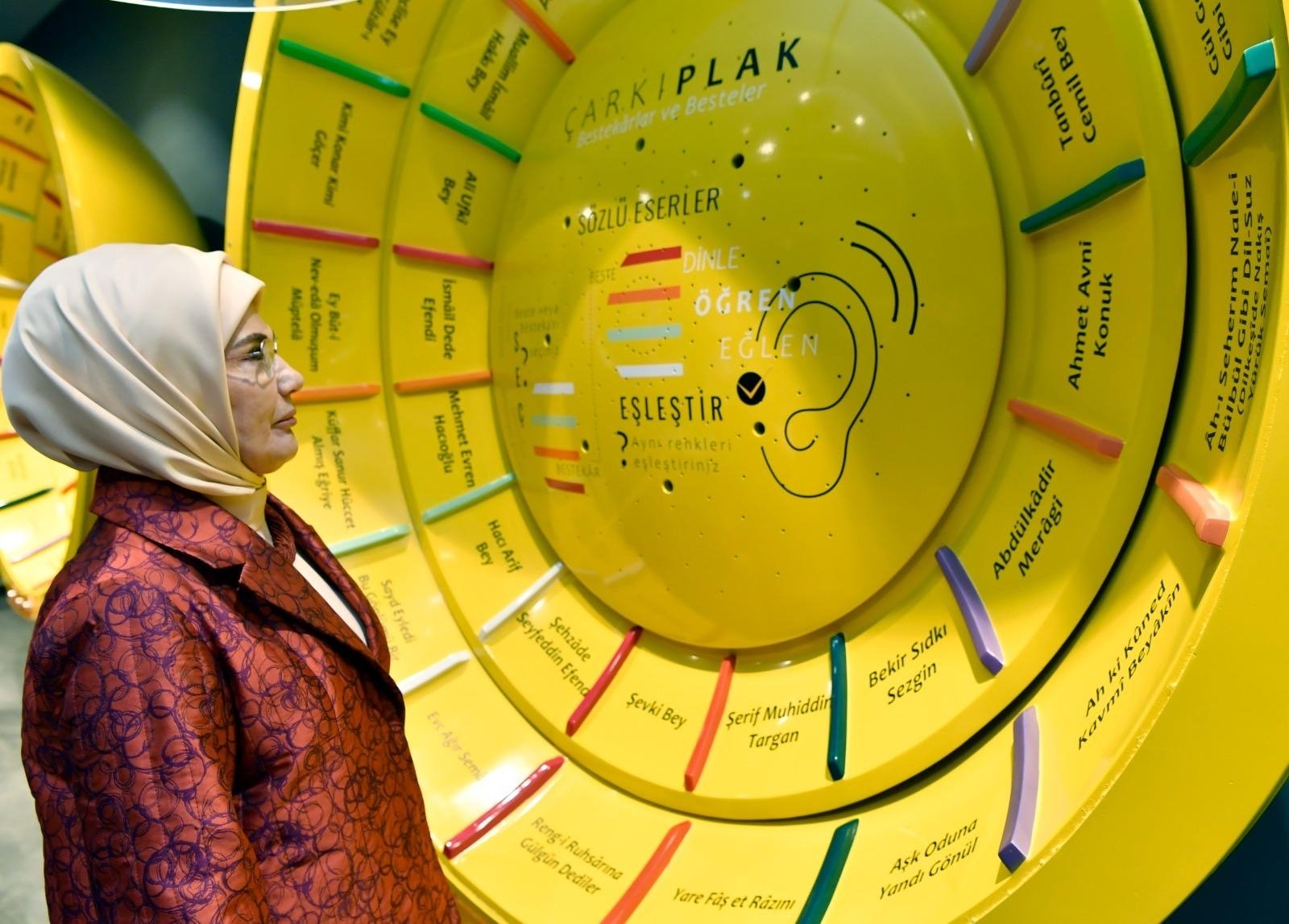
For this reason, we must strive to enrich our cultural and artistic life and build meaningful bridges between our cultural heritage and younger generations. Personally, I believe Palet Turkish Music Primary School, with its thoughtfully designed architecture, workshops, museum, curriculum and the vast opportunities it offers students, stands as a model cultural investment. I am confident that the children who graduate from here will become the lifeblood of Turkish music.
Key points from Bilal Erdoğan’s speech also lingered with me. When a child is discovered to have musical talent, the default direction is almost always Western music, Western instruments, Western masters. The aim, he noted, is not exclusion, but fair competition under equal conditions. For this reason, children whose talents are identified at the age of 6 should have the opportunity to begin their musical education through Turkish music.
Each year, out of more than a thousand applicants and children identified through talent screenings conducted in the Üsküdar district, only 24 students are admitted. Selection is based purely on talent, while scholarships at varying levels are offered according to families’ financial circumstances. The school also hosts ongoing workshops and symposiums focused on the future of Turkish music.
A child-centered educational approach introduced by Maria Montessori in the 19th century, the Montessori education system nurtures each child's intrinsic desire to learn and encourages them to discover their own skills through self-directed activities. In Türkiye, more schools are adopting the Montessori method in their syllabus
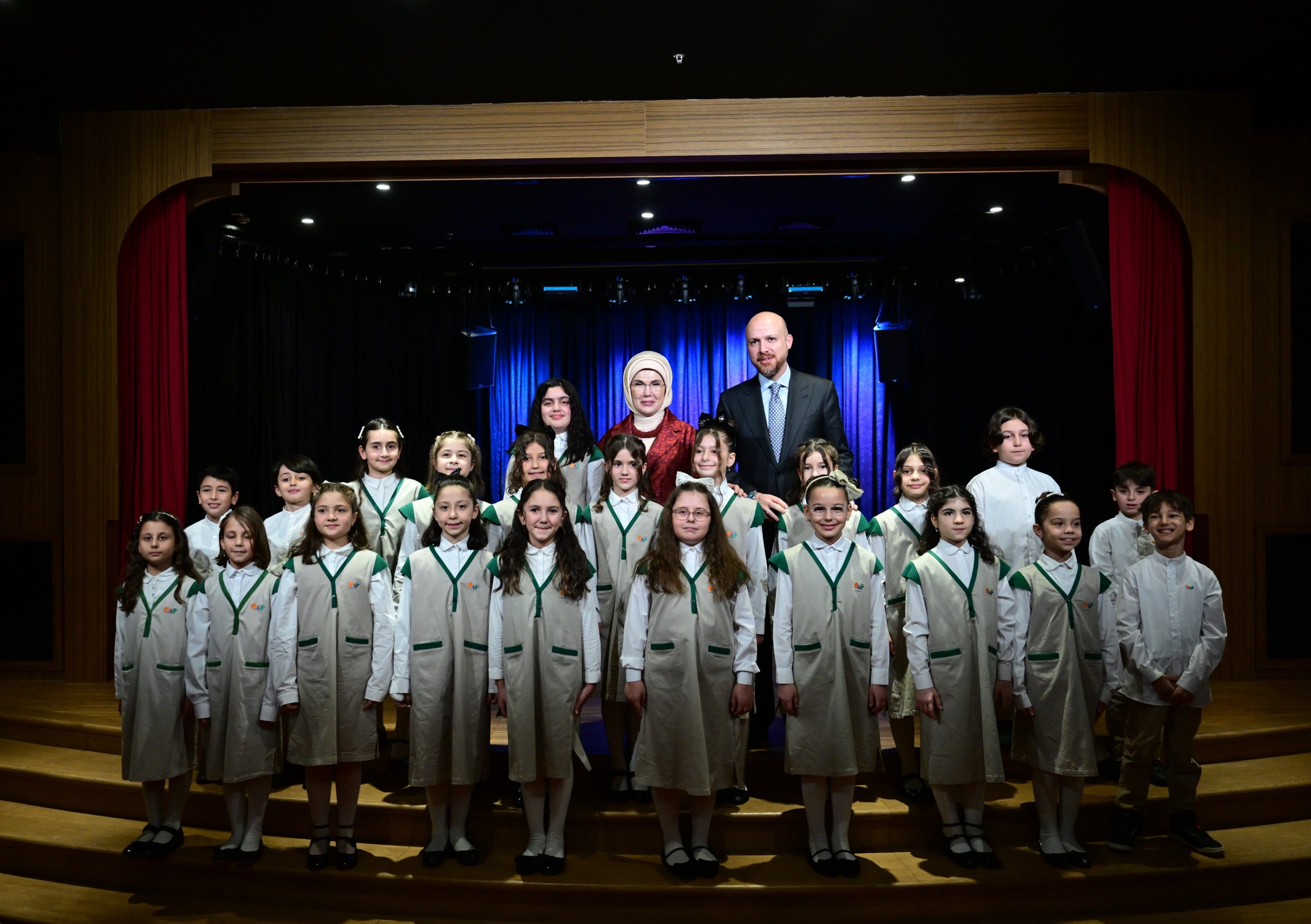
Palet Turkish Music Primary School presents a unique educational model that brings together the curiosity- and discovery-centered approach of Montessori education with the deeply rooted tradition of Turkish music. This vision aimed at raising individuals who can make their own decisions, take responsibility, and genuinely enjoy learning is not an extracurricular addition, but the very soul of the education offered. An expert faculty composed of distinguished academics, artists from the Ministry of Culture and Tourism and TRT performers introduces children not only to notes, but to makams, usuls and the collective memory of these lands. Melodies transcend being mere sounds echoing in classrooms; they evolve into a language that shapes character.