The increase in consumption, be it materially or in abstract realms, has been challenging for humans to catch up with, increasing at a speed difficult for the natural human desire to follow. In technological terms, for example, as we unwrap a new gadget or a new mobile phone from its box, a newer version is already announced to be launched. With the advancement of super-fast speed communication tools, social changes, or the implications of these social changes, across our planet have also been extremely difficult to adopt and implement in our daily thinking.
In other words, a brand-new, consumption-based, and arguably fast-evolving, civilization is constructed. Compared to previous ones, the geographical influence of the elements in this new civilization also spreads across the globe.
While the concept of civilization is reflected in the world with such an evolution, Commagene Biennial meets art lovers at the cradle of the Kingdom of Commagene, in Adıyaman’s Kahta district, which is a destination waiting to be discovered with its historical and cultural mosaic – one of the distinguished cities of the Mesopotamian geography. The region has hosted many civilizations to date including the Commagene Kingdom, Hittites, Mitannis, Arameans, Assyrians, Late Hittites, Persians, Kummurs, Alexander the Great of Macedonia, and to the near past, including the Seljuqs and Ottomans.
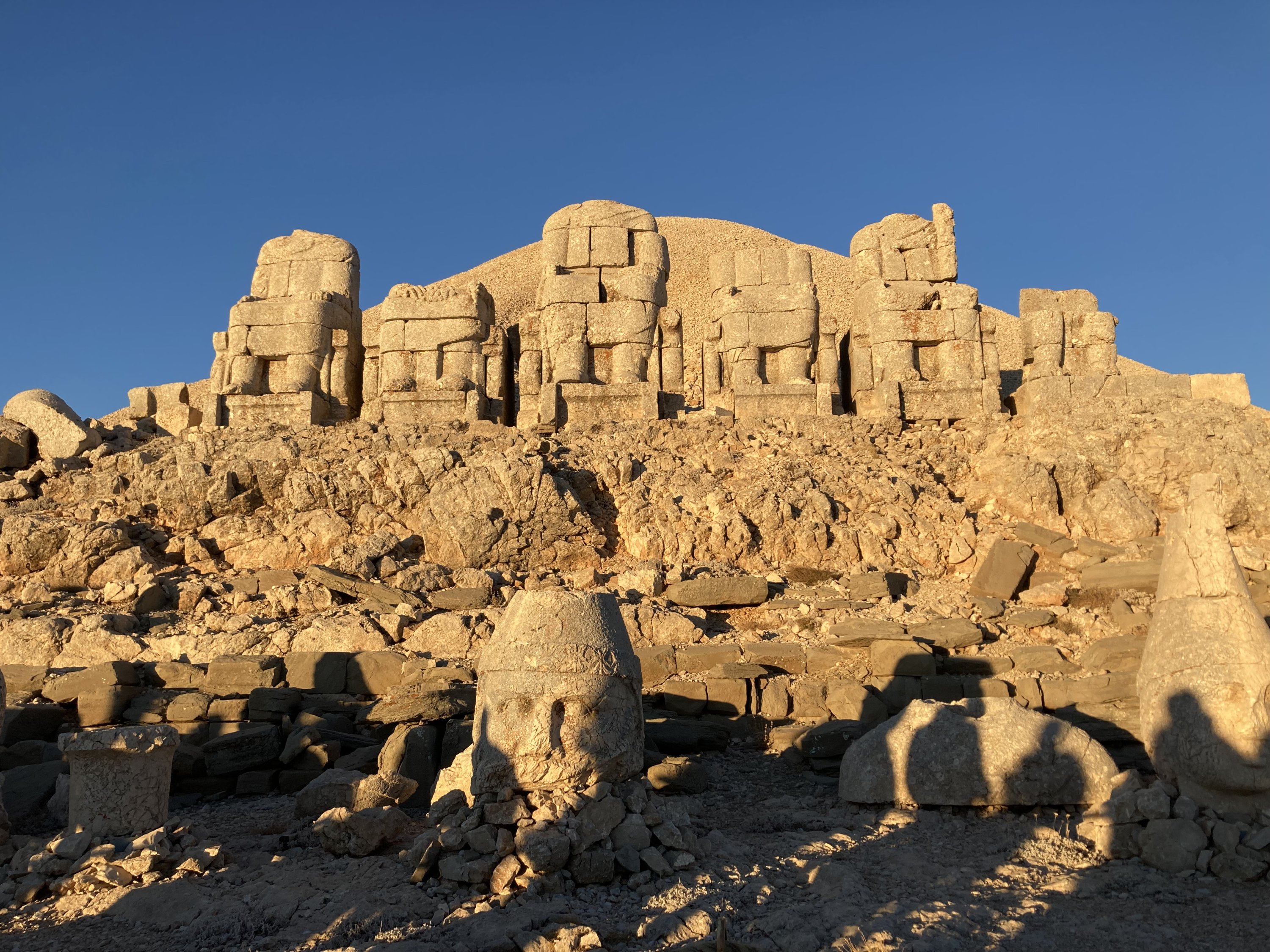
Founded by Mithridates I Callinicus, who claimed to be a descendent of the King of Armenia, the Kingdom of Commagene dominated Mesopotamia and the greater Euphrates between 109 B.C. and A.D. 72, serving as a buffer state between ancient Rome and Persia. Founded by Macedonians in a land where Persian culture reigns, Commagene became a personification of the marriage of East and West, which can be seen in its culture. Although the people used Greek culture, the rulers of this kingdom did not hide their admiration for the Persian, Assyrian and Armenian cultures.
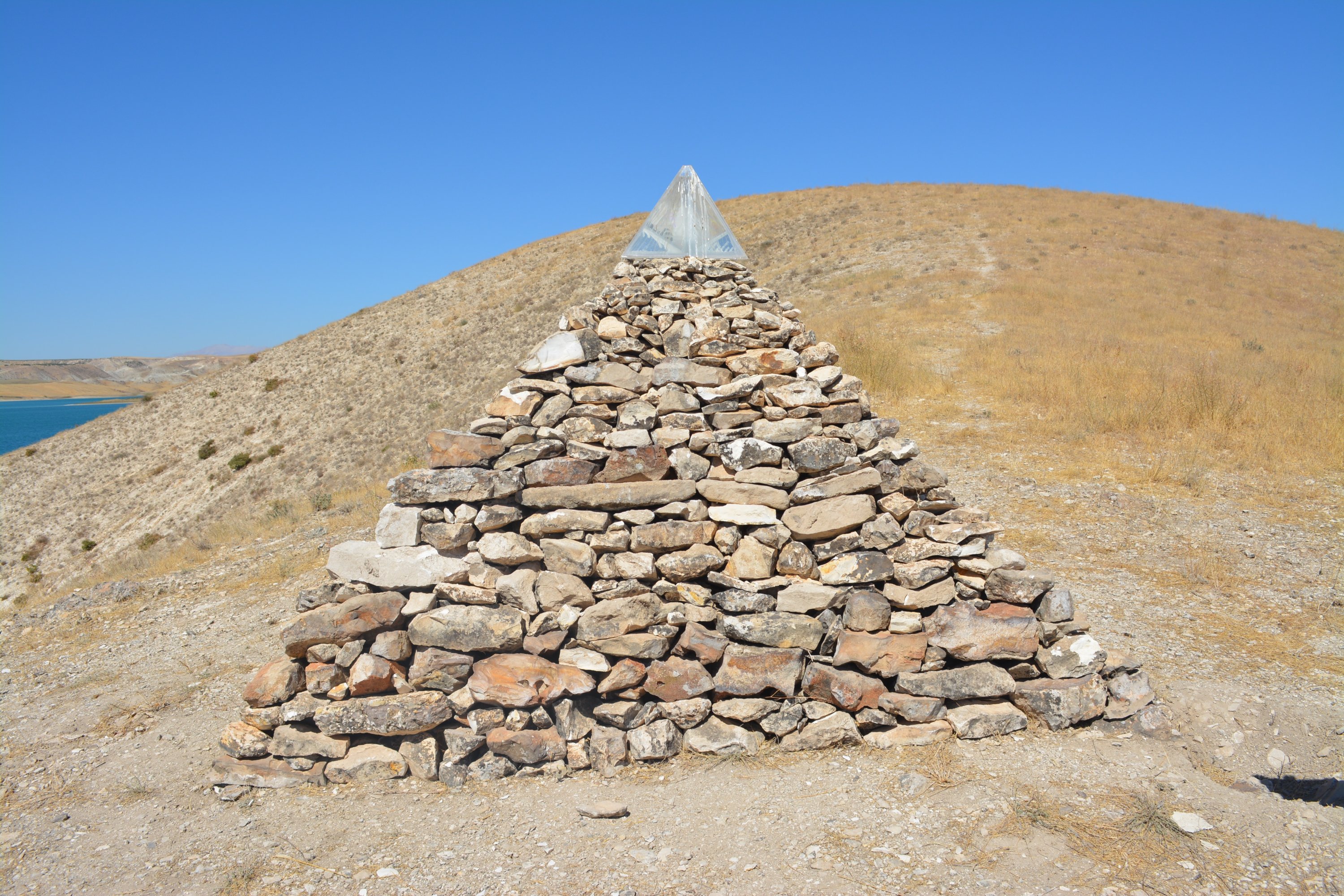
The biennial presents a total of 53 artworks by artists from 23 countries in six landmarks, located in Kahta and on an island located off Nevali Çori. The island is the main venue, however, the exhibitions and artists' installations are located across various historical landmarks, including the magnificent Nemrut Summit, the newly renovated Kahta Castle, Karakuş Tumulus, Arsemia and Cendere Bridge. The biennial is the first in the region. In fact, aside from the Nemrut Summit, other historical sites and archeological developments are not very well known. However, the impressive efforts by the Silkroad Development Agency (SDA), Adıyaman Governorate and Kahta District Governorate are signs that no doubt a new art wave will be taking over the region in the near future.
As the location has been home to many civilizations, the traces of this rich cultural texture paved the way for the idea of creating an "imaginary civilization" within the scope of the Biennial, by evoking the questions, "Is it possible to create a new civilization in a world where even the most civilized exhibit unacceptable behavior?" and "Can we ponder on the existence of other dimensions in these relationships between human and human, human and nature, gastronomy, music, architecture, archaeology and fashion?"
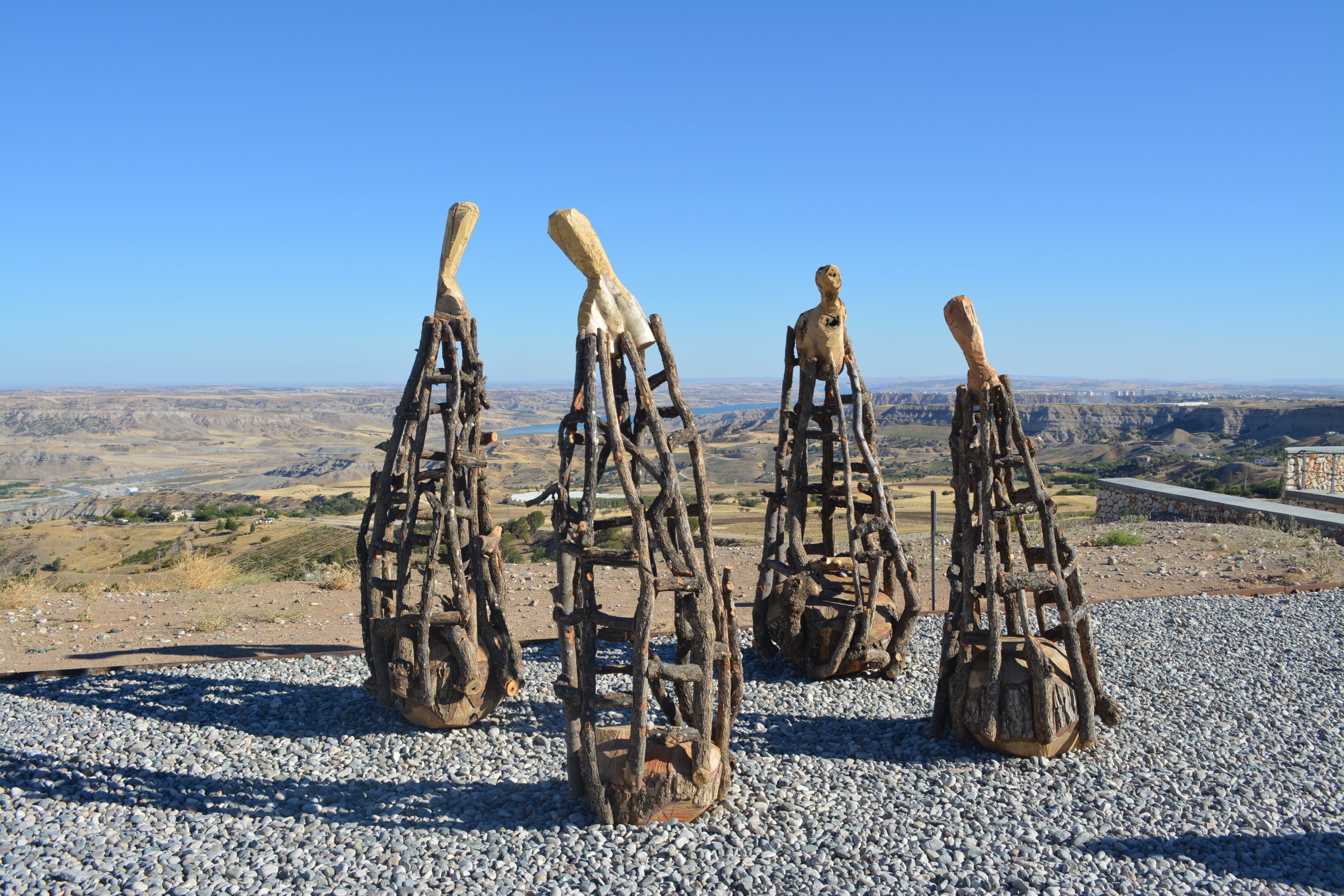
I was taken aback by each installation as we were guided by the curator Nihat Özdal. In a way, each unique work gathered under the theme of "an imaginative civilization" links the chaos of the past with the present chaos we live in. As you travel from one exhibition to another to see the installations in a large geographical area, your mind simultaneously travels on several time periods of art and history.
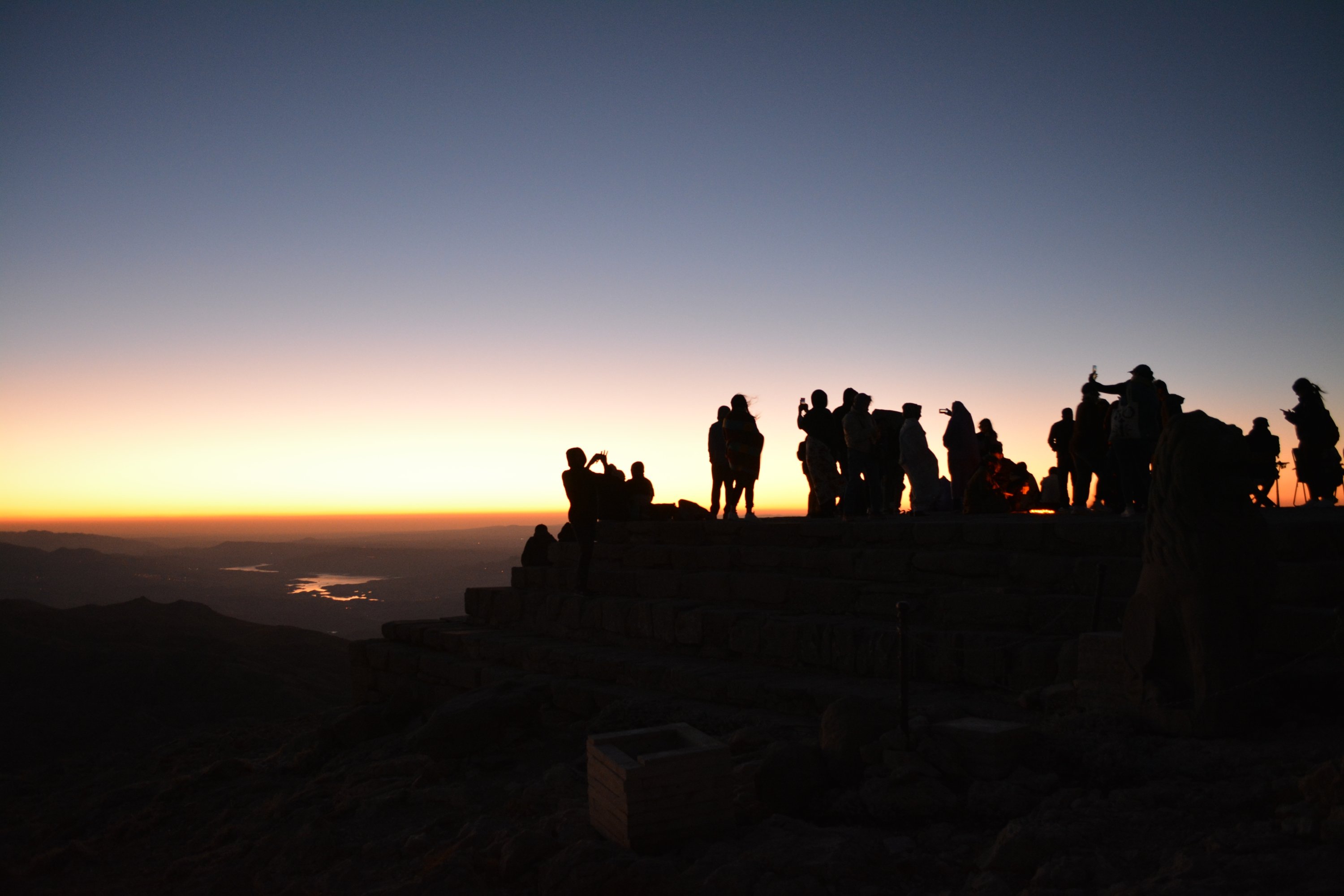
As you visit installations on fıve islands that surfaced with the construction of the Atatürk Dam on the Euphrates River, you experience the mingling of art with nature. As you climb a steep, nearly 1-kilometer (0.62-mile), route to watch the magnificent sunrise from the Nemrut Summit, home to the mausoleum of Antiochus I (69–34 B.C.), the first ruler of the ancient Kingdom of Commagene, and UNESCO World Heritage Site since 1987. Here, you are welcomed by three installations as part of the exhibition. The Kahta Castle, on the other hand, for example, is home to works of Turkish and international artists at the landmark structure that sits on a high cliff, presenting a majestic view of the region. I must mention here that all the materials used for the exhibition and the artworks are natural elements and components.
The biennial, which began on Aug. 20 and runs until Oct. 20, is expected to contribute to tourism in the region, while also breaking some chains in the relationship between the locals and modern art. No doubt, it has so far made a difference in both areas. Both the Adıyaman Governor Mahmut Çuhadar and Kahta District Governor Selami Korkutata, as well as Adıyaman Museum Director Mehmet Alkan, confirmed that tourist numbers have drastically increased in 2022 when compared to previous years.