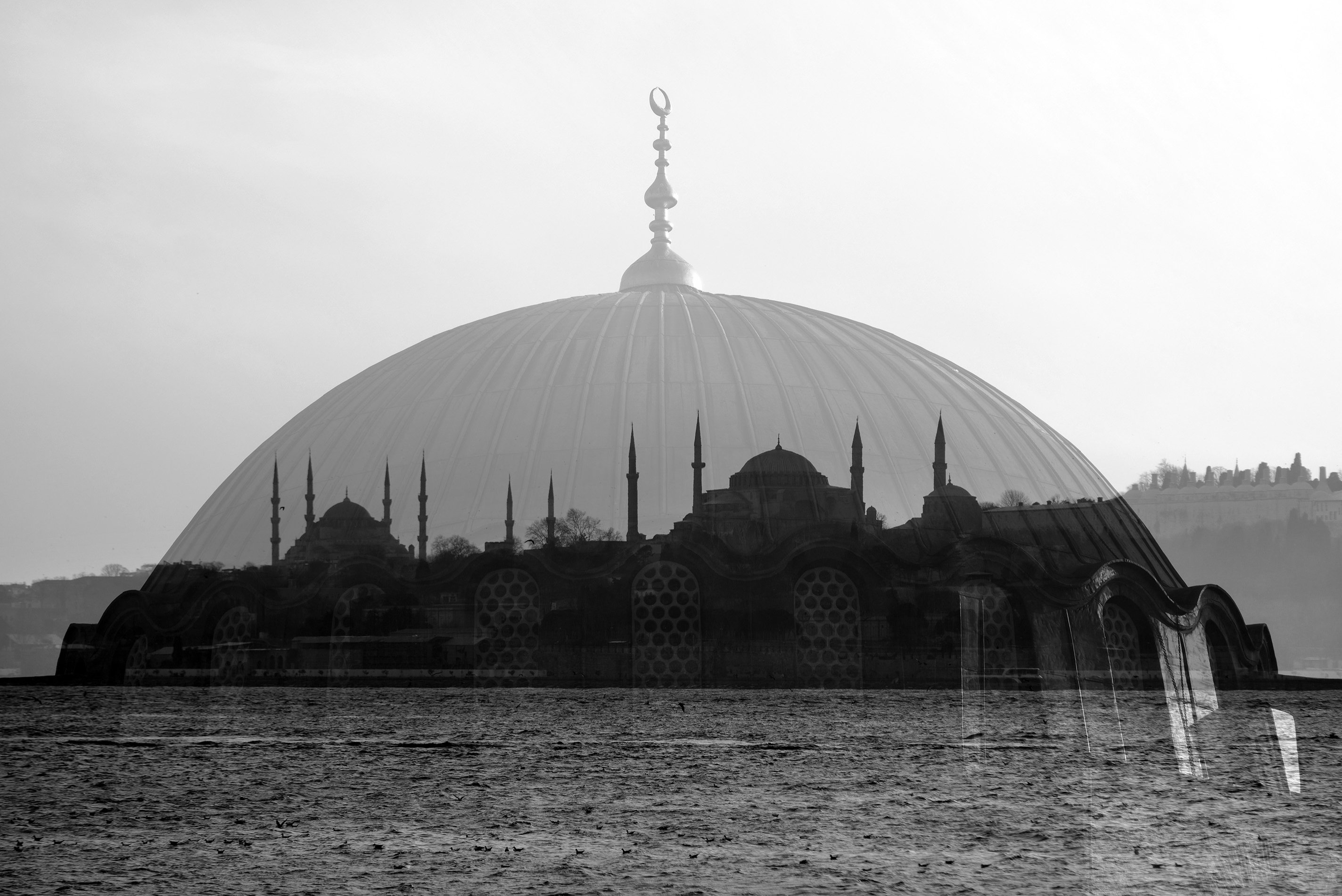
The dome is a foundational architectural form that the Turks embraced profoundly with the conquest of Istanbul, subsequently striving to elevate it to its most advanced and perfected expression. While the dome exists in various geographies across the globe, Istanbul holds a uniquely distinct place because here, the form is iterated in diverse dimensions, repeatedly punctuating the horizon to create the city’s unmistakable silhouette.
In Istanbul, domes are far more than architectural elements; they may be perceived as a garment the city wears, a question mark it poses, an answer it provides, or even a thought balloon hovering above the metropolis. Through the masterpieces of Mimar Sinan, the foremost Ottoman architect, the dome attained near-perfection, becoming the defining form of Ottoman architecture for generations of architects to follow.
Beyond its physical presence, the dome serves as a powerful metaphor through which to contemplate thought, the world and the earth itself. This is beautifully captured in the famous line by the Ottoman poet Baki: “Baki kalan bu kubbede hoş bir seda imiş” ("What remains in this dome is but a pleasant echo"). It speaks to the desire to perform good deeds, to build beautiful things, and crucially, to gather and construct together.
Historically, these spaces served diverse communal functions because, under the classic Ottoman tradition, these grand domes hosted classrooms and even served as theoretical training grounds for soldiers, as well as centers for festive celebrations. In later, more turbulent times, such as the migrations following the Balkan Wars, the stories of Turkish refugees fleeing to Istanbul converged under these very same structures, seeking shelter under a shared roof.
It is a delightful detail that anyone arriving in Istanbul, upon witnessing these domes, is struck with admiration, seeking to make sense of the visual dialogue and relationships between the structures. In my latest novel, "1868: The Book of Sofya and Cihangir," which traces the love story of two Istanbul cats in the year 1868, I drew a conceptual line from the dome of the Cihangir Mosque straight to the dome of the Ayazma Mosque in Üsküdar, so in a sense, it represents a conversation between two domes.
Furthermore, adorned with minarets, these domes, most notably that of Hagia Sophia, one of the grandest domes from the Byzantine era, transformed into enduring symbols of Turkish sovereignty. Given this deep visual and cultural resonance, it is hardly surprising that domes feature so prominently in the photographic record of Istanbul.
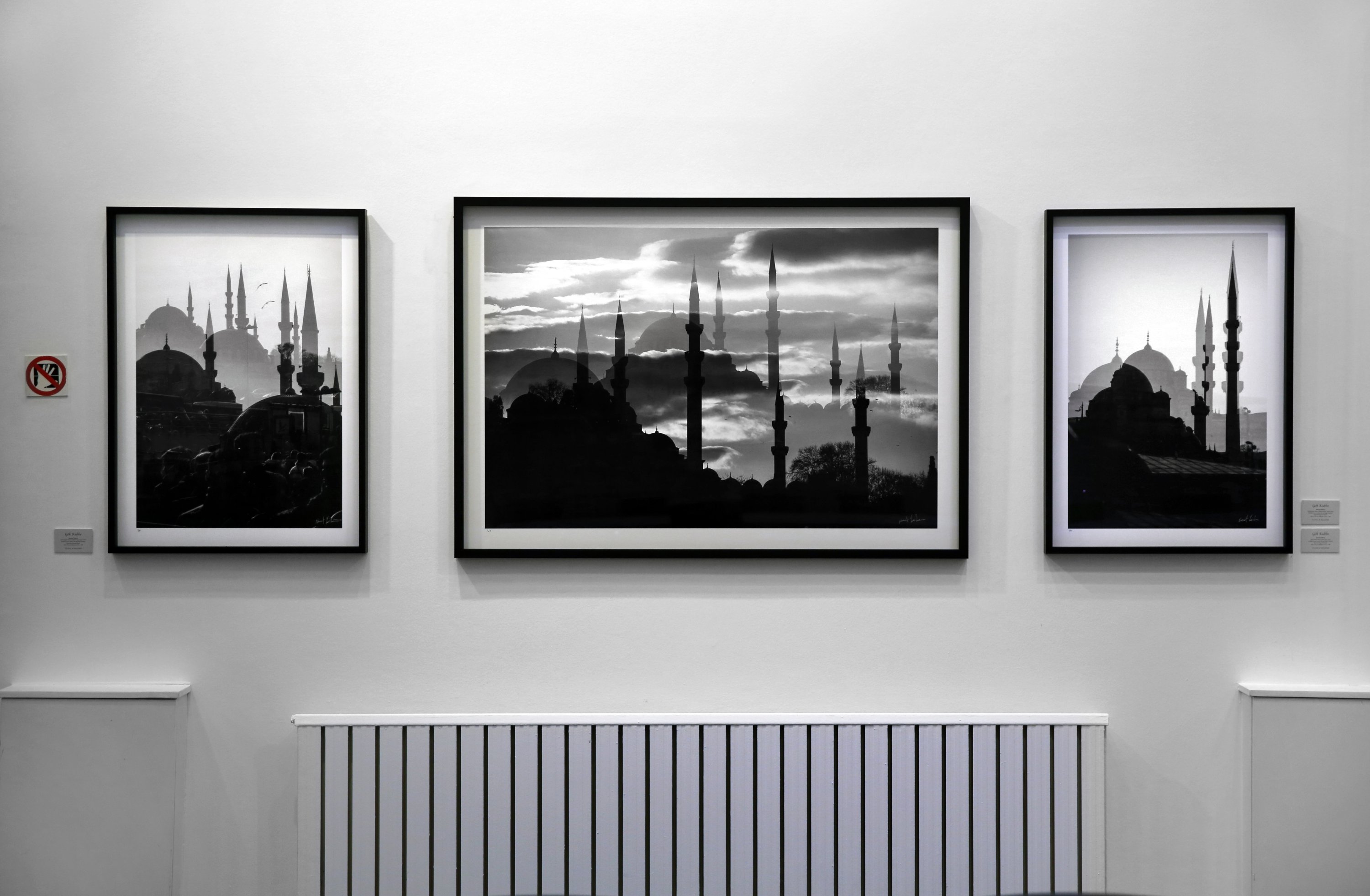
However, a new exhibition is taking domes beyond the boundaries of classic photography. In the "Gök Kubbe" ("Sky Dome") exhibition, Dr. Nevzat Yıldırım, an international photographic artist whose works have been featured in the world's most prestigious museums and collections, including the Museum of Fine Arts, Boston, from an early age, reimagines these iconic symbols of Istanbul through a contemporary visual language.
Utilizing the contemporary possibilities of the medium, Yıldırım looks at these structures through a modern perspective, overlaying them and capturing them through closer, multilayered contact.
Opening at the Yıldız Holding Exhibition Center and accessible by appointment, this exhibition utilizes high-quality printing techniques and archival, durable materials to offer a distinct look at how Istanbul's domes appear to the world and to Türkiye in 2026. Following his previous acclaimed work, Loving Istanbul, Yıldırım’s latest exhibition continues to contemplate the city without repeating itself, boldly sailing toward new technical horizons.
It aims to reveal the layers of Istanbul by superimposing them, demonstrating difference within repetition and unity within diversity.
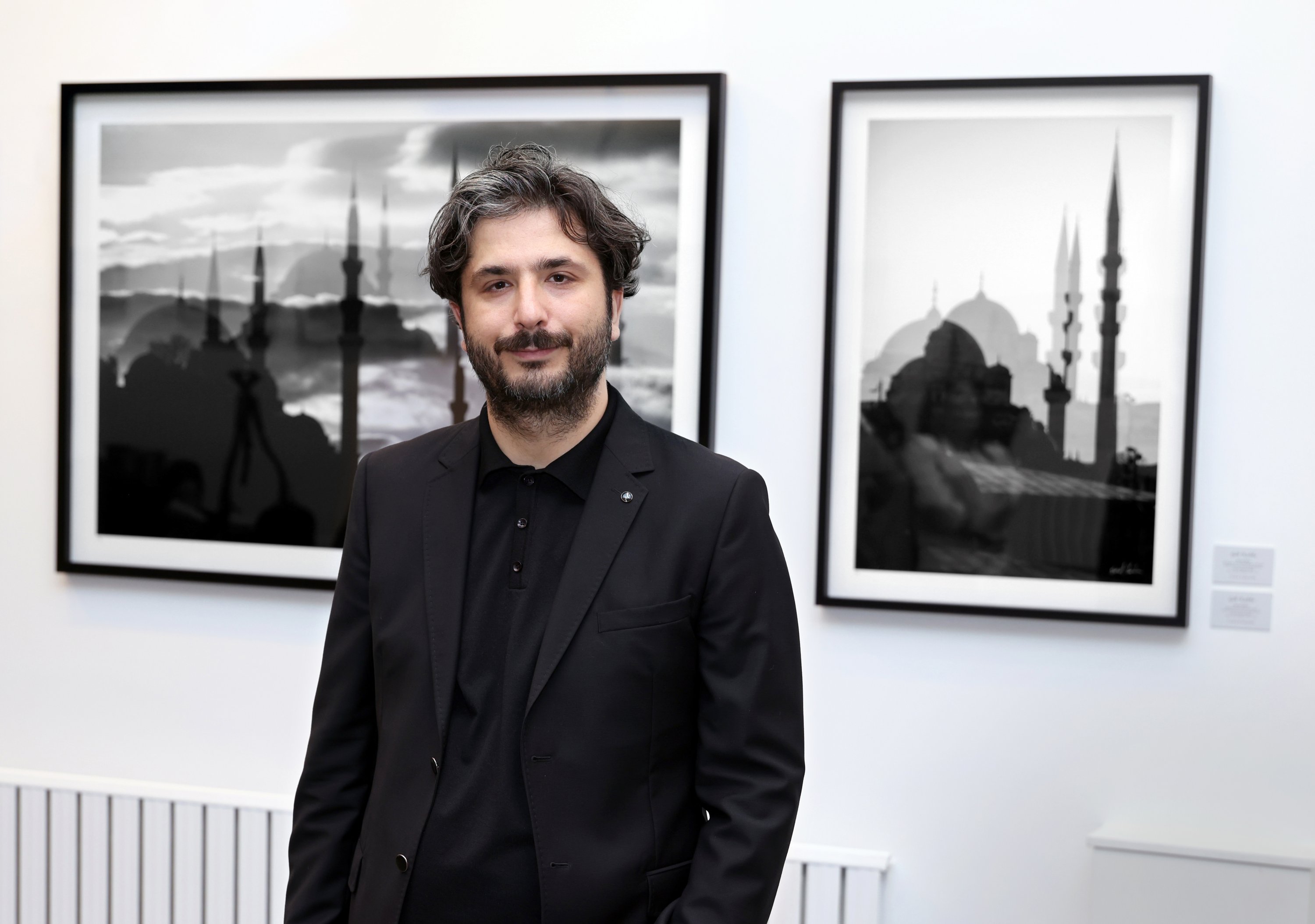
This meaningful project has also garnered significant artistic support from prominent figures like Murat Ülker, whose keen interest and appreciation for the arts are demonstrated by his vital support of the exhibition. Such high-profile patronage serves as an invaluable encouragement for contemporary art and photography, highlighting the timeless value of Istanbul's heritage.
In the fragile and turbulent days the world is currently experiencing, this artistic journey reminds us of the wisdom-filled heritage Istanbul carries and the profound importance of coming together. The dome remains an ultimate marker of civilization and as the poet Yahya Kemal famously wrote in his iconic poem, depicting the historical march of the empire, “An army that scatters bright domes in its wake.”
For a place to be identified with this civilization, the presence of the dome stands as its primary distinguishing feature, and Istanbul possesses countless magnificent examples. Combined with the unique angles of a Bosporus sunset, the city’s timelessness continues to transport us simultaneously into the past, the present, and the future through a profound photographic experience.
Ultimately, this exhibition stands as an open invitation to any artist who says, "I must photograph this too; I must think on this and view Istanbul from a completely different angle." It speaks to anyone wishing to dress Istanbul in a new garment or to reinterpret its ancient attire with a fresh stylistic voice.
As the world navigates contemporary crises of identity, the journey of this exhibition can well be viewed as one of the deep answers manufactured by Istanbul itself. The late architect Turgut Cansever’s famous book of interviews was titled "Kubbeyi Yere Koymamak" ("Not Letting the Dome Fall to the Ground"), and in this striking new body of work, Nevzat Yıldırım fulfills that very ethos, refusing to let the dome fall and reuniting us with it through the innovative possibilities of photographic art.