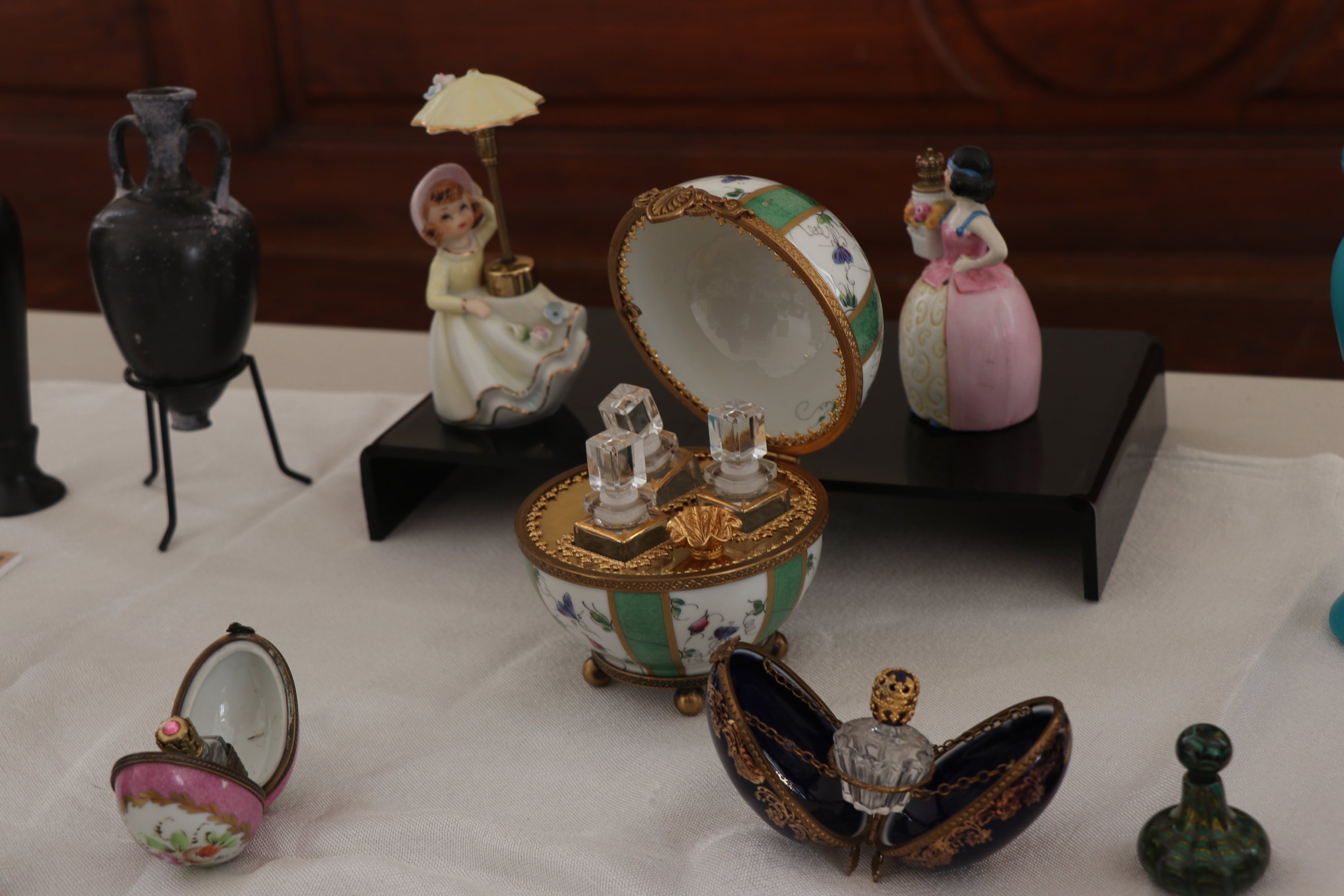
The 11th anniversary of June 25, World Fragrance Day was celebrated this year by the Yunus Emre Institute (YEI) and the Fragrance Culture and Tourism Association in Paris with the sponsorship of Tiyrus, a famous Turkish cosmetic brand. The event, where ancient fragrance objects were exhibited, featured seminars on the fragrance cultures of ancient civilizations of Anatolia, Islamic civilizations and modern times.
The event addressed the journey of the 8,000-year-old Anatolian fragrance culture to the present day. A seminar on Anatolian fragrance culture was presented at the event, where ancient fragrance objects like perfume bottles from Anatolia’s ancient scent culture were exhibited. World-famous perfume designer and scent expert Bihter Türkan Ergül was the speaker at the event. The Turkish rose, on which professor Sabri Erbaş, a faculty member of the Faculty of Agriculture of Isparta University of Applied Sciences, has done important research, and the black rose, for which Halfeti District Agriculture and Forestry Director Akan Akmeşe has made important contributions in Şanlıurfa, were also showcased in Paris. In addition to the Turkish rose and black rose, endemic plants of Burdur and the sage of Samsun were also introduced.
Ancient fragrance recipes that have been unearthed through archaeological studies and scrutinized by the Fragrance Culture and Tourism Association were also showcased in Paris. Ergül also discussed fragrance formulas in the Ottoman archives in the seminar.
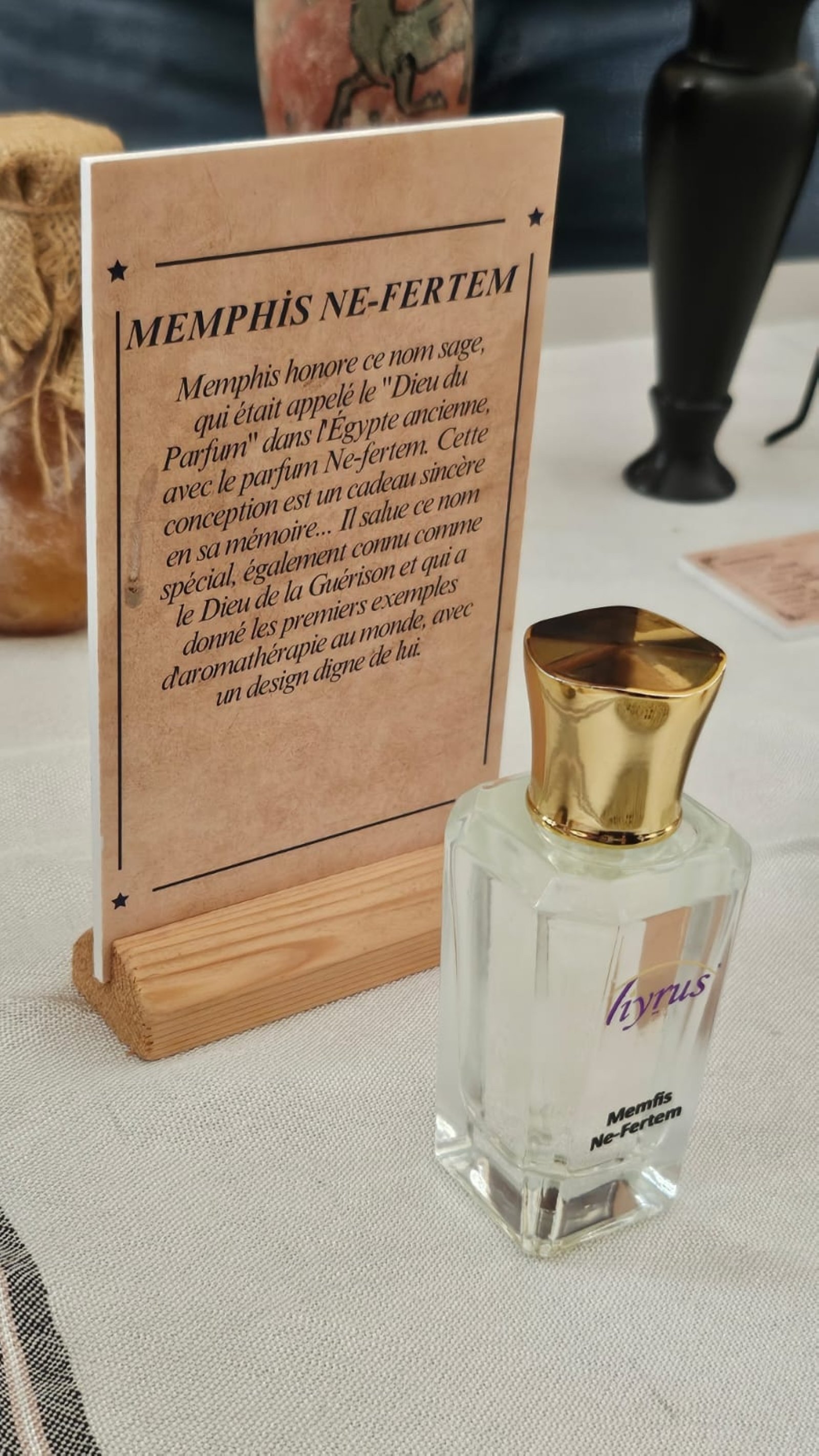
For example, the perfume named Naki Gold's formula was inspired by information found in archaeological traces in a musk shop at excavations in Harran. It was designed from a mixture of fragrances prepared for Nefertem, known as the ancient Egyptian goddess of perfume. The fragrance formula of Tapputi, who is known as the first woman chemist in the world, and the Kypi formula used by Cleopatra in ancient Egypt were also exhibited in the event.
The exhibition was a captivating event that brought together history, art and fragrance culture. Initiated by the Fragrance Culture and Tourism Association, the event has been submitted to the U.N. to establish the day as a global celebration.
The scent culture of Anatolian lands, which has been home to several ancient civilizations, was introduced to participants. In the event, hosted by Paris YEI, Ergül gave a seminar on scent information. The scent cultures left over from ancient civilizations such as Babylon, Assyria, Sumer, Hittite, Byzantine, Seljuk and Ottoman civilizations were detailed for scent enthusiasts at the event held in Paris, one of the most important perfume centers in the world. In the seminar on fragrance rituals of ancient cultures and civilizations, Ergül also talked about the role of the sense of smell and scents in psychology. In the event focusing on the fragrance culture of Islamic civilization, the importance of the perfume sector in Paris in our age was also mentioned.
Drawing attention to the fact that the rituals in the Ottoman scent tradition have now been scientifically proven, Ergül explained: “In the Ottoman Empire, women who were in labor would apply rose oil to their carotid arteries and wrists by saying shahada, the declaration of faith in Islam. Now, the University of Vienna says that applying rose oil makes birth easier.”
In the exhibition where fragrance objects left over from Anatolian civilizations were exhibited, the archaeological traces of ancient civilizations were revealed. In the exhibition, the visitors also had the opportunity to experience the fragrances of ancient civilizations.
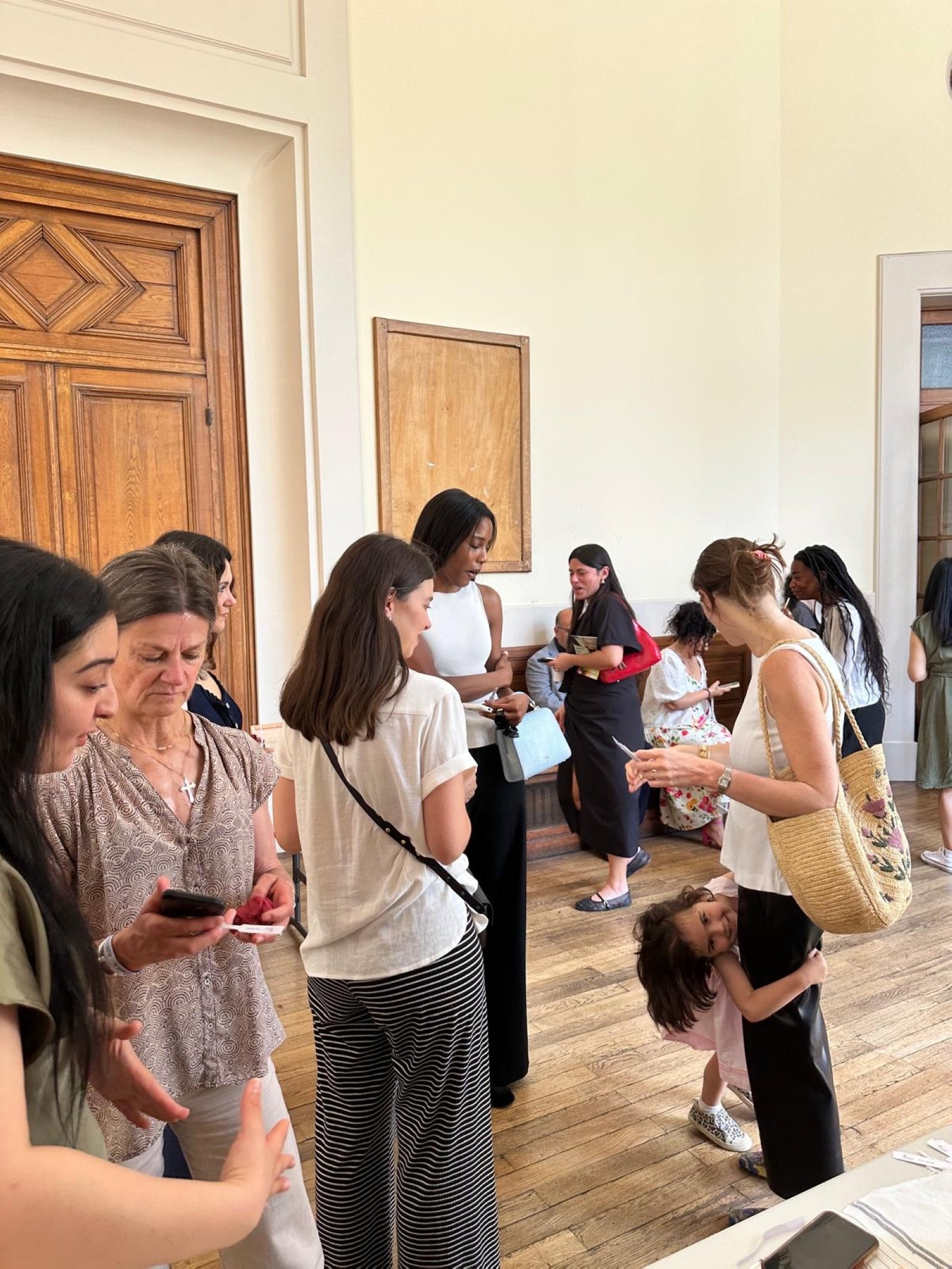
On June 25, the second day of the event was held at the town hall of the eighth arrondissement in Paris. Hosted by Paris Culture and Promotion Counsellor Fatoş Özsoy, the event brought Türkiye’s rich scent heritage to the international stage.
In the event, the 8,000-year-old scent culture of Anatolia was featured through objects and perfume samples based on those used in scent rituals throughout history.
UNESCO Ambassador Permanent Representative of Türkiye Gülnur Aybet, Paris Consul General Kerem Yılmaz, Counsellor of the Paris Embassy Derle Demirel, Cultural Attache Fatma Özsoy, Şanlıurfa Metropolitan Municipality Mayor Mehmet Kasım Gülpınar, Paris Yunus Emre Institute Coordinator Dudu Keleş, Scent Culture and Tourism President Bihter Türkan Ergül and many international perfume artists and scent influencers attended the program. As part of the program, Yılmaz, Aybet, Gülpınar and Ergül delivered speeches.
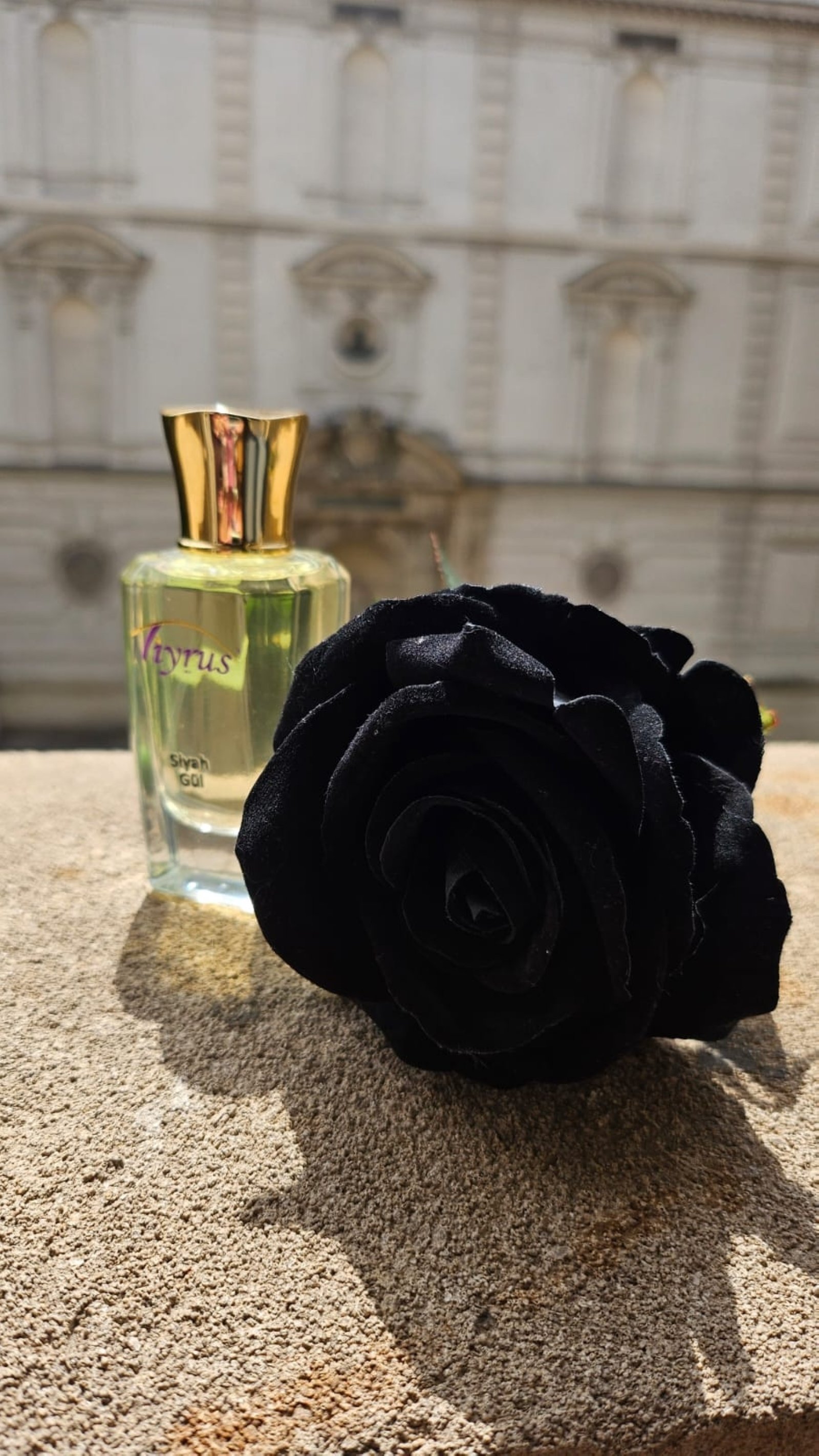
Gülpınar, who attended as a representative of Türkiye, drew particular attention to the dark mystical rose of Halfeti, the black rose.
He told the unique story, the historical and cultural value of the black rose, which grows only in the Halfeti district, and its place in the culture of scent.
Stating that the black rose carries not only visual beauty but also a cultural memory and emotional heritage and that the black rose carries the hidden secrets of Mesopotamia with its unusual color, Gülpınar touched upon both the poetic and artistic aspects of the flower. “There is a trace of love in its pale leaves, a trace of poetry in its scent. This mystical rose is fascinating not only with its meaning but also with its scent. It has a deep, elegant and memorable character,” he said.
Gülpınar emphasized that black rose essence is used not only as a perfume but also in many products such as soap, cream, jam and Turkish delight. “Black roses touch art when they become a perfume, the palate when they become a jam, the skin when they become a cream and most importantly, memories,” he said.
Gülpınar also stated that black rose is in high demand not only in essence but also in powder form and emphasized that it has potential demand in areas such as aromatherapy and cosmetics.
The mayor also stated that Şanlıurfa Metropolitan Municipality has taken important steps toward making the special rose both a local and international brand. Stating that they are carrying out projects to increase black rose cultivation, support producers, and develop both soil and species diversity through scientific studies, Gülpınar also said that they aim to spread the cultural promotion of black rose worldwide with international collaborations.
Gülpınar also thanked the Scent Culture and Tourism Association for their contribution to the development and promotion of the black rose and stated that the collaboration will continue to increase.
Speaking to international perfume artists at the end of his speech, Gülpınar said: “I invite you to the inspiring silence of the black rose. Halfeti is waiting for you. Our door is open to everyone who wants to not only smell black rose but also produce with it.”
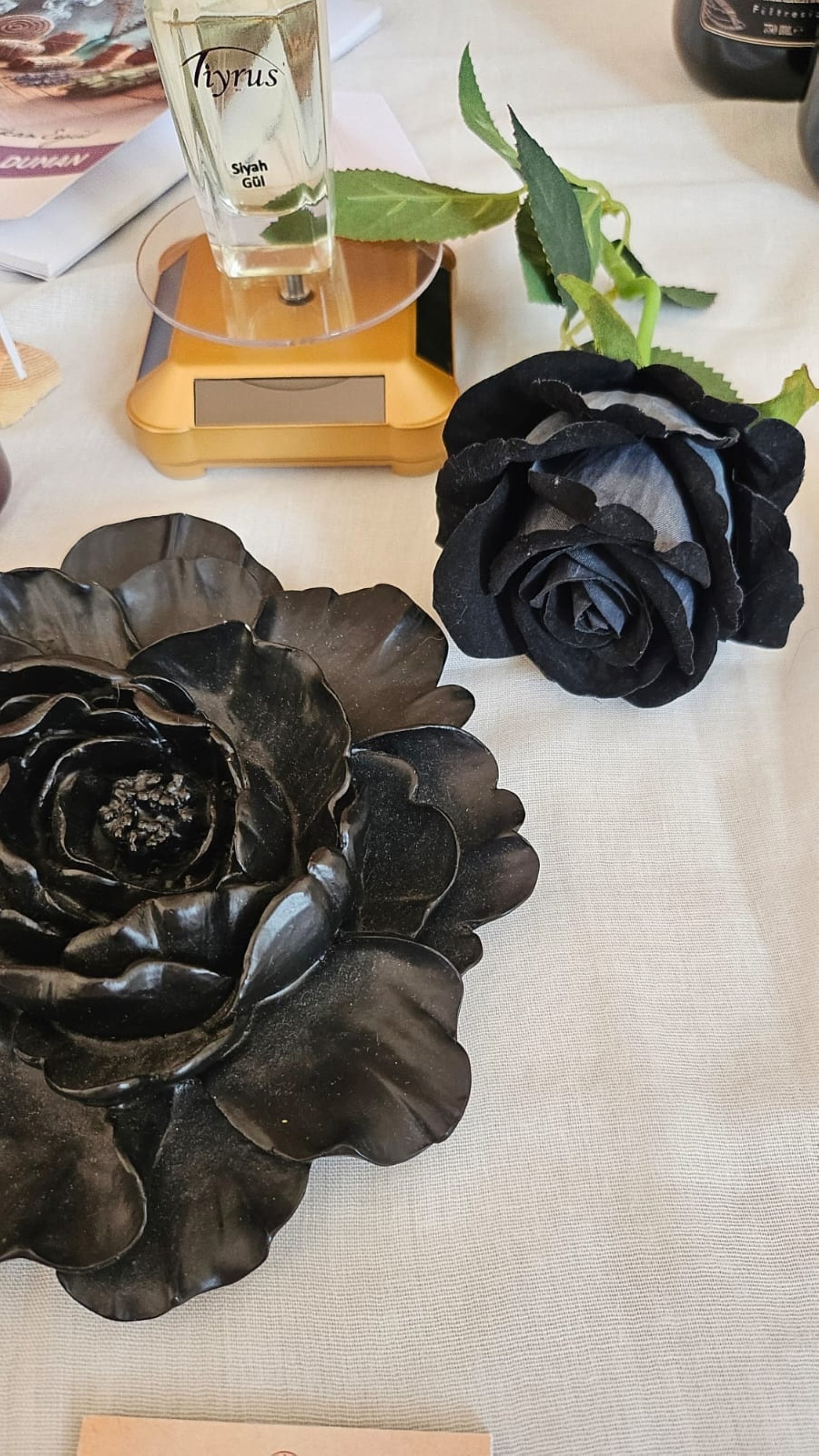
The event brought together the values that Anatolian culture has carried from the past to the present through scents with the French public. Black rose fragrances and perfumes were also presented to the guests as gifts in the program.
June 25, World Fragrance Day, has been celebrated with different events for 10 years. The follow-up process for the registration of June 25 World Fragrance Day, declared by the Fragrance Culture and Tourism Association, was initiated by the UNESCO Turkish National Commission Intangible Cultural Heritage Specialization Committee under the supervision of the Ministry of Culture and Tourism. The decision by the Intangible Cultural Heritage Specialization Committee of the UNESCO Turkish National Commission to examine and endorse the application made by the Fragrance Culture and Tourism Association represents a significant milestone in promoting the worldwide celebration of World Fragrance Day. This recognition underscores the cultural importance and heritage of fragrances, marking a significant stride toward establishing World Fragrance Day as a cherished event internationally.
With the responsibility for the follow-up process of registering World Fragrance Day now transferred to the Ministry of Culture and Tourism of Türkiye, there is a strong commitment to ensuring the success and acknowledgment of this special occasion. This special day is celebrated on a larger scale every year to keep the scent culture alive as a heritage and introduce it to the world.