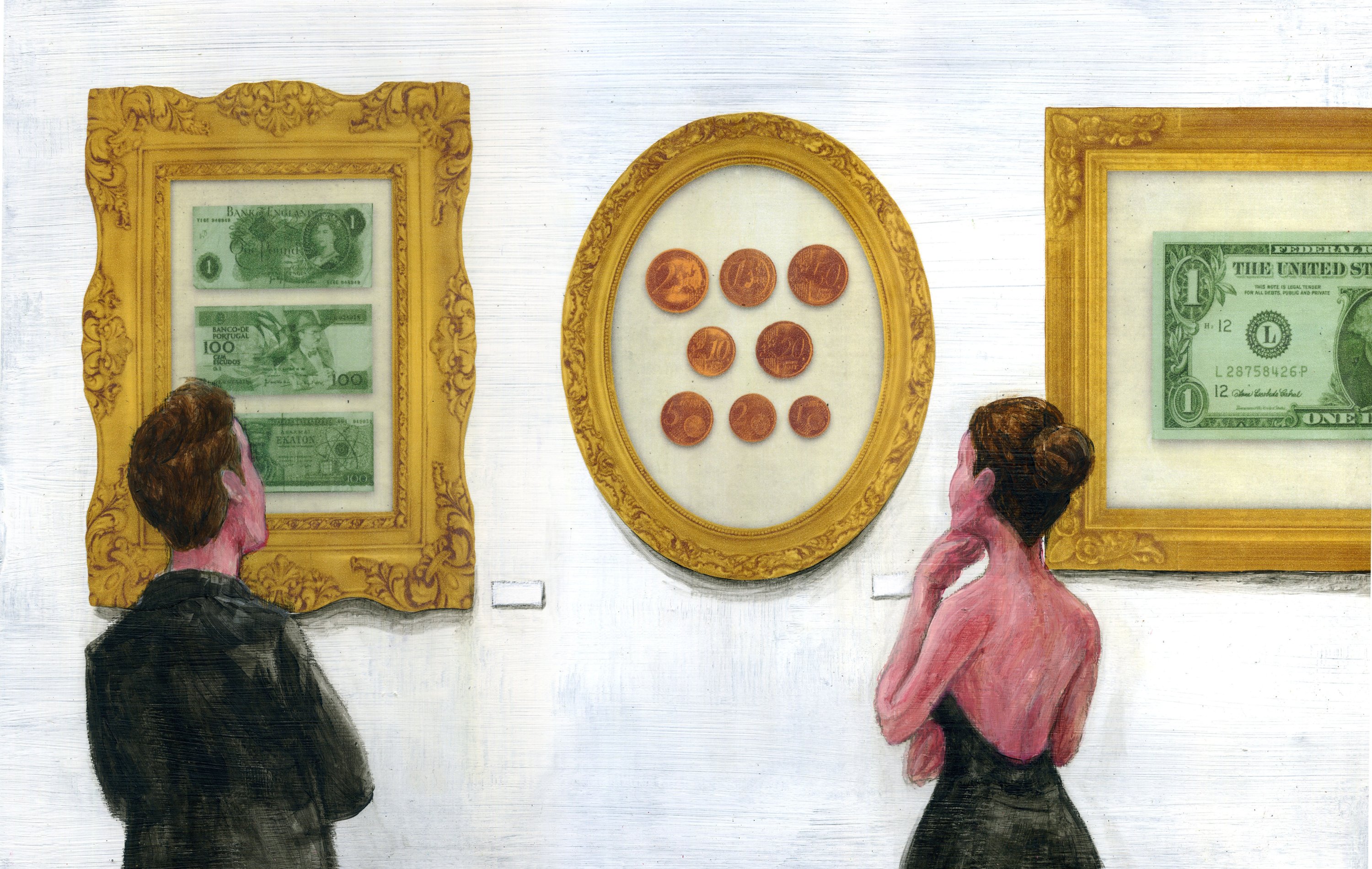
Imagine being in your room in the early 2000s, waiting for your favorite artist’s concert, looking at their poster and imagining meeting them. You had a photograph, some music, perhaps an interview and you created the rest. There was time to think about what the experience might be like before it happened.
I see imagination as a form of survival: the ability to picture a life, a place or an encounter beyond what is immediately available. Research by Daniel Schacter and Donna Rose Addis describes how we draw on memories to construct possible futures. We participate in creating what we look forward to.
What happens when more of that work is done for us?
Today, even anticipation comes with a preview. Before visiting a place, we can see it from every angle; before watching a film, we may already know its most memorable scenes. Even encounters that once belonged to private imagination arrive with the setting, the gestures and the atmosphere already decided. We can move through endless versions without spending much time imagining one ourselves.
I wonder what this ease of access does to desire. When so little is left unknown, what makes us curious enough to stay with something?
The way audiences respond to stories offers one place to look. In the 2025 Teens & Screens report from UCLA’s Center for Scholars & Storytellers, 59.7% of American respondents aged 14-24 wanted more stories in which friendships were the central relationships.
There is plenty for a storyteller to work with in a friendship: uncertainty, loyalty, jealousy, the gradual discovery of another person. An audience can become involved in those developments, forming expectations and revising them as the characters change. That involvement takes time, something the constant availability of another scene or another story makes easy to interrupt.
We can also move through grief, amusement, admiration and envy within minutes, before considering why any of them arose.
The effects of experiencing emotions through art have concerned thinkers for centuries. In "Book X of the Republic," Plato worried that poetry nourished passions that should remain under reason’s guidance. Aristotle associated tragedy with catharsis through pity and fear, although its precise meaning remains debated.
Today, the pace of viewing adds another question: how much time do we allow a feeling to develop before replacing it with the next one?
A work may hold our attention while we watch it, yet leave us with little inclination to think about it afterward. For fashion, film and art, sustaining that interest is a creative and commercial challenge.
As a cultural strategy, nostalgia is already at work. Fair Warning’s Sept. 17 auction, "The Impossible Couture Collection," brought archival McQueen and Galliano into focus. According to Harper’s Bazaar, a McQueen ensemble made for and worn by Naomi Campbell sold for $1.586 million.
These garments offer more to discover than their appearance: the collections they belonged to, the ideas behind them and the people who wore them. An archive gives an audience somewhere to go after the first image, including people encountering a designer’s work for the first time.
Research gives another reason to take nostalgia seriously. Experiments published in Emotion in 2016 found that it could strengthen a sense of continuity between past and present through social connectedness. In cultural strategy, that suggests possibilities beyond repeating a recognisable style.
Cinema offers a related example of how older material can be approached again. Set the technological anxieties of "Black Mirror" beside Christopher Nolan’s "The Odyssey," with its journey home, courage and endurance, and I see an opportunity worth exploring: giving familiar human motivations new scope through contemporary storytelling.
A myth or an archive can provide a starting point while still leaving room for audiences to imagine.
That room also depends on how we encounter a work. In an exhibition, visitors can choose where to stop, how long to look and what to return to.
My own route begins in Istanbul, where two anniversaries offer an opportunity to follow artistic relationships over time. Galerist’s "Labour of Love," running from Sept. 16 to Nov. 7, marks its 25th anniversary with nearly 50 artists who have shaped its history.
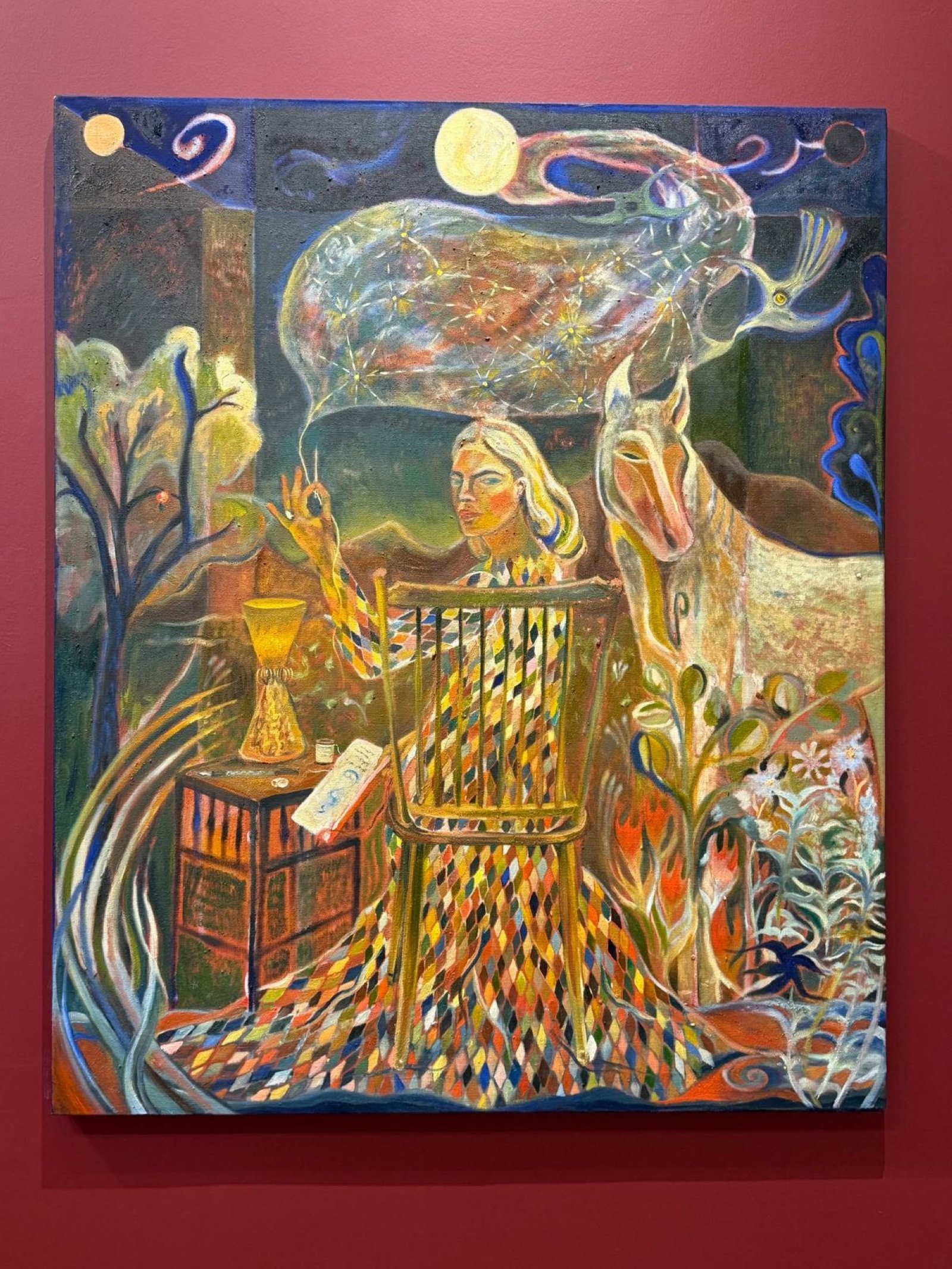
Staying loyal to artists allows audiences to follow the development of their practices and I think that continuity is an important part of building a gallery.
Loft Art is also celebrating its fifth anniversary with "Arşiv," bringing back 23 artists from its past exhibitions from Oct. 2 to Nov. 29. It is an exciting opportunity to see how their work and careers have developed and to celebrate a space that supports emerging artists as they find their way.
Fatoş Irwen’s "Rû Bi Rû" at Zilberman Istanbul, from Sept. 15 to Nov. 21, brings questions of freedom, power and suppressed histories into this route. Its Kurdish title means “face to face” or “confronting one another.”
At Istanbul Modern, "Beneath the Same Blue," which opened on Sept. 8, presents works from the museum’s collection, tracing art in Türkiye from the 1940s onward alongside international works.
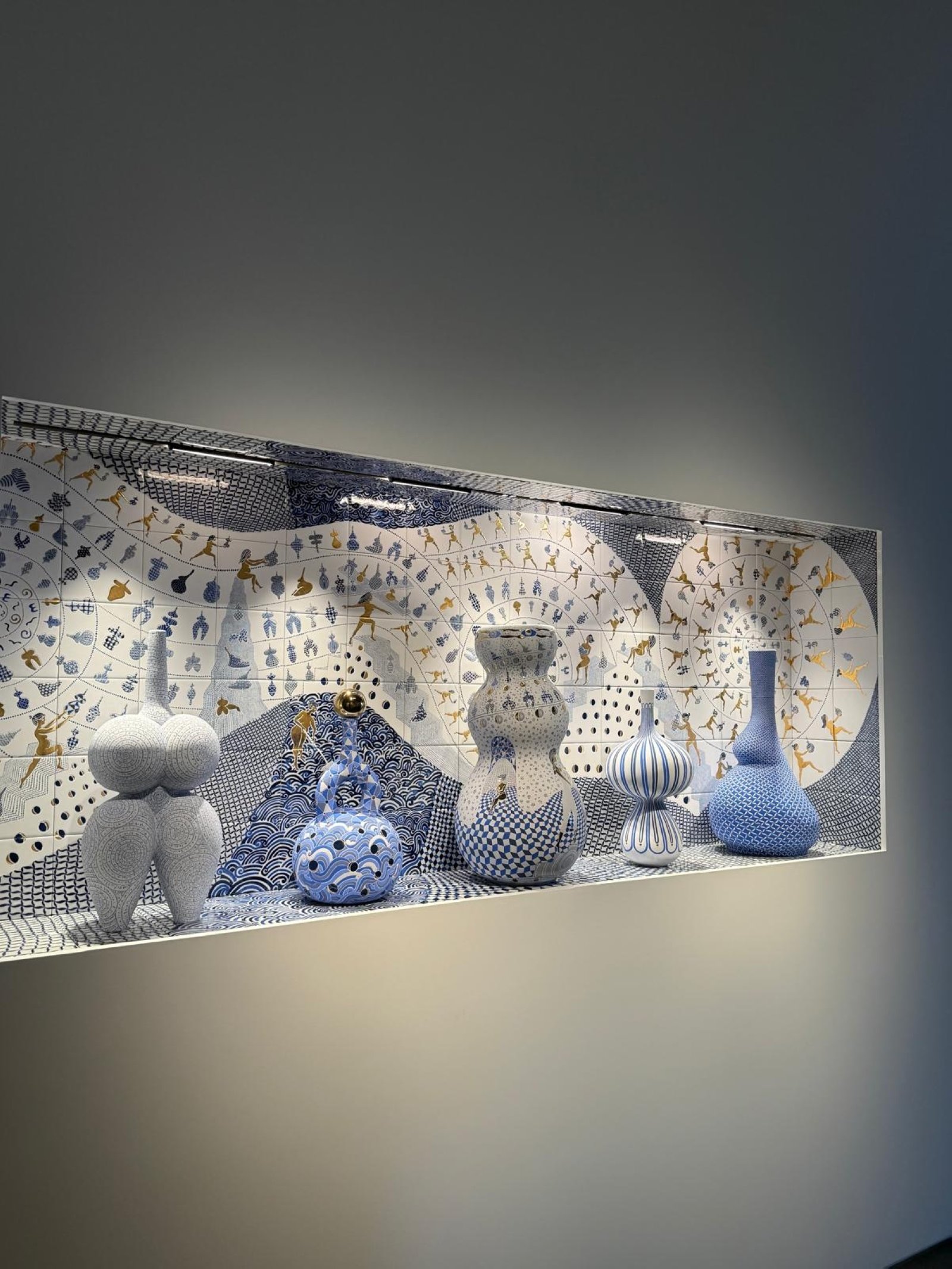
These exhibitions offer different subjects and histories to spend time with, without requiring an immediate response to everything on view. There may be one work that prompts a question, leads to another artist or gives a visitor a reason to return.
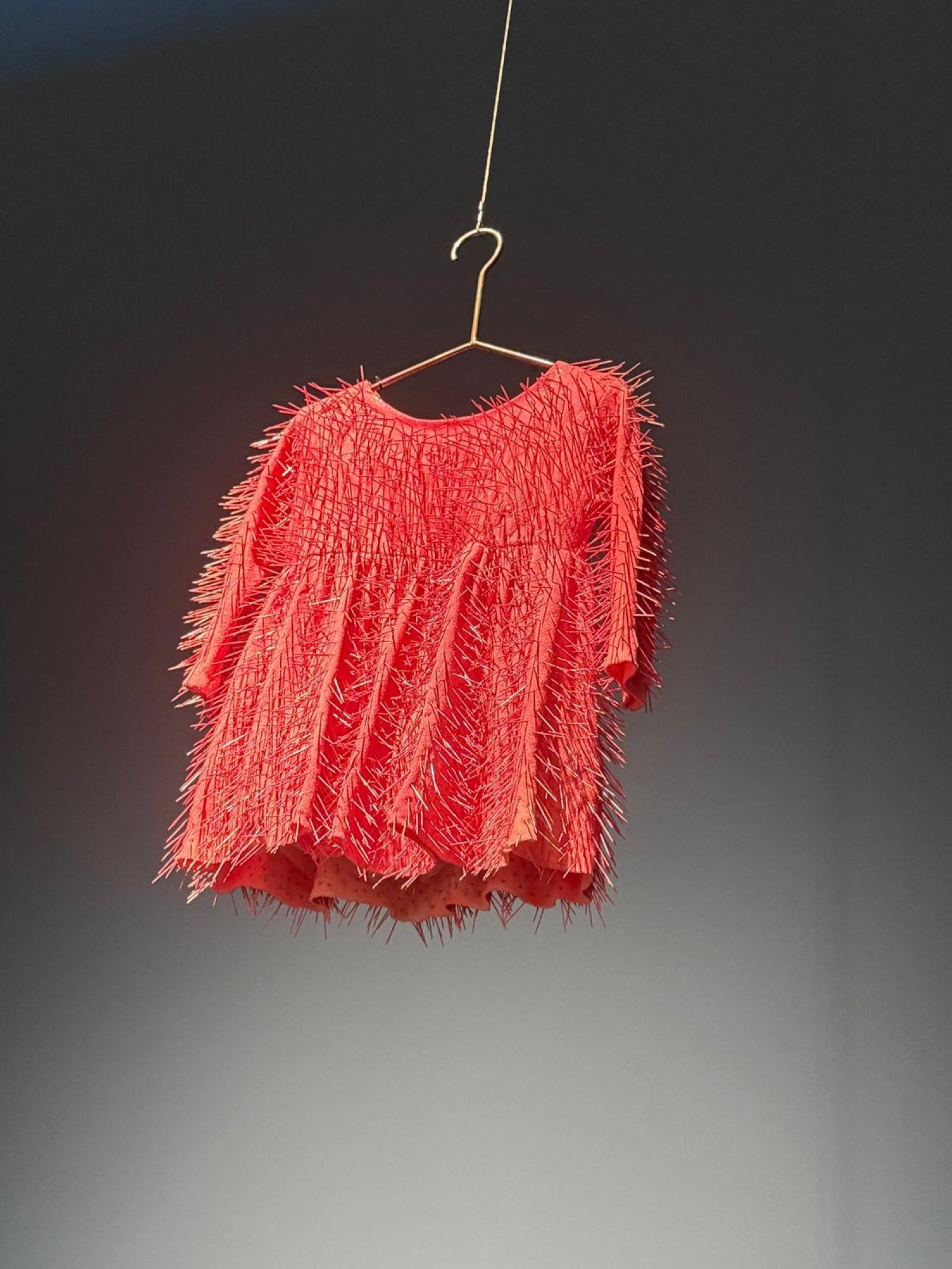
That continuing curiosity is part of what I mean by desire, and something cultural institutions can make room for without deciding in advance what every encounter should mean.