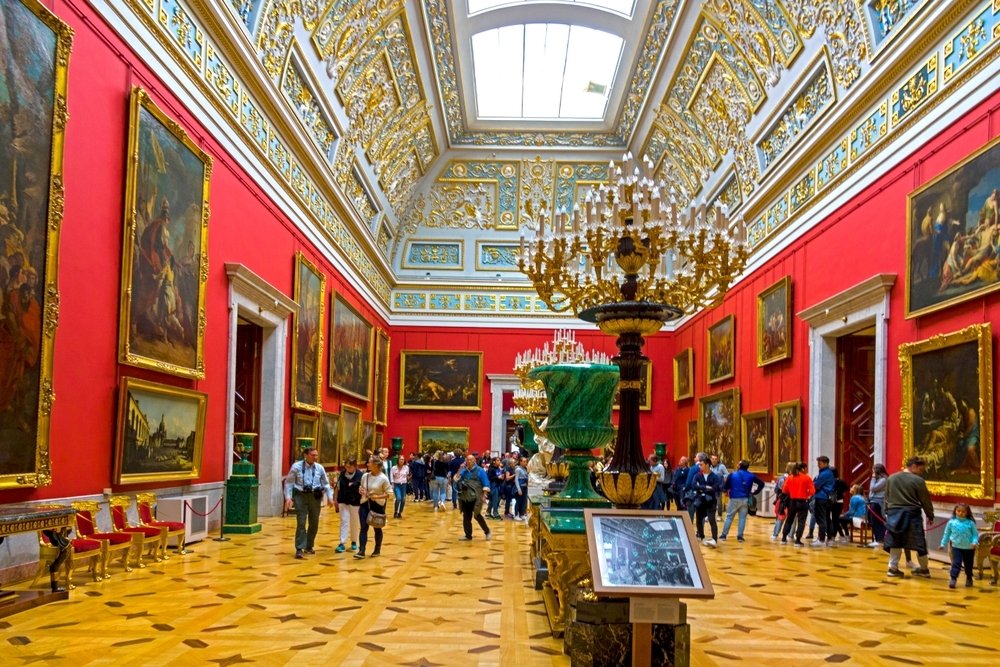
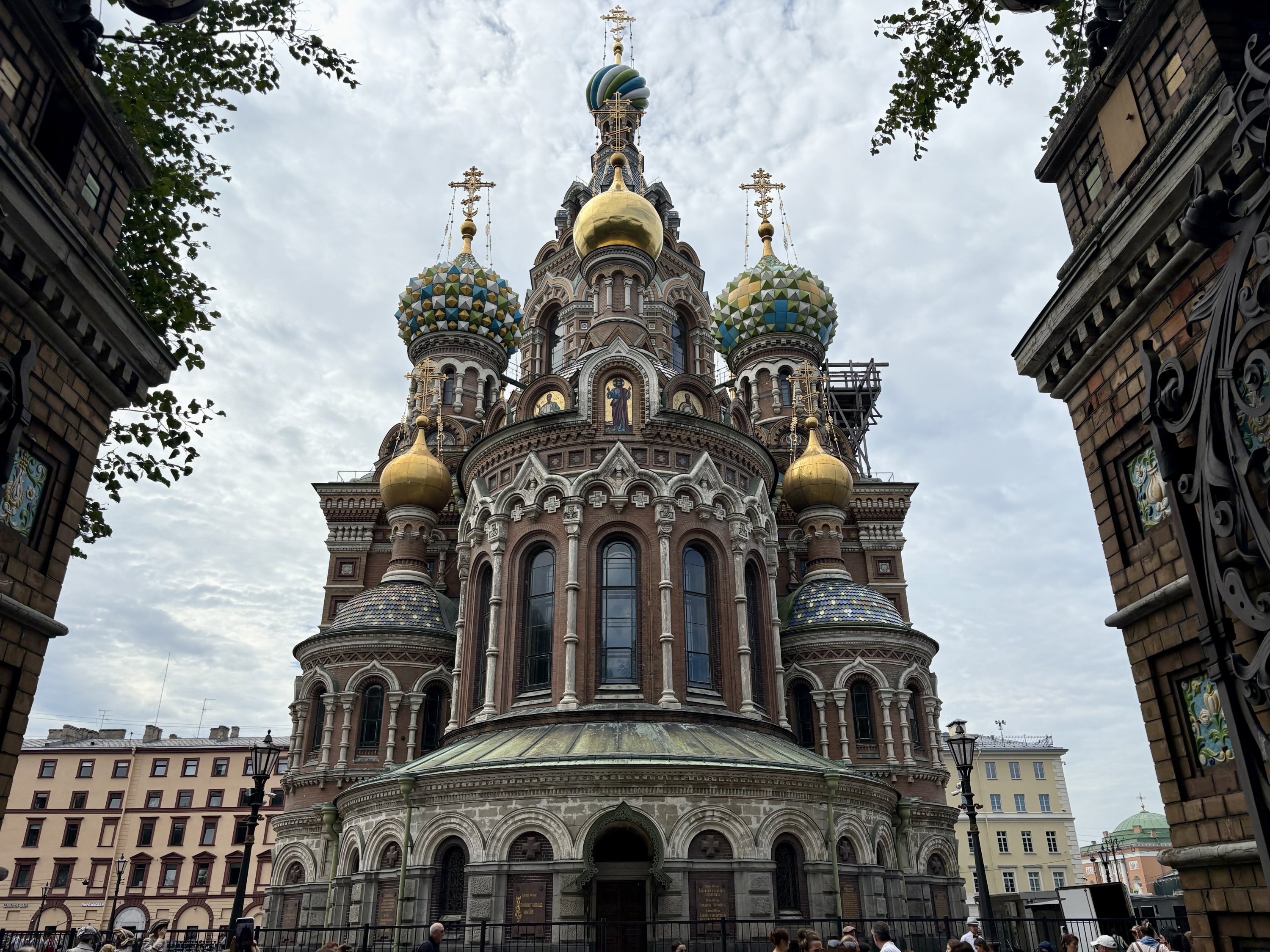
Traveling to St. Petersburg for the first time feels like stepping into a novel still being rewritten. The imperial facades, vast boulevards and golden-domed cathedrals remain gloriously intact, but the post-war atmosphere is unmistakable. Sanctions have erased familiar Western brands, and international credit cards are no longer accepted at all. Yet despite these absences, the city breathes with quiet resilience.
Summer lingers a little longer here, softening the edges of a place often defined by its brutal winters. For those willing to navigate its new realities, now may be the most revealing time to meet St. Petersburg: reflective, proud and suspended between past grandeur and an uncertain future.
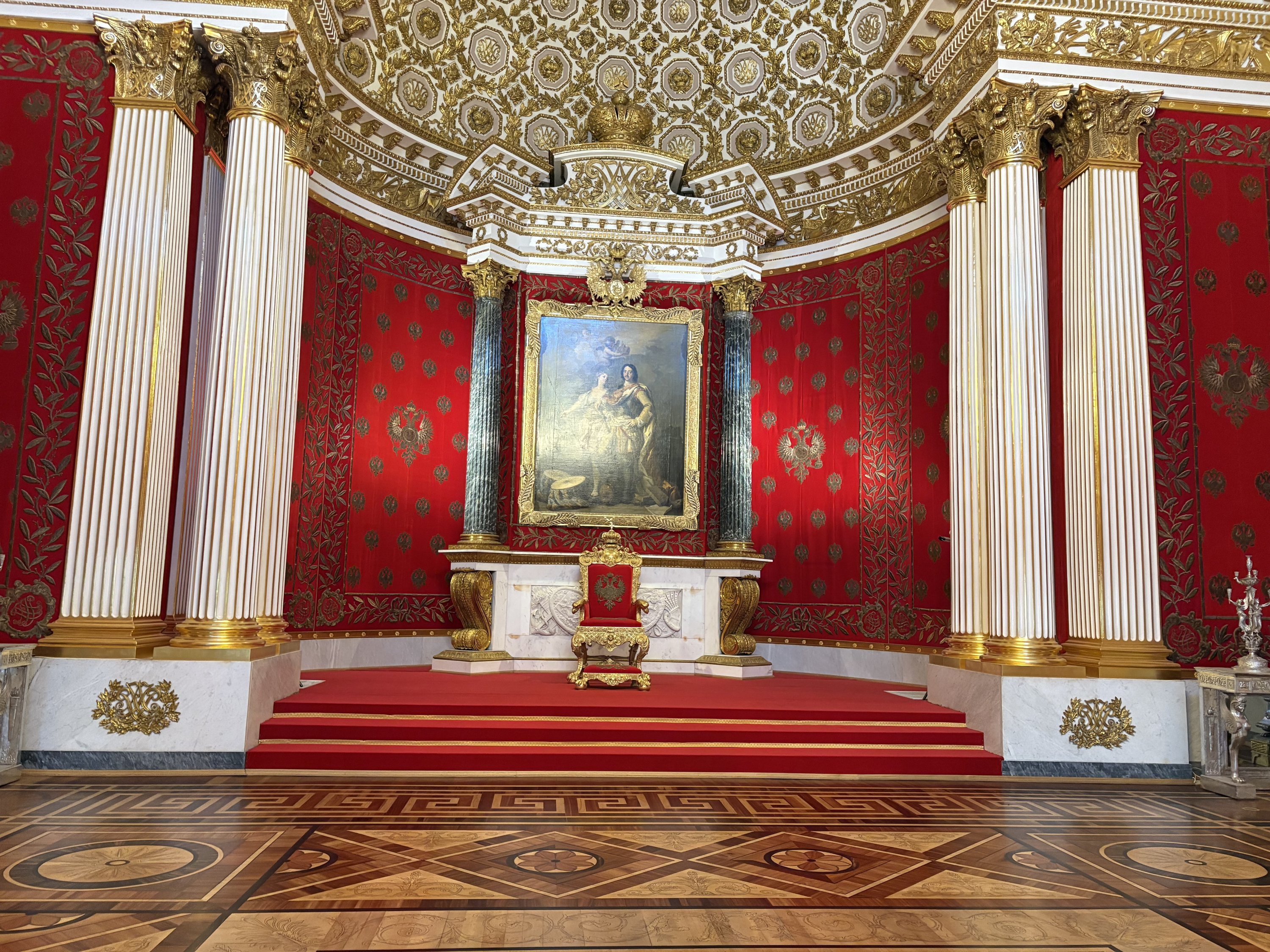
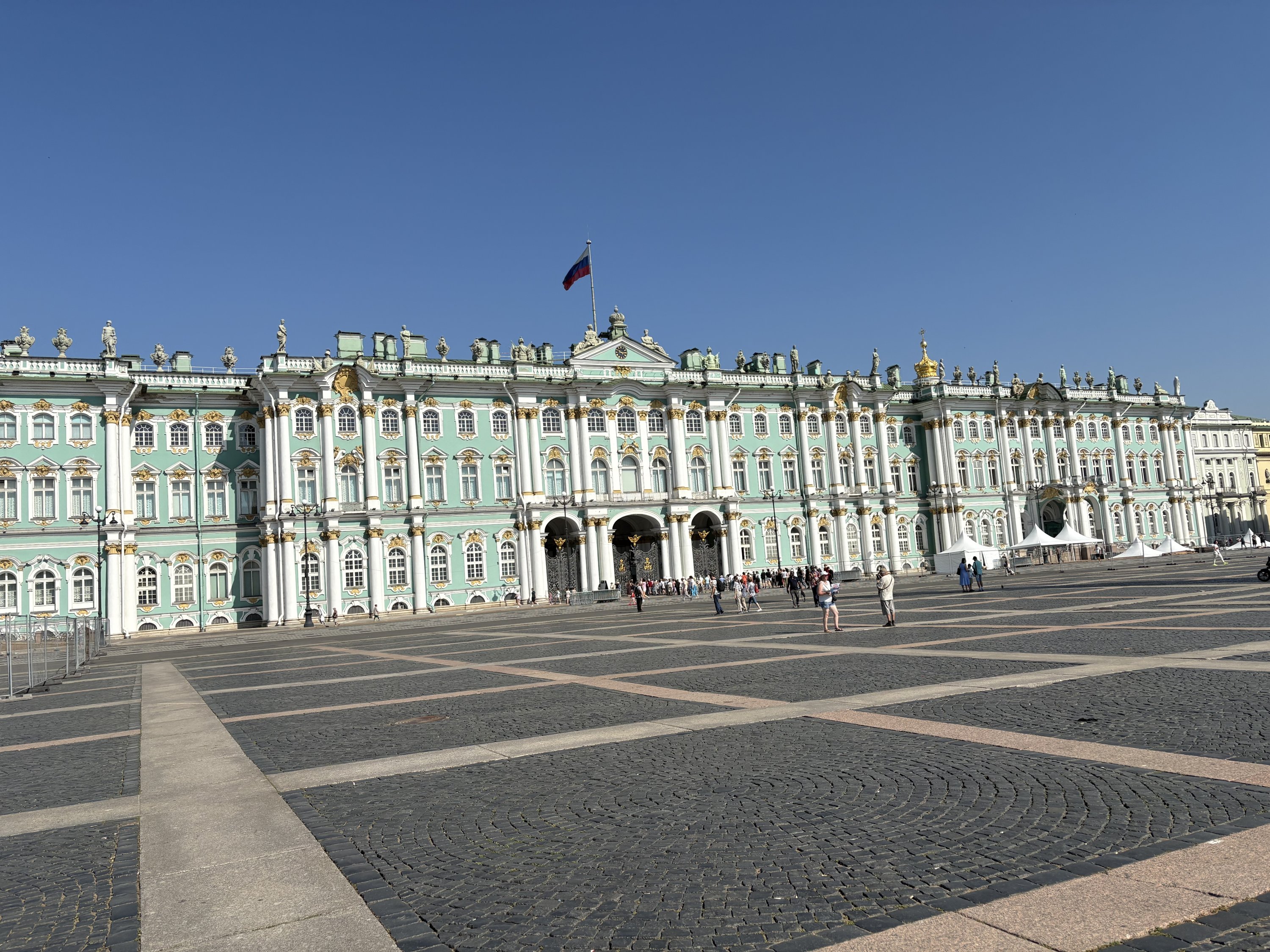
Skipping the Hermitage would be nothing short of a cultural offense. Founded on the private collection of Empress Catherine the Great, the museum is now one of the largest and richest art institutions in the world. Think Rembrandt, Da Vinci, Caravaggio, Matisse and a setting that rivals the art itself. As you ascend golden staircases beneath frescoed ceilings, the imperial age envelopes you. It’s not just a museum; it’s a passage through time. Standing proudly on Nevsky Prospect, Kazan Cathedral isn’t just a place of worship; it’s a symbol of triumph. Transformed into a victory monument after Russia’s defeat of Napoleon, it houses the tomb of General Kutuzov. Writers like Gogol often walked the boulevard outside, conjuring their stories amid the shadows of this spiritual stronghold. You can almost hear the footsteps of his characters echoing on the pavement.
While the building isn’t a formal museum, standing outside the place where Gogol lived in the 1830s is a quiet ritual for literature lovers. It’s where he penned many of his iconic Petersburg tales. The plaque states, “Gogol lived here,” but for those who know his work, the words carry profound significance. If Gogol showed us the absurdity of order, Dostoyevsky drags us into chaos with clarity.

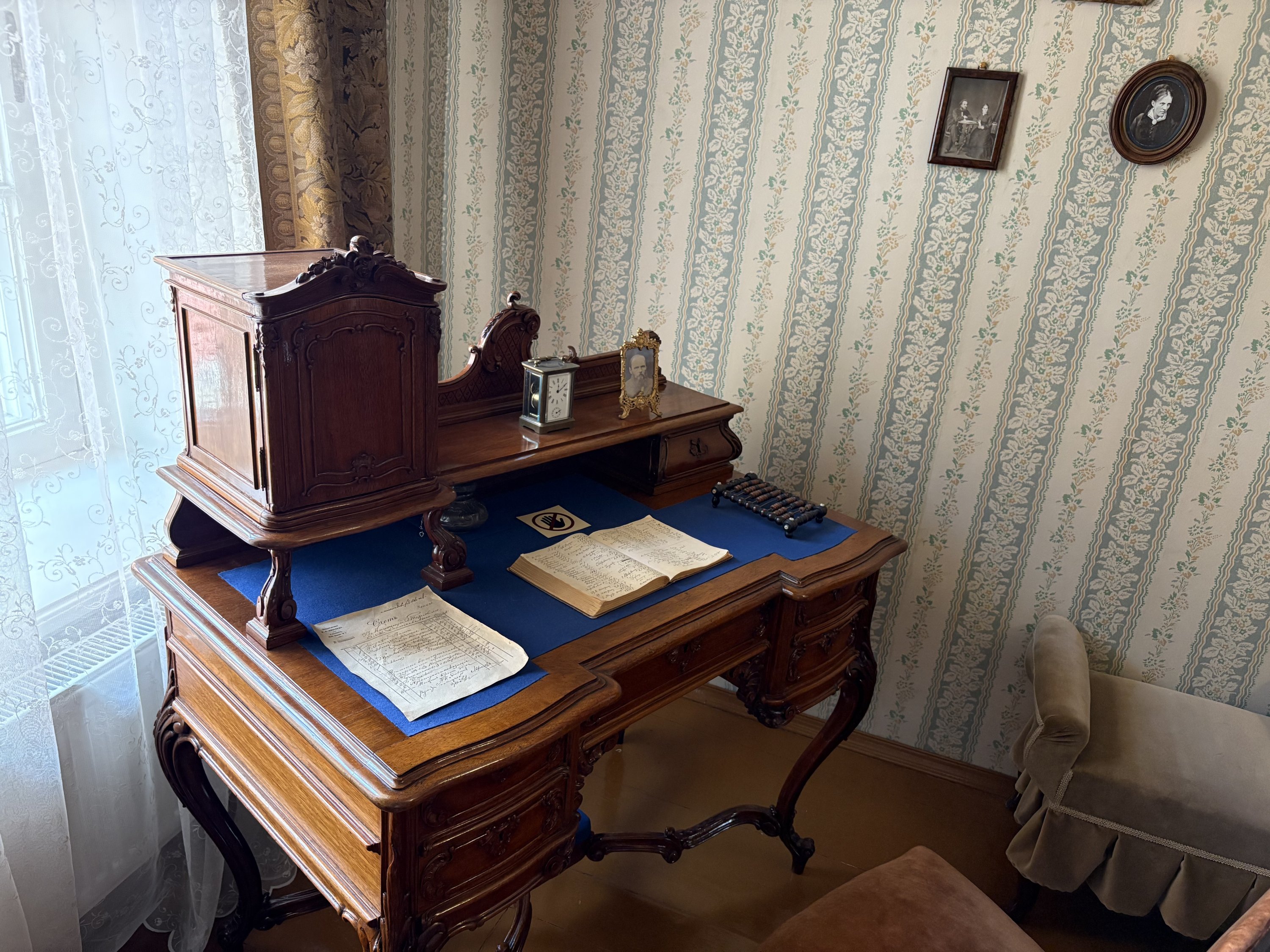
His final residence, where he wrote "The Brothers Karamazov," is now a museum, hauntingly preserved. His typewriter, his teacup, everything seems to wait for his return. It's deeply moving and a must-visit for anyone drawn to the psychology of literature. One of the city’s most atmospheric walks is near St. Isaac’s Cathedral, where Gogol’s "The Overcoat" finds its setting. Akaky Akakievich, the story’s tragic hero, trudged these very streets. Surrounded by classical buildings, you almost expect him to turn a corner in search of his stolen coat. The square has seen emperors, protests and prose; a literal and literary crossroads.
Even emperors had a sense of humor. Peter the Great’s Summer Palace garden is not just elegant, it’s playful. He designed fountains that would suddenly spray unsuspecting visitors with water. Today, people toss coins at his statue, hoping their wishes land on his boot—a charming blend of myth, history and mischief.
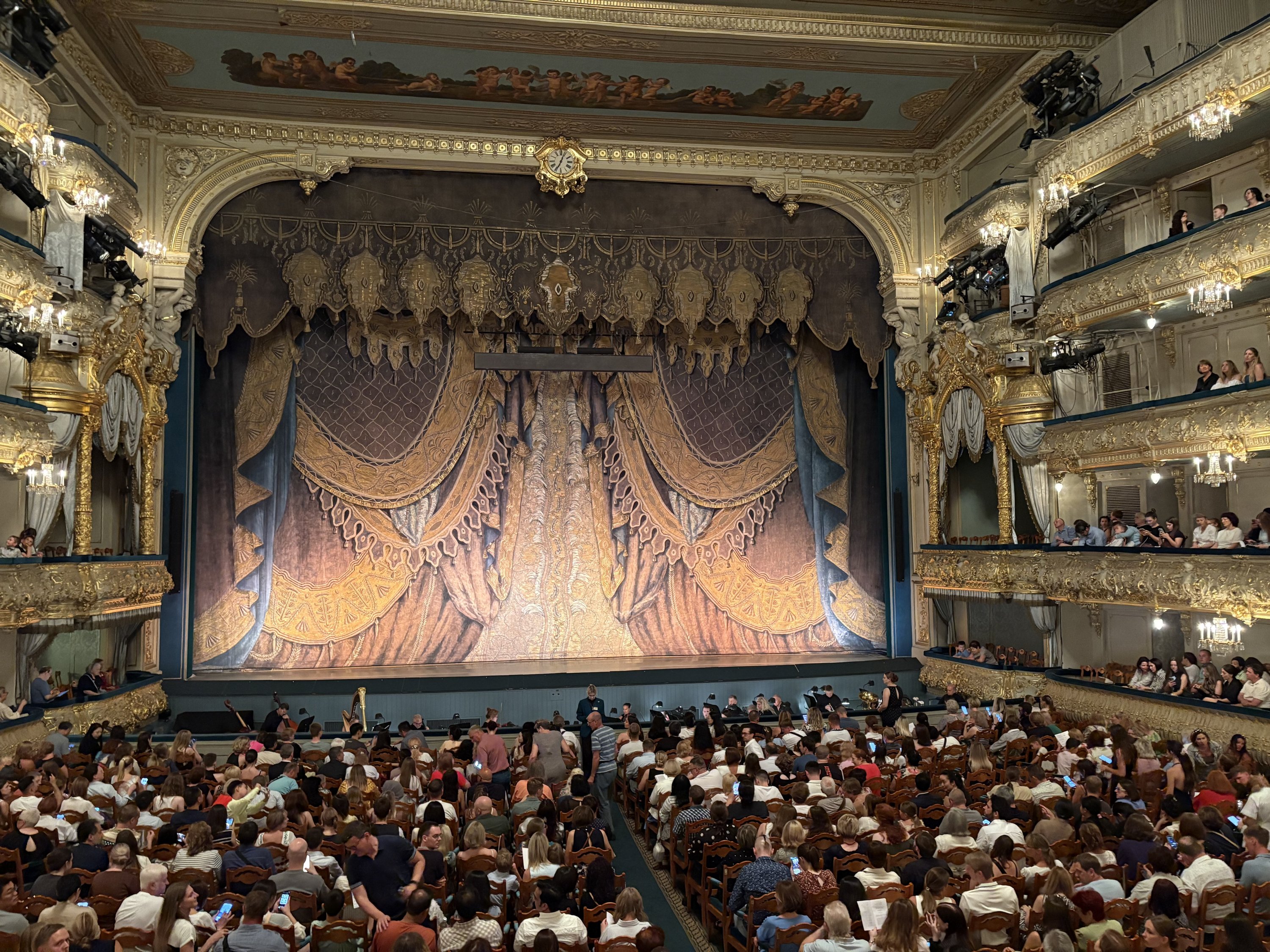
Seeing "The Nutcracker" at the Mariinsky Theater isn’t watching a ballet, it’s entering a dream. Tchaikovsky’s music filled the ornate hall, and when the Snow Queen glided across the stage in white, the audience held its breath. Russian ballet is exact, refined and emotionally potent. St. Petersburg isn’t just classical. At Igor Butman’s jazz club, I caught an unexpectedly warm and spirited performance. It was intimate, lively and a refreshing contrast to the grandeur of palaces and theaters a modern rhythm in a city steeped in tradition.
Housed in a 19th-century palace originally envisioned by architect Auguste de Montferrand, the Four Seasons Hotel Lion Palace is a restoration masterpiece. The hotel’s design remains loyal to the imperial elegance of the era, with each detail, from crown moldings to marble touches, meticulously studied. Dining here is also a highlight; the Innovative Dining Concepts bring together classic flavors with bold, modern finesse. A recommendation? Absolutely. St. Petersburg is experiencing a remarkable surge in interest from Turkish travelers, and it’s not hard to see why. With the recent introduction of Russia’s e-visa system, Turkish citizens can now bypass the stress of lengthy visa procedures and reach this cultural capital in just 3.5 hours via nonstop flights from Istanbul. The response has been so strong that Turkish Airlines (THY) now operates one of its three daily flights with a wide-body Airbus A330. In total, nearly 100 flights per week connect Türkiye to St. Petersburg, including daily services from Istanbul Airport (via Turkish Airlines and Aeroflot), Sabiha Gökçen (via Pegasus and Ajet), and seasonal or charter routes from Antalya, Bodrum, and Dalaman. Efficient access, visa ease and a longing for new yet familiar destinations are turning St. Petersburg into a new favorite for Turkish travelers.