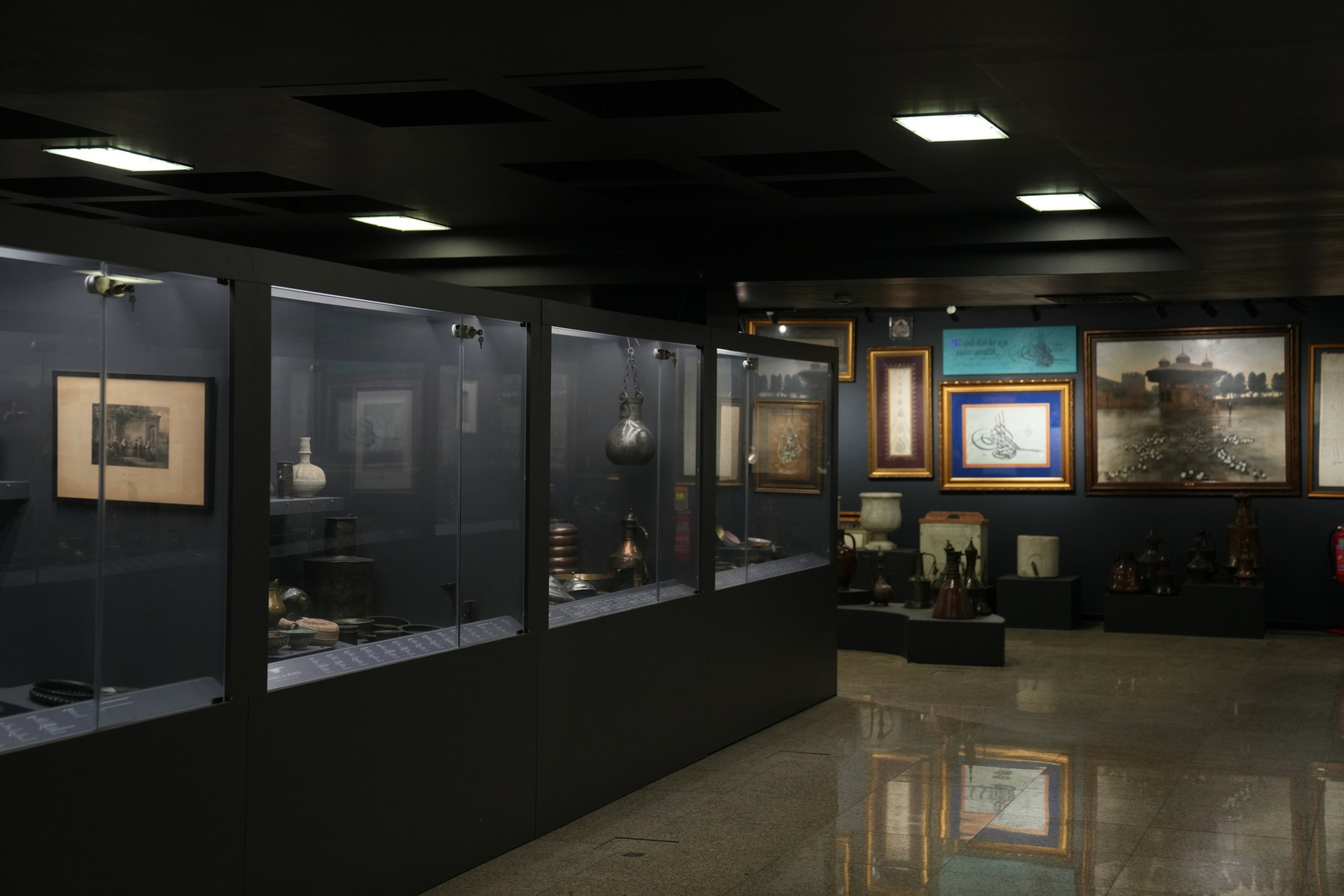
From Roman, Byzantine and Ottoman-era faucets to 700-year-old healing bowls, the Istanbul Water Museum showcases thousands of artifacts tracing water’s 2,000-year journey through human civilization.
Ercan Topçu, the museum’s founding chairperson, told Anadolu Agency (AA) that his family has been in the faucet business for 45 years. “Our family owns a factory that has been producing fixtures for 45 years. For four to five generations, we’ve preserved certain objects. Inspired by this culture of preservation, we began collecting water-related artifacts 30 years ago,” he said.
The museum explores daily life connected to water, including bathing, drinking, healing, and religious practices. Its collection features water vessels, fountains, public drinking fountains ("sebils"), as well as paintings, engravings, postcards and ephemera.
Topçu said the collection began with small faucets and Ottoman-era Süleymaniye-style pieces. “Twenty years ago, we received a ‘Movable Cultural and Natural Property Registration Certificate’ from the Turkish and Islamic Arts Museum. We wanted to formalize our collection in our company’s name to ensure its preservation. Over the years, we’ve collected more than 3,000 items spanning the Ottoman era, early Republican period, Seljuk, Byzantine, and late Roman eras – nearly 2,000 years of water history,” he said.
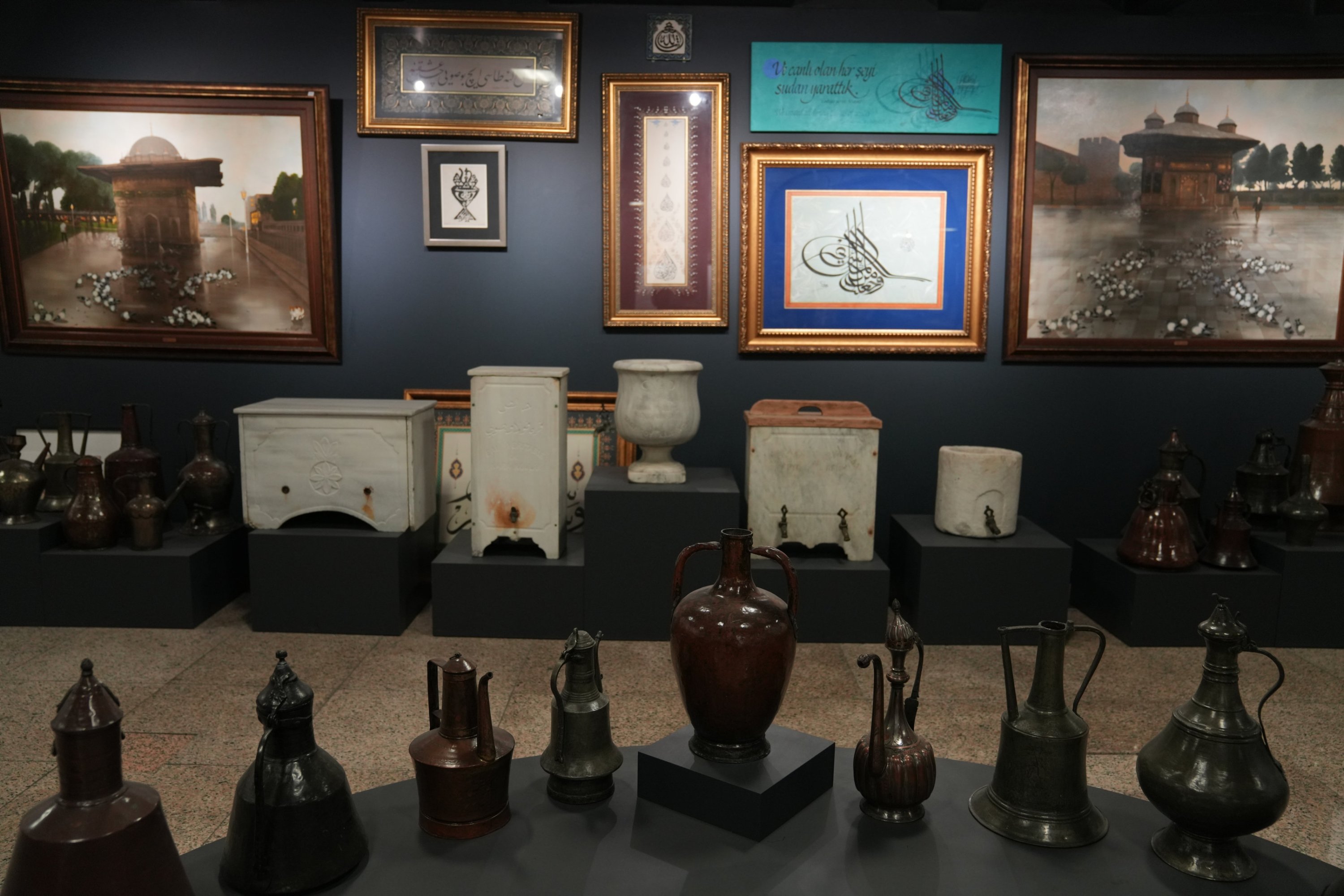
The museum has held seven exhibitions and was officially recognized in 2021. “We finally opened the Istanbul Water Museum. Because it coincided with the COVID-19 pandemic, there was no formal inauguration. Nevertheless, we welcome many visitors from Türkiye and abroad, and admission is free. We are currently located in the Ikitelli Organized Industrial Zone in Başakşehir,” Topçu said. He hopes to move the museum to Sultanahmet, Istanbul’s main tourist district, to reach a wider audience.
Among its treasures is a 700-year-old healing bowl, described by Topçu as a masterpiece. “Examples of these can be seen at the British Museum and the Metropolitan Museum,” he said.
The museum also houses water vessels that are disappearing or forgotten. “One of our goals is to reintroduce these vessels to the public,” Topçu added. Objects such as jugs, basins, ewers and ladles reflect artistic styles and religious practices spanning 5,000 to 10,000 years in Anatolia.
Topçu emphasized the museum’s role in preserving water culture. “Fountains and public water dispensers are unique to Turkish-Islamic culture. Neighborhoods and streets would host a 'sebilhane,' a public water fountain built as a charitable act for God’s sake. Water was distributed freely, with attendants appointed to manage it. Istanbul also has famous waters, like Sırmakeş, Taşdelen, Çamlıca, Hünkar, Hamidiye, Karakulak and Kanlıkavak, which were considered to have healing properties,” he said.
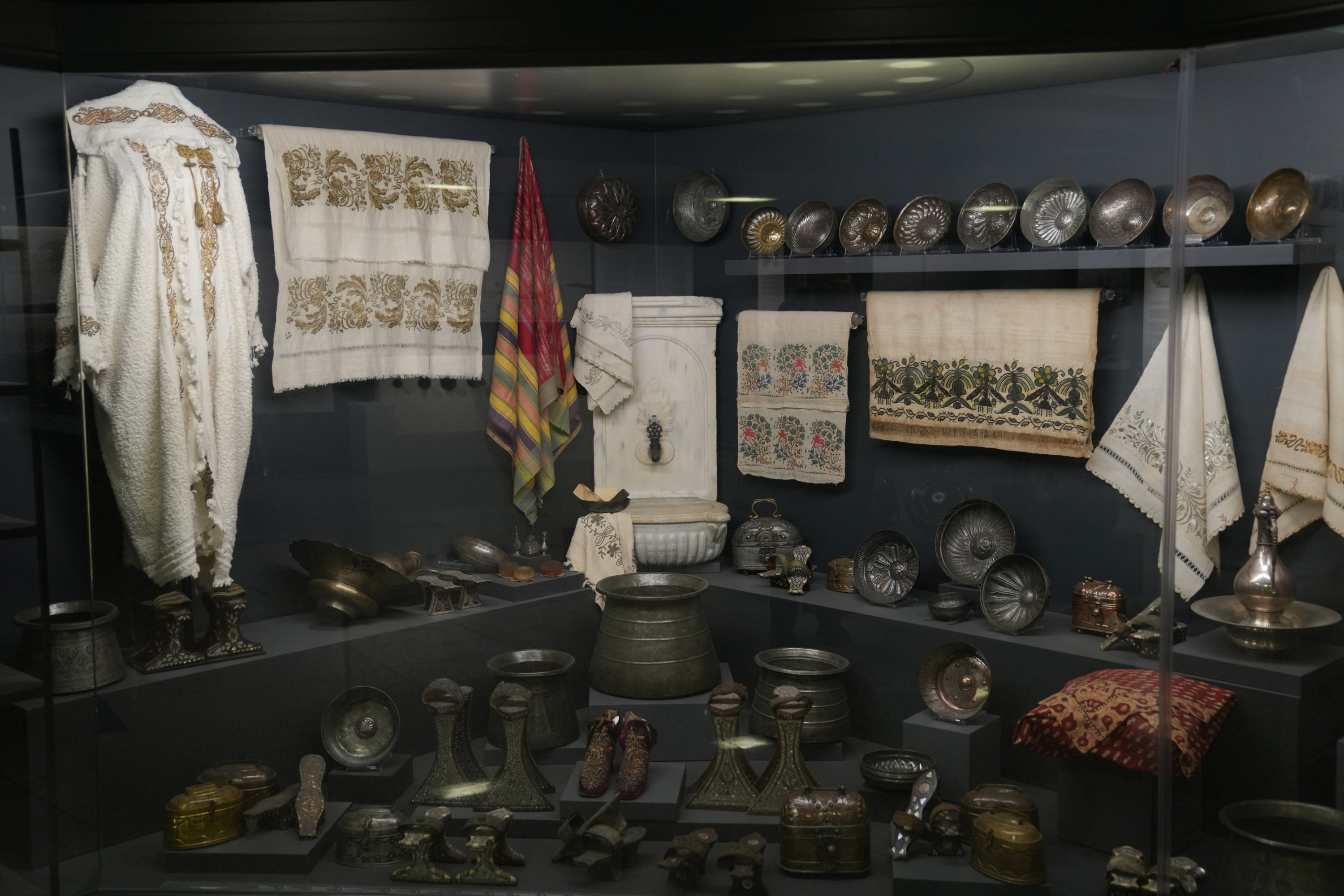
He noted that Istanbul’s history of water scarcity inspired remarkable innovations, making the city a center of water civilization. “Fountains, sebils, cisterns, baths, aqueducts, water channels and reservoirs – from Roman aqueducts to Byzantine covered cisterns – demonstrate this heritage,” Topçu said.
The museum also promotes water conservation. “We are just beginning to recognize the value of water. From the Ottoman era, two principles guide us: never waste water and never withhold it from those who need it,” he said. Topçu’s family company develops low-flow faucets and smart water fixtures. “Under TSE standards, a normal faucet flows 12-15 liters per minute. Our designs reduce this to as little as 4 liters per minute in some models,” he said.
A member of the UNESCO Global Network of Water Museums, the Istanbul Water Museum presents water’s central role from daily life to religious practices. Its collection includes metal, ceramic, glass, wood, textile, leather and terracotta artifacts, complemented by photographs, postcards, engravings, paintings, decrees, documents and manuscripts that collectively illustrate water civilization.
By preserving this heritage, the museum highlights Türkiye’s contributions to water culture while educating visitors on the historical and modern significance of water in daily life.