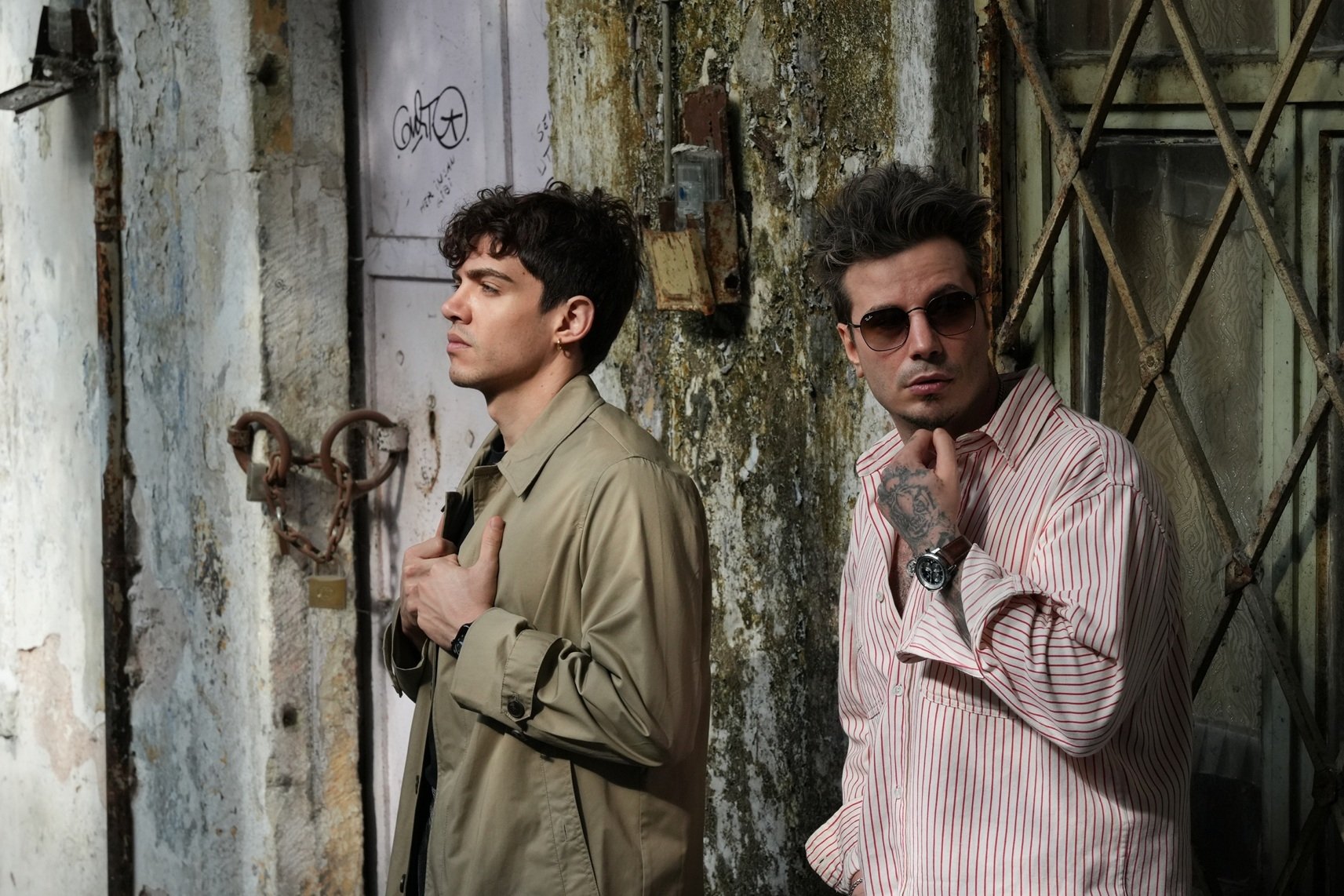
The Turkish music landscape is undergoing one of its most dynamic periods in recent memory, marked by experimental sounds, cross-genre collaborations and young talents stepping onto international stages. At the center of this transformation stands Nun Sultan, a fast-rising figure whose AI-assisted vocal technique and distinct sonic identity have rapidly expanded her audience and reshaped expectations within the rap scene.
Nun Sultan has captured widespread attention with a unique blend of artificial intelligence and musical storytelling. Her use of AI-generated female-form vocals and digitally crafted tones has helped her cultivate a sound that feels both futuristic and emotionally grounded. Even veteran rapper Sagopa Kajmer acknowledged her rise, describing her trajectory as “heading toward the top.”
The breakout track of her recent album, “Durdur Beni,” ("Stop Me") has become a phenomenon beyond streaming platforms. The song is discussed in studios, backstage conversations and even among well-known actors and artists. Listener reactions reveal that the track has found a place in late-night playlists and built an intimate emotional resonance. Its AI-generated vocal – remarkably close to an organic human texture – adds to its appeal.
Sagopa Kajmer has emphasized that Nun Sultan represents more than a technical experiment, suggesting she is developing into a fully formed musical persona with her own character, voice and story. His remarks have intensified speculation about a potential collaboration between the two artists. While no confirmation has been given, industry observers note that such a partnership is far from impossible and could introduce a groundbreaking moment in Turkish rap.
Nun Sultan’s streaming numbers continue to rise, signaling a growing and loyal audience. Industry sources suggest a second album is highly likely and a full remix version of her existing work is already in development. Fans are anticipating not only new tracks but also deeper insights into how Nun Sultan’s AI-driven creative process works.
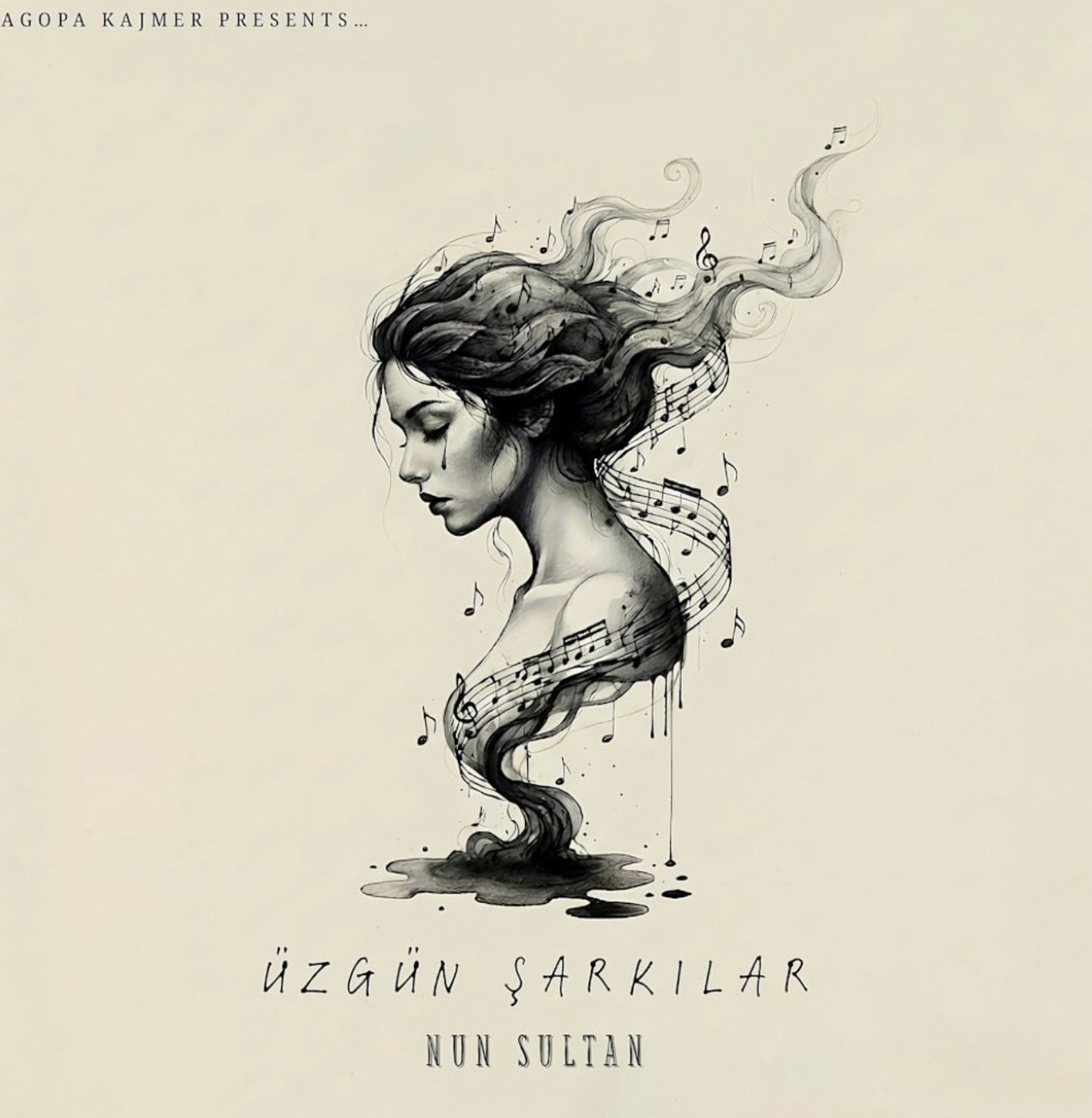
Fans and industry insiders are already asking: “Is a second album coming?” According to behind-the-scenes chatter, the answer is: yes, highly likely. As AI-vocal technology evolves, Nun Sultan is expected to deliver more ambitious projects, both conceptually and sonically. Reports also indicate that a full remix album is in the works, giving fans the chance to experience her songs in entirely new forms.
Beyond these projects, Nun Sultan’s phenomenon should not be viewed merely as a musical success. It represents a broader shift in the Turkish music industry’s relationship with artificial intelligence. Songs are no longer limited to human voices – they now embody characters, identities and emotional depth. Combining emotion with AI and technique with soul is no easy task, but Nun Sultan is successfully achieving this. If her path ever intersects with Sagopa Kajmer, the collaboration would resonate not only in the digital music sphere but also across the broader cultural landscape. As the industry watches closely, it is clear that this story is only beginning.
This period of musical reinvention is not limited to rap. Producer Emrah Karaduman and alternative rock band Mavi Gri have teamed up for an unexpected collaboration titled “O Değil Ki,” released across digital platforms on Nov. 14 under Karaduman Music & DMC.
The track, written and composed by Karaduman, features mixing by Karaduman and Luca Pretolesi, with Pretolesi handling mastering. Karaduman’s electronic approach blends seamlessly with vocalist Akif Alkan’s expressive delivery, creating a layered sound that brings emotional depth and modern sensibility together.
The accompanying music video, directed by Ahmet Fatih Tarıl, was shot in a single day in Şile and launched simultaneously with the song.
Beyond the digital frontier, traditional music education in Türkiye is also producing standout success stories. Nineteen-year-old pianist Özgür Taner, who studied for a decade at the ITU Turkish Music State Conservatory, recently earned acceptance to the prestigious Fondazione Accademia Perosi di Musica di Biella in Italy, an achievement that highlights the global potential of Turkish conservatory training.
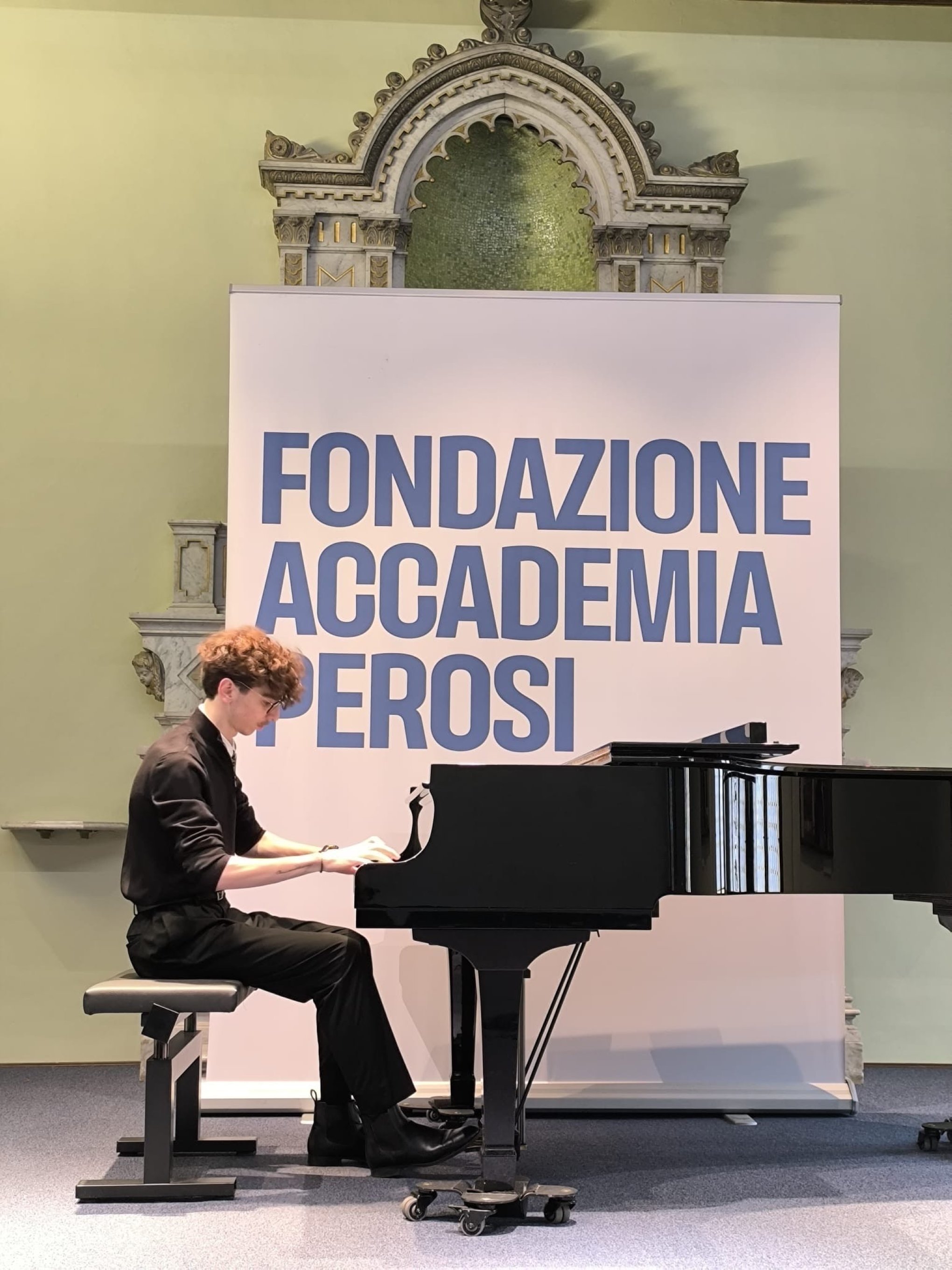
Taner’s journey took a pivotal turn during a masterclass in Hungary two years ago, where he met celebrated pianist Maria Meerovitch. What began as a brief set of lessons evolved into a long-term mentorship. Impressed by his progress, Meerovitch later invited Taner to audition for her academy. His successful performance in Italy secured him a place among Europe’s respected young musicians.
Meerovitch, a prominent representative of the Russian piano school and a graduate of the St. Petersburg Conservatory, continues to perform internationally and mentor rising artists. Her support of a young Turkish pianist has been widely celebrated in academic and music circles.
Taner now prepares to begin his studies in Italy, with ambitions of performing in major concert halls and building an international career. His story reflects the broader message of this evolving era: Turkish music - whether through AI-driven innovation, hybrid collaborations or classical artistry - is increasingly global, experimental and culturally influential.