Daily Sabah logo

Politics
Diplomacy Legislation War On Terror EU Affairs Elections News Analysis
TÜRKİYE
Istanbul Education Investigations Minorities Expat Corner Diaspora
World
Mid-East Europe Americas Asia Pacific Africa Syrian Crisis Islamophobia
Business
Automotive Economy Energy Finance Tourism Tech Defense Transportation News Analysis
Lifestyle
Health Environment Travel Food Fashion Science Religion History Feature Expat Corner
Arts
Cinema Music Events Portrait Reviews Performing Arts
Sports
Football Basketball Motorsports Tennis
Opinion
Columns Op-Ed Reader's Corner Editorial
PHOTO GALLERY
JOBS ABOUT US RSS PRIVACY CONTACT US
© Turkuvaz Haberleşme ve Yayıncılık 2025

Daily Sabah - Latest & Breaking News from Turkey | Istanbul

  • Politics
    • Diplomacy
    • Legislation
    • War On Terror
    • EU Affairs
    • Elections
    • News Analysis
  • TÜRKİYE
    • Istanbul
    • Education
    • Investigations
    • Minorities
    • Expat Corner
    • Diaspora
  • World
    • Mid-East
    • Europe
    • Americas
    • Asia Pacific
    • Africa
    • Syrian Crisis
    • Islamophobia
  • Business
    • Automotive
    • Economy
    • Energy
    • Finance
    • Tourism
    • Tech
    • Defense
    • Transportation
    • News Analysis
  • Lifestyle
    • Health
    • Environment
    • Travel
    • Food
    • Fashion
    • Science
    • Religion
    • History
    • Feature
    • Expat Corner
  • Arts
    • Cinema
    • Music
    • Events
    • Portrait
    • Reviews
    • Performing Arts
  • Sports
    • Football
    • Basketball
    • Motorsports
    • Tennis
  • Gallery
  • Opinion
    • Columns
    • Op-Ed
    • Reader's Corner
    • Editorial
  • TV
  • Arts
  • Cinema
  • Music
  • Events
  • Portrait
  • Reviews
  • Performing Arts

Ottoman influences on Hungarian aesthetics: Ceramic art

by Daily Sabah

ISTANBUL Jun 01, 2023 - 6:43 am GMT+3
Edited By Buse Keskin
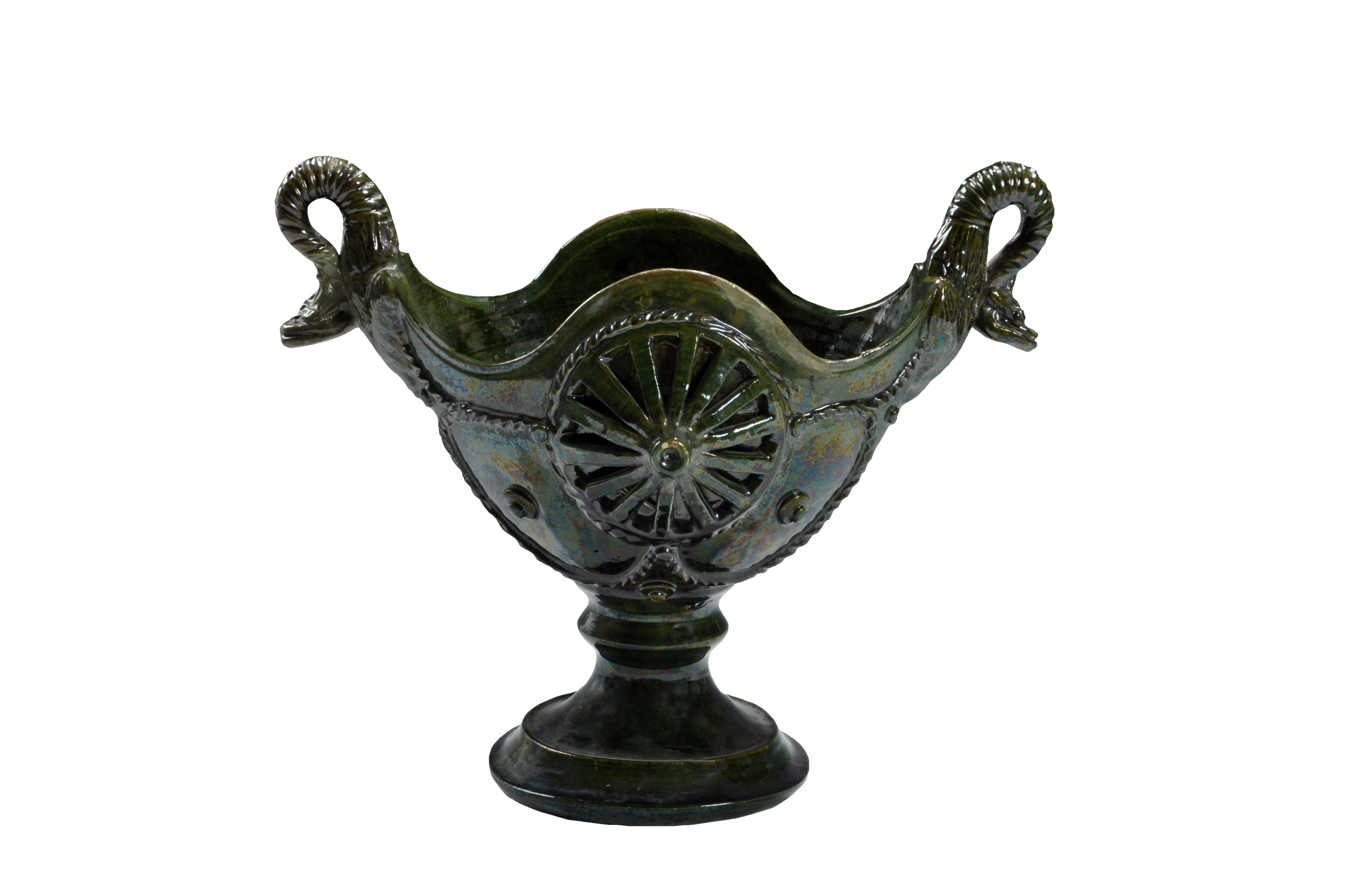
"Gyümölcstarto" by Bozsik Kalman. (Photo courtesy of Istanbul Liszt Institute Hungarian Cultural Center)
by Daily Sabah Jun 01, 2023 6:43 am
Edited By Buse Keskin

Istanbul Liszt Institute Hungarian Cultural Center brings the centuries-old pottery craftsmanship and ceramic art from the southern region of Hungary to the present day with an exhibition titled "Local and Modern: Ceramic Art from Hungary's South."

In the history of Hungarian folk pottery, the pottery centers of the Great Hungarian Plain (covering the former borders of Hungary) have played a significant role. The ceramics, reaching distant lands through fairs, markets and itinerant merchants, met the needs not only of their communities but also those from far away. Each of these centers had its distinctive style, and from the early 19th century onwards, these styles diversified, similar to other areas of folk art, and workshops gradually produced more decorative pieces.

Exploring a wide range of ceramic art, from folk pottery to artistic styles, from Ottoman influences to Hungarian aesthetics, the exhibition made its opening on Thursday, as the mayor of the region, Attila Wenner-Varkonyi, and an artist who continues this tradition attended the opening ceremony. "Local and Modern: Ceramic Art from Hungary's South" will run until Sept. 2.
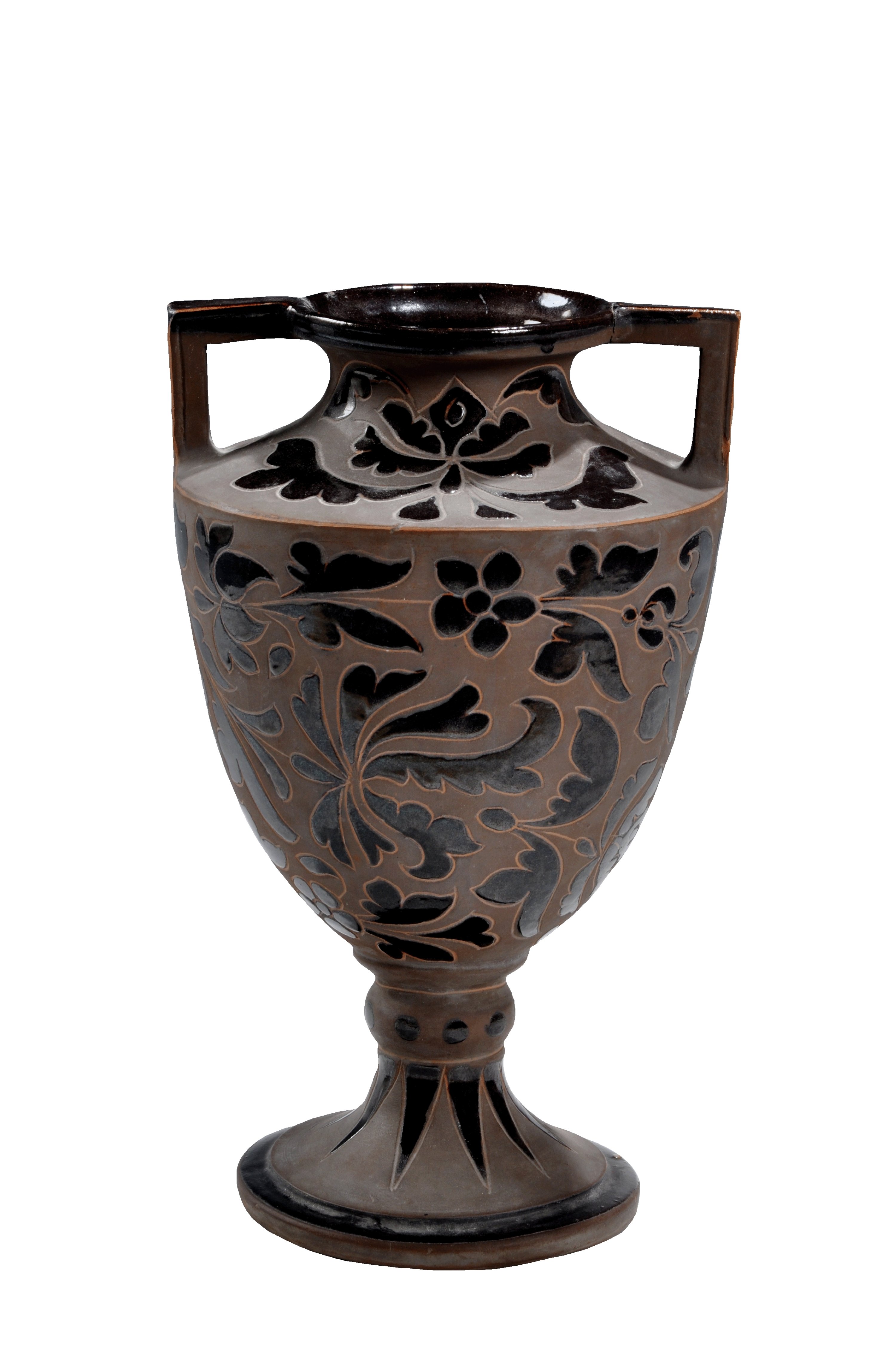
"Egyenesfülü vaza" by Bozsik Kalman. (Photo courtesy of Istanbul Liszt Institute Hungarian Cultural Center)
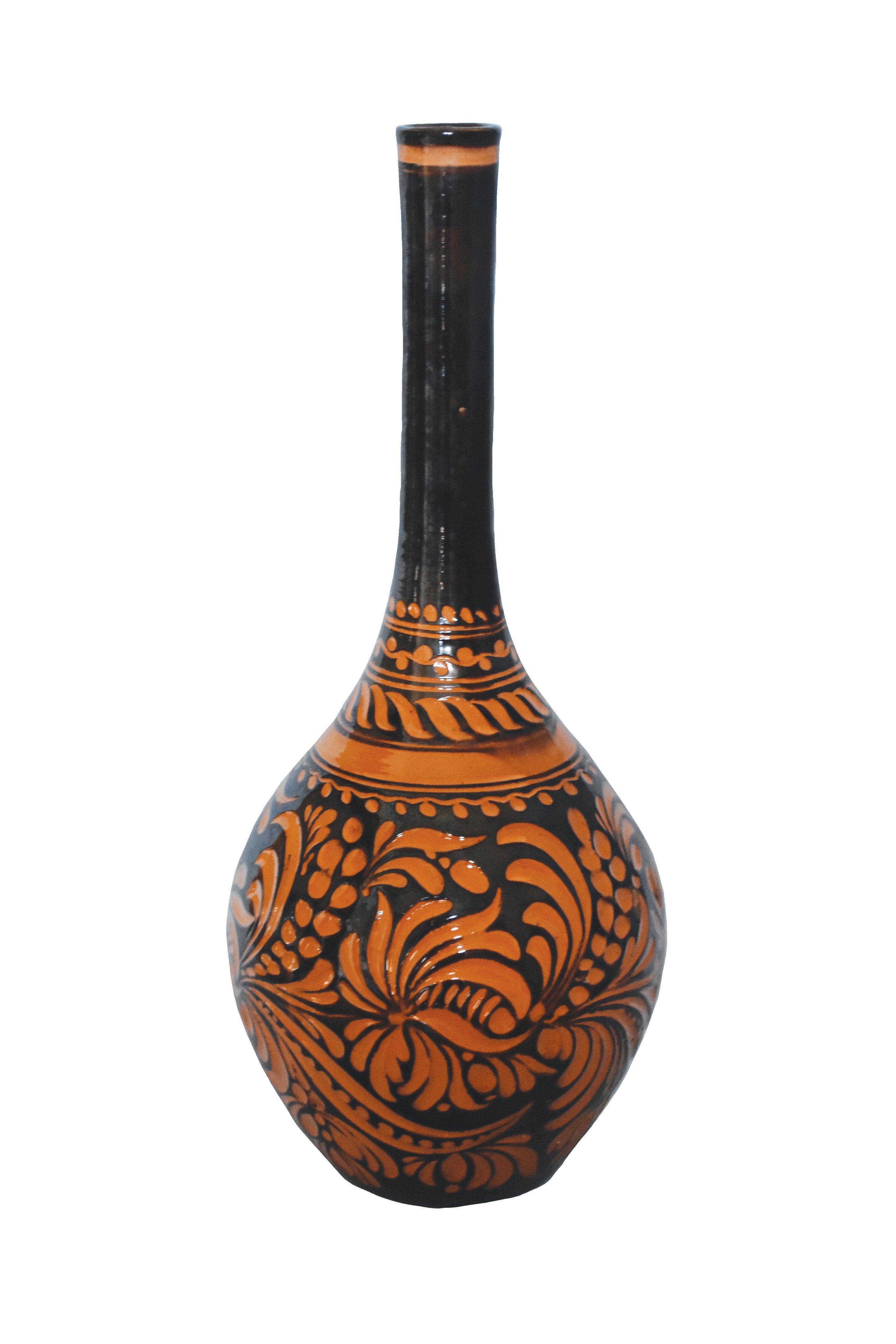
Lopovaza  by Badar Balazs. (Photo courtesy of Istanbul Liszt Institute Hungarian Cultural Center)

Two cities, masters

This exhibition focuses on only a small area of Hungary's extensive ceramic tradition that spans a vast geography. The works produced in two important centers located in the south, Mezotur and Kunszentmarton, share similar characteristics with those from other regions: elegance, balanced proportions, delicacy, and harmony between form and decoration.

The ceramics are often adorned with glazes, drippings, incised and carved designs, as well as patterns painted with brushes. Two great masters representing this region, Balazs Badar and Kalman Bozsik, have been influenced by Hungarian folk art and the ceramic art tradition of the Near East, particularly the tile art of Türkiye. For this very reason, Türkiye became the first destination for the exhibition after it was displayed in Hungary.
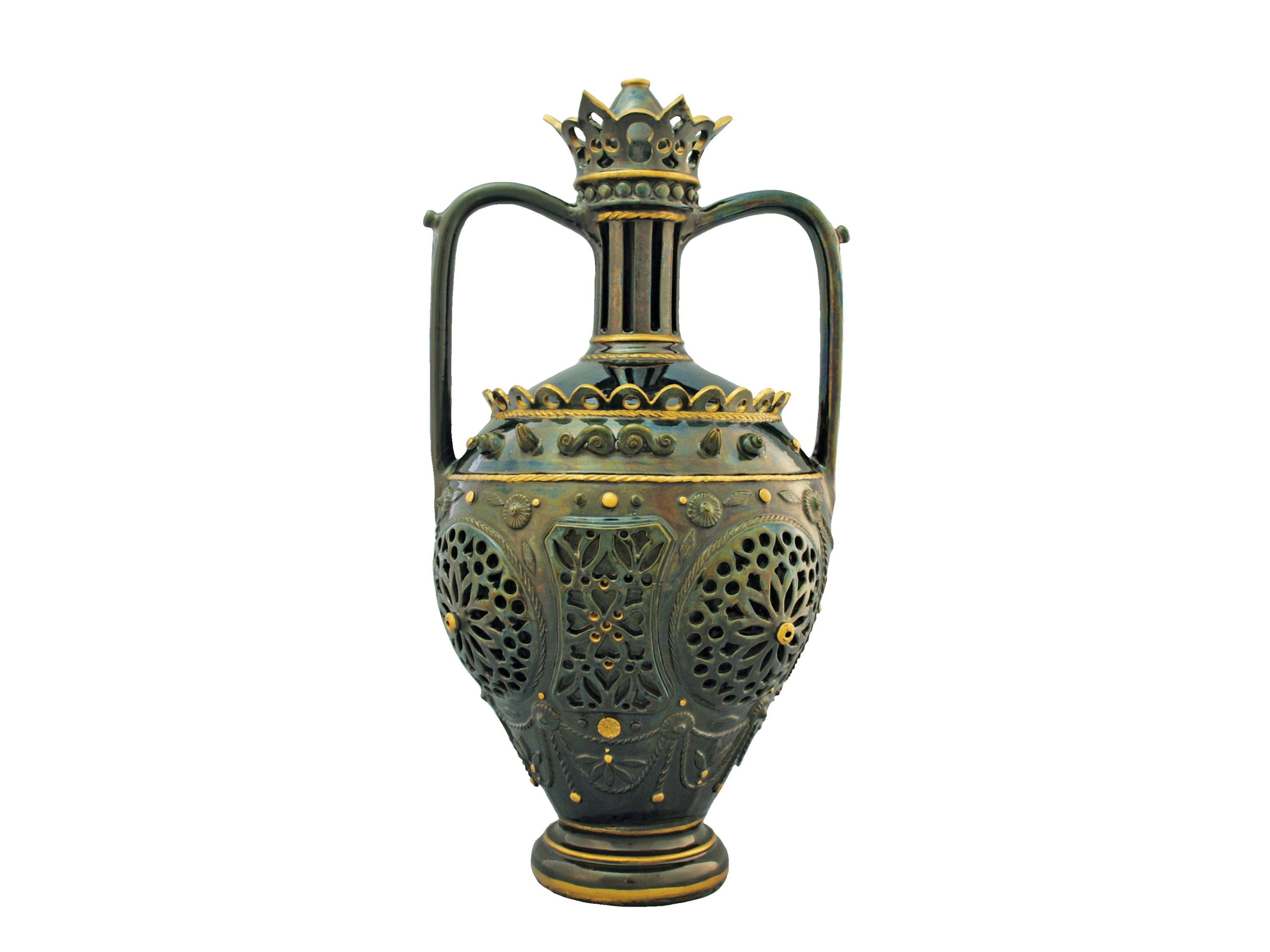
Koronaskorso by Badar Balazs. (Photo courtesy of Istanbul Liszt Institute Hungarian Cultural Center)

Ottoman traces

During the 150-year period of Ottoman rule in Hungary, numerous ceramics were brought from Anatolia to Hungary. The people of the Great Plain region were introduced to a rich and more advanced ceramic culture than that of the Hungarians at the time. This influence also manifested itself in the shapes and decorations of Hungarian folk pottery. In the late 19th century, Hungarian ceramic workshops rediscovered the decorative arts of the East, but this time not through migrating nations but through new art movements and factory products. The owners of the Zsolnay factory in Pecs, Vilmos Zsolnay and his son Miklos, extensively researched the ceramic art of Muslim countries and visited ceramic centers and workshops there multiple times.
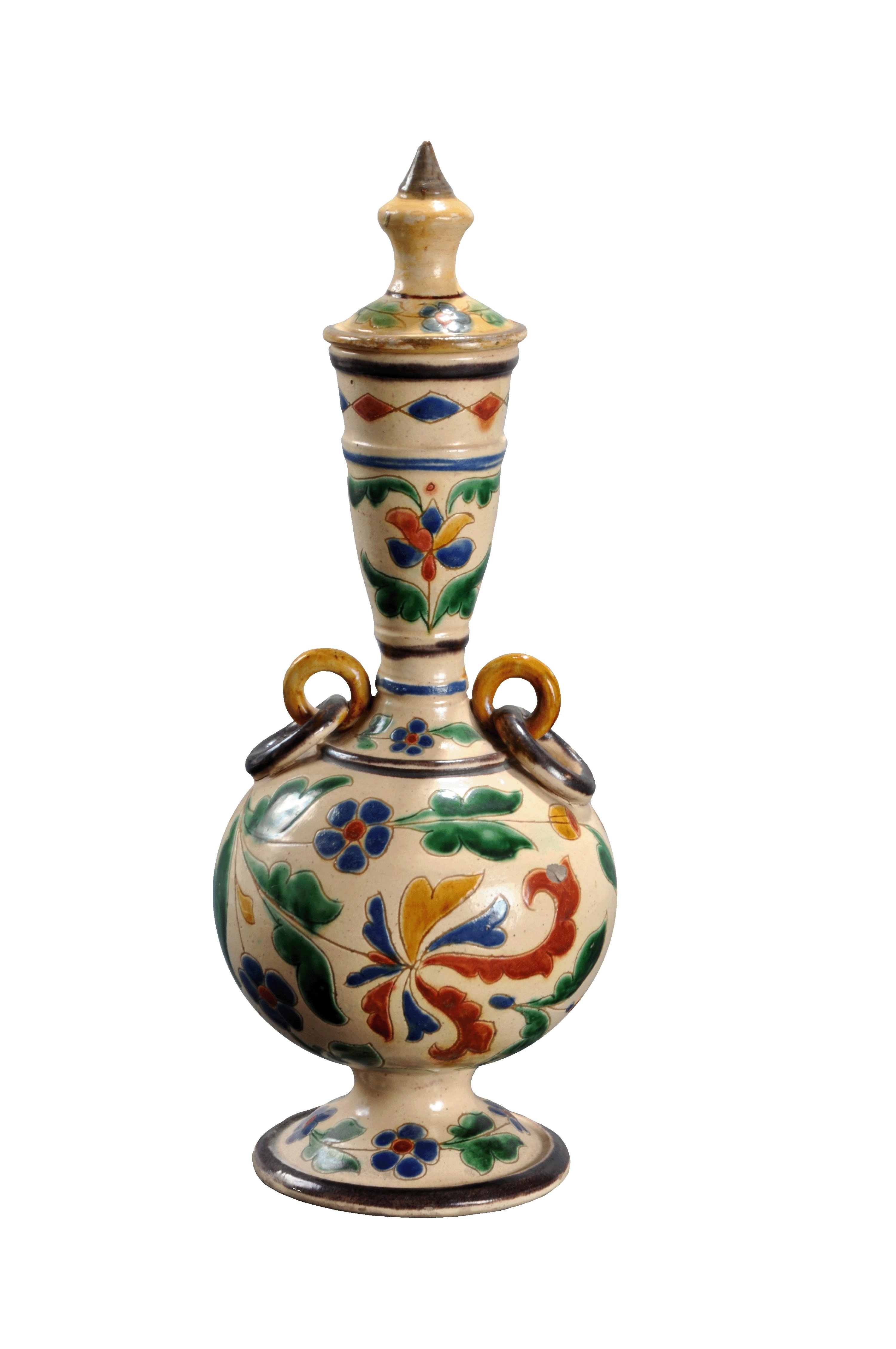
"Palack" by Bozsik Kalman. (Photo courtesy of Istanbul Liszt Institute Hungarian Cultural Center)

Like Vilmos Zsolnay, Badar and Bozsik also blended the styles of the Western and Eastern worlds while maintaining their unique Hungarian style. They were the first to transition from traditional, folk-specific pottery production to craftsmanship-level ceramics in small-town conditions, and they did so with a quality that impressed the era and subsequent eras.

It is important to emphasize that this tradition has survived to the present day. Ferenc Mucsi, a ceramic master from Kunszentmarton, is one of those who enriches and perpetuates this tradition with new perspectives. The master who attended the exhibition opening also showcased the fundamental techniques of this ancient craft on the potter's wheel.


  • shortlink copied
  • Last Update: Jun 01, 2023 9:43 am
    KEYWORDS
    hungarian cultural center pottery ceramics
    The Daily Sabah Newsletter
    Keep up to date with what’s happening in Turkey, it’s region and the world.
    You can unsubscribe at any time. By signing up you are agreeing to our Terms of Use and Privacy Policy. This site is protected by reCAPTCHA and the Google Privacy Policy and Terms of Service apply.
    No Image
    From Africa to Bursa: The enchanting journey of great white pelicans
    PHOTOGALLERY
    • POLITICS
    • Diplomacy
    • Legislation
    • War On Terror
    • EU Affairs
    • News Analysis
    • TÜRKİYE
    • Istanbul
    • Education
    • Investigations
    • Minorities
    • Diaspora
    • World
    • Mid-East
    • Europe
    • Americas
    • Asia Pacific
    • Africa
    • Syrian Crisis
    • İslamophobia
    • Business
    • Automotive
    • Economy
    • Energy
    • Finance
    • Tourism
    • Tech
    • Defense
    • Transportation
    • News Analysis
    • Lifestyle
    • Health
    • Environment
    • Travel
    • Food
    • Fashion
    • Science
    • Religion
    • History
    • Feature
    • Expat Corner
    • Arts
    • Cinema
    • Music
    • Events
    • Portrait
    • Performing Arts
    • Reviews
    • Sports
    • Football
    • Basketball
    • Motorsports
    • Tennis
    • Opinion
    • Columns
    • Op-Ed
    • Reader's Corner
    • Editorial
    • Photo gallery
    • DS TV
    • Jobs
    • privacy
    • about us
    • contact us
    • RSS
    © Turkuvaz Haberleşme ve Yayıncılık 2021