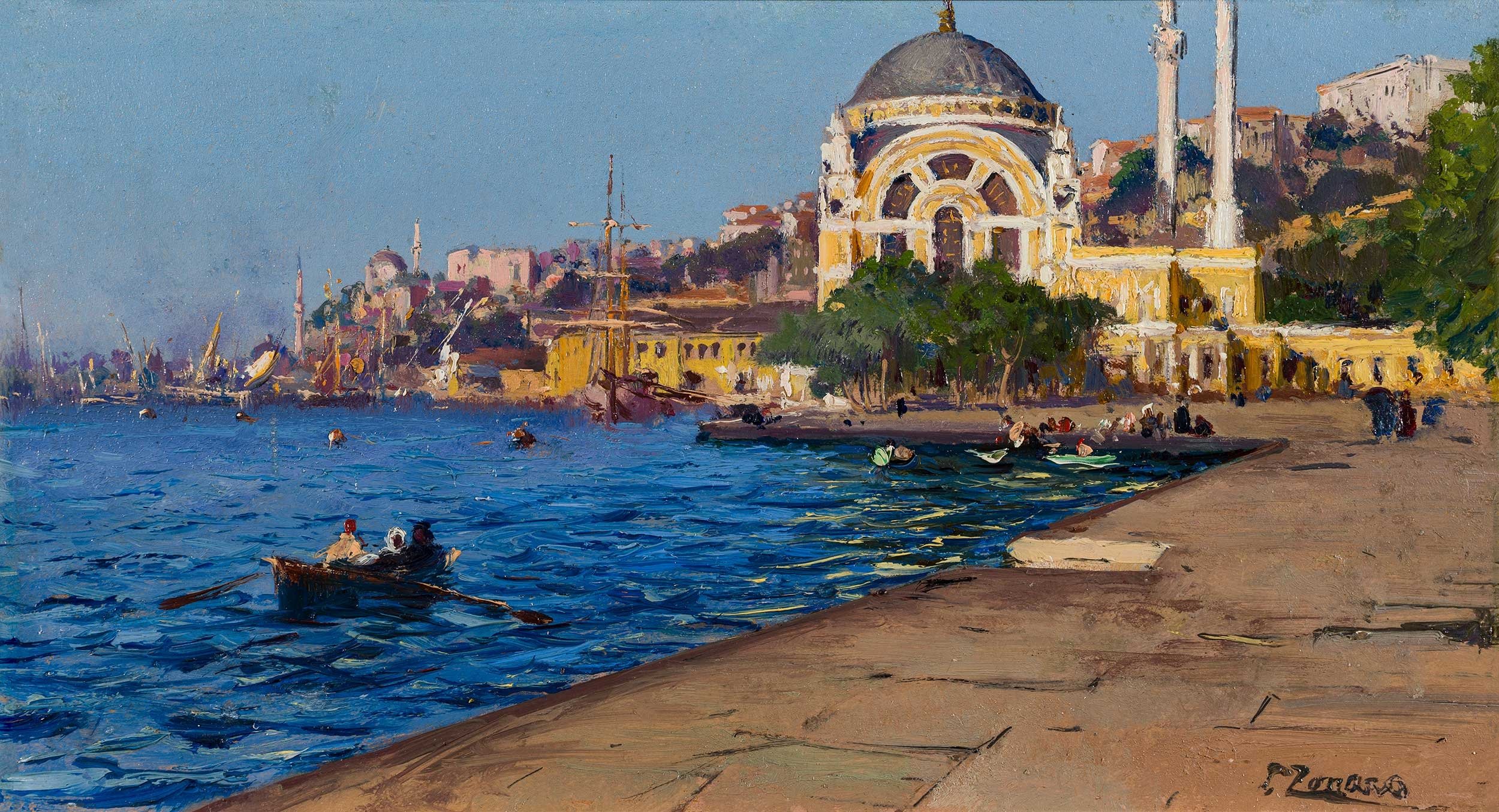
Tracing the footsteps of European painters who once traveled to Ottoman lands, Erol Makzume keeps the memory of Orientalist painting alive through the archives, collections and books he has accumulated over the years. Known for his studies on Fausto Zonaro and Leonardo de Mango, Makzume is a quiet yet determined researcher who carries the colors of the past into the present.
Some collections do not merely gather artworks. They preserve the spirit of an era. The long-standing work of Erol Makzume, whom I had the chance to meet during my years as an editor, is precisely the result of such devoted pursuit. Focusing on the studios, notebooks and canvases of Western painters who came to the Ottoman geography in the 19th century, Makzume makes visible both the aesthetic and historical layers of Orientalist painting, particularly through his research on Fausto Zonaro and Leonardo de Mango. Through the articles he has written, the books he has prepared and the exhibitions to which he has contributed, he patiently reconstructs the story behind the Western gaze directed toward the East.
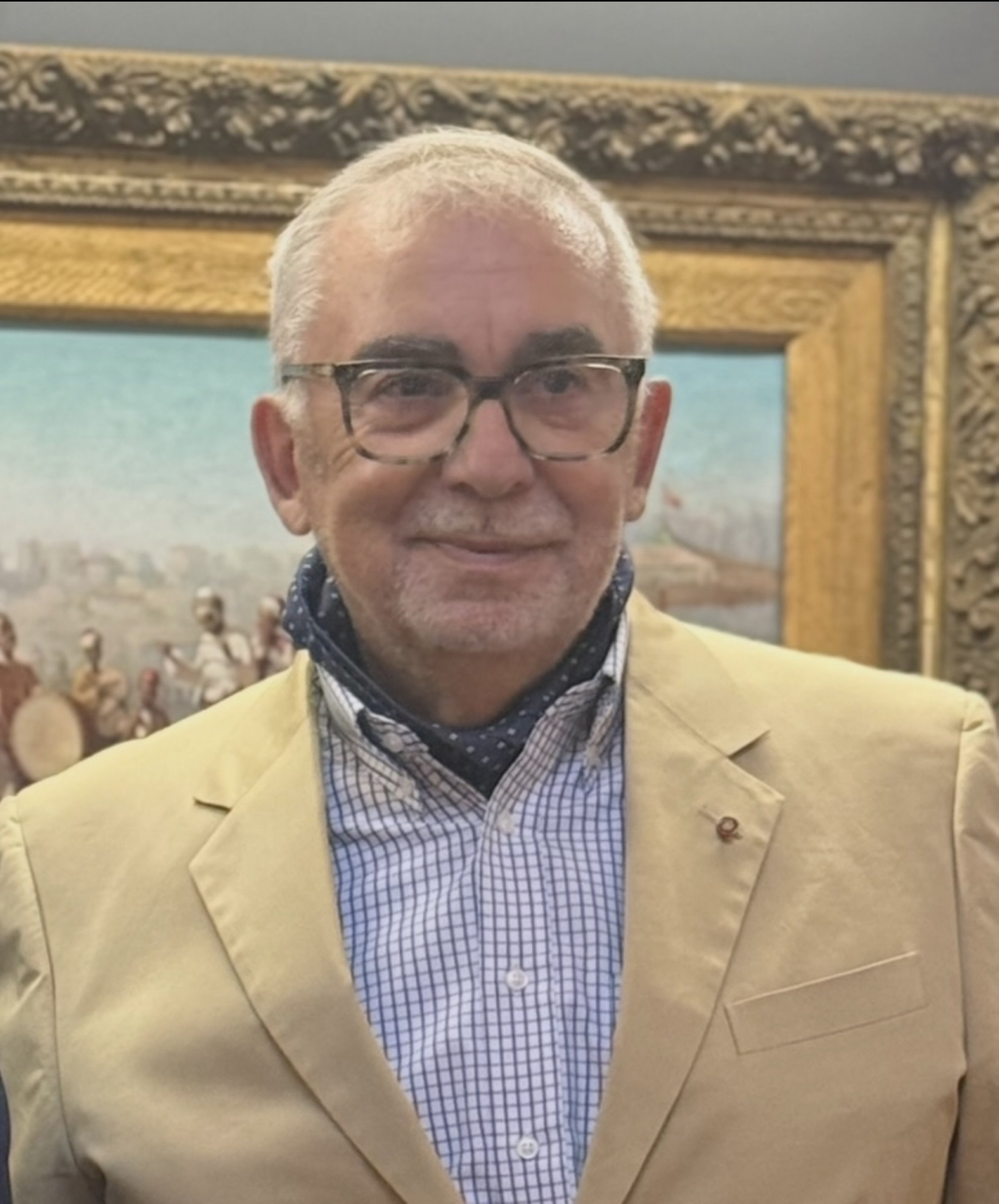
Born in Aleppo in 1951, Erol Makzume is a researcher, writer, collector and art historian. His relationship with art has long surpassed ordinary curiosity. In the late 1980s, he transformed into a way of life his passion for tracing European traveler-painters who journeyed through Ottoman lands in the 19th century, bringing together their lives, works and artistic traces. This dedication represents a valuable and significant contribution for both Turkish and international art audiences. In this sense, he can be defined not only as a “researcher” but, in his own words, as a collector who “compiles and preserves the documents of art.”
Makzume’s library and collection offer a world enriched with the biographies and visual materials of European artists from the period between 1750 and 1923, before photography became widespread. His collection reflects both the academic depth and the personal aesthetic sensibilities of a researcher devoted to this period of art history.
As a collector, Makzume’s primary focus is the Orientalist painting tradition of the 19th century. In these works, as much as the Western gaze upon the East, the identity and orientation of the artist behind that gaze are of equal importance. Makzume studies these painters not only through their representations but also through their lives, migrations and responses to the daily life of the geographies in which they resided.
His writings have been published in magazines such as "Skylife," "Toplumsal Tarih" and "Atlas Tarih," presenting biographical and historical portraits of Orientalist painters from fresh perspectives. Far from superficial information transfer, these articles are informative and deeply reflective texts written with an effort to grasp the spirit of their time.
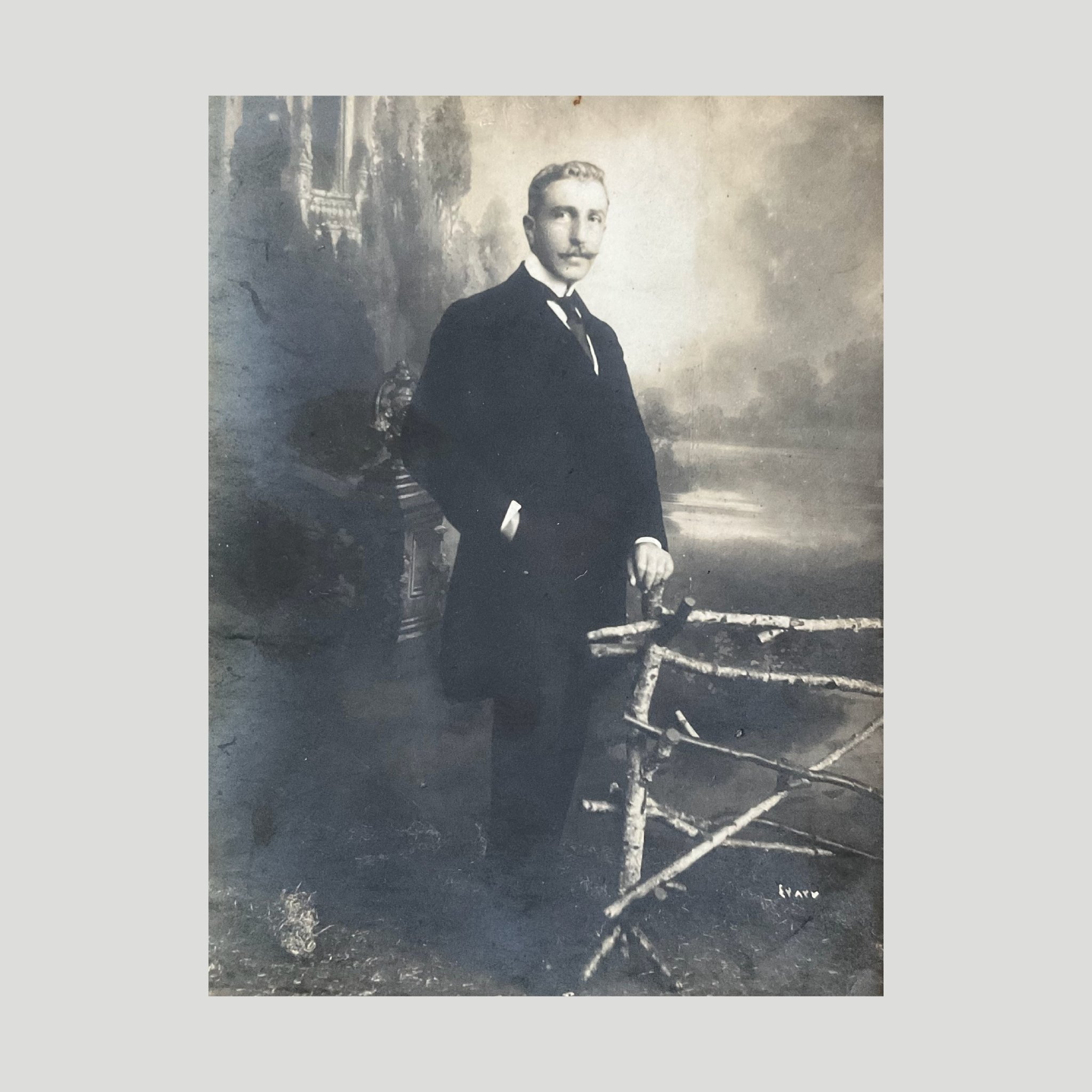
One of the most prominent focal points of Erol Makzume’s work has been the Ottoman court painter Fausto Zonaro. Zonaro arrived in Istanbul in the 1890s, quickly gained acceptance within Ottoman court circles and was appointed as the official court painter of Sultan Abdülhamid II. This Italian artist, who successfully brought Western painting traditions into Ottoman life, depicted both urban scenes and the splendor of the imperial court with realist precision.
Makzume is among the first to have conducted serious research on Zonaro. His book Ottoman Court Painter – Fausto Zonaro, followed by comprehensive biographical studies, has become an important reference source for art historians. In Makzume’s collection and publications, Zonaro’s works and depictions of daily life leave the viewer face-to-face with the light and shadow of Istanbul. Following Zonaro’s trace is not merely about looking at paintings; it is about capturing moments where Istanbul, the Bosporus, and palace ceremonies intersect with human stories. Makzume’s approach to this process is less a cold analysis than a narrative that makes one “feel as if present there.”
Another painter, less fortunate in recognition than Zonaro, is Leonardo de Mango. Born in Italy, de Mango lived in Istanbul for many years, transferring to his canvases the city’s diverse neighborhoods, glimpses of daily life and the light of the Bosporus. Makzume was part of the team that coordinated de Mango’s retrospective exhibition held at Dolmabahçe Palace in the early 2000s, thereby introducing his works to wider audiences. This event contributed to evaluating the painter not only in a local but also in an international context.
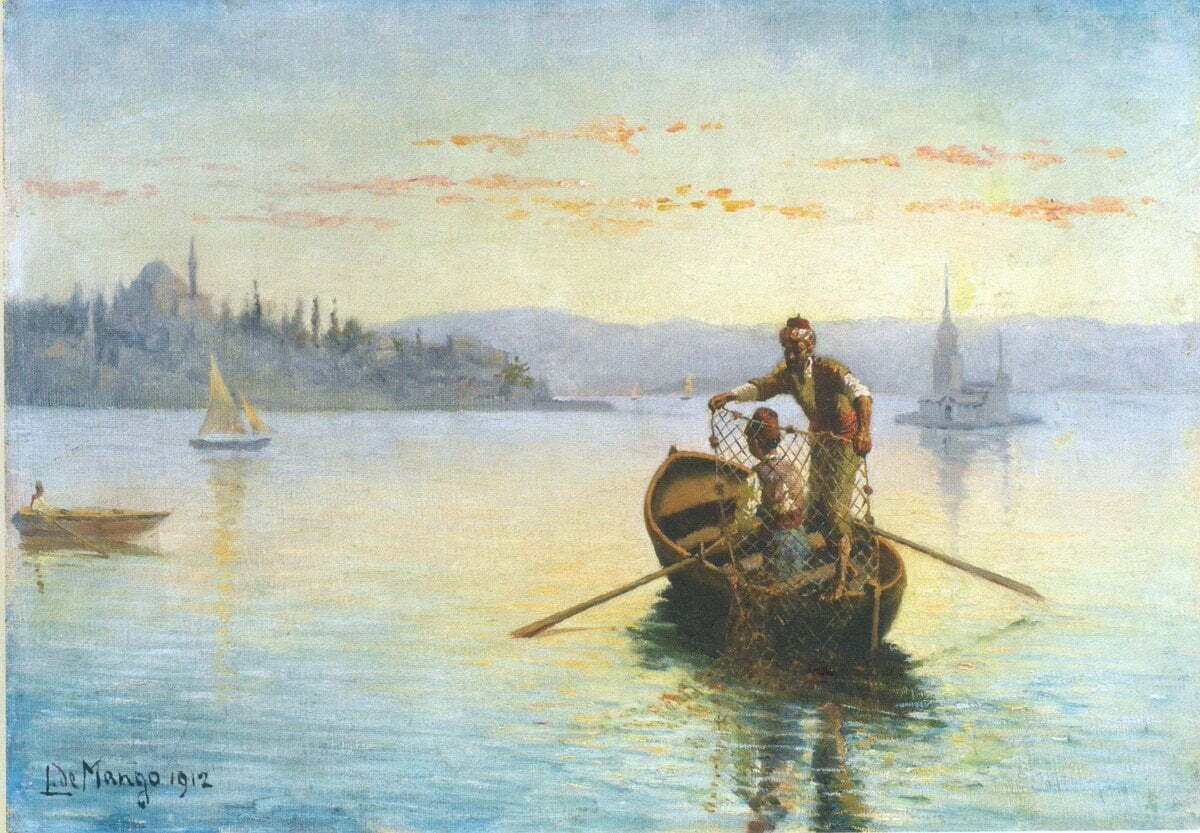
Makzume’s writings on de Mango’s teachings, his search for perspective and his world of color constitute another layer enriching his perspective on the Orientalist period. These studies demonstrate that the collector’s interest extends not only to well-known figures but also to relatively lesser-known yet equally compelling artists.
Erol Makzume, recognized for his in-depth studies in 19th-century Orientalist painting and Ottoman art history, has made significant contributions to these fields through the books and articles he has published. Among his books are “Selim Melhame Pasha and His Family in the Service of Sultan Abdulhamid II,” “Ottoman Court Painter Fausto Zonaro” and “Twenty Years Under the Reign of Sultan Abdulhamid: The Memoirs and Works of Fausto Zonaro,” which documents the artist’s period at the Ottoman court. His other works include “Fille de Selim Melhame Pacha Leila de Dampierre,” “Sultan’s Italian Court Painter Fausto Zonaro,” “Stalin’s Propaganda Artist Irakli Toidze – A Private Collection” and “Briser Le Mur de La Solitude Archives Familiales,” each addressing diverse historical and artistic themes.
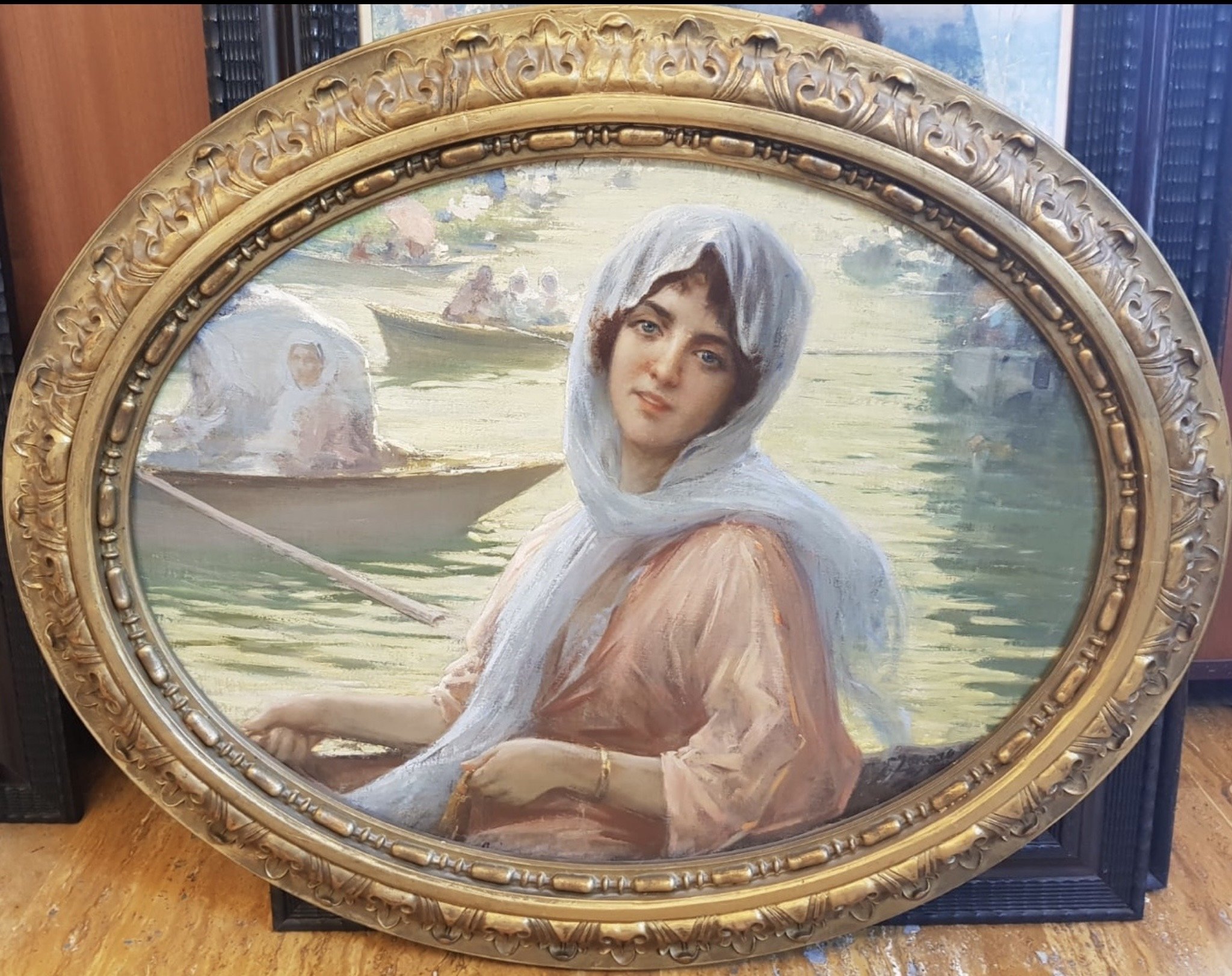
These publications offer both biographical and artistic evaluations of Ottoman court painters while also presenting examples of Orientalist art across different geographies. In addition to his books, Makzume has authored numerous articles published on his personal website, covering a wide range of topics from Ottoman-era portraits to the history of the Huber Mansion, as well as studies on figures such as architect Alessandro Valeri and Orientalist painters including Pietro Luchini and Hans Schadow. Through these writings, he documents the nuanced details of art history and traces the presence of 18th and 19th century European painters within the Ottoman world, providing a rich resource for art enthusiasts and scholars alike.
While navigating the boundaries of contemporary art historiography, Erol Makzume listens to the echoes of the past through the images he has gathered in his collection. Through the works of Orientalist painters, he traces both art and historical memory. This is not merely an academic endeavor; it is also a journey in search of the colors of a city, an empire and humanity itself.
His writings and collection invite readers not only to look at paintings but also to reconsider the people, places and times behind them. I feel very fortunate and privileged to have known such a valuable individual and master of art.