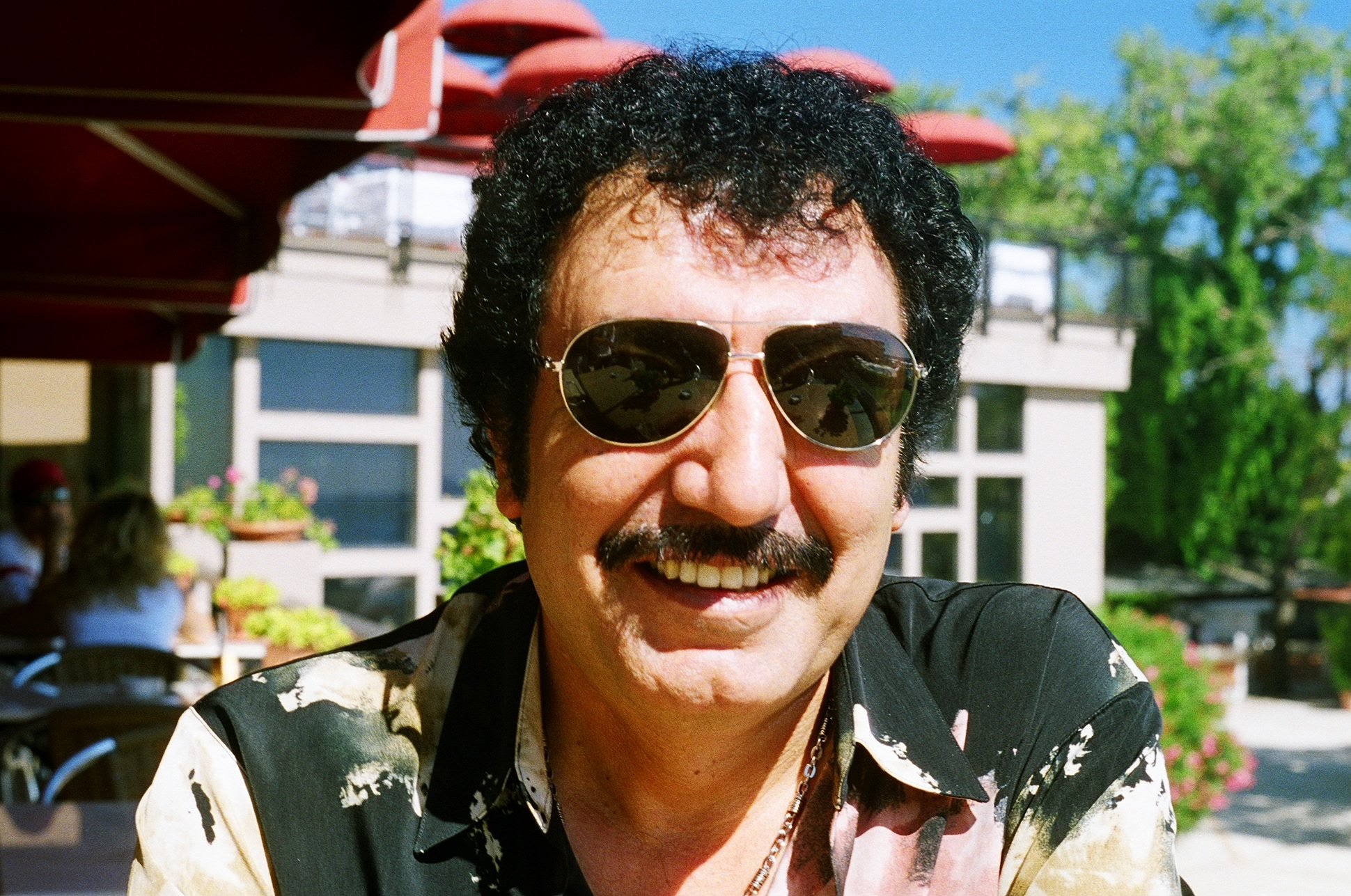
Müslüm Gürses is not merely a vocalist for Turkish society; he is a sociological figure who transformed the suppressed silence of poverty, marginalization and peripheral neighborhoods into a collective cry. His life story, which began in a mud-brick house in Şanlıurfa and continued in Adana, was marked by deep trauma at an early age, particularly the tragic deaths of his mother and sister. This early rupture shaped the ontological foundation of his music.
The severe traffic accident he suffered in 1978 defined not only his biography but also his aesthetic destiny. He was presumed dead and taken to the morgue, underwent cranial surgery with a metal plate and lost parts of his sensory abilities. This event transformed Gürses’ art from mere musical production into the embodiment of pain itself. His voice was no longer simply an interpretation; it became a wound. For this reason, Gürses evolved beyond being a representative of those who suffer and became the very symbol of suffering itself.
Over time, a distinct and massive community known as “Müslümcüler” (fans of Müslüm, almost resembling a quasi-religious following) emerged. As the most prominent representative of arabesque music, a genre marked by its Eastern tonal structures and deeply dramatic emotional expression, Gürses became more than a musician; he became a symbolic refuge. This group was not merely a fan base but a cultural shelter for those marginalized by rapid capitalist transformation, individuals seeking meaning, loyalty, and emotional belonging. The self-inflicted wounds seen in concerts were not individual deviations but rather manifestations of a collective existential cry.
At this point, it becomes insufficient to analyze Gürses solely as a domestic phenomenon. To properly situate him, one must place him within a broader global musical context. In this regard, the most striking parallel can be drawn with Tom Waits. Like Gürses, Waits transcends technical perfection and transforms a broken, rough and “imperfect” voice into an aesthetic advantage. Moving across genres such as blues, jazz and experimental music, he becomes a narrator of marginal lives.
However, this similarity also reveals a crucial difference. Tom Waits is a narrator who constructs and performs the stories of marginality. Müslüm Gürses, in contrast, is not a narrator but the embodiment of that very story. In Waits, the voice is an aesthetic choice; in Gürses, it is the inevitable trace of lived experience. Therefore, Gürses’ music does not represent; it directly incarnates.
When this comparison is expanded, Johnny Cash’s late-career transformation, Leonard Cohen’s existential depth and Nick Cave’s dark narrative universe also help illuminate different dimensions of Gürses. Yet none of these figures carry the same level of social density and collective trauma embodied by Gürses. Thus, while Müslüm Gürses can be compared to Western counterparts, he cannot be equated with them. He is not merely the voice of a musical genre, but of a specific historical moment, a class rupture and a deeply rooted cultural trauma.
The year 1999 marks a critical turning point in his career. With his departure from Elenor Müzik, the “classical Müslüm” era came to an end, and a new aesthetic phase began. This transformation was not only musical but also sociological. The transition from Gülhane concerts to the Harbiye stage symbolized a shift between cultural classes in Türkiye, moving from large open-air public performances associated with lower-income peripheral audiences to a more formal and prestigious urban venue attended by middle and upper cultural groups. Gürses was no longer only the voice of the urban periphery but also of a more urban, educated and culturally hybrid audience.
His reinterpretations of songs by Teoman, Tarkan and Nilüfer, artists largely associated with more upbeat and mainstream pop music, were initially perceived as betrayal by his traditional audience. However, this shift ultimately revealed Gürses as a cultural mediator capable of bridging different social and aesthetic worlds.
At this point, Müslüm Gürses emerges not merely as an arabesque artist, but as a living metaphor for Türkiye’s cultural transformation.
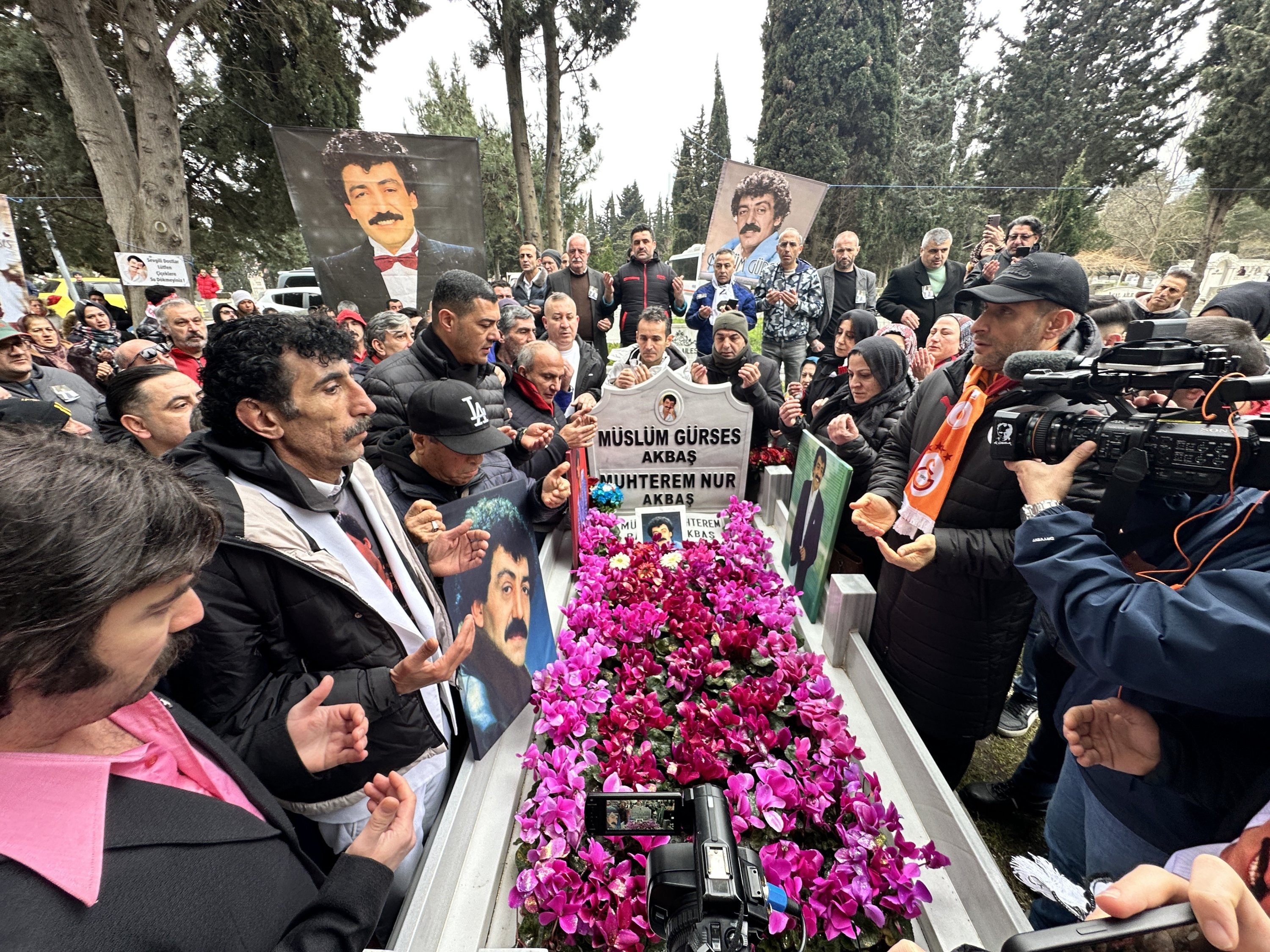
His death in 2013 was therefore not simply the loss of a musician. It marked the collapse of the last stronghold of arabesque and the fragmentation of a particular emotional and aesthetic memory. With Gürses, not only a musical style but also a distinct mode of feeling, suffering and expression largely withdrew from the stage. However, after his death, Müslüm Gürses’ representational power transcended class boundaries, transforming him into one of the most influential musical figures capable of addressing nearly all cultural strata of Turkish society.