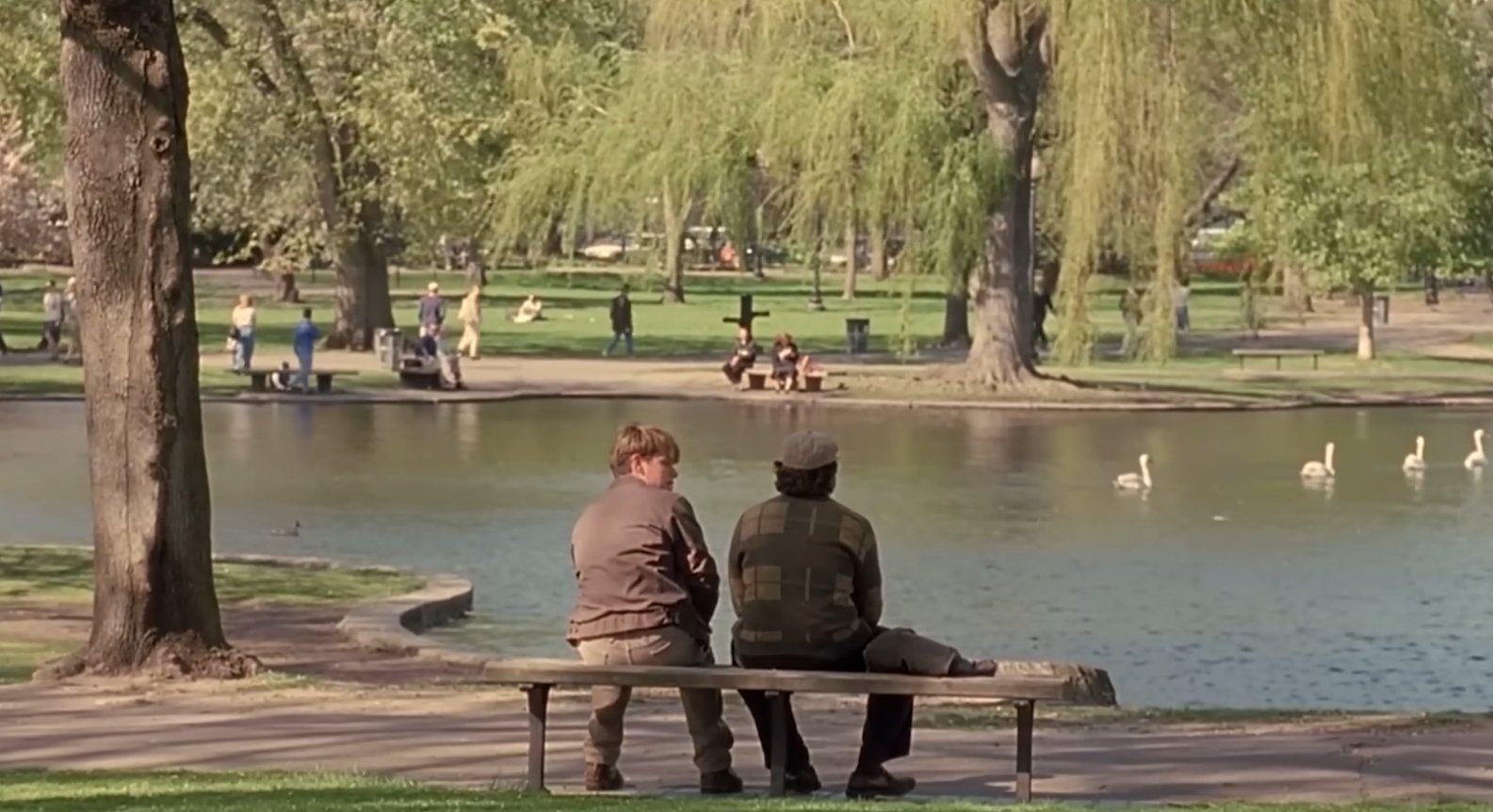
Will, who suppresses his mathematical genius beneath the scars of his emotional trauma, demonstrates the courage to seek freedom, authenticity and self-reconstruction. His therapist, Sean, prioritizes life experience over mere knowledge. This masterpiece unites the trauma underlying the myth of genius with the transformative power of human relationships, offering both a visual and cognitive feast.
Gus Van Sant’s "Good Will Hunting" may, on the surface, appear to simply portray the narrative of a “young man trying to find his life,” yet it conveys the fragility and tension of the human psyche alongside the paradoxical nature of genius, as if across a bridge of glass. Representing one of modern American cinema’s most compelling depictions of inner conflict, the film exposes the dark residues trauma leaves on individual memory and the tragic aesthetics of internal entrapment woven with denied potential. A central aspect of the film’s structural integrity is its near-clinical depiction of post-traumatic identity formation, as well as Will Hunting’s relentless, dynamic struggle with his own intellect.
While one might expect Will’s genius to liberate him, he instead entraps himself within the invisible chains forged by childhood trauma. Simultaneously, the narrative demonstrates how an individual can incorporate even cognitive superiority into a collapsed defensive architecture – turning intellect into a narrative weapon. Furthermore, the film juxtaposes the societal idealization of the “child prodigy” with the historical weight of trauma, illustrating that talent is often less a tale of triumph than a cyclical product of suffering.
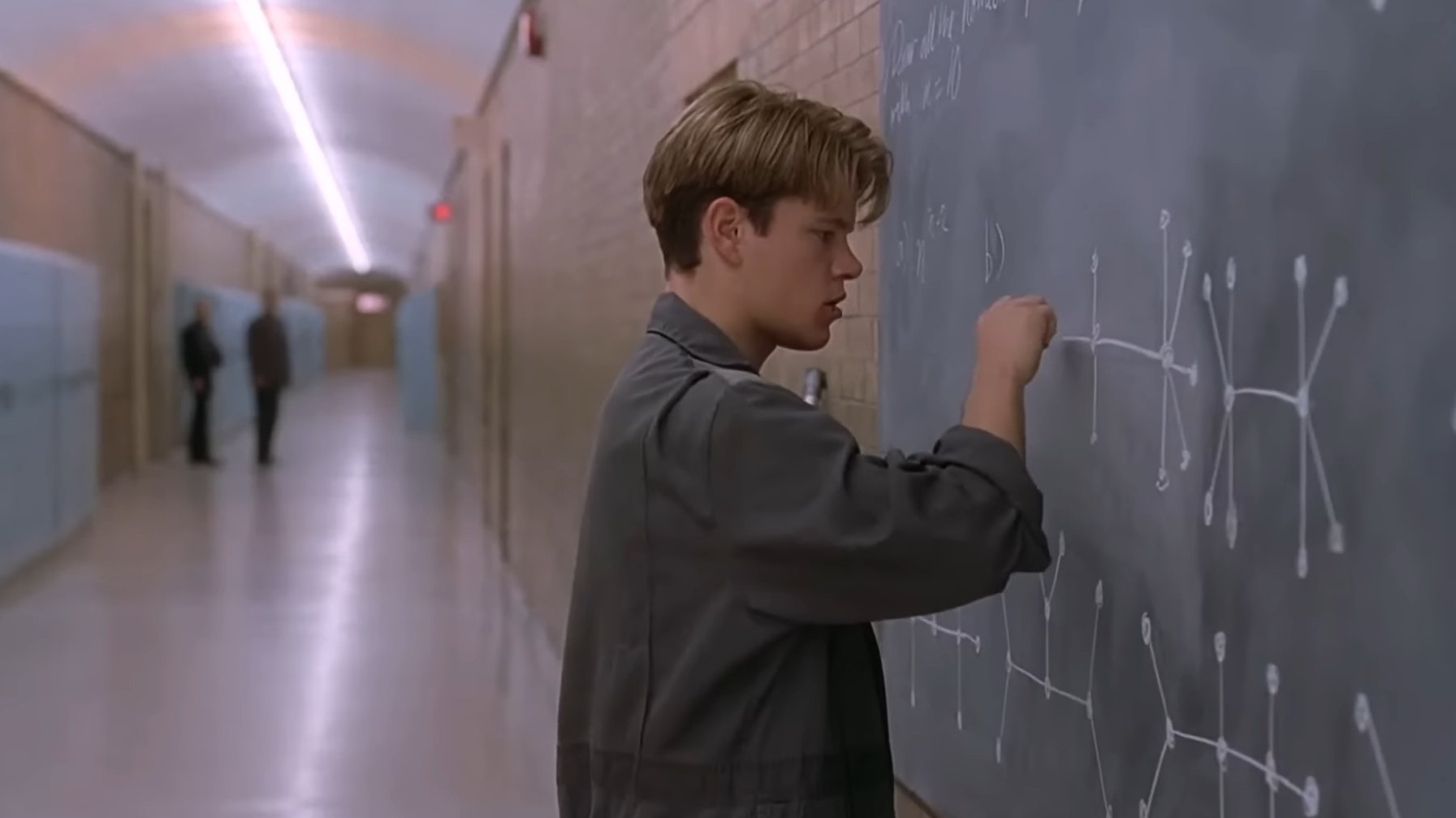
Will Hunting (Matt Damon) possesses genius-level mathematical talent but is emotionally blocked and self-sabotaging due to a traumatic childhood. Professor Gerald Lambeau discovers him and due to Will’s legal troubles, he is required to undergo therapy. The therapeutic relationship he develops with Sean Maguire (Robin Williams) becomes central to Will’s journey toward self-acceptance and autonomous decision-making. The film explores themes of intellect, class, identity, healing and liberation.
Will’s psychological profile reflects the effects of childhood trauma, defense mechanisms and self-fragmentation. He suppresses his emotions through intellectualization and humor, protects himself with sarcasm and anger, and exhibits avoidant and anxious-ambivalent attachment patterns. These traits challenge both his friendships and his capacity for emotional connection with Skylar. Sean provides a corrective emotional experience through empathy, unconditional acceptance and boundary-setting; the iconic “It’s not your fault” scene exemplifies a therapeutic intervention aimed at the emotional internalization of traumatic guilt. The process emphasizes personality integration and emotional awareness rather than mere symptom removal, fostering the capacity for autonomous choice.
Will’s trauma history includes domestic abuse, insecure attachment environments, residential care experiences and the resulting PTSD-like reactions, emotional suppression and attachment insecurity. His defense mechanisms include intellectualization (processing everything at a cognitive level), humor as a shield, sarcasm, anger and aggression, avoidance of emotional closeness and self-sabotage. His identity oscillates between high cognitive ability and low emotional awareness – a paradox of being “genius yet childlike,” simultaneously carrying potential for success and a tendency toward inner destruction.

Viewed through the lens of trust, autonomy and identity coherence, Will’s story resonates with Erikson’s psychosocial stages of development, particularly the conflicts of “identity vs. role confusion” and “intimacy vs. isolation.” Sean Maguire’s therapeutic stance is characterized by empathy, boundary-setting and emotional validation.
Sean embodies both a professional and authentically human “upright figure.” His personal grief – the death of his wife – and his own vulnerability allow him to create a validating yet realistic connection, occasionally employing self-disclosure. His attachment style is relatively secure, enabling him to provide Will with a corrective emotional experience.
In academic literature, early attachment trauma often manifests in adulthood as sabotaged interpersonal relationships, frequently described as “disorganized” or “traumatic attachment.” Will’s conflictual interactions with his therapist, romantic partner, and authority figures can be interpreted as outcomes of these attachment patterns. The combination of childhood abuse and resulting acute intelligence creates a defense model in which suffering is compensated by cognitive superiority. Therefore, Will’s mathematical “prowess” is not a reflection of genuine self-confidence but rather an overcompensation for deep-seated feelings of worthlessness.
One of the film’s most pivotal and widely discussed moments – the repeated “It’s not your fault” scene – represents the psychodynamic unlocking of trauma. Scholars have noted it as one of cinema’s most potent examples of “re-parenting,” as Will, perhaps for the first time in his life, is seen by an authority figure not with judgment, ridicule or derision, but simply as a human being. Sean’s repeated words move beyond mere empathy to dismantle the deeply internalized guilt that has haunted Will for decades. Exposure to adult compassion, once a covert threat, becomes a gateway to liberation. The scene exemplifies contemporary trauma theories, illustrating that trauma is best resolved not by immediate erasure but through re-experiencing in a secure relational context.
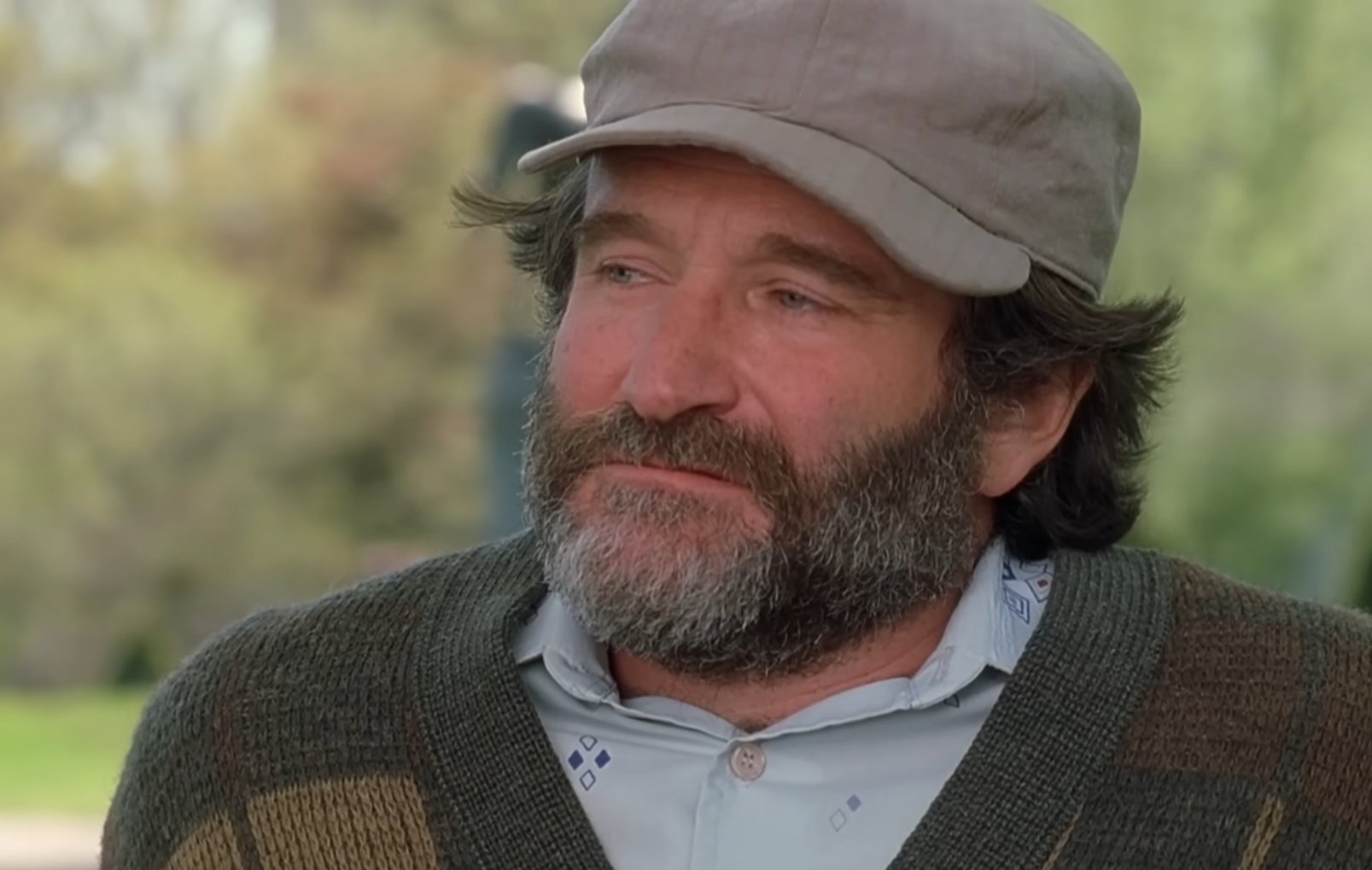
Another crucial moment, the “Why shouldn’t I work for the NSA?” monologue, highlights Will’s use of intellectual superiority as a nihilistic shield, mocking societal structures while masking his own fears. Here, trauma manifests as hypervigilance and reluctance to engage with the future – since for Will, attachment implies inevitable loss, and the future represents an extended relational timeline fraught with potential failure. His intellect thus becomes a mechanism for emotional avoidance.
While the film masterfully depicts the transformative power of the therapeutic relationship, it simultaneously raises critical questions about the limits of therapy. Sean’s interventions are both effective and boundary-challenging; in real clinical practice, such outcomes require continuity, multiple support networks and an ethical framework. Cinema condenses this complexity into dramatic resolution, whereas clinical reality is more nuanced.
Sean is not merely a therapist within the narrative; he embodies the archetype of “fragile wisdom.” His confrontation with grief and vulnerability, coupled with courageous authenticity, gradually introduces a restorative adult presence into Will’s world. His patience and steadfastness exemplify the relational therapy approach: therapy evolves into a “relationship” rather than remaining solely a method.
Will’s romantic relationship reflects the “approach-avoidance” dynamics described in attachment theory. Emotional closeness triggers self-sabotage, as intimacy reminds him of his vulnerability. Scenes such as “You don’t know me” give voice to the defensive child within, whose expectations of abandonment and devaluation remain entrenched.
Sean’s approach is fundamentally humanistic (Carl Rogers): unconditional positive regard, empathic understanding and congruence. However, he also confronts Will directly, courageously setting boundaries to disrupt defense mechanisms.
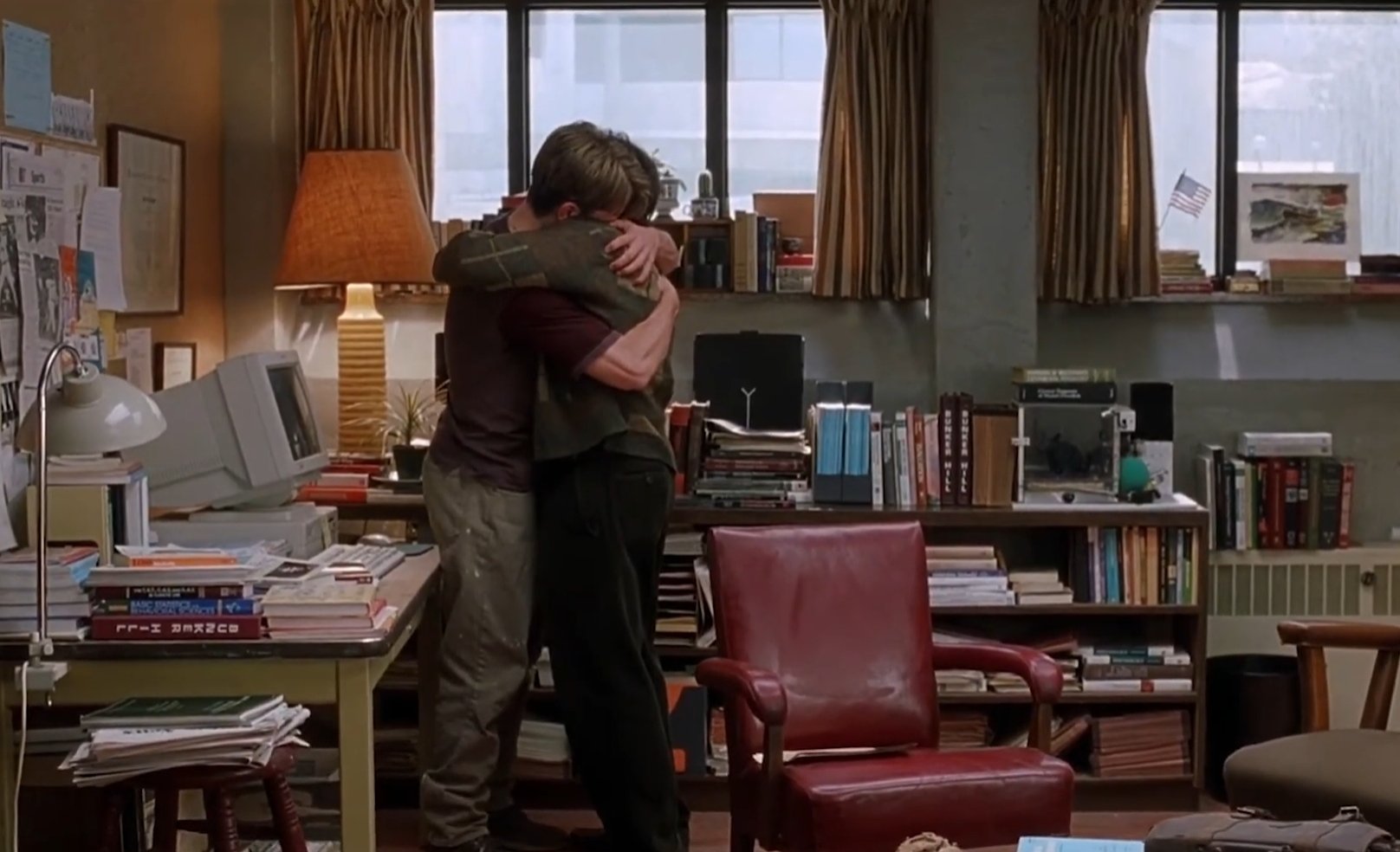
The repetition of “It’s not your fault” constitutes an emotional, rather than cognitive, intervention – a corrective emotional experience that allows Will to process childhood guilt therapeutically.
Transference and countertransference are evident: Will initially treats Sean as a target of anger and testing, while Sean’s own losses humanize the therapy. Sean balances professional boundaries with personal disclosure, a critical factor in Will’s acquisition of trust.
"Good Will Hunting" exemplifies how individual trauma preserves its dark history within the human mind. The film synthesizes trauma psychology, attachment theory, class critique and romantic human longing, illustrating that even extraordinary intellect often masks unresolved wounds. A mind, however brilliant, can only achieve freedom when emotionally seen. Genius does not heal trauma; trauma’s burdens can only be mitigated within a relational context capable of holding love. Will’s journey demonstrates that individuals must carry and conceal their light amidst the shadow of suffering – and that love possesses a transformative power strong enough to render all defensive strategies unnecessary. Perhaps for this reason, Will’s journey transcends personal healing to articulate one of humanity’s oldest truths: “It wasn’t your fault.”