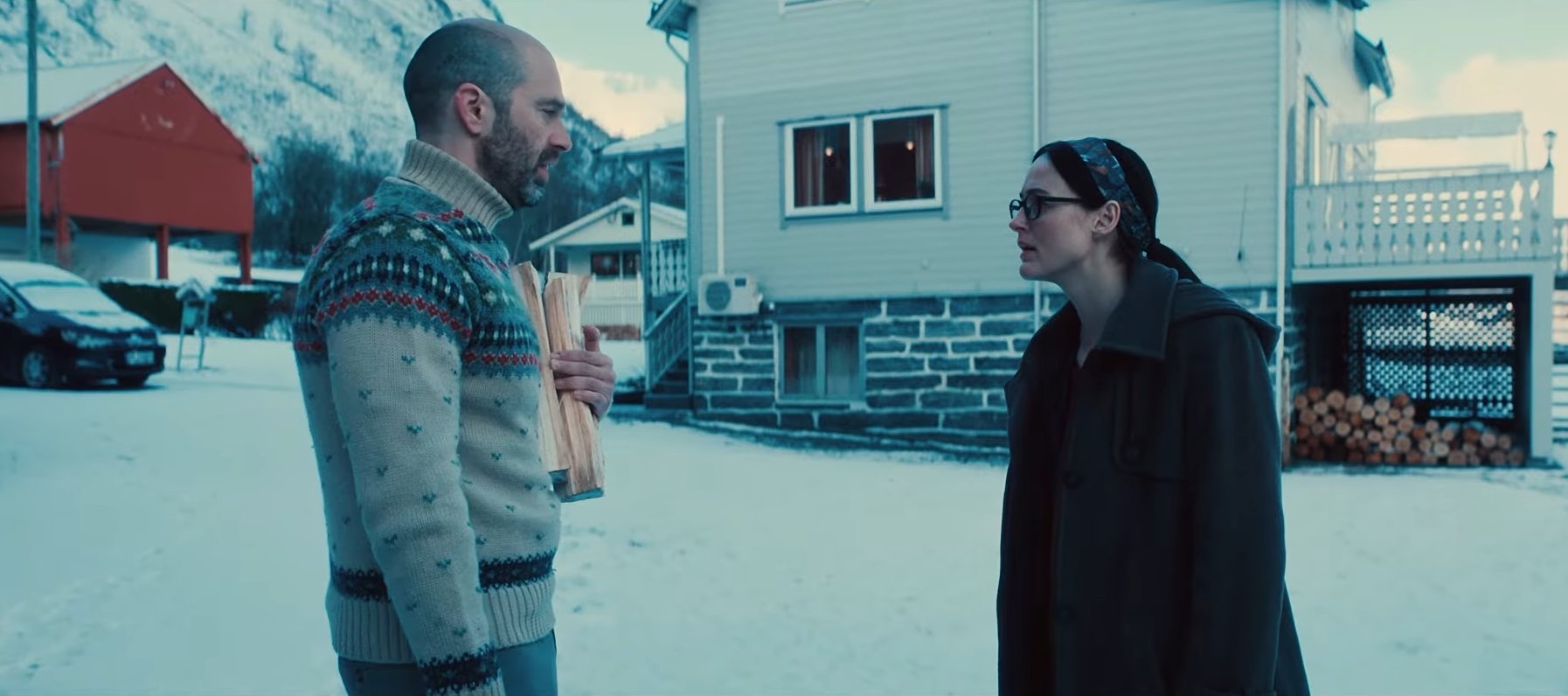
If Christian Mungiu is not already known as the enfant terrible of (eastern) European cinema, he will be when enough people have seen his Palme d’Or-winning "Fjord." Making difficult topics his specialty, Mungiu has now turned his attention to the family unit and to how far parents can be trusted, or entrusted with their children’s upbringing.
"Fjord" is about the half-Romanian, half-Norwegian, devoutly Christian Gheorghiu family with five children who relocate from Romania to Norway. Mungiu is very careful with the circumstances of the family’s relocation- the father is highly qualified, and they have not come to Norway for better job opportunities. They have come because Mihai’s parents have died and they need Lisbet’s parents’ help with the children.
We see the family settle in very quickly, and it is clear that the children have been raised to be very open with their hearts, but also with their beliefs, like their parents. Soon enough, their openness starts to get criticism: Lisbet is not to say prayers when the old people she looks after die, Mihai is not to play hymn music on the communal piano.
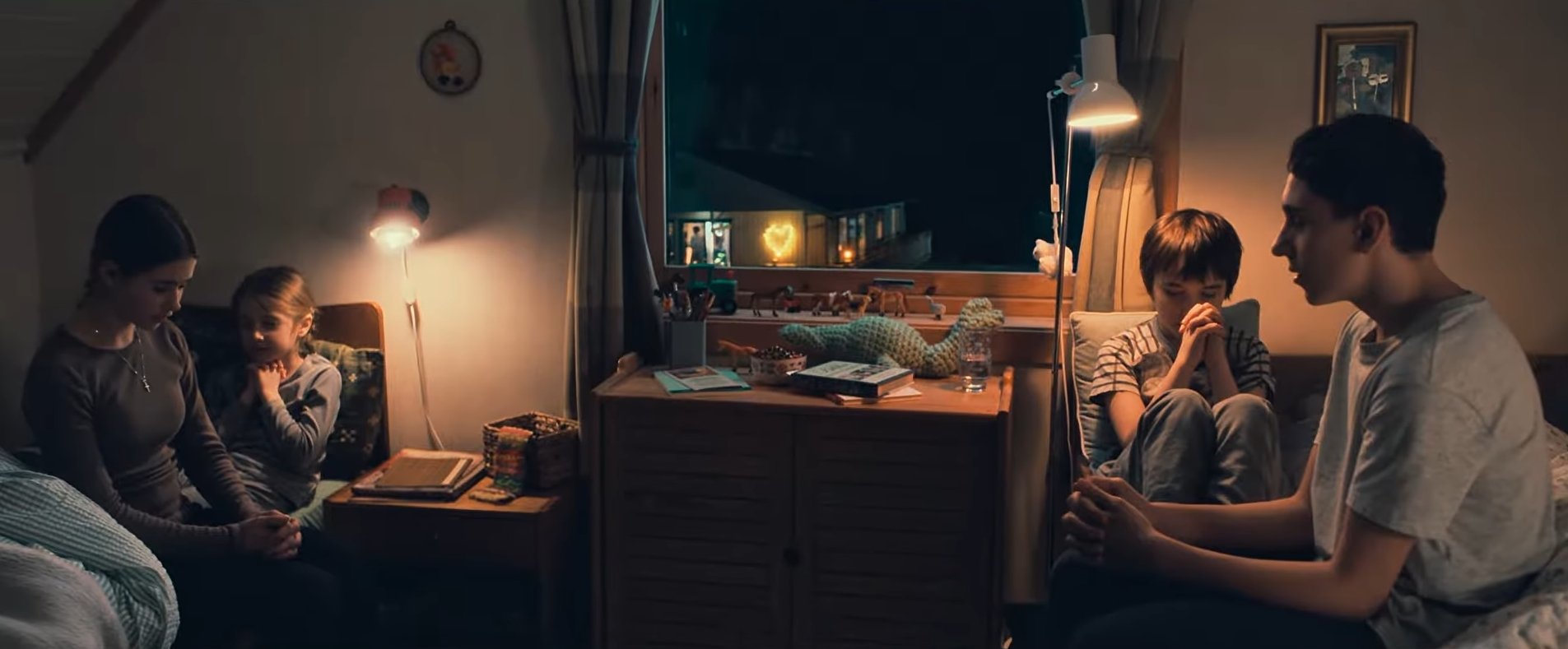
When Mungiu shows us a chaotic family scene where Lisbet is trying to feed the baby and the two early teens fight on the stairs and get smacked, I genuinely thought the film was going to be about the unraveling of a stressed mother. But it turns out that it is about the unraveling of a system that appoints rights to children only when those rights are exercised in a way that agrees with "progressive" Norwegian ideology. Only when this domestic moment is dissected in court, with photographs of the bruises, do we understand that Lisbet has pushed the children around too much. And how does this moment get to court? Because a concerned liaison officer sees the trace of the mother’s slap on the daughter’s face and coupled with the children’s religious rhetoric in class, she concludes they must be abused at home and must be taken away from their parents.
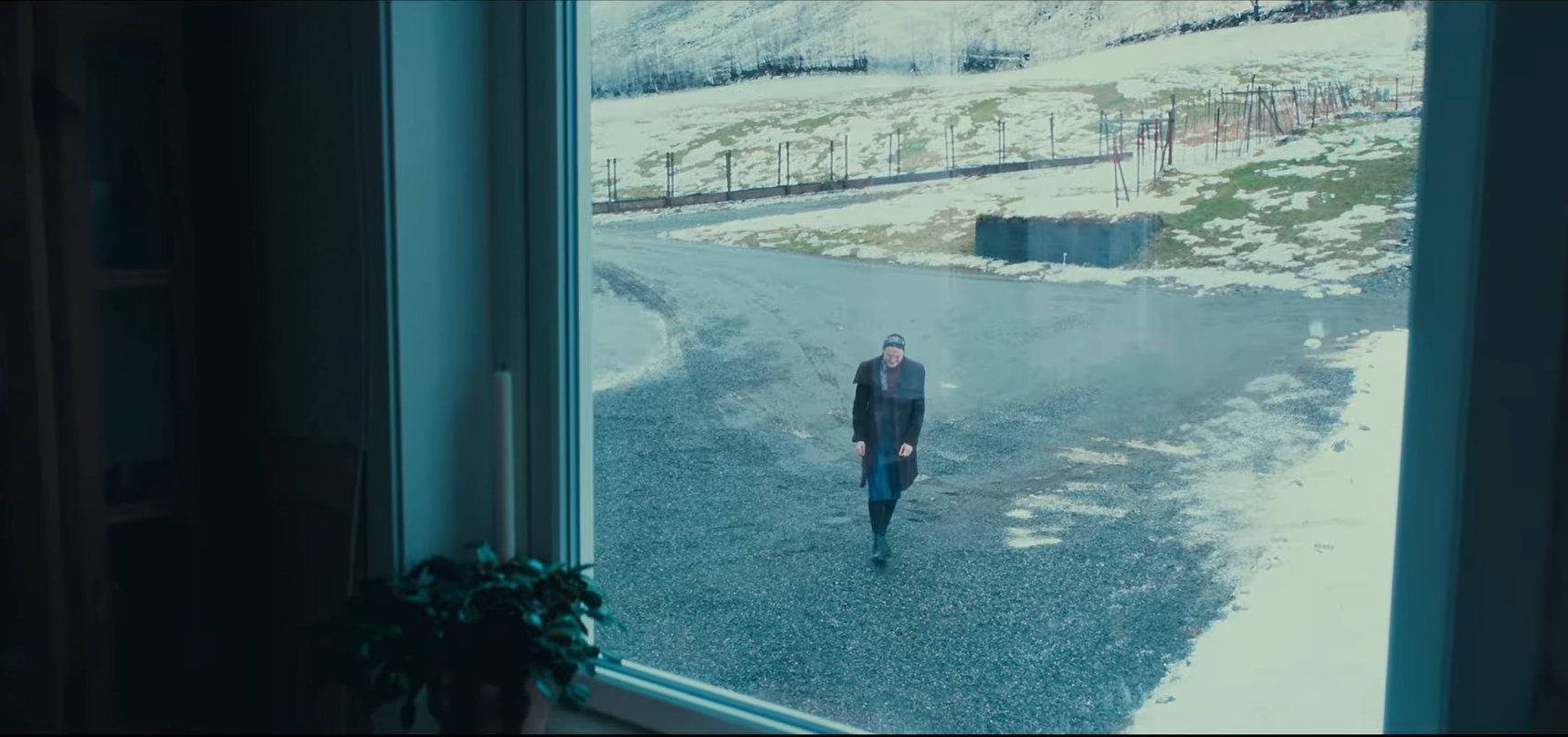
The film has been described as a "legal thriller" on some sites, and the most "thrilling," downright heart-contracting moment is when the Good Samaritans of the children’s services are explaining to Lisbet that they will take away all her children, including the baby she’s breastfeeding. While Lisbet (played wonderfully by Renate Reinsve) quietly loses her mind, a huge Norwegian flag is flapping just outside the window, metaphorically slapping Lisbet repeatedly, while "reasonable" faces of the law (one of them looking like a lost ABBA member) are telling her that she might be able to send her breast milk to her child. When Lisbet is incredulous at what she has to go through, the good people assure her that if she herself has been abused by her husband, she can keep the children and go to a safe home with them. It is horrifying to see the "progressive" state machinery at work: a state that is proud of decriminalizing certain behaviors while encouraging citizens to help them criminalize others.
All this comes at a time when the Gheorghius think they are doing well: attending church, helping with the community’s elderly, curbing their neighbor’s daughter Noora’s tendency to self-harm. In a small town with an aging population – the neighboring Halbergs are planning to transfer the wheelchair bound grandfather to an elderly home – Noora finds the Gheorghiu children a breath of fresh air and develops a strong bond, especially with Elia.
There is an early scene in the film where Noora convinces the well-behaved (through a strict points system their parents have devised) Elia and Emmanuel to leave their room through the window at night and go with her to the small quay. She wants to impress them with their family boat – and as Elia and Emmanuel approach the boat, Elia does something physically impossible, and the viewer cannot quite grasp what they have seen in the dark. Only after Noora asks, "Will you teach me how to do that?" do we understand that we saw what we saw. Elia’s answer is "I will, if you teach me how to drive the boat," and they have a blast on the water. Once again, I expect the tragedy to happen here, but actually, this is where the hope of the film lies. Elia will teach Noora some metaphysical tricks, and Noora will teach Elia some earthly ones. And the miraculous final scene shows us that the bond of love between the two girls has taught Noora Elia’s impossible trick. The children will be alright.
While the Gheorghiu family’s beliefs and culture are being dissected in court (there is a whole sequence on what the multifaith Balkan proverb "beating is out of heaven" might mean), the Halbergs’ response to their father trying to commit suicide on hearing that he is going to be put in a home for the elderly is to put him in a home for the elderly. When (emotional) abuse happens in liberal, pure white homes, it can only be for the good of society.
Another background to the criminalization of the Gheorghiu parents is the "Culture Day" that the school is preparing for. Mungiu takes no prisoners. From the looks of it, the day celebrates the culture of indigenous Sami people that white Scandinavians have decimated. It is easy for the Norwegians to recognize the injustices they’ve done to a people whose land they’ve confiscated and culture all but destroyed, while carrying out similar tactics in the present. I would encourage everyone to look at the artwork of Britta Marakatt-Labba, who depicts scenes of Sami rebellion against Swedish oppressors. She shows that in the 19th century Scandinavians used the church itself to suppress "savage" customs. In the 21st century, Mungiu’s film tells us that the veneer of law and individual freedoms has replaced the church.
The film’s ending soars above this, almost literally, and Mungiu shows that the love between Noora and Elia will remain after all the culture wars are done. Squeezed between institutions that claim them, children and youth will find a way to care for one another and teach others different ways of being in the world.