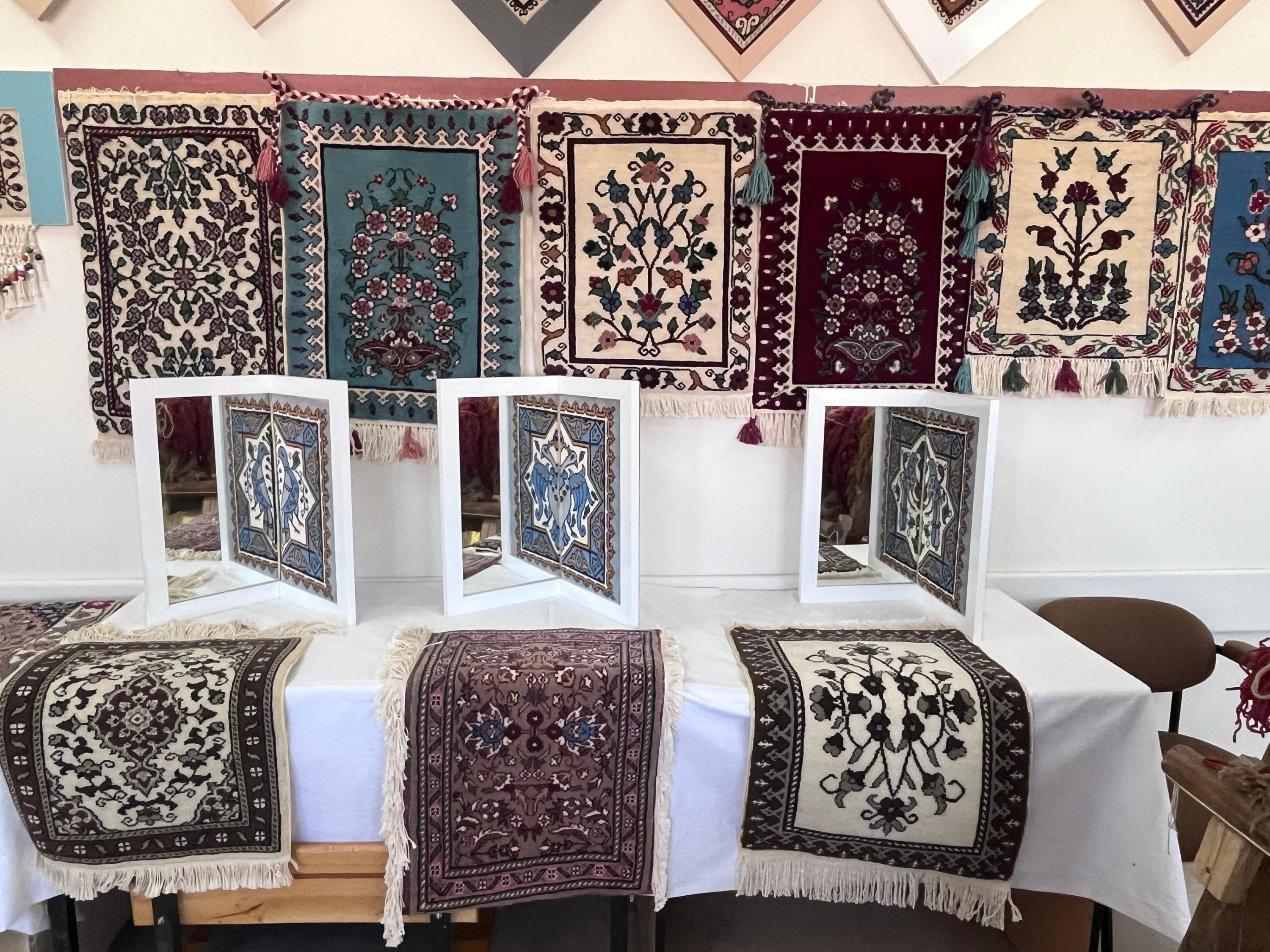
A once-fading Turkish carpet-weaving tradition is being revived in central Türkiye, where women in the district of Bünyan are preserving their cultural heritage through music, storytelling and craftsmanship.
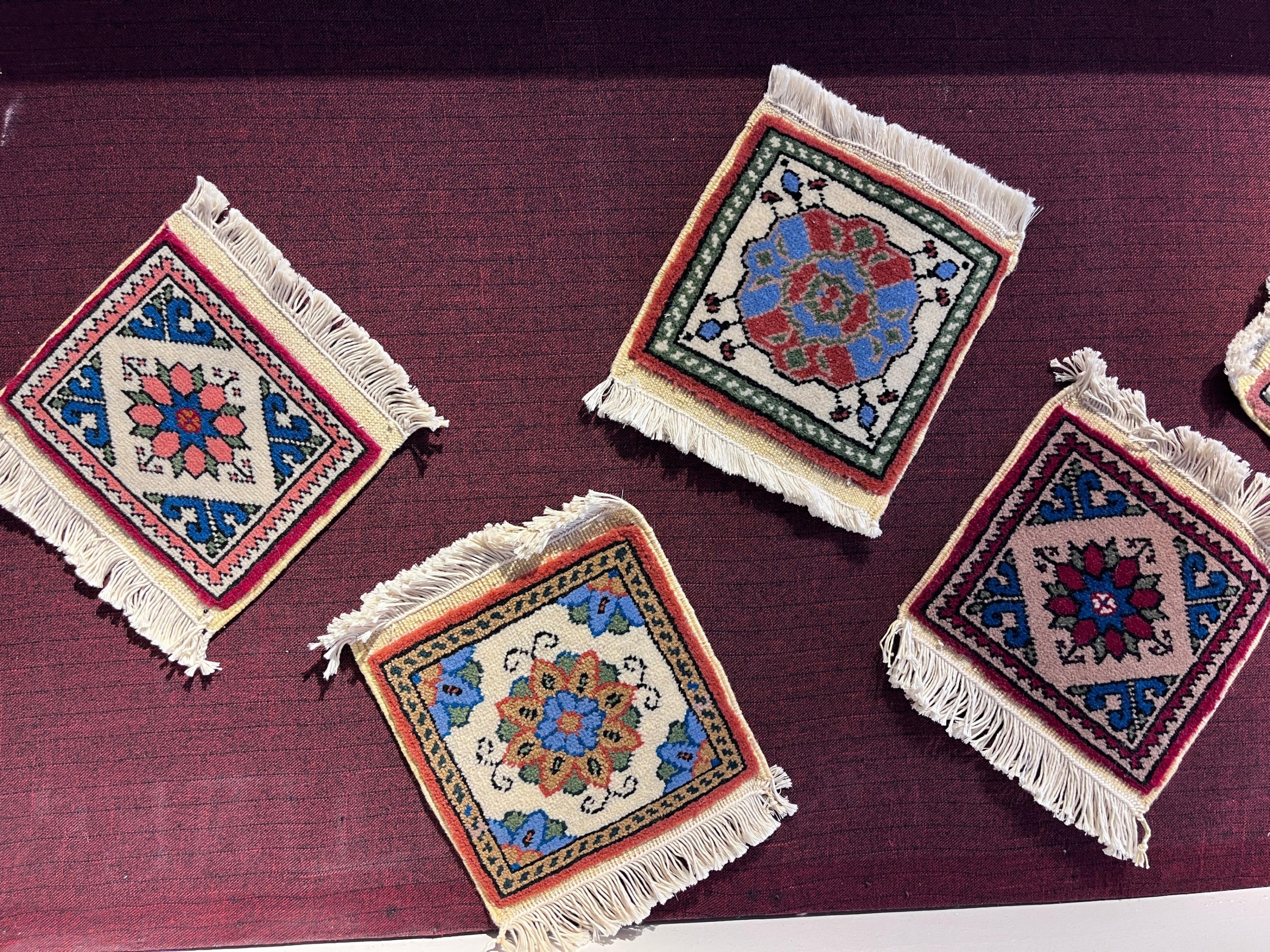
A project launched a year ago by the Bünyan Şehit Onur Karasungur Public Education Center aims to breathe new life into the centuries-old Bünyan carpet, a handmade textile that once adorned homes across the region but has seen a sharp decline in production in recent years. The initiative, titled “Touching the Past, Weaving the Future,” brings together local women to relearn and sustain the craft.
Participants weave carpets to the accompaniment of “Dokunur Halım” (“My Woven Carpet”), a folk song written by music teacher Mustafa Alperen. By selling the carpets they produce, the women contribute to their household incomes while helping keep the tradition alive.
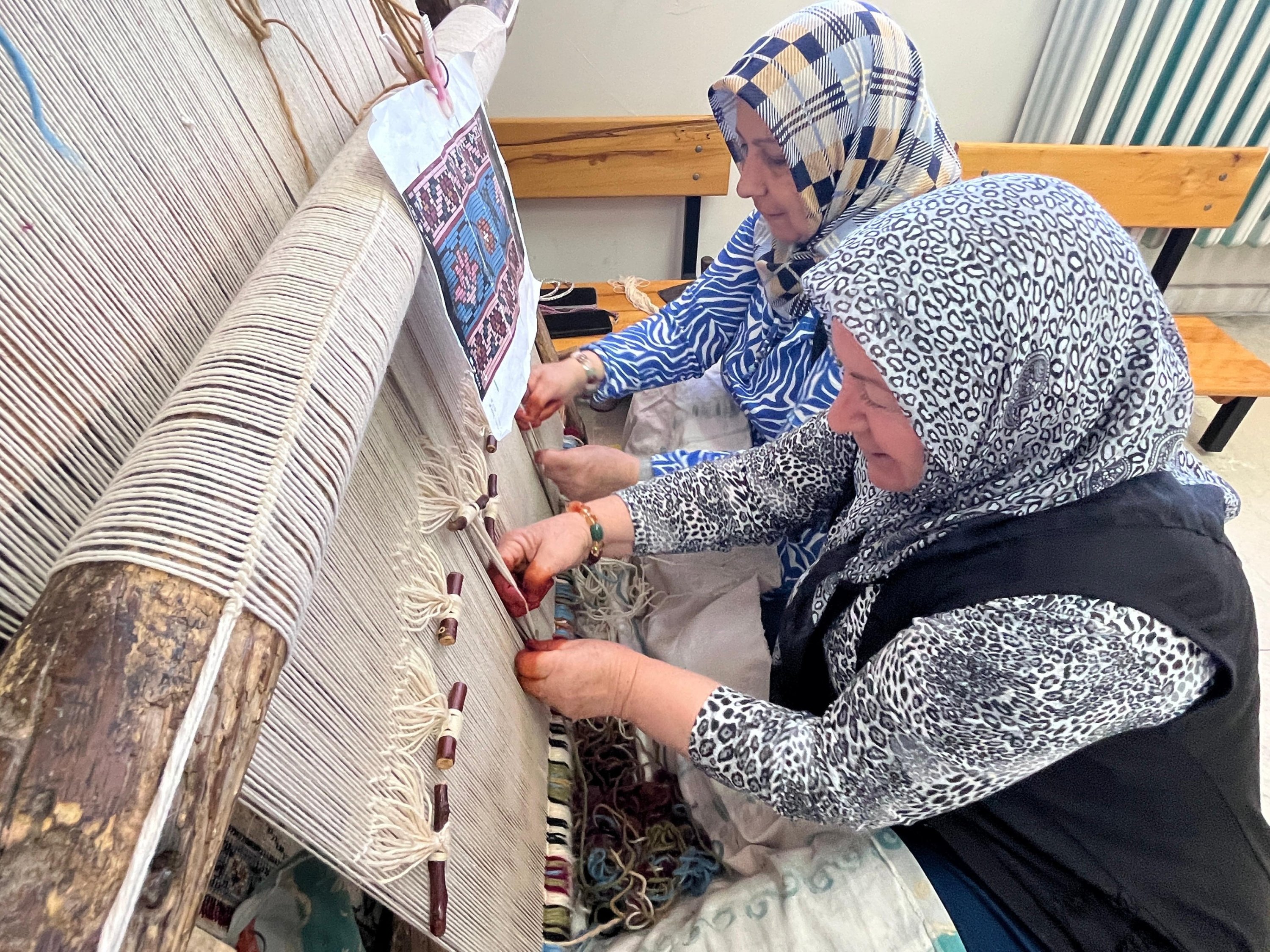
The project also revisits traditional “mani,” short folk poems historically associated with hardship and sorrow. Participants are reinterpreting these verses with themes of hope and solidarity, aiming to pass on a more uplifting cultural narrative to future generations.
Veli Arslan, director of the public education center, said the effort is part of a broader attempt to preserve hand-weaving traditions carried by Turks from Central Asia to Anatolia. Around 150 carpets have been produced so far through the program, he said, adding that courses are also being offered in local schools and even in prisons to expand participation.
Assistant director Sevda İnanç said meetings with local residents revealed that many women over the age of 40 already knew how to weave but had abandoned the practice over time.
“This culture was on the verge of being forgotten,” İnanç said. “We asked whether we should revive it or let it disappear. Together, we chose to revive it.”
She said the idea to create a song about carpet weaving emerged during one of these meetings, leading to the production of “My Woven Carpet,” whose music video was also filmed locally. The group then examined traditional folk verses and decided to reinterpret them to reflect more positive themes.
Participants say they are pleased to be part of the initiative.
Zehra Bakır, 52, said she had taken a long break from weaving before joining the course. Now, she contributes to her family’s income through the carpets she produces and enjoys the process.
“In the past, women were overwhelmed with work and grew tired of weaving,” she said. “Now we do it with pleasure.”
Berrin Kaya, a 62-year-old homemaker, said she joined the course on a neighbor’s recommendation. She has been weaving since elementary school but recalled that in earlier years, young girls received little financial reward for their work.
“We used to get small tips and would spend them on slippers or socks,” she said. “Now, we hope to earn our own money and support our families.”
Beyhan Sezenler, 55, said the project’s primary goal is to ensure the Bünyan carpet does not disappear. She added that participants have showcased their work at festivals and fairs and have visited universities to introduce students to the craft.
“We relieve stress here and continue weaving,” she said. “As long as we can, we will keep going and try to pass this tradition on to younger generations.”
Sezenler also noted a shift in the tone of traditional verses sung during weaving.
“In the past, women sang sorrowful lines because they were exhausted,” she said. “Now, because we weave willingly, we try to create more beautiful and hopeful verses.”