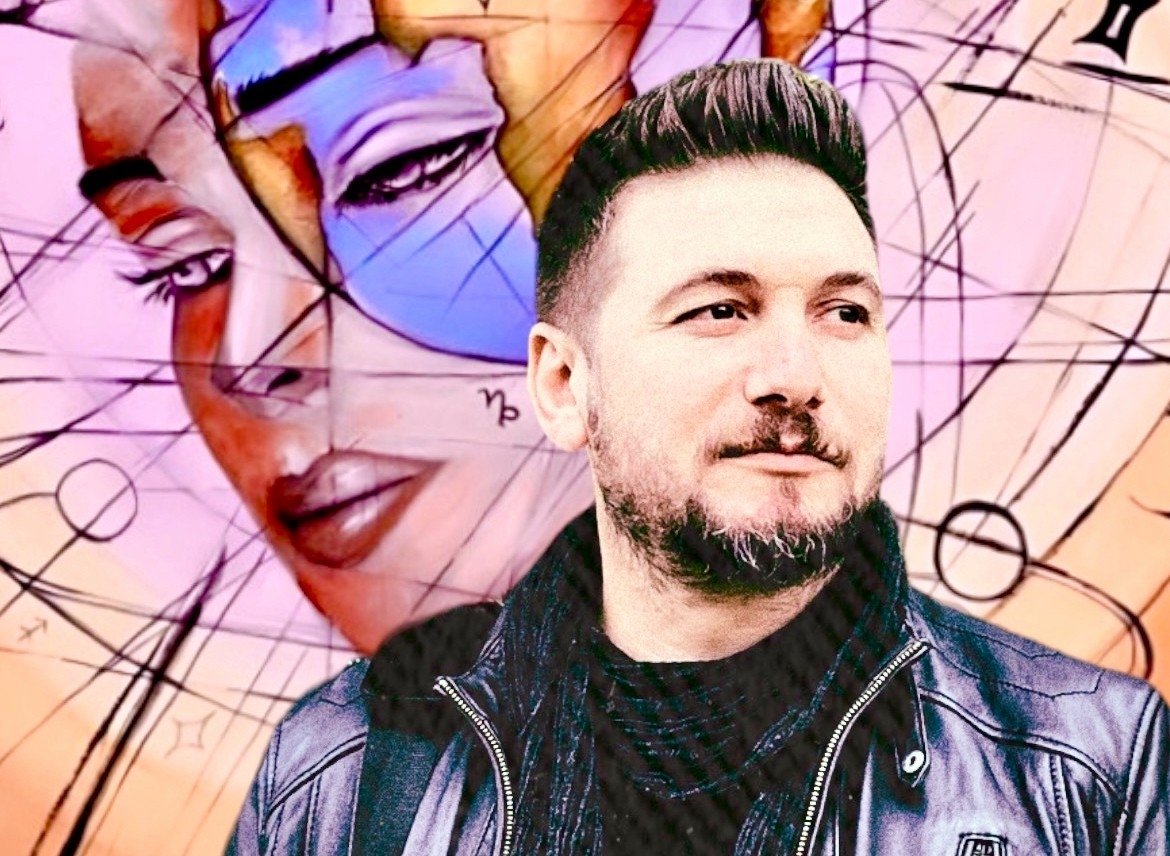
The renowned Turkish artist Vahap Aydoğan has long been interested in exploring the transformative potential of artistic expression, the profound connection between people and nature, and the healing power of art. He discussed his artistic journey, the therapeutic value of his work and the significant effects that art can have on people and society in an insightful discussion.
Aydoğan stressed that art is more than just an aesthetic endeavor for him when we first discussed his inspiration for making art. He asserted, "Art is a form of healing." Making sense of emotions and processing difficult-to-communicate feelings are more important than simply expressing them. "My art is a sort of conversation with my inner world as well as the materials I employ. I'm able to heal myself through this process." Much of his artistic philosophy is based on the idea that making art is as much about exploring oneself as it is about creating something that the public can experience.
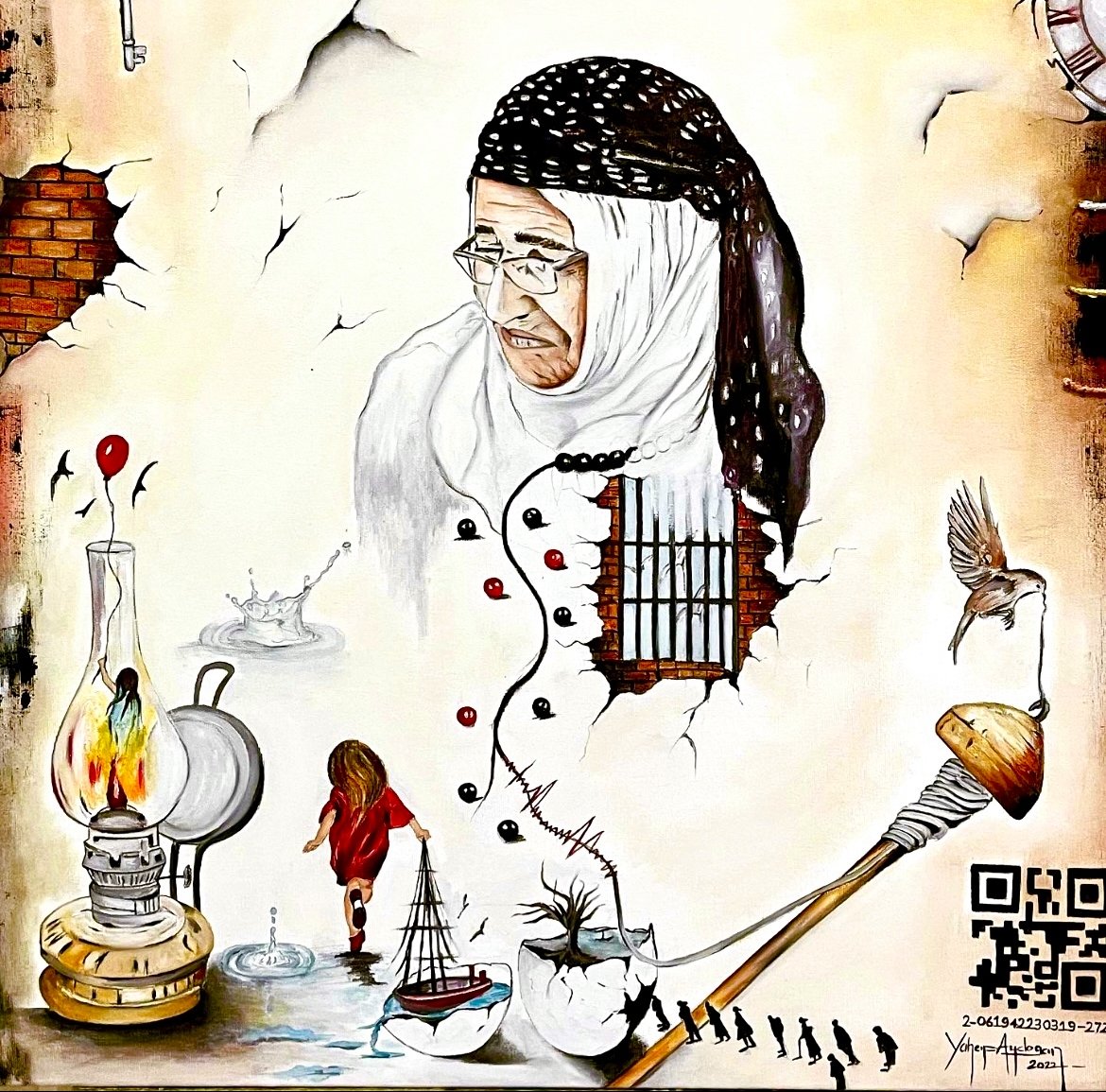
Aydoğan's selection of materials reflects his belief in art as a means of self-healing. "I work with natural materials like wood, stone and soil because they connect me to the earth," he said. "The best teacher is nature. Every material I use has its own unique history and story. I feel like I'm taking part in something timeless and ancient by adding them into my artwork. Making something that speaks to the essence of life itself is more important than merely producing something aesthetically pleasing."
As we spoke, I asked Aydoğan about how his audience might relate to his own artistic healing process. "Art has the ability to speak to others in a way that words cannot," he stated. "I want my art to inspire people to examine themselves and consider their own feelings and experiences. Helping individuals digest their joy, their suffering and everything in between is what I want my work to do." With conviction, he discussed how art may serve as a mirror to the viewer's own life, promoting introspection and emotional bonding.
Our conversation about the significance of art in society centered on the notion of art as a mirror. "Art doesn't just reflect the individual – it reflects society as well," he remarked. "Whether it's about social injustice, the environment, or the human condition, I aim to convey something about the world we live in through each piece. Art has the ability to inspire change and is a reflection of the times in which we live." For him, making art is a means to engage with and challenge the broader social fabric, in addition to being a way to express oneself.
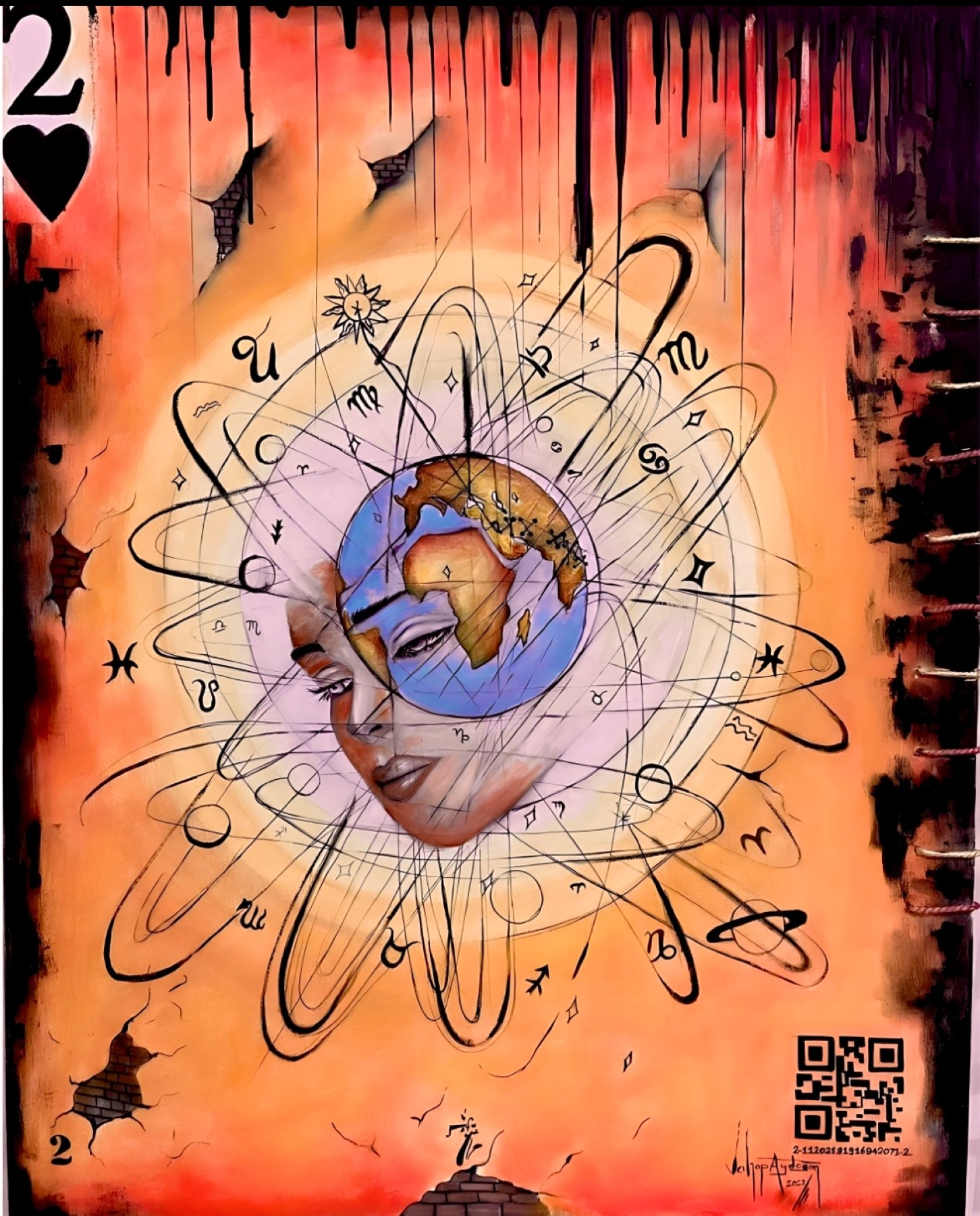
The way that Aydoğan's work addresses challenging subjects like environmental deterioration and societal norms is among its most remarkable features. He thoughtfully said, "Art is not just for decoration," in response to my question about how he uses art to address these delicate subjects. "It is a tool for social criticism. My goal is to question the status quo and the viewer's perceptions. Art isn't doing its job if it doesn't make people think. It ought to push limits, question norms, and alter people's perspectives on the world."
Themes of sorrow and change are frequently explored in Aydoğan's art, which is full of symbolism and nuanced meaning. "Art has always had the power to shape minds and influence the course of history," he said, highlighting the potent role that art plays in igniting change. "Consider the part that art has always played in social movements. Art may inspire change by raising awareness, whether it be political art or art that challenges social systems. For this reason, I think art is a force in society as well as something that is personal."
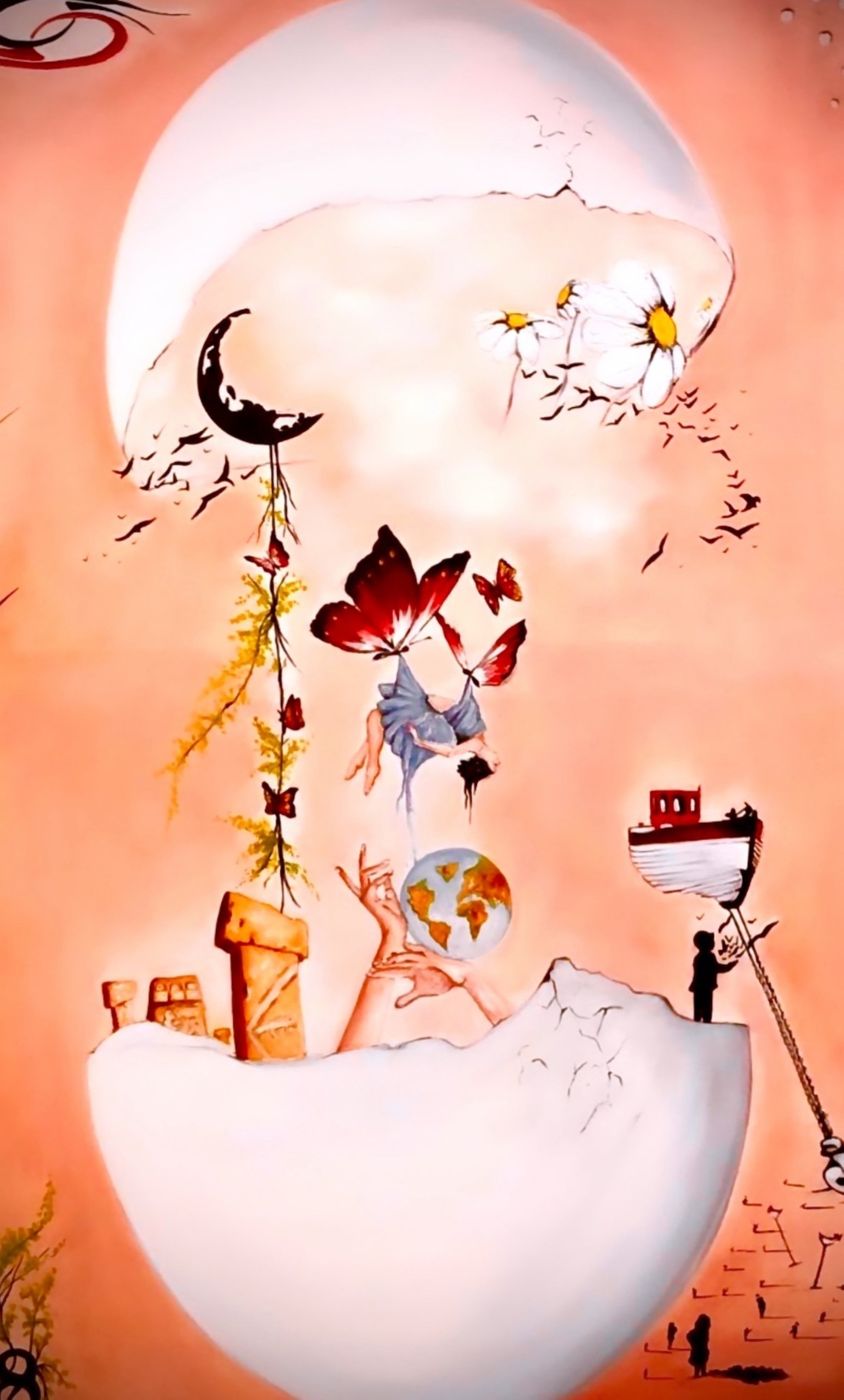
As our discussion progressed, Aydoğan expressed his conviction that art needs to be a dynamic, ever-changing thing. "Art should evolve and adapt along with people. It's dynamic, not static," he stated. "Everything I make is a part of a bigger, continuous process. I view my early pieces as phases in my development as an artist. Every new piece signifies a fresh perspective and a new chapter. As I develop, so does my art."
His personal experiences have a significant influence on this development. "My art has been shaped by everything I’ve lived through, the people I’ve met, the challenges I’ve faced," he said. "My work incorporates every aspect of my life, whether it be happy or difficult. My art is my narrative; it tells the story of my identity and experiences."
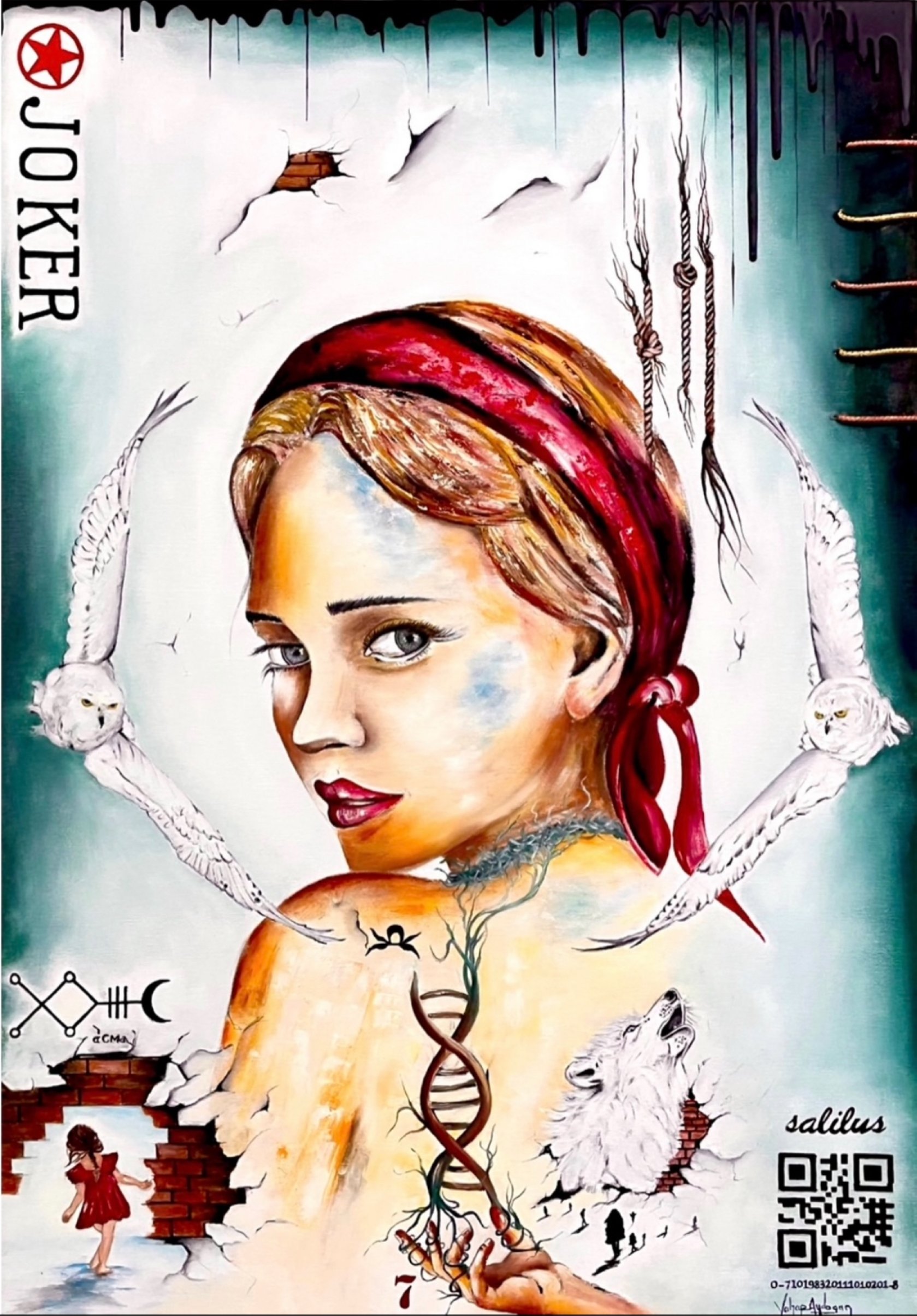
His opinions on the situation of the art world today were also discussed. Although art is more accessible than ever, Aydoğan pointed out that it frequently lacks the depth and significance that it once possessed. "There’s a lot of art out there, but not all of it has substance," he stated. "Nowadays, a lot of art focuses more on product promotion than message delivery. Art, in my opinion, ought to spark thought, passion and challenge the observer. It should be both emotionally and intellectually stimulating in addition to being aesthetically pleasing."
I asked Aydoğan about his future goals as our interview came to an end. "I want to continue growing as an artist, to keep learning and evolving," he said. "I believe that my art will continue to strike a chord with people, spark ideas and motivate change since it will always be a reflection of my own path. My method of interacting with the world and changing the world, even in a tiny way, is through art."