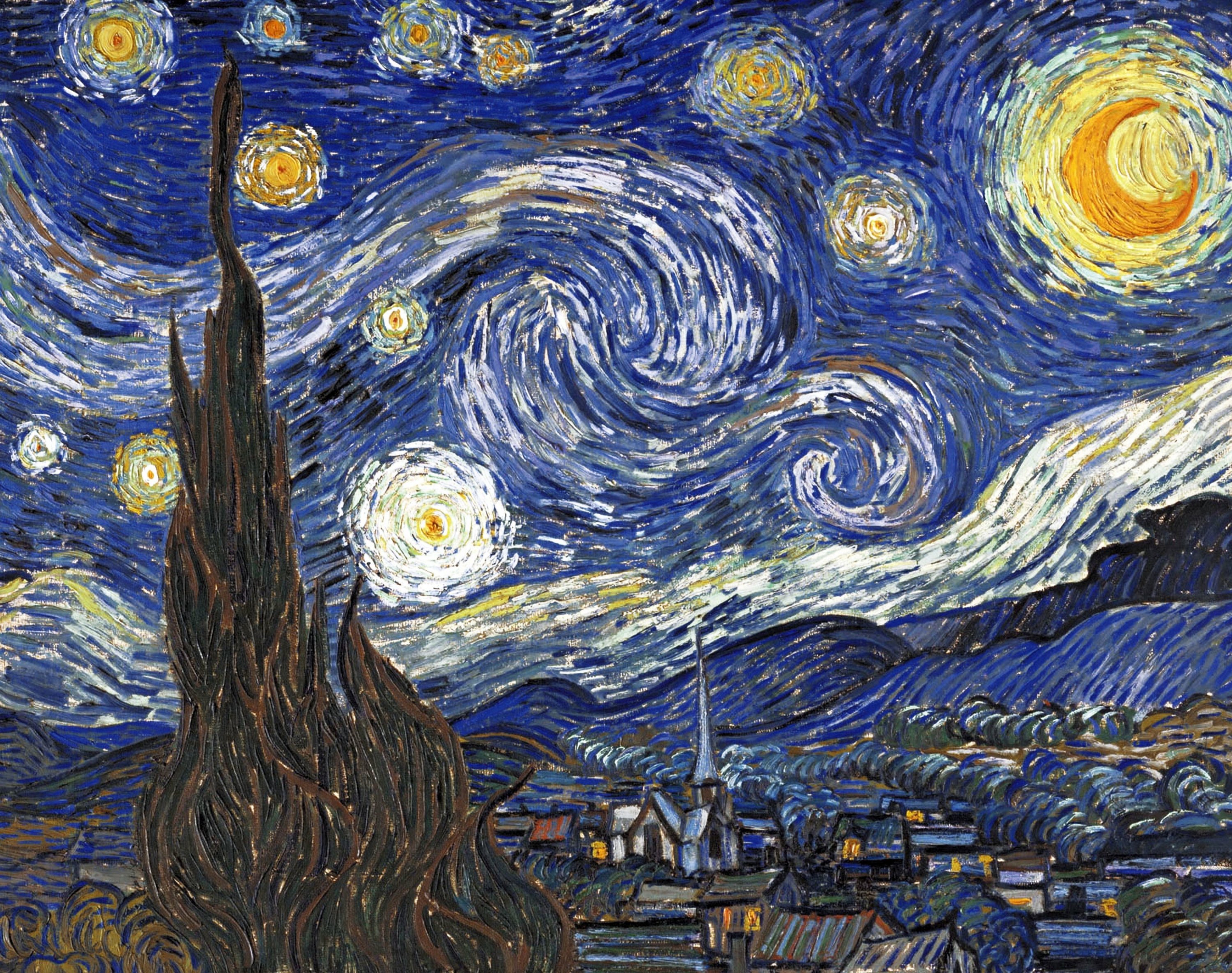
The question “Why is art so expensive?” is almost always asked with a faint undertone of suspicion. It is rarely neutral. It assumes exaggeration, manipulation, or even deception as if the price of an artwork were a collective misunderstanding waiting to be exposed. Yet this question persists not because art prices are irrational, but because art operates according to a value system fundamentally different from most goods in contemporary life. To ask why art is expensive is, in fact, to ask how value itself is constructed, protected and transmitted across time.
Art is expensive, not because it is decorative, but because it is irreplaceable. In an era defined by infinite reproducibility, digital images, endless copies, and algorithmic sameness, art remains stubbornly finite. A painting by Vermeer exists in only a handful of examples; a Klimt portrait, once destroyed or lost, cannot be regenerated; a Basquiat canvas is inseparable from the precise historical moment and psychological state in which it was produced. Of course, scarcity alone does not fully explain price; however, it establishes the foundation. Art is not scarce in the way luxury goods are scarce by design; it is scarce by ontology. It cannot be mass-produced without ceasing to be what it is.
This scarcity becomes especially visible in moments of global uncertainty. When currencies fluctuate, when political orders fracture, when technological acceleration erodes trust in permanence, capital seeks refuge in objects that resist volatility. Art has historically functioned as such a refuge. During periods of war, revolution and economic collapse, artworks have been hidden, transported across borders, exchanged for safe passage, or held as silent guarantees of future value. A painting does not default. It does not expire. It does not disappear when a market closes. Its value may fluctuate, but its existence remains intact. In this sense, art is not only cultural capital; it is a form of temporal insurance.
Recent high-profile sales offer a clear illustration. When a long-lost Gustav Klimt portrait resurfaced and sold for a staggering sum, the price was not merely a reflection of gold leaf, technique or Viennese elegance. It was a collective acknowledgment of continuity. Klimt’s work carries the weight of European intellectual history, fin-de-siecle anxiety, psychoanalysis, modernism and the collapse of empires. The buyer did not simply acquire an image; they acquired a dense archive of memory, trauma and aesthetic resolution. The price reflected not extravagance, but the compression of meaning.
Another valid reason why art is expensive is that it concentrates time. A single artwork absorbs years of training, decades of failure, historical influences and intellectual labor. When one looks at a mature work by Rothko, one is not looking at colored rectangles; one is looking at the residue of a lifetime spent negotiating philosophy, religion, mortality and abstraction. The canvas becomes a vessel for accumulated experience. Unlike most professions, where labor is compensated incrementally, art is paid retrospectively. The price of a painting often reflects not only the hours spent producing that work, but the decades that made it possible. This retrospective logic also explains why young artists struggle while established artists command high prices. The market is not rewarding potential; it is rewarding proof. Proof of consistency, proof of survival, proof of relevance across shifting cultural climates. An artist whose work has entered museum collections, academic discourse and institutional archives has crossed a threshold. Their work is no longer a private expression; it has become part of the public record. Once art enters history, it exits the realm of personal taste and enters the realm of collective responsibility.
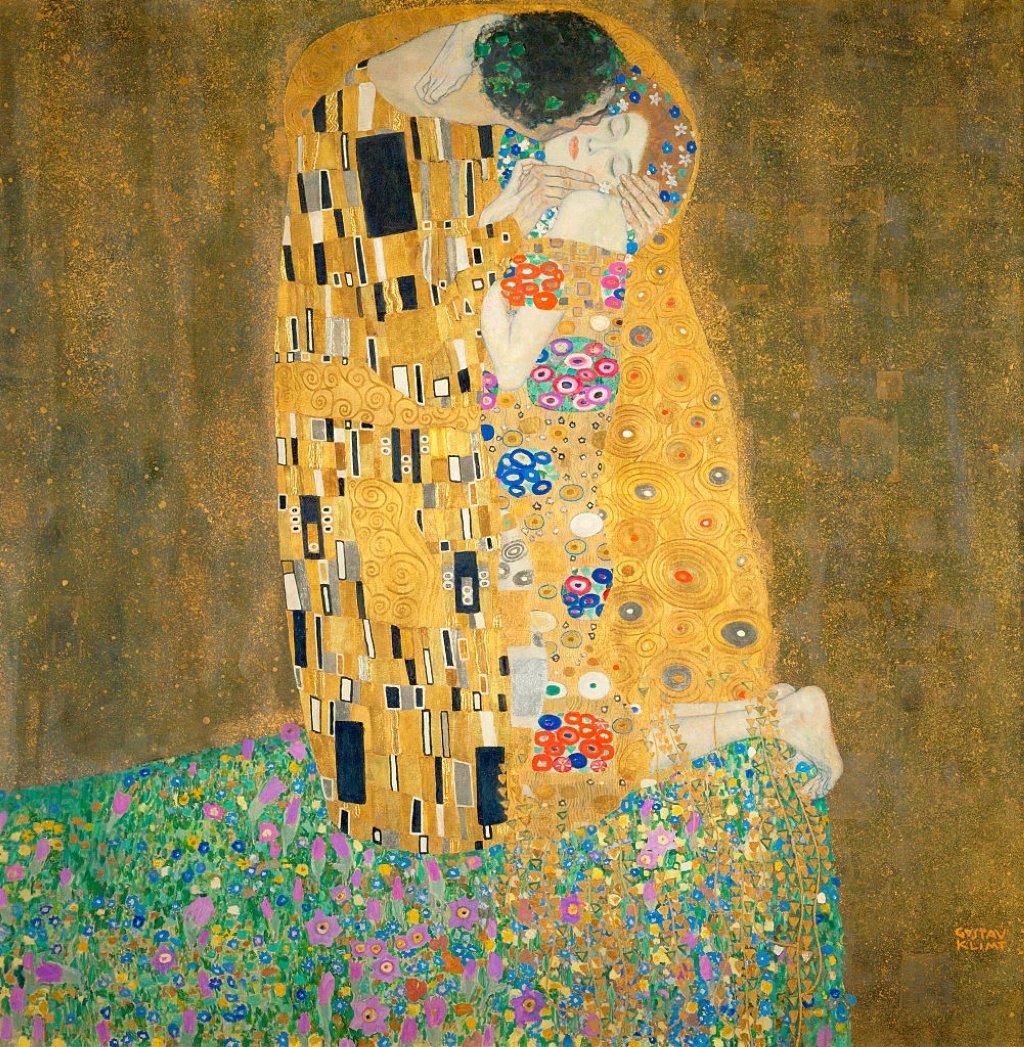
Why art is expensive lies in its function as intellectual property, as well. A painting, sculpture or installation is not merely an object but a proprietary vision. It represents a unique way of seeing the world. Just as patents protect inventions and copyrights protect texts, art protects perception. To own an artwork is to temporarily steward a worldview. This is why collectors often speak not of ownership, but of custody. The price reflects not possession, but guardianship.
The art market, often caricatured as opaque or elitist, is in reality a complex ecosystem of validation mechanisms. Galleries, curators, critics, historians, collectors, auction houses and museums all participate in the construction of value. This does not mean value is fabricated; it means it is contextualized. When a museum acquires an artwork, it signals that the work has passed a threshold of cultural significance. When a curator places an artist in a biennial, it situates the work within a global conversation. When an artwork is written into academic discourse, it gains durability. Price follows these signals not arbitrarily, but structurally.
Provenance plays a decisive role in this structure. The history of who has owned an artwork, where it has been exhibited, and how it has been documented can dramatically alter its value. A painting with gaps in provenance, particularly those connected to periods of war or displacement, carries ethical and historical weight. In some cases, this weight increases value; in others, it complicates the sale. Either way, price becomes a reflection of narrative density. Art is expensive because it remembers what societies try to forget.
Material considerations, often cited by skeptics, are among the least relevant factors in pricing. The cost of canvas, paint or bronze is negligible compared to the symbolic and historical layers embedded in the work. To reduce art to materials is to misunderstand its function entirely. No one asks why a first-edition book by a major author costs more than its paper and ink. The same logic applies to art, albeit with greater intensity due to its singularity.
Art is also expensive because it resists immediate consumption. Unlike entertainment, which is designed for instant gratification, art demands duration. It asks viewers to slow down, to return, to reconsider. In an economy driven by speed, this resistance becomes valuable. The more the world accelerates, the more expensive slowness becomes. Art offers slowness without nostalgia, contemplation without utility, meaning without instruction. These qualities, increasingly rare, command a premium.
The claim that art prices are inflated by speculation is not entirely false, but it is incomplete. Speculation exists in all markets, yet it does not fully explain why certain works retain value across centuries while others fade. Speculation may amplify prices in the short term, but it cannot manufacture historical relevance. No amount of financial engineering can turn an insignificant work into a masterpiece over time. The market may err, but history corrects.
There is also an uncomfortable truth embedded in art pricing: art reflects inequality. High prices reveal not only artistic value, but also the concentration of wealth. However, this does not invalidate the value of art; it exposes the economic conditions under which it circulates. Art has always been expensive because patronage has always been selective. From Renaissance commissions to contemporary collectors, art has relied on surplus capital. The difference today is visibility. Prices are public, transactions are reported and outrage is amplified. What feels new is not the expense of art, but our proximity to its numbers.
Art becomes most expensive when it aligns with moments of existential questioning. After wars, during pandemics, amid technological disruptions, art reasserts itself as evidence of continuity. It says: something was here before us, and something will remain after us. In this sense, buying art is not an act of indulgence, but an act of faith. Faith in memory, in civilization, in the endurance of human expression.
The criteria that determine the price of an artwork are therefore layered rather than linear. They include the artist’s historical positioning, the work’s scarcity, its provenance, institutional recognition, critical discourse, market demand and its capacity to carry meaning across time. None of these factors operates independently. They reinforce one another. Price emerges not as a calculation, but as a consensus.
Perhaps the most provocative claim to make is this: Art is expensive because it cannot be replaced by technology. In an age where artificial intelligence can generate images, music and text, the value of human-authored art increases rather than diminishes. Why? Because art is not about output; it is about intention. A machine can simulate style, but it cannot possess stakes. It cannot risk failure, reputation or legacy. Human art is expensive because it is made under conditions of vulnerability.
To stand before an artwork that has survived centuries is to confront time itself. To own such an artwork, even temporarily, is to accept responsibility for its survival. This responsibility is reflected in price. Art is expensive because it asks more of us than consumption. It asks care, context and continuity.
So when we ask why art is so expensive, we might consider reversing the question. In a world where almost everything is designed to be cheap, fast and disposable, why would art be any different? Perhaps the real mystery is not why art costs so much, but why we expect meaning to be affordable.
Art is expensive because meaning is rare. And rarity, when it endures, has always had a price.