Daily Sabah logo

Politics
Diplomacy Legislation War On Terror EU Affairs Elections News Analysis
TÜRKİYE
Istanbul Education Investigations Minorities Expat Corner Diaspora
World
Mid-East Europe Americas Asia Pacific Africa Syrian Crisis Islamophobia
Business
Automotive Economy Energy Finance Tourism Tech Defense Transportation News Analysis
Lifestyle
Health Environment Travel Food Fashion Science Religion History Feature Expat Corner
Arts
Cinema Music Events Portrait Reviews Performing Arts
Sports
Football Basketball Motorsports Tennis
Opinion
Columns Op-Ed Reader's Corner Editorial
PHOTO GALLERY
JOBS ABOUT US RSS PRIVACY CONTACT US
© Turkuvaz Haberleşme ve Yayıncılık 2026

Daily Sabah - Latest & Breaking News from Turkey | Istanbul

  • Politics
    • Diplomacy
    • Legislation
    • War On Terror
    • EU Affairs
    • Elections
    • News Analysis
  • TÜRKİYE
    • Istanbul
    • Education
    • Investigations
    • Minorities
    • Expat Corner
    • Diaspora
  • World
    • Mid-East
    • Europe
    • Americas
    • Asia Pacific
    • Africa
    • Syrian Crisis
    • Islamophobia
  • Business
    • Automotive
    • Economy
    • Energy
    • Finance
    • Tourism
    • Tech
    • Defense
    • Transportation
    • News Analysis
  • Lifestyle
    • Health
    • Environment
    • Travel
    • Food
    • Fashion
    • Science
    • Religion
    • History
    • Feature
    • Expat Corner
  • Arts
    • Cinema
    • Music
    • Events
    • Portrait
    • Reviews
    • Performing Arts
  • Sports
    • Football
    • Basketball
    • Motorsports
    • Tennis
  • Gallery
  • Opinion
    • Columns
    • Op-Ed
    • Reader's Corner
    • Editorial
  • TV

Over half of Indian children anemic, health survey shows

by

NEW DELHI Mar 06, 2017 - 12:00 am GMT+3
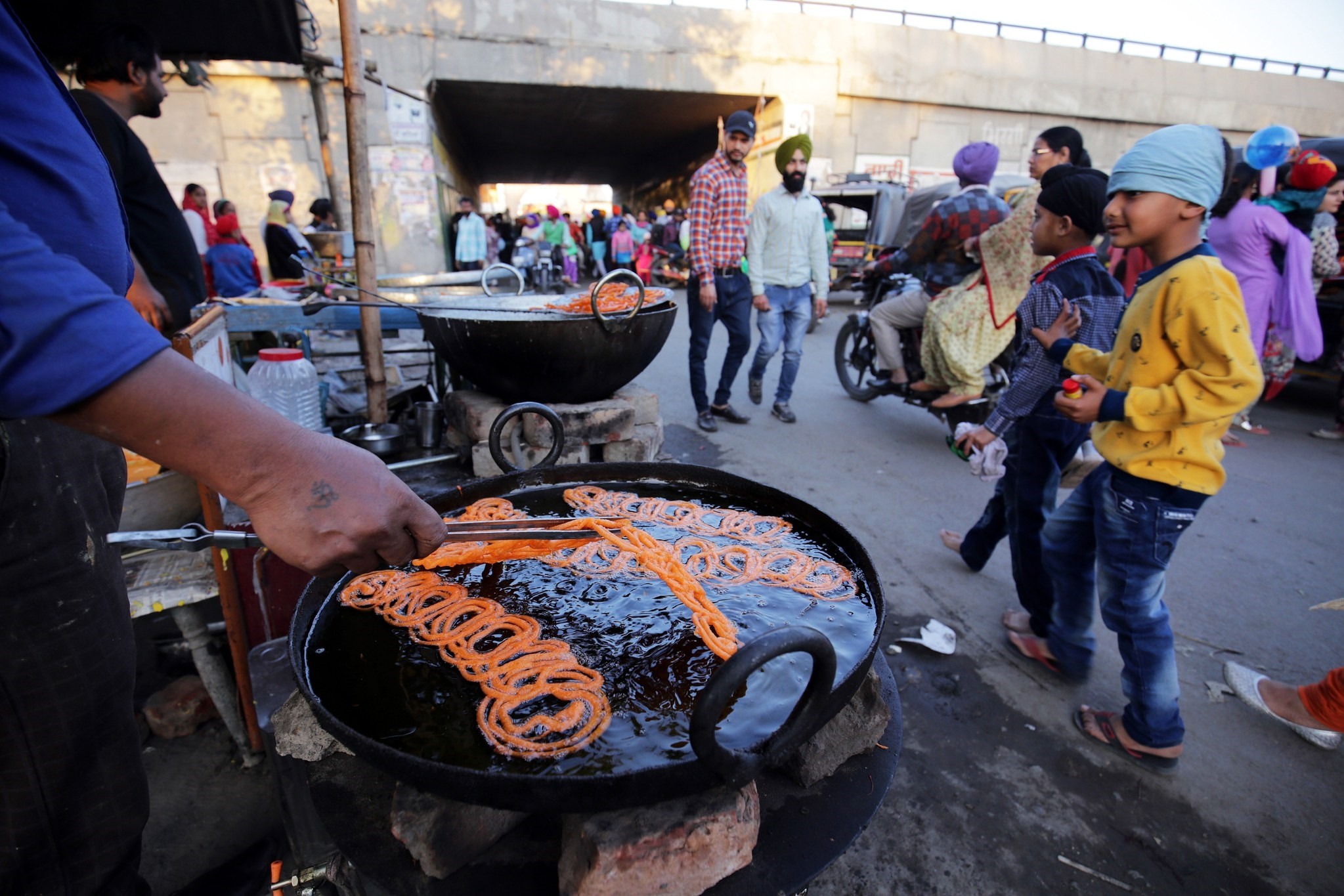
 EPA Photo
| EPA Photo
by Mar 06, 2017 12:00 am

Over 58 per cent of children below five years of age in India are anemic and the country still has high levels of stunting, an official survey said.

Data from the National Family Health Survey 2015-16, published in the domestic media on Monday, showed that 58.4 per cent or around 72 million children were anemic.

Anemic children have lower than average levels of haemoglobin in their blood, which leaves them exhausted, vulnerable to infections and likely affects their brain development.

The survey showed that 38 per cent of children - or nearly 50 million individuals - in the same age group were stunted, 21 per cent wasted and 36 per cent were found to be underweight.

Wasting is described as low weight compared to height, stunting aslow height compared to age, and underweight as low weight for age.

Child health experts said that although India has improved on internationally accepted parameters of child health since the last NFHS survey in 2005-2006, it still had severe levels ofundernourishment among its children, mainly due to poverty.

"There is an improvement in some areas, such as incidence of anemia, that dropped from 69.4 per cent in 2005-6, but on parameters like complementary feeding [giving an infant foods in addition to milk] after the baby has completed six months, there has not been much progress," Unicef nutrition specialist Gayatri Singh said.

Food quality, poor sanitation and hygiene have also been identifiedas key reasons behind child undernutrition in India.

The nutritional situation in India is among the worst in the world. India has serious levels of widespread hunger and a low ranking of 97among 118 developing countries, according to the Global Hunger Index 2016.

There is criticism that Indian policy makers have been unable toaddress the endemic crisis of hunger in the country, which ironically is the fastest growing major economy in the world.

Indian expenditure on healthcare is a little over 1 per cent of the country's gross domestic product, while the global average healthcare outlay stands at around 6 per cent, an editorial in the Times of India noted.

Although India's newborn death rate of 41 per 1,000 live births andchild mortality rate of 50 per 1,000 live births had shown declines, the numbers are still seen to be too high.

On the bright side, the survey showed increase in immunization coverage and a positive trend in indicators of women's empowerment, like literacy, with more women holding bank accounts and participating in household decisions.


  • shortlink copied
  • Last Update: Mar 06, 2017 11:06 pm
    KEYWORDS
    world
    The Daily Sabah Newsletter
    Keep up to date with what’s happening in Turkey, it’s region and the world.
    You can unsubscribe at any time. By signing up you are agreeing to our Terms of Use and Privacy Policy. This site is protected by reCAPTCHA and the Google Privacy Policy and Terms of Service apply.
    No Image
    Chernobyl: Ghost town Pripyat still haunted by disaster 38 years later
    PHOTOGALLERY
    • POLITICS
    • Diplomacy
    • Legislation
    • War On Terror
    • EU Affairs
    • News Analysis
    • TÜRKİYE
    • Istanbul
    • Education
    • Investigations
    • Minorities
    • Diaspora
    • World
    • Mid-East
    • Europe
    • Americas
    • Asia Pacific
    • Africa
    • Syrian Crisis
    • İslamophobia
    • Business
    • Automotive
    • Economy
    • Energy
    • Finance
    • Tourism
    • Tech
    • Defense
    • Transportation
    • News Analysis
    • Lifestyle
    • Health
    • Environment
    • Travel
    • Food
    • Fashion
    • Science
    • Religion
    • History
    • Feature
    • Expat Corner
    • Arts
    • Cinema
    • Music
    • Events
    • Portrait
    • Performing Arts
    • Reviews
    • Sports
    • Football
    • Basketball
    • Motorsports
    • Tennis
    • Opinion
    • Columns
    • Op-Ed
    • Reader's Corner
    • Editorial
    • Photo gallery
    • DS TV
    • Jobs
    • privacy
    • about us
    • contact us
    • RSS
    © Turkuvaz Haberleşme ve Yayıncılık 2021