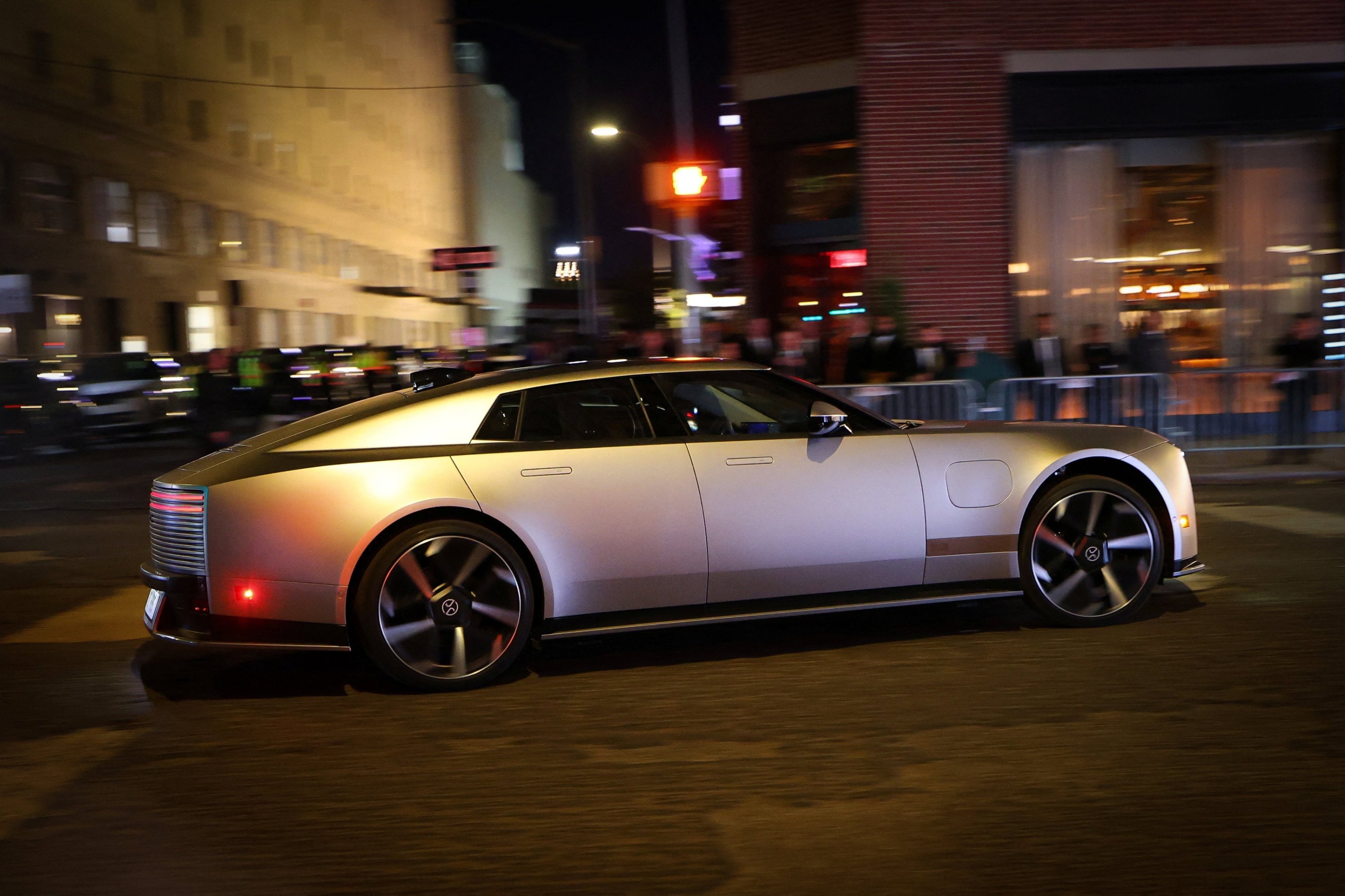
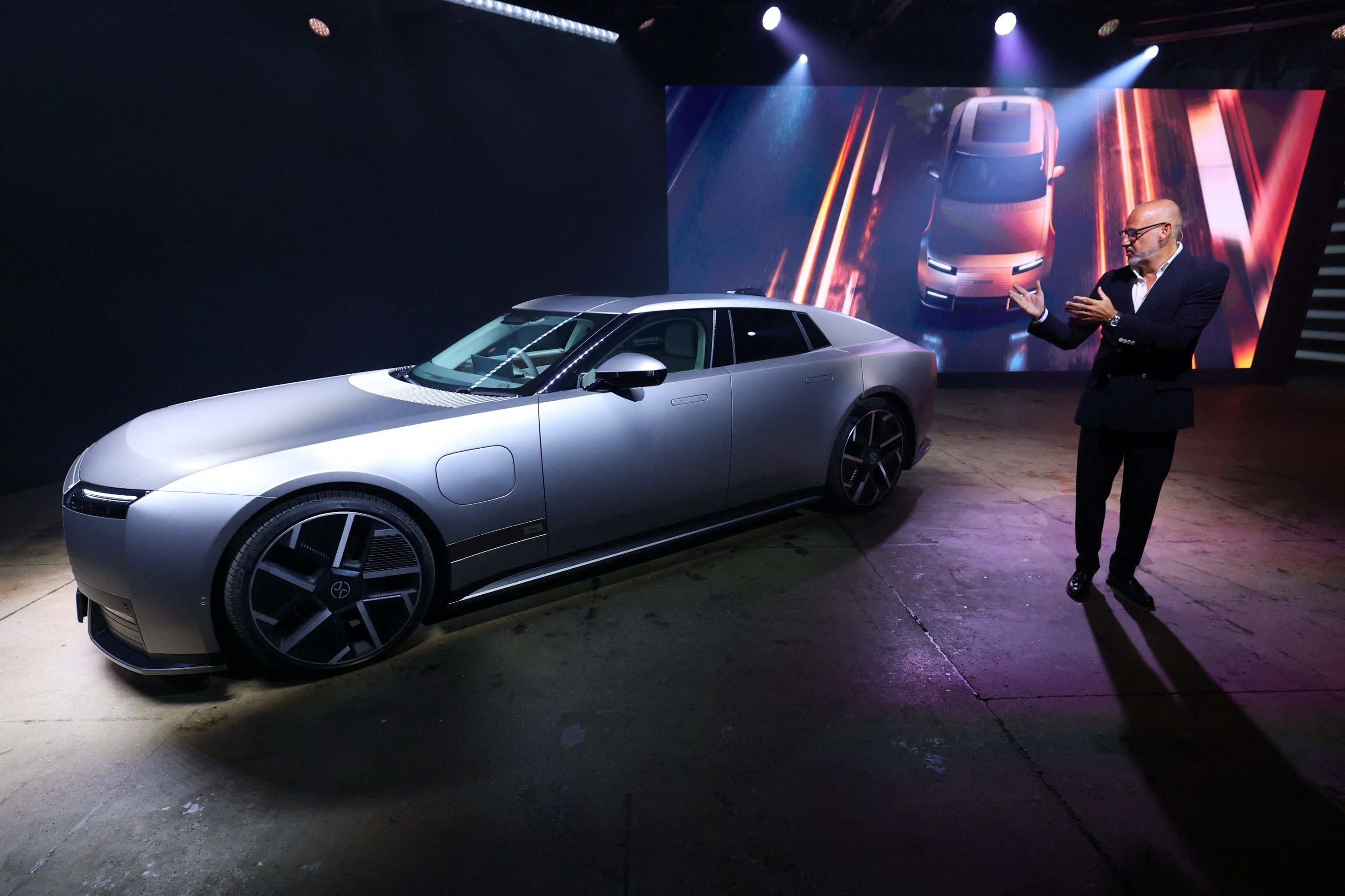
Jaguar Land Rover (JLR) debuted its new "Jaguar Type 01" electric car, with an ultra-long bonnet, no rear window and a wealth of technology during an event in New York on Tuesday as it targets the potential for growth in the U.S. market and recovery from a "woke" ad fiasco.
The U.K.-based luxury carmaker, which is owned by India's Tata Motors, said the Type 01, an electric four-door GT car – in subtle, muted shades – with a starting price of $130,500, marks the "beginning of a new generation of Jaguar vehicles and a transformative new era."
The high price tag represents a gamble in the U.S., where enthusiasm for EVs has been lower than in Europe.
JLR, however, plans to sharpen its focus on its U.S. customer base as Europe's automotive industry, particularly electric vehicles, has been pressured by competitively priced Chinese cars, tariff costs and disruptions from the U.S.-Israeli war on Iran.
The Type 01's design harks back to the 1960s E-type Jaguar sports cars that have been treasured by collectors and follows on from the 2024 unveiling of the Jaguar Type 00 radical concept car in bright pink as part of the automaker's brand relaunch.
The Type 00 and relaunch drew criticism from car enthusiasts and some politicians.
JLR is also seeking to recover from a cyberattack that halted production and disrupted suppliers last year. As part of a turnaround plan, it announced last month it would reduce nearly 10% of its workforce through voluntary layoffs over the next two years.
As part of the shakeup, it has committed to shifting its entire lineup to EVs, even though some industry executives have said they are unconvinced that wealthy car buyers want to go electric.
Earlier this year Ferrari’s first attempt at an EV was heavily criticized because it looks nothing like the Italian luxury automaker’s gas-powered models.
Last month Bentley unveiled its first EV, which will be priced at the bottom end of its range.
Lamborghini has ruled out an EV before the end of the decade and McLaren said last month it had no plans to go electric because customers have shown no interest in moving on from their gas-engine models.