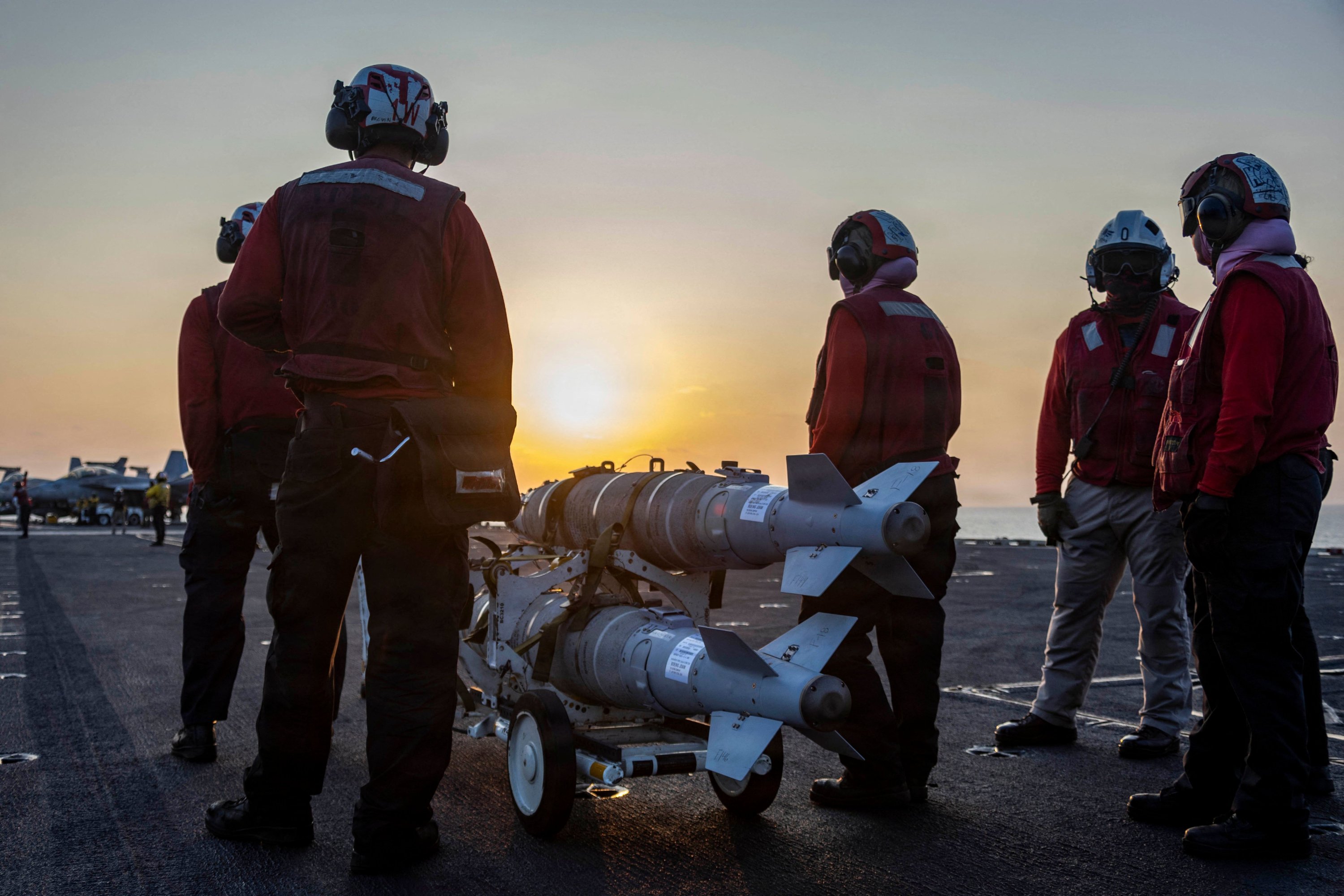
U.S. defense officials told Congress that the first week of military operations against Iran has cost about $6 billion, with roughly $4 billion of that amount used for munitions and high-end missile defense interceptors.
According to the New York Times, about $4 billion of that total alone was spent on munitions expenditures and advanced interceptors designed to shoot down Iranian missiles.
The figures were disclosed during discussions in Congress this week, where senior defense officials also indicated that further funding will be required to sustain operations and replenish depleted stockpiles.
According to the American daily, about 4,000 Iranian targets have been struck, including missile launchers, naval vessels, and air defenses, significantly eroding Tehran's ability to retaliate.
Adm. Brad Cooper, head of US Central Command (CENTCOM), said Iran's ballistic missile launches have dropped 90% since the first day of fighting, while drone attacks are down 83%.
Yet the country retains a formidable weapons arsenal, including an estimated 50% of its missile program.
Lawmakers are bracing for a supplemental budget request from the administration in the coming weeks.
The rapid expenditure has drawn scrutiny from both sides of the political aisle.
Critics argued that costly interceptors, some worth millions of dollars each, are being consumed at rates that could strain the U.S. defense industrial base and leave shortfalls in other strategic theaters.
The war erupted with joint U.S. and Israeli strikes against Iranian military targets, but the conflict has since widened across the Middle East, with Iran retaliating via ballistic missiles and drone barrages that require expensive defensive responses.
As debates over war funding intensify in Washington, Pentagon officials emphasized the need to maintain momentum against Iranian capabilities while balancing long‑term national defense priorities.
Tensions in the Middle East have escalated since the United States and Israel launched a large-scale attack on Iran on Feb. 28, killing more than 1,200 people, including Iranian Supreme Leader Ali Khamenei, over 150 schoolgirls, and senior military officials.
Iran has retaliated with sweeping barrages of its own that have targeted U.S. bases, diplomatic facilities, and military personnel across the region, as well as multiple Israeli cities. The attacks have continued to escalate.
The conflict has raised concerns about global energy supplies amid a sharp drop in maritime traffic through the Strait of Hormuz, a key route that carries about 20 million barrels of oil daily.