Global waste and water crises are part of the same interconnected system, and commitments expected at this year's global climate summit must translate into concrete outcomes if those challenges are to be addressed, according to experts.
The United Nations COP31 climate summit will be co-hosted by Türkiye and Australia in the Mediterranean gem Antalya in November.
Lara van Druten, a member of the U.N. Zero Waste Advisory Board and chief executive of Netherlands-based Waste Transformers, said the fields of zero waste and water are deeply interconnected.
She noted that water systems are essential to production processes and that products ultimately become waste that returns to water systems as pollutants.
Reducing waste and pollution, she told Anadolu Agency (AA), would create more resilient water systems.
Druten stressed that waste should not be viewed as a single product issue but as part of a broader system.
Recalling that approximately 40% of food produced globally is wasted while one in every 12 people goes hungry, she said the scale of associated water waste is equally significant.
"That 40% of food which is wasted, when we throw it out, also means we are throwing out Lake Geneva's contents of water three times every single year. That's just simply water which is being thrown away and completely wasted," she said.
"If we solve the waste problem, we're also going to solve the water problem."
Druten said zero waste will, for the first time, be placed at the center of a COP conference across all of its dimensions during the meeting in Türkiye, adding that inclusivity and resilience – applicable both to cities and food systems – are among COP31 priorities.
She said events leading up to COP31, including U.N. Water Week and the Zero Waste Global Forum, provide momentum for producing practical outcomes.
"No matter how fantastic the event is, no matter how strong and promising the pledges are that we make, we will be judged on one thing and one thing only, and that is the action that we take.
"So I would say at all of the events, please, let's focus on moving from talk into action, into actually measurable results that make a difference for people like you and I," she said.
Henk Ovink, chair of the board of the International Water Management Institute (IWMI) and executive director of the Global Commission on the Economics of Water, said water itself will continue to exist, but human activity combined with climate change is undermining water security.
Ovink stressed the importance of understanding how human behavior and climate change together affect and deplete water systems.
"It is our bankruptcy, not water's bankruptcy, that actually is defining our future," he said.
Referring to the commission's findings, Ovink said water supports the achievement of sustainable development goals and argued that water cycles should be treated and managed as a global common good.
"Water is something that we need to share and take into account in everything we do. That's a challenge, but also an opportunity," he said.
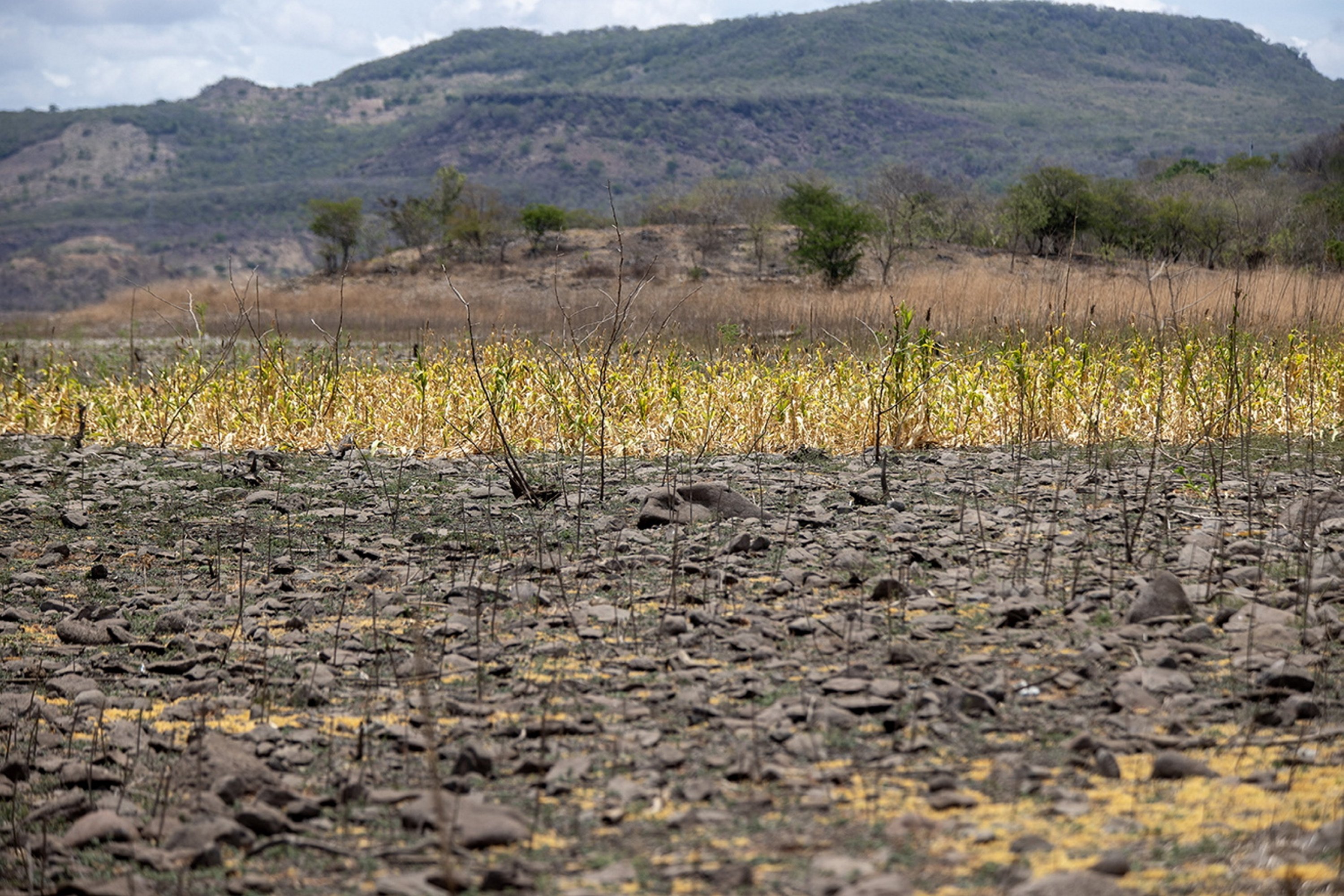
Ovink said Türkiye, like other countries, is expected to face increasingly frequent and severe extreme weather events, with floods and prolonged droughts weakening food security and biodiversity.
He stressed that the links between desertification, biodiversity and climate should be treated as critically important at COP summits and that water considerations need to be integrated into sectors including energy, food systems, urbanization, industry and investment.
Calling on stakeholders attending COP31 to bring water-related commitments to the conference, Ovink said such commitments should carry forward as an outcome into the next U.N. Water Conference to demonstrate alternative solutions.
"If we constantly evaluate the solutions that we present in the context of our past promises, we will fail," he added.
"So it's not only enough to rethink what we can do, we have to re-do and rethink how we validate and evaluate investments and the actions that we need to take to head to a future that is more just, more resilient and more sustainable."