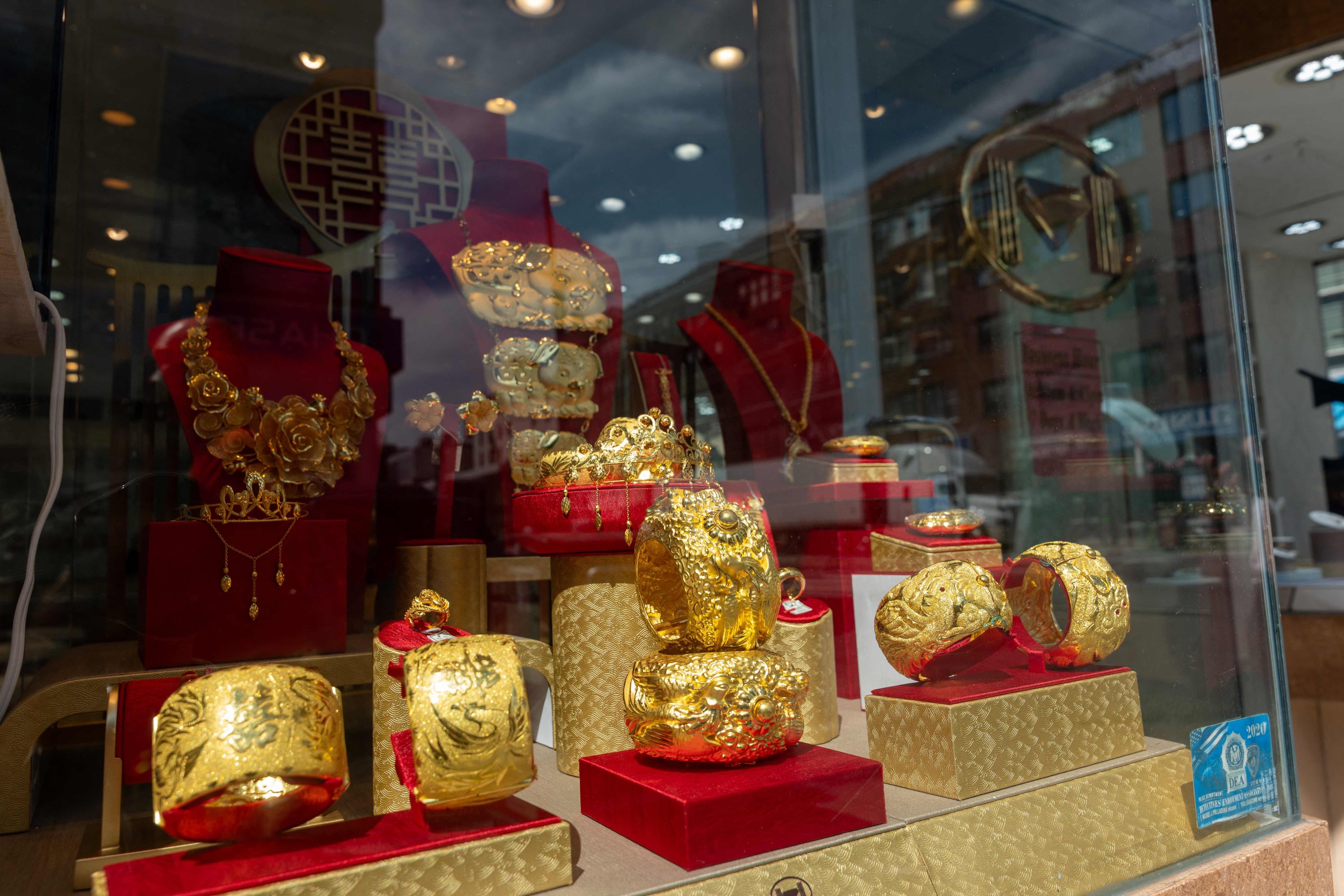
Gold prices have left another upbeat week behind, extending the rally observed in recent months as fresh concerns over the U.S. government shutdown boosted the precious metal.
Gold rose again on Friday, hovering near record highs and heading for a seventh consecutive weekly gain, supported by growing concerns over the economic impact of a prolonged shutdown and expectations of interest rate cuts.
Spot gold rose 0.7% to $3,884.19 per ounce by 01:40 p.m. ET (05:40 GMT), after hitting a record high of $3,896.49 on Thursday. Prices have gained more than 3% this week. On Sunday, the value hit $3,886.45, approaching the all-time high seen in early October.
Gold has already surged by nearly 48% year-to-date, putting it on track for its best annual performance since 1979.
Analysts and brokerages expect the prices could easily hit $4,000 as uncertainties originating from the U.S. bolster the appeal of the investment, often credited as one of the top safe havens.
As markets entered 2025 amid the global inflation-recession dilemma and expectations that central banks would begin monetary easing cycles, a weakening dollar index, persistent global uncertainties, and a U.S. federal government shutdown in Q3 increased demand for safe havens – strengthening gold's appeal.
In addition, concerns over the potential expansion of the U.S. budget deficit remained among the factors supporting the upward movement in gold prices.
While worries about the potential effects of the U.S. administration's protectionist policies continued, the federal government shut down after Congress failed to approve a temporary budget bill before the new fiscal year began.
The failure of the temporary funding bill, which would have allowed federal agencies to continue operating, marked the first shutdown since the 35-day one between December 2018 and January 2019.
"I think the longer the government stays shut down, that's going to be a steady bullish element for the gold market. If they happen to have a surprise weekend agreement to open the government back up, that would probably be a bearish element," said Jim Wyckoff, senior analyst at Kitco Metals.
In addition, dynamics related to the labor market and moves by the Federal Reserve (Fed) also influence the demand for gold and other precious metals.
The key U.S. non-farm payrolls report, originally scheduled for release on Friday, has also been postponed, leaving investors to rely on alternative indicators that suggest a cooling labor market and support expectations of an imminent rate cut.
Investors are pricing in a 97% probability of a 25-basis-point rate reduction in October and an 85% likelihood of another similar cut in December, according to CME Group's FedWatch tool.
Commenting on the matter to Anadolu Agency (AA), Ole Hansen, Head of Commodity Strategy at Saxo Capital, said that the rise in gold was fundamentally supported by increased demand from central banks.
He also emphasized that both individual and institutional investors are increasingly turning to gold.
“In the short term, the focus is on the $4,000 level, but if the Fed's independence is undermined and this causes interest rates to create turmoil in financial markets again, there is a risk of prices climbing even higher,” he said.
Meanwhile, Swiss banking giant UBS stated in a note that it expects gold to rise to $4,200 per ounce over the coming months, as the "opportunity cost of holding gold is falling thanks to declining real interest rates in the U.S., while expectations of further broad U.S. dollar weakness are another tailwind for gold."